
 Image by Wissam Hajj from Pixabay
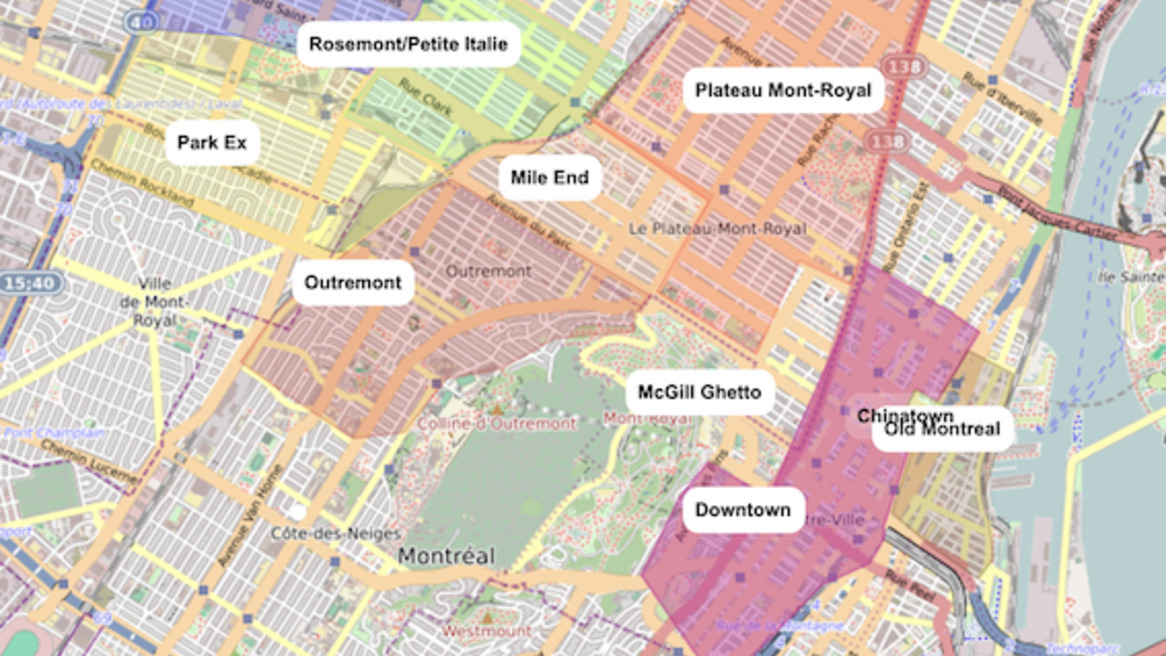
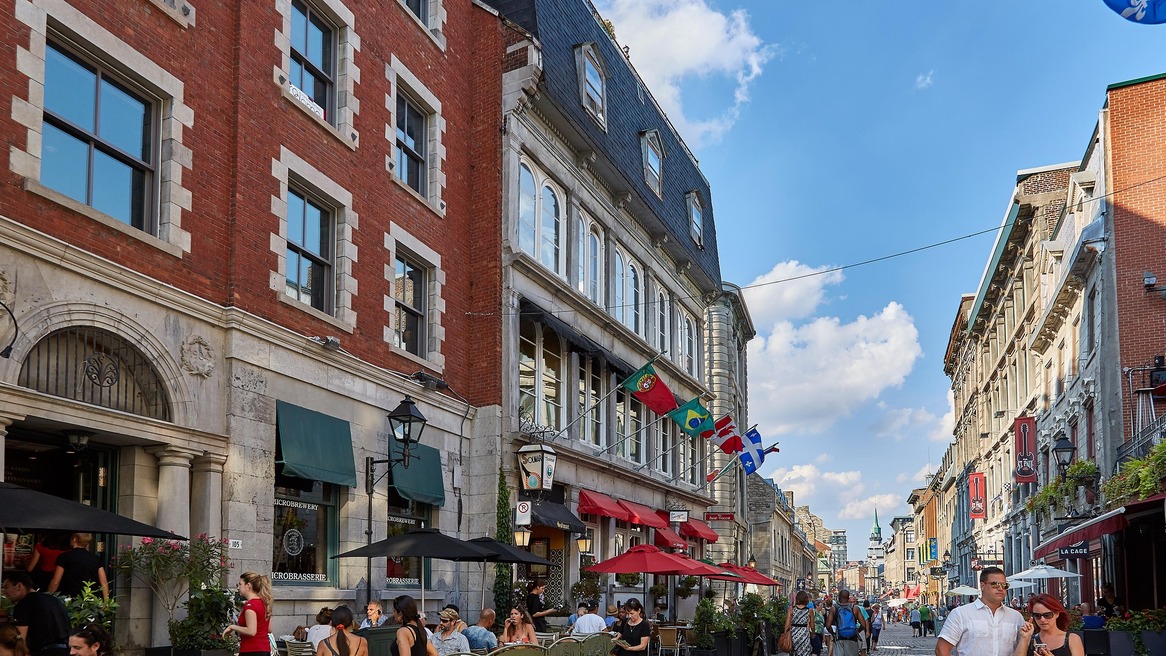
Montreal es bien conocida por ser el punto de encuentro entre lo antiguo y lo nuevo. A menudo referida como la capital cultural de Canadá, Montreal está llena tanto de tesoros históricos como de premios contemporáneos, como arte contemporáneo, restaurantes de vanguardia y arquitectura. El Viejo Montreal se ve y se siente bastante diferente a los barrios contemporáneos de Montreal, no solo en la parte que se llama Viejo Montreal, sino en todas las partes más antiguas de la ciudad. Estos barrios de esencia francesa tienen sus propios colores y sabores, al igual que los barrios más recientes. Por lo tanto, es muy importante considerar en qué parte de la ciudad deseas quedarte. ¡No tiene sentido reservar en Beaux-Arts y bistrós franceses si estás aquí para museos de diseño y teatro innovador!
 Image by Aurore Duwez from Pixabay
El Viejo Montreal es el corazón histórico de la ciudad, la parte más antigua y la más europea por ello. La arquitectura y las calles adoquinadas alrededor del puerto son particularmente encantadoras, al igual que las calles alrededor de la impresionante catedral y el Mercado de Bonsecours, que ahora es el hogar del diseño de vanguardia. Para algunos visitantes, simplemente caminar por este barrio será lo más destacado de su viaje, pero si deseas profundizar más, entonces planifica una visita al Centre d’Histoire de Montréal, la Pointe-à-Callière o el Chateau Ramezay, todos museos dedicados a la historia del área. El Viejo Montreal también está lleno de galerías de arte, tesoros culinarios y oportunidades de compras, especialmente de alto nivel. Come y bebe en cafeterías, pastelerías y restaurantes. Entre las muchas atracciones del Viejo Montreal se encuentra la rueda de la fortuna Grand Roue de Montreal, que es una forma fantástica de orientarse en la ciudad, especialmente en el área del Viejo Puerto. Si prefieres caminar, sube los 192 escalones de la antigua Torre del Reloj del Puerto, una réplica de la Torre Elizabeth de Londres, y otro lugar fantástico para disfrutar de la vista. También vale la pena pagar para ver el espectáculo de luces de la catedral por la noche y visitar el World Trade Centre, donde tienen un trozo del Muro de Berlín.
Ideal para: Escapadas urbanas, turismo, parejas, familias, amantes de la gastronomía, compras, visitantes por primera vez
Descubre nuestros hoteles recomendados cerca del Viejo Montreal
Explora más >
Ver todos los hoteles en Viejo Montreal
Explora más >
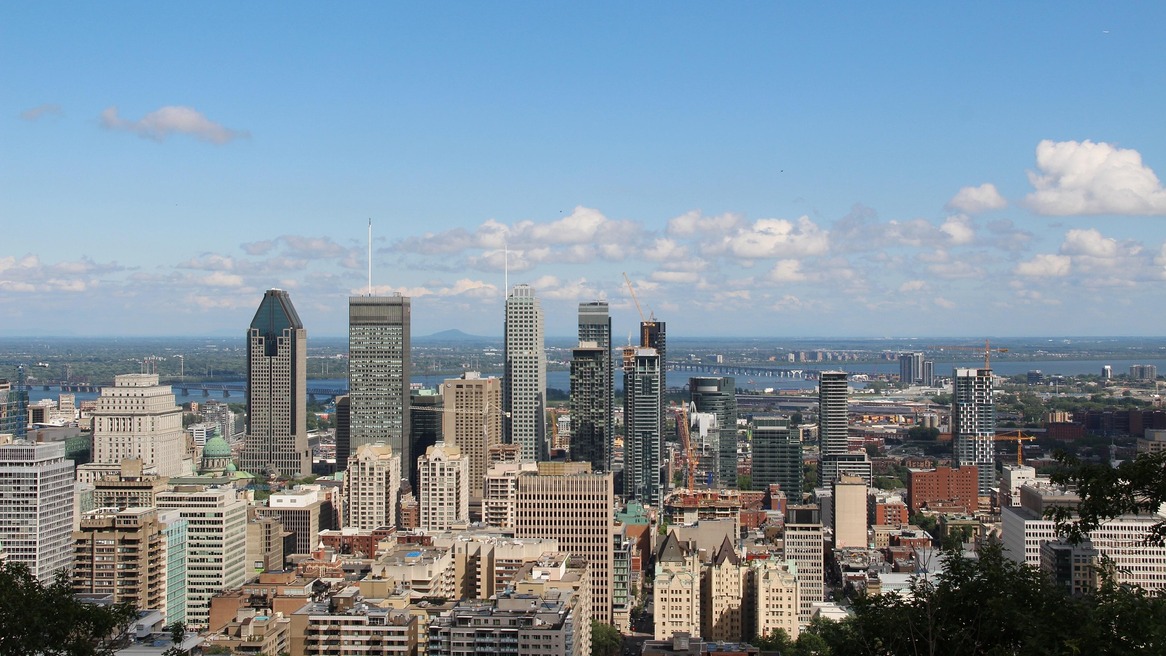
El Centro de Montreal tiene todos los rascacielos que esperarías del brillante centro de una gran ciudad, pero están situados a lo largo de elegantes bulevares arbolados, por lo que es muy París se encuentra con Nueva York. Las compras también son una mezcla de París con Nueva York; el bulevar de compras más largo es la calle Sainte-Catherine, que está llena de boutiques, tanto de grandes marcas como de marcas locales, y entradas a centros comerciales. Los centros comerciales están en gran parte bajo tierra, permitiéndote seguir comprando incluso en pleno invierno canadiense. Si quieres ver Montreal desde el punto de vista opuesto (desde arriba), visita el mirador de Place Ville Marie. Además de ser emocionante, el Centro de Montreal tiene mucho que ofrecer. Hay cosas obvias, como la media docena de excelentes museos y algunos restaurantes y bares fantásticos. Además, encontrarás lugares deportivos, como el Bell Centre, y una serie de impresionantes edificaciones religiosas y monumentos. Pero el Centro de Montreal también tiene elegantes plazas y calles peatonales, y una gran cantidad de lugares de arte y música. En cuanto al alojamiento, aquí tienes muchas opciones. Realmente hay un hotel para todos, sea cual sea el gusto o el presupuesto.
Ideal para: Escapadas urbanas, turismo, familias, visitantes por primera vez, compras
Descubre nuestros hoteles recomendados cerca del Centro
Explora más >
Ver todos los hoteles en Centro
Explora más >
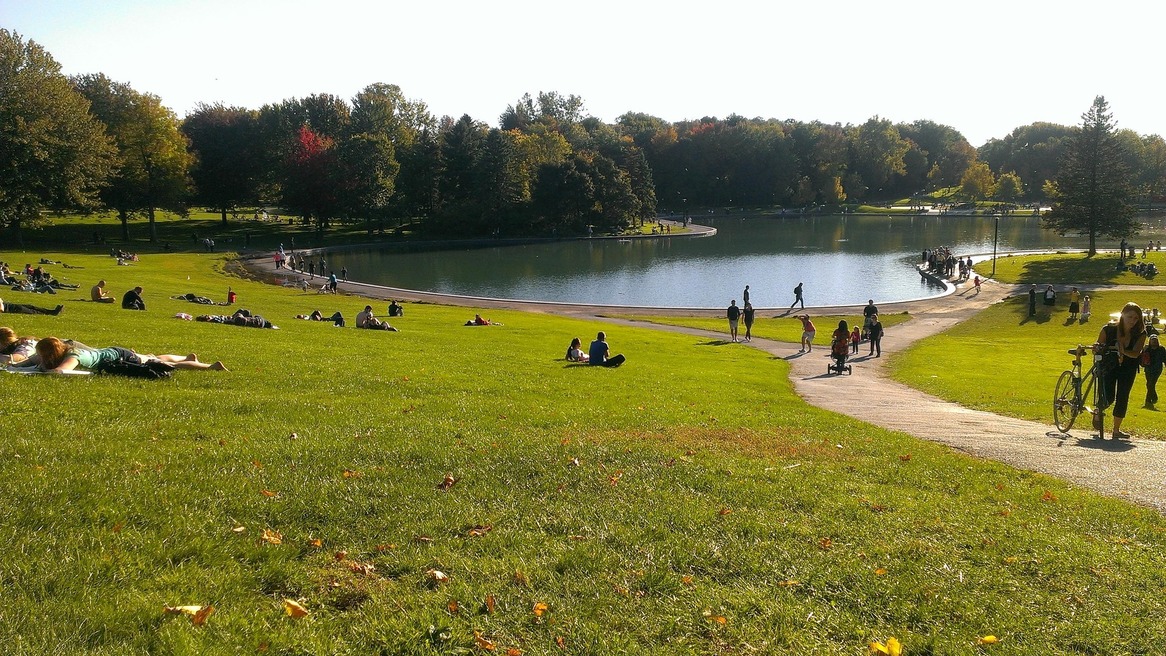
Plateau Mont-Royal es un barrio y también un distrito más grande. La parte del ‘Plateau’ es específicamente la zona en las laderas de Mont Royal, con vistas a la ciudad de Montreal, y poblada de coloridas casas adosadas. Este es un barrio artístico, conocido por sus artes visuales, pero también por la música y las artes teatrales. También es conocido por ser muy francés, muy verde y muy gourmet. Espera encontrar escaleras exteriores en espiral, librerías, cafés, delicatessen y familias. El parque local principal es el Parque del Mont Royal, pero también hay varios parques más pequeños, plazas verdes y plazas, y muchos árboles maduros, lo que da una sensación elegante a las calles. Al llegar la noche, las cosas cambian de verde y pacífico a coloridamente juguetón, especialmente en la calle principal del Boulevard St. Laurent, que está llena de cafeterías, bares, restaurantes y locales de música. La calle Prince Arthur es una calle peatonal vecina mucho más enfocada a la cena, en lugar de la vida nocturna, pero el ambiente sigue siendo cálido y acogedor, espera ver artistas callejeros y terrazas BYO. Hay una buena variedad de alojamiento aquí, nuestras opciones favoritas son las casas urbanas convertidas. Esta es una buena opción si deseas vivir como un local.
Ideal para: Vivir como un local, parejas, amantes de la gastronomía, fiesteros, tipos artísticos, hipsters
Descubre nuestros hoteles recomendados cerca de Plateau Mont Royal
Explora más >
Ver todos los hoteles en Plateau Mont Royal
Explora más >
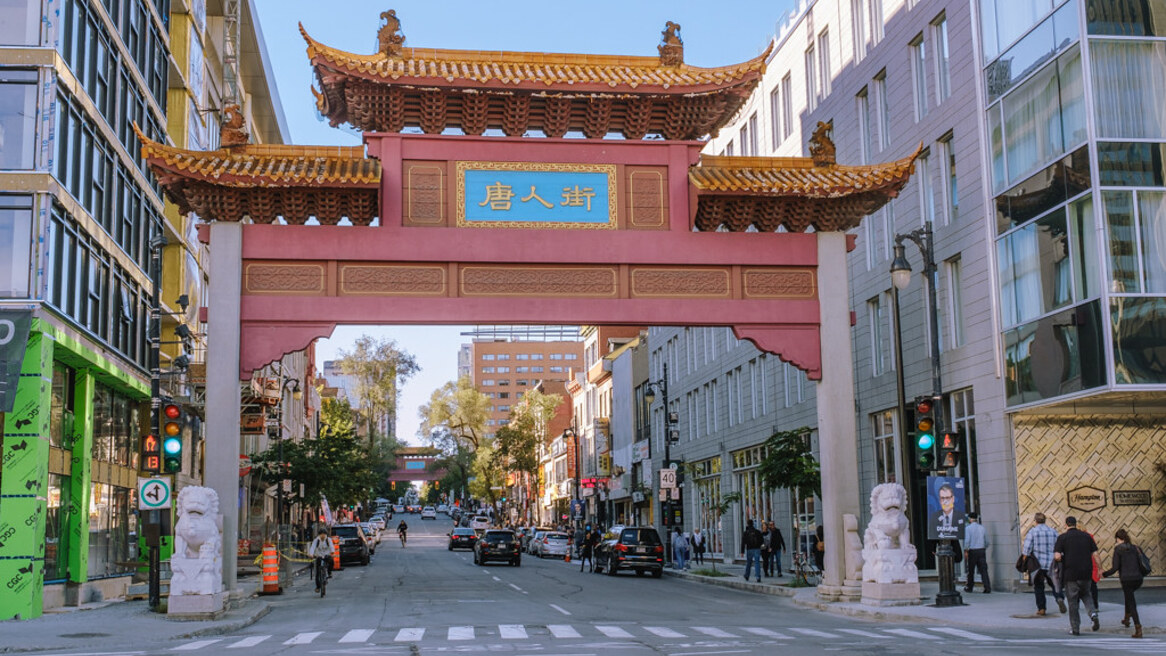
El Chinatown de Montreal está justo detrás del Viejo Montreal y los puertos. Es un barrio que hace honor a su nombre hasta cierto punto, con numerosos restaurantes chinos, mercados, tiendas e incluso el Hospital Chino de Montreal. Sin embargo, no solo encontrarás comida y productos chinos aquí; puedes encontrar tesoros que se originaron en todas partes de Asia. El Chinatown de Montreal tiene cuatro puertas paifang, en el norte, sur, este y oeste, por lo que el área está claramente delimitada. Espera ver señalización en múltiples idiomas y un ambiente colorido tanto de día como de noche. Durante los festivales, el ambiente es especialmente exuberante. El Chinatown de Montreal es más comercial que residencial en estos días, pero aún hay algunas excelentes opciones de alojamiento.
Ideal para: Amantes de la gastronomía, turismo, noctámbulos
Descubre nuestros hoteles recomendados cerca de Chinatown
Explora más >
Ver todos los hoteles en Chinatown
Explora más >
 By Andre Carrotflower - Own work, CC BY-SA 4.0
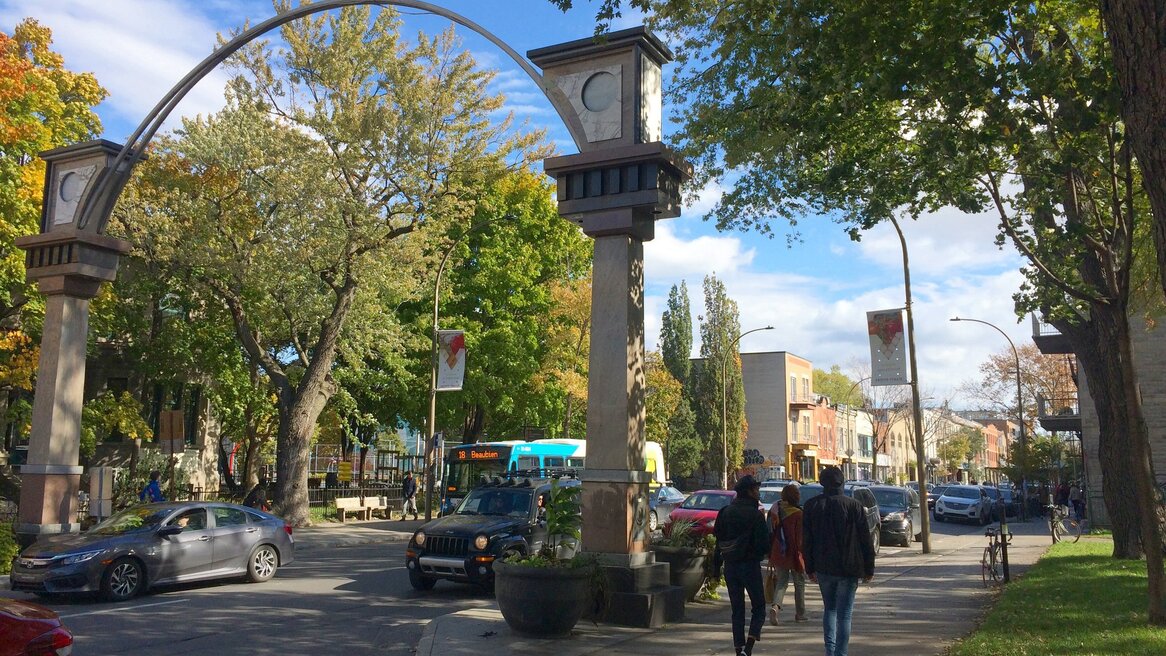
La Pequeña Italia es otro barrio evidente para que los amantes de la comida se sientan atraídos. El Mercado Jean-Talon es un gran atractivo, pero la Pequeña Italia también es un barrio fantástico para una delicatessen, cafetería o restaurante y, a pesar del cambio demográfico del área, todavía hay varios excelentes supermercados italianos. Algunos de los alojamientos más encantadores en la Pequeña Italia han sido convertidos de las tradicionales casas dúplex de Montreal en las calles que rodean el mercado de alimentos; estos edificios, con sus típicas escaleras en espiral y fachadas de piedra, son un hito clásico de Montreal. Los aficionados a la arquitectura pueden apreciar los edificios Art Deco alrededor del mercado también. Y la Iglesia de Madonna Della Difesa ciertamente vale la pena encontrarla. La Pequeña Italia tiene calles comerciales bulliciosas, pero aún calles residenciales relativamente tranquilas que se ramifican. Su ubicación es ideal para el turismo, estás justo al norte de Mile End, con acceso a tres estaciones de metro: Jean-Talon, De Castelnau y Beaubien.
Ideal para: Amantes de la gastronomía, románticos, hipsters