
Mexico City is a big, bright destination, known for its bold colours and flavours, its artistic heritage and its history. Some people blame the high altitude for Mexico City’s dizzying effect, some people blame the tequila and the spicy food, but it could equally be the way you have to keep moving your head around to take everything in! You’ll be looking at murals by Diego Rivera (Mr Frida Kahlo), lively markets at the Plaza San Jacinto, the Ballet Folklorico de Mexico, and the Aztec-era Templo Mayor. The key is to relax and take your time.
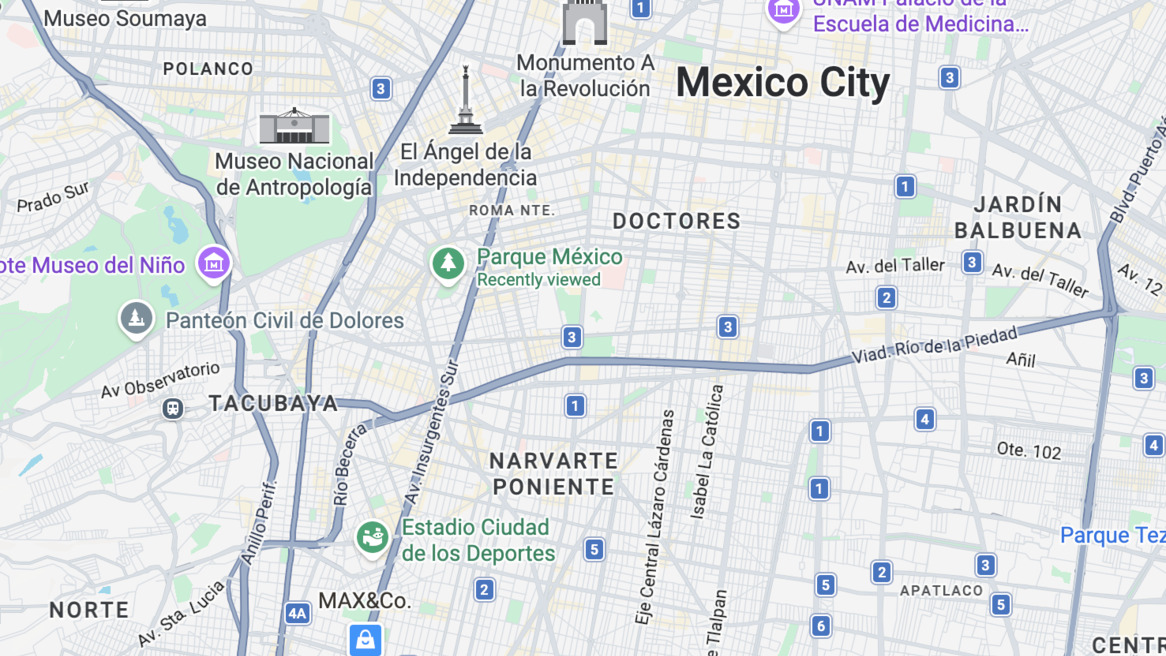
Mexico City’s neighbourhoods offer a really varied range of pleasures. Stay in the Centro Historico, and you’ll be close to all the major sights, including many of the city’s Aztec ruins. Roma Norte is close by, but offers a trendier atmosphere, complete with cool places to eat, shop and stay. Condesa is a good choice for families: there’s plenty of green space, and the atmosphere is relaxed and residential. There’s also some incredible Art Deco architecture. If you prefer large, international-style hotels, Polanco and Santa Fe are the best neighbourhoods; they're great for shoppers too. Juárez and the Zona Rosa are other very central neighbourhoods, but they're a bit more ‘lived in’, with lively nightlife, and lots of great value accommodation picks. The Paseo de la Reforma is Mexico City’s main avenue, connecting the Centro Historic to Roma Norte, and all the way to Juárez. There are plenty of great places to stay along its route, and being close to public transport means this is a great place to look for accommodation if you’re trying to see the whole of the city.
Ideal for: city breaks, sightseeing, first-time visitors, history lovers, photographers, families, short stays
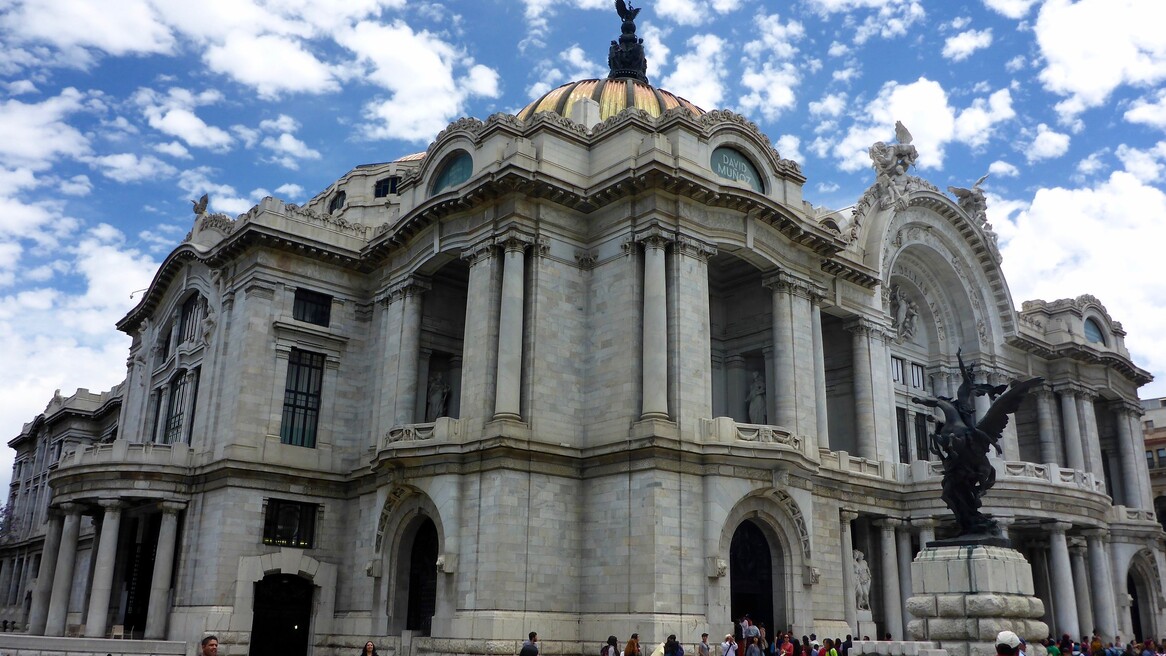
Mexico City’s Centro Historico is the ancient heart of the city. Built on top of the Aztec capital, Tenochtitlán, the Centro Historico is a more recent historic centre. It's home to Mexico City’s main plaza: Zócalo, where you can see the cathedral and the National Palace, as well as the Temple Mayor. This isn’t a small area; the Centro Historic covers 668 blocks, incorporating traditional places to eat and drink, as well as colonial architecture, historic landmarks, museums and galleries. Many of the streets in the Centro Historico are cobbled, and some are pedestrianised. Much of the architecture, even the newest, is elegant and impressive, and visitors who stay here could easily find themselves staying in a centuries-old building. The Zócalo, which is one of the largest squares in Latin America and can hold around 10,000 people, is an obvious place to start exploring the city. Open the door to the National Palace, and you can see a mural depicting the main historic moments from Mexico’s history, from the conquest on. The Palacio de Bellas Artes and the Alameda Park are two especially unmissable sights. All kinds of public transport flow through the Centro Historico, but there is a lot of traffic, so it’s not always quicker than walking.
Did you know? The Centro Historic was built on a lakebed by the Aztecs in the 14th century, and is actually sinking at a rate of around 4 cm a year.
Discover our recommended hotels near Centro Historico
Explore more >
View all hotels in Centro Historico
Explore more >
Ideal for: city breaks, sightseeing, romantics, families, night owls, photographers, architecture lovers
Roma Norte is a vibrant, central neighbourhood, known for its impressive and varied architecture and leafy streets. Many homes here are mansion-sized, and the shops, galleries, restaurants, cafes and bars reflect the disposable income of many early residents. The neighbourhood was founded in its current form in 1903, so expect Art Nouveau architecture. This is a great base for families or anyone who wants to be within walking distance of the major sights. It’s a very pedestrian-friendly district, with numerous parks and gardens. Major local sights include the Casa Lamm Cultural Centre, the OMR Gallery and the Kurimanzutto gallery. Roma Norte is a great place to have cocktails or spend an evening out.
Did you know? If you think any of the neighbourhood is a bit odd, it might be because it was originally planned and developed by an English circus owner, who named the streets after places his circus had performed.
Discover our recommended hotels near Roma Norte
Explore more >
View all hotels in Roma Norte
Explore more >
Ideal for: city breaks, sightseeing, families, romantics, shopping, families, photographers, architecture lovers, art lovers
La Condesa is a leafy and fashionable neighbourhood, with several major parks, tree-lined avenues, and some fantastic Art Deco architecture. It is a residential area, but it’s quite central (about five kilometres west of the Zócalo), so there’s a reasonable range of accommodation with plenty of boutique, bijou and luxurious picks. Families will be drawn to the parks: Parque México, Parque España and Parque Morelos. There are some great places to eat and drink, and some great places to enjoy a night out too. The shopping is pretty independent, and includes a large number of galleries, vintage and antique shops, and local boutiques of all shapes and sizes.
Did you know? La Condesa has around 275 Art Deco buildings, and many more Art Deco structures.
Discover our recommended hotels near La Condesa
Explore more >
View all hotels in La Condesa
Explore more >
Ideal for: city breaks, sightseeing, luxury lovers, shopping, foodies
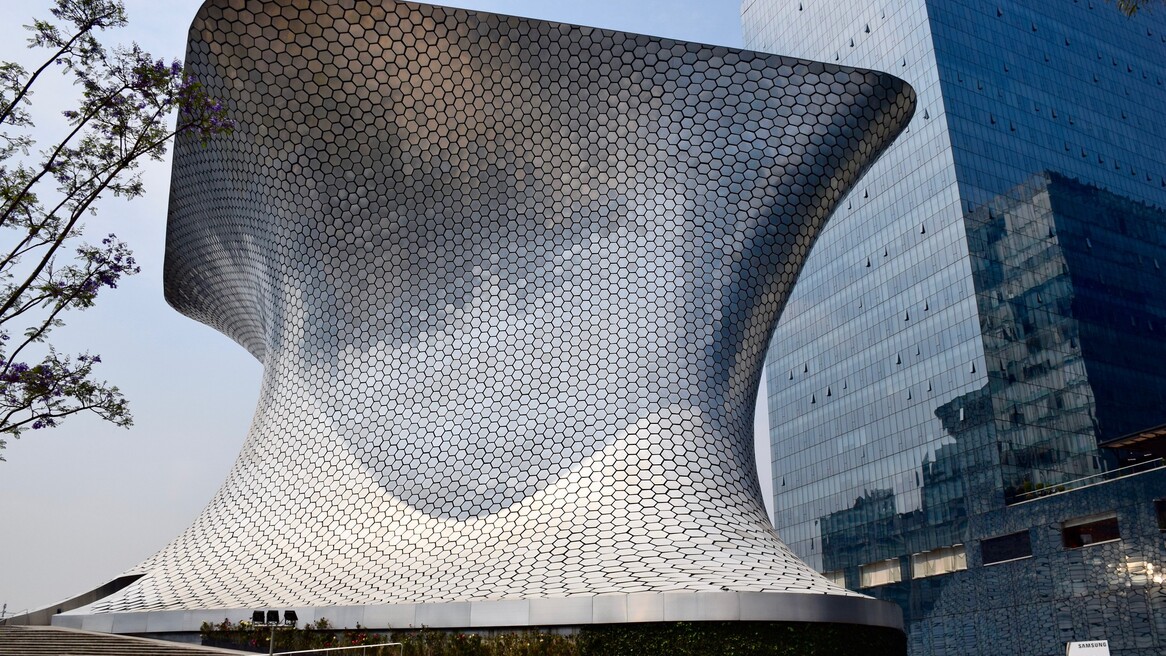
Polanco is one of Mexico City’s most upscale residential neighbourhoods. It's safe, central, with great colonial revival and modern architecture, and some fantastic places to eat and drink. This is a great place to stay if you’re looking for luxury accommodation and award-winning dining options, but still want to be close to the historic centre of Mexico City. Polanco’s main shopping street, the Avenida Presidente Masaryk, is the most expensive in Mexico, the Mayfair of the Mexican Monopoly board, and is where many of the glamorous international brands have their flagship shops. Polanco is also where you’ll find the Museu Soumaya (for Mexican pre-history and art), and the Coleccion Jumex contemporary art gallery.
Did you know? Polanco is where you can find both of Mexico City's two-Michelin-starred restaurants: Pujol and Quintonil
Discover our recommended hotels near Polanco
Explore more >
View all hotels in Polanco
Explore more >
Ideal for: city breaks, sightseeing, business travellers
The Paseo de la Reforma is Mexico City’s main avenue, a long, tree-lined route that runs across the city, starting at the Centro Historic, and finishing at Chapultepec Park, crossing through the central business zones, Polanco and Santa Fe, and outwards, via neighbourhoods like Roma Norte, Juárez, Cuauhtemoc and Lomas de Reforma, which is an affluent neighbourhood close to Chapultepec Park. This is a peaceful pick; ideal if you’re looking for a high-end apartment with good transport links.
Did you know? The Paseo de la Reforma is part-closed to vehicles every Sunday between 0800 and 1400, when cyclists, skaters and runners take over some of the traffic lanes.
Discover our recommended hotels near Reforma
Explore more >
View all hotels in Reforma
Explore more >
Ideal for: city breaks, sightseeing, cool kids, night owls, art lovers, photographers
Juárez is a cooler version of Rome Norte and Polanc. It’s still got the impressive architectural mansions, the green spaces and jacaranda-lined streets and galleries, but it’s grittier, with street art and murals, and it borders nightlife hub, Zona Rosa. Juárez is located between the Centro Historico and Chapultepec Park, so it’s an easy choice for sightseers, and is within a comfortable walking distance of many major sights. The Paseo de la Reforma and the Avenida Chapultepec create two of the neighbourhood’s boundaries. Juárez has that popular-with-artists dilapidated feel, with many mansions being overtaken by galleries and bookshops, and the shopping streets feature design stores, vintage shops and cafes. As well as bars and restaurants. This is the kind of neighbourhood to wander around admiring how Mexico City’s past has infiltrated its present. Mid-century Zona Rosa was the epitome of bohemian Mexico City; it's now a hub for the city's LGBT+ community, and a fantastic place to go out at night.
Did you know? Juárez is known for its speakeasies and secret restaurants. Tucked behind unassuming doors, some of them require local knowledge to enter, and some just need a special knock...
Ideal for: art lovers, relaxed breaks, romantics, photographers, history lovers
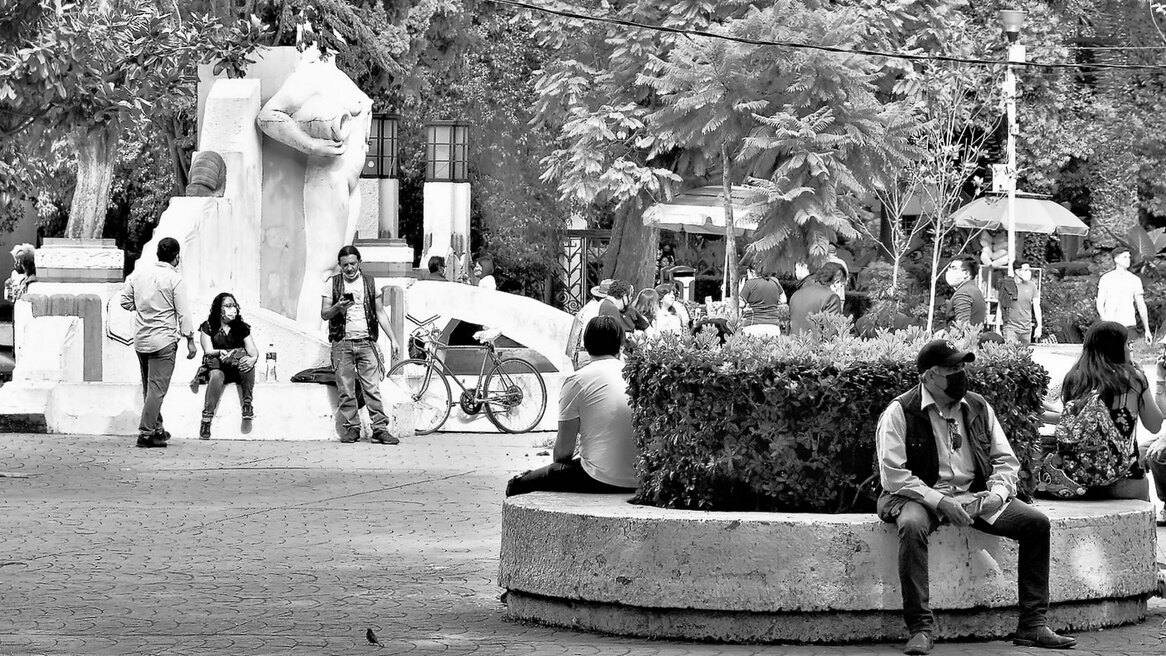
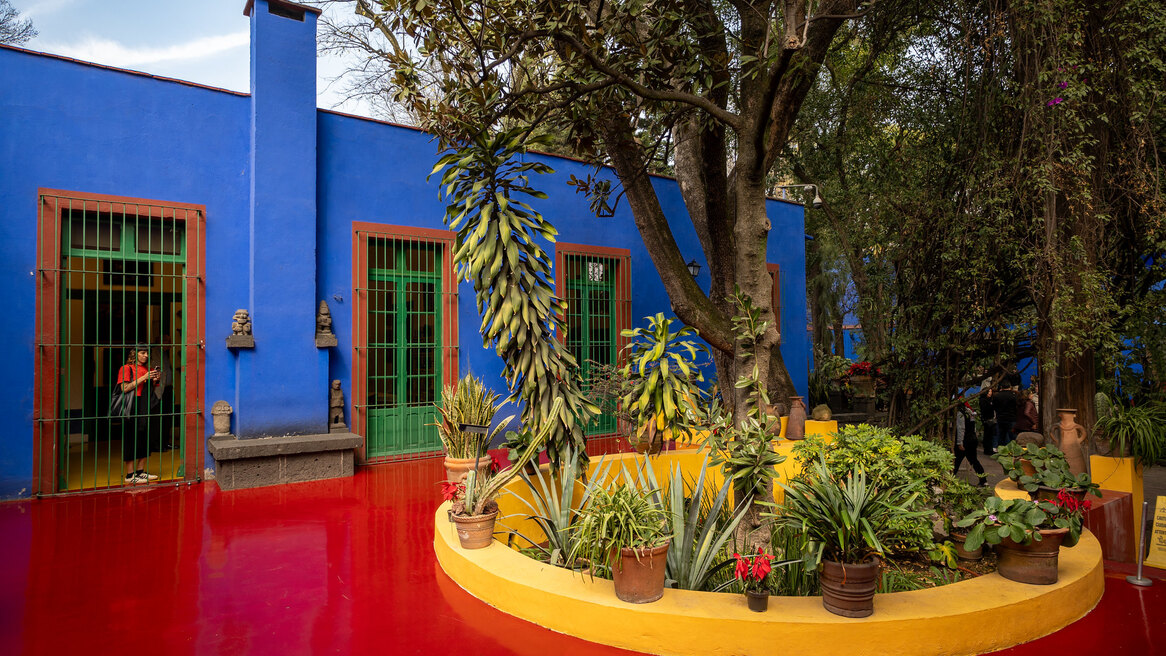
If you have heard of Coyoacán, it's probably because this is the birthplace of Frida Kahlo and the location of La Casa Azul, The Blue House, which is where she was born, lived and died, and is now one of the city’s most popular museums. Coyoacán is quite a distance from the centre of town, so if you choose to stay here, you'll have to travel to see pretty much everything else! Coyoacán has a very different atmosphere to the bustle of the city proper. Up until the 20th century, it was a colonial village, and it’s still well known for its colonial architecture, including cobbled streets and plazas with huge trees. Coyoacán still has quite a quiet, villagey feel, with green space and traditional food markets. but it gets much busier at weekends, with street performers and additional vendors. But the fact that The Blue House is here means that visitors come, and there are galleries, cafes, restaurants and bars to accommodate them. Coyoacán is also home to one of the oldest churches in Mexico City, the Church of San Juan Bautista.
Did you know? Coyoacán was also home to Leon Trotsky; his house is now a museum.
Discover our recommended hotels near Coyoacán
Explore more >
View all hotels in Coyoacán
Explore more >
Ideal for: city breaks, shopping, families, business hotel deals
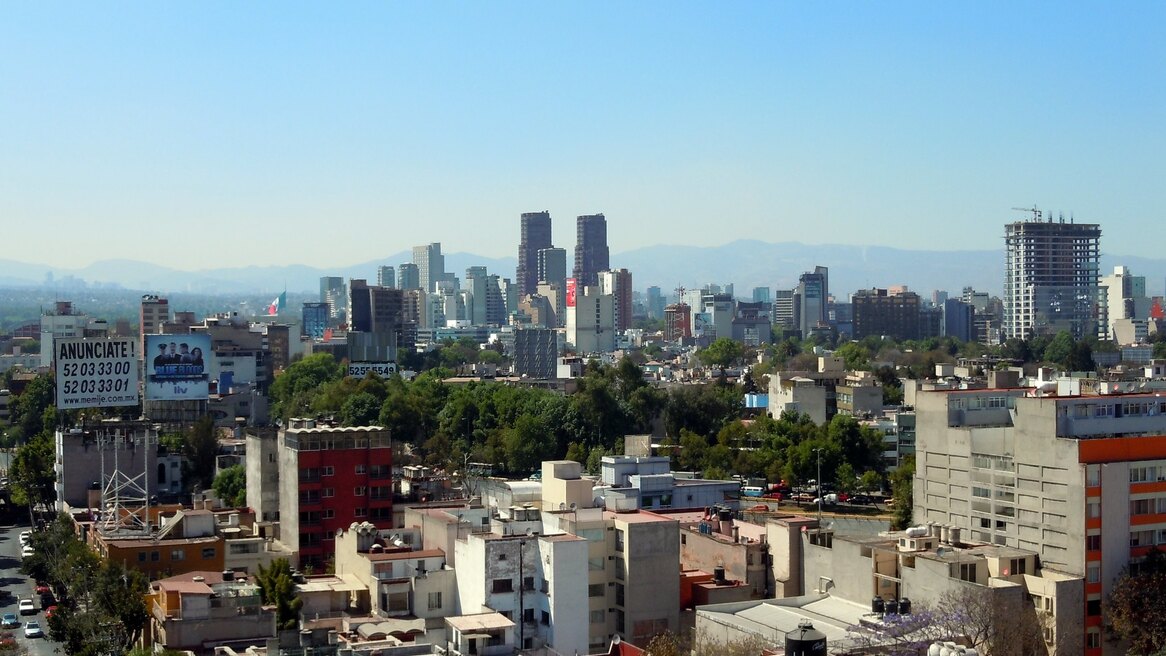 By Flickr user Matthew Rutledge
Santa Fe is effectively a second, contemporary, city centre. Famously converted from a massive garbage dump in the 1990s, into the contemporary commercial centre you see today, it comes complete with many of Mexico City’s skyscrapers, and the huge Centro Santa Fe, which has more than 500 shops. plus a real wealth of facilities. This is where you’ll find the business headquarters, new universities and plenty of contemporary accommodation options. Santa Fe also has one of Mexico City’s largest parks, the Parque La Mexicana, which has running and cycling paths, a skate park and playgrounds, as well as fountains, ponds with ducks, and woodlands.
Did you know? Santa Fe has the largest shopping mall in Latin America, the Centro Santa Fe.