
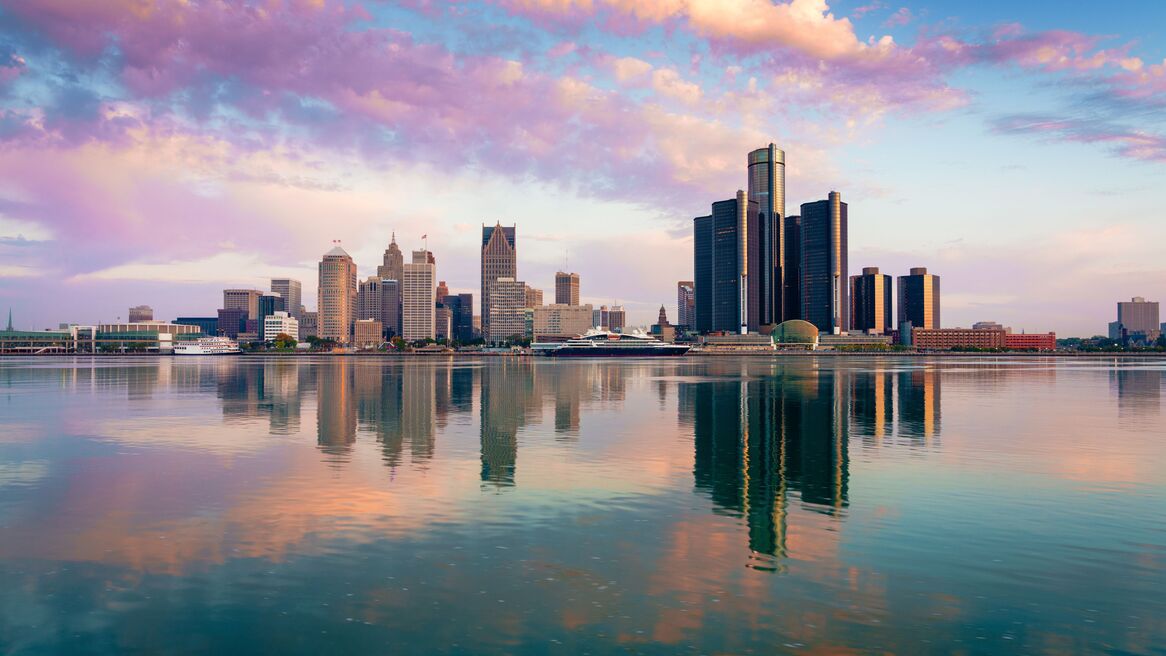
Detroit is an unusual travel destination (unless you’re a lover of cars or music), but it’s got plenty of cool and creative appeal, and a reputation for giving a warm welcome. There’s a lively culinary scene, renowned music scene, great galleries and museums and street art: this is a city where art feels alive. Detroit isn’t known for its architecture, but it’s got some glorious Art Deco designs.
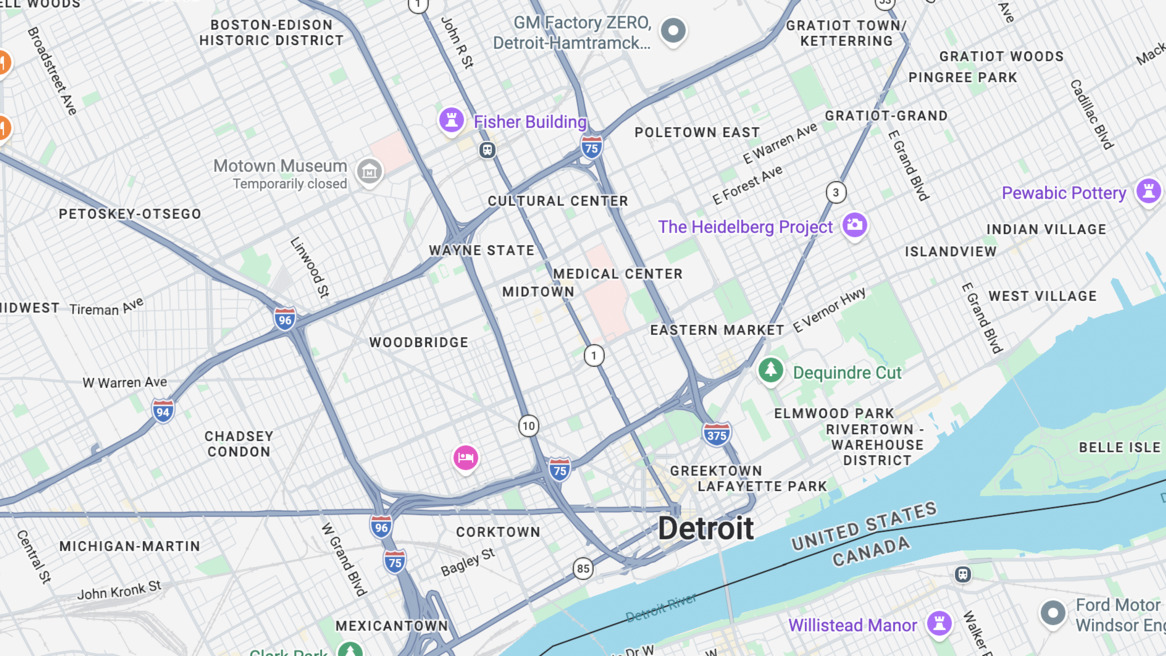
Detroit’s neighbourhoods are varied, possibly because this isn’t a tourist city, and accommodation is spread throughout the city. If you’re looking for a central, bustling, walkable neighbourhood, consider Downtown Detroit, or nightlife annex Greektown; or neighbouring neighbourhood, Midtown. Both Downtown and Midtown are easy to explore on foot, or by public transport, and they base you close to Detroit’s highlights. Midtown has more of the museums and galleries, while Downtown has the sports grounds and theatres. Corktown is another central option. It’s the oldest part of town, so you'll see Victorian architecture and the beautiful Michigan Central Station; it also boasts a rich culinary culture and plenty of breweries, hip restaurants and cool shops. Foodies may also want to consider staying in Eastern Market, the neighbourhood around Detroit’s Eastern Market, one of the oldest daily produce markets in the US. West Village is a quieter area; perfect if you’re looking for somewhere more residential, or outdoorsy.
Unlike many other major cities, Detroit doesn’t have a public transport system that’s large enough. The central neighbourhoods, like Downtown and Midtown, are well connected, but if you want to stay outside this central neighbourhoods, or visit attractions outside of them, you will probably need to take a cab. You could hire a car, but there’s limited parking.
Ideal for: city breaks, sightseeing, first-time visitors, families, short stays
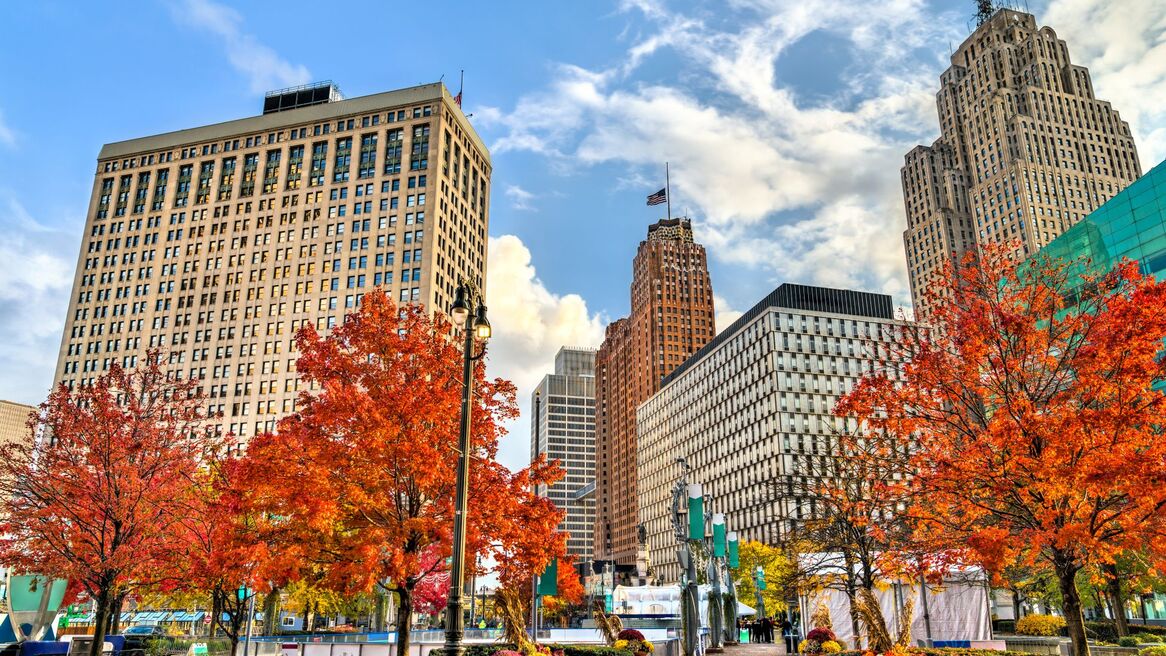
Downtown Detroit is the obvious choice for first-time visitors. The beating heart of the city, with the lion’s share of skyscrapers, significant architecture, theatres, sports stadiums and venues, and loads of places to eat and drink, Downtown Detroit also has a small, walkable footprint that makes it super easy to explore. The People Mover is the alternative to walking (it's a convenient and free rail loop), or you can catch the QLine streetcar. Downtown Detroit also has the Riverwalk with its waterfront views. Detroit doesn’t really have a reputation for architecture, but there are some charming Art Deco buildings in Downtown.
Did you know? Detroit is the only place in the US where you can look south and see Canada. Detroit borders Windsor, Ontario, but Detroit is to the north of the Canadian city.
Discover our recommended hotels near Downtown Detroit
Explore more >
View all hotels in Downtown Detroit
Explore more >
Ideal for: night owls, party people, foodies, central location, fun
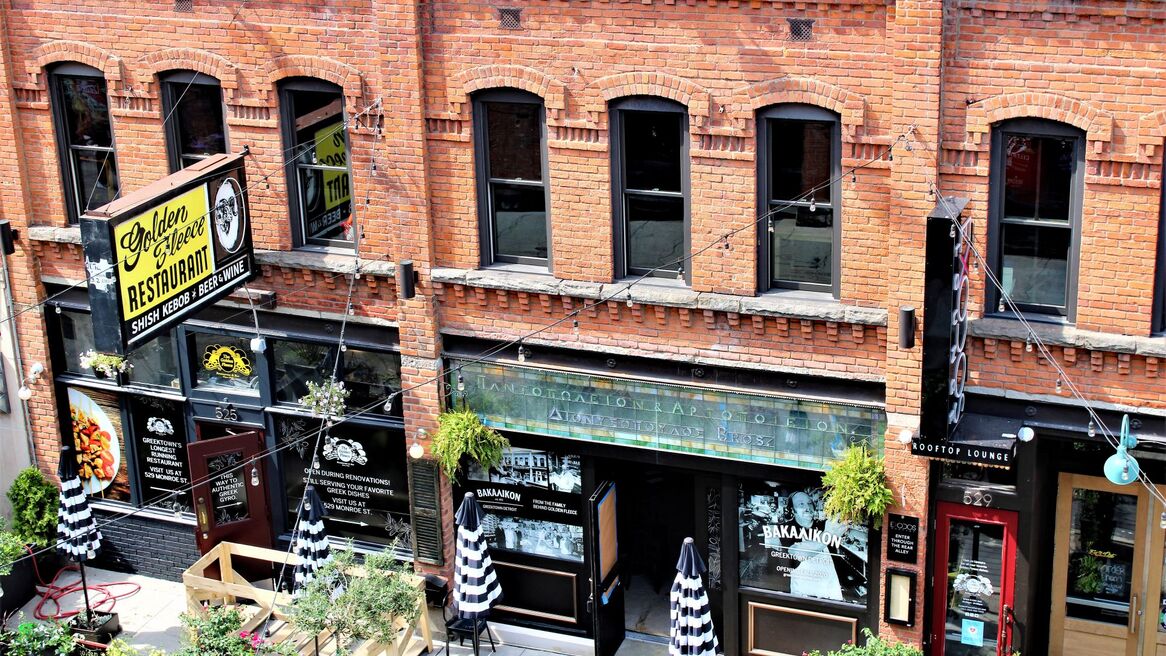
Greektown is right next to Downtown, and could be classed as Downtown’s nightlife district, known, especially, for its casinos, bakeries, and restaurants. But there are lots of clubs, bars and music venues too. As the name suggests, this is an area culturally influenced by its popularity with Greek immigrants; there are plenty of “tavernas”, some fantastic Greek bakeries, and some creative riffs on Greek cuisine. There’s a pronounced German influence too — before it was popular with Greek immigrants, the area was popular with German immigrants. These two strong cultural influences have mixed with other European cultures to make this a really colourful place to eat and wander around. Greektown isn’t very big, so accommodation is limited. There are a couple of large hotels, and a couple of grand ones.
Did you know? On Monroe Avenue, traditional Greek music plays almost all the time, adding to the atmosphere.
Discover our recommended hotels near Greektown
Explore more >
View all hotels in Greektown
Explore more >
Ideal for: city breaks, sightseeing, first-time visitors, families, art lovers
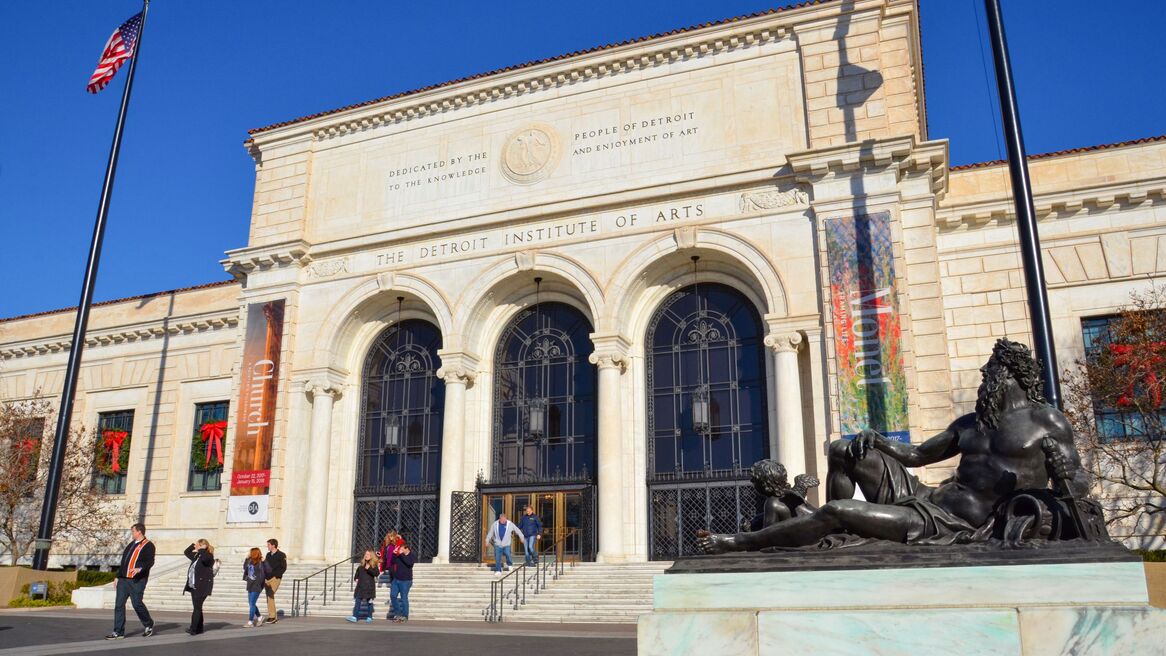
Just as walkable as Downtown, but not quite so touristy, Midtown has a clear residential side: it has practical things like laundromats, grocery stores, pharmacies and hardware stores, as well as universities, while also having some of Detroit’s big-name museums and galleries. The list includes the Detroit Institute of Arts (home to murals by Diego Rivera); the Museum of Contemporary Art, Detroit; the Detroit Historical Museum; the Michigan Science Centre; the Simone DeSousa Gallery and the Charles H. Wright Museum of African American History. This is also where you’ll find the Orchestra Hall. The neighbourhood was carefully designed when it was planned, with a focus on aesthetics, so there are some graceful Beaux-Arts and Renaissance-style buildings, as well as well-placed parks and gardens. Cass Avenue is a good place to start exploring; it’s an elegant street, with historic architecture, a good range of places to eat and drink (global cuisine is big here), great shopping opportunities (think cute boutiques and independent galleries alongside the larger brands), and an entertainment strip. Keep an eye out for street art and an array of fantastic coffee shops.
Did you know? Midtown's West Canfield Street was one of the original planned neighbourhoods, and is where you'll find some of Detroit's best preserved Victorian houses.
Discover our recommended hotels near Midtown
Explore more >
View all hotels in Midtown
Explore more >
Ideal for: history lovers, sightseeing, foodies, night owls, shopping, hipsters
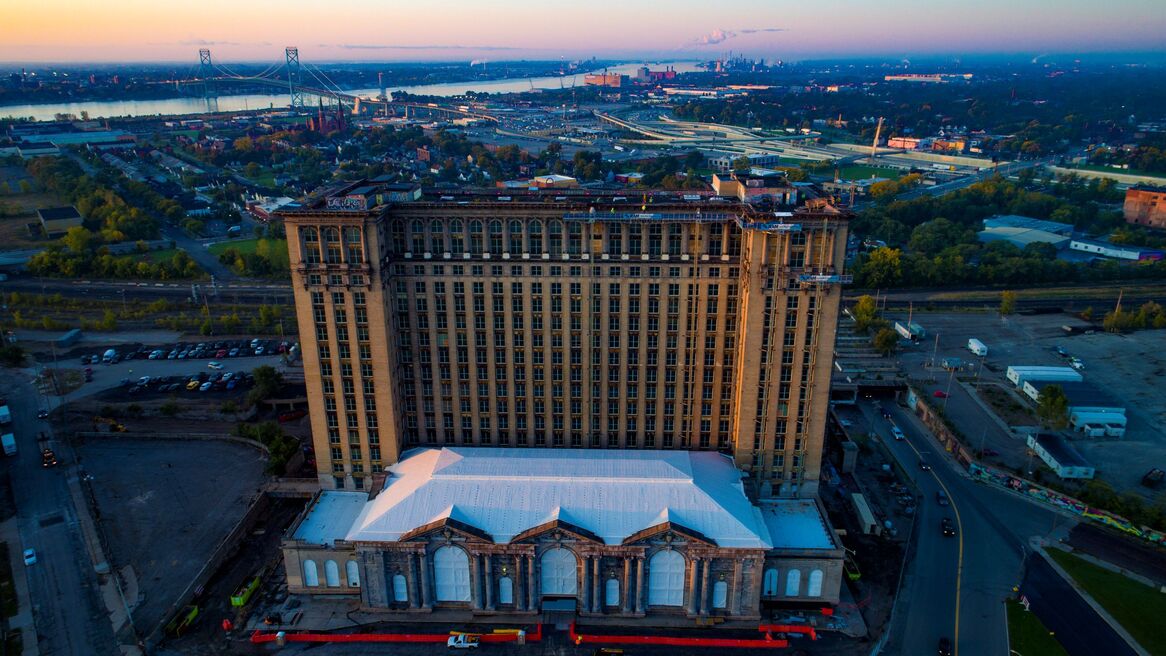
Settled by Irish immigrants around 1840, this is Detroit’s oldest neighbourhood, where you'll find Victorian architecture and cobblestone streets. Contemporary Corktown is certainly big on heritage, but is also quite hip. This has always been a great place for pubs and small breweries, but it’s got some super cool restaurants and bars now too, plus food trucks and record stores, and some exciting local boutiques and shopping opportunities. Corktown’s main attractions are Roosevelt Park and Michigan Central Station, a gorgeous Beaux-Arts landmark, which has been turned into a tech hub. Corktown is especially fun during the summer, when there’s a full calendar of street festivals, pop-up food truck marketplaces and a lively outdoor scene.
Did you know? Unsurprisingly, Corktown hosts the largest St. Patrick's Day parade in Detroit — the neighbourhood was named after County Cork by early Irish immigrants.
Discover our recommended hotels near Corktown
Explore more >
View all hotels in Corktown
Explore more >
Ideal for: relaxed breaks, history lovers, sightseeing, luxury lovers, families
Indian Village is a particularly elegant, historic neighbourhood, just three miles from Downtown Detroit. Its wide, tree-lined streets are where you’ll find some of the most beautiful mansions in Detroit, many of them built by the early owners of automobile companies. Tastes varied, so while most of the mansions are around a hundred years old, they’re built in 17 distinct styles, including Tudor, Renaissance, Colonial Revival, and Arts and Crafts. There are around 350 mansions to see, plus a couple of churches and some beautiful gardens, so it’s a fascinating (and safe) area to stroll around. As you might imagine, there are limited accommodation options in Indian Village, but for those who love this sort of thing, it’s a fantastic and unique place to stay.
Did you know? Despite the name, no Native American tribes ever lived on this land; the name comes from the street names used by the early property developers.
Discover our recommended hotels near Indian Village
Explore more >
View all hotels in Indian Village
Explore more >
Ideal for: foodies, shopping, hipsters, art lovers, night owls
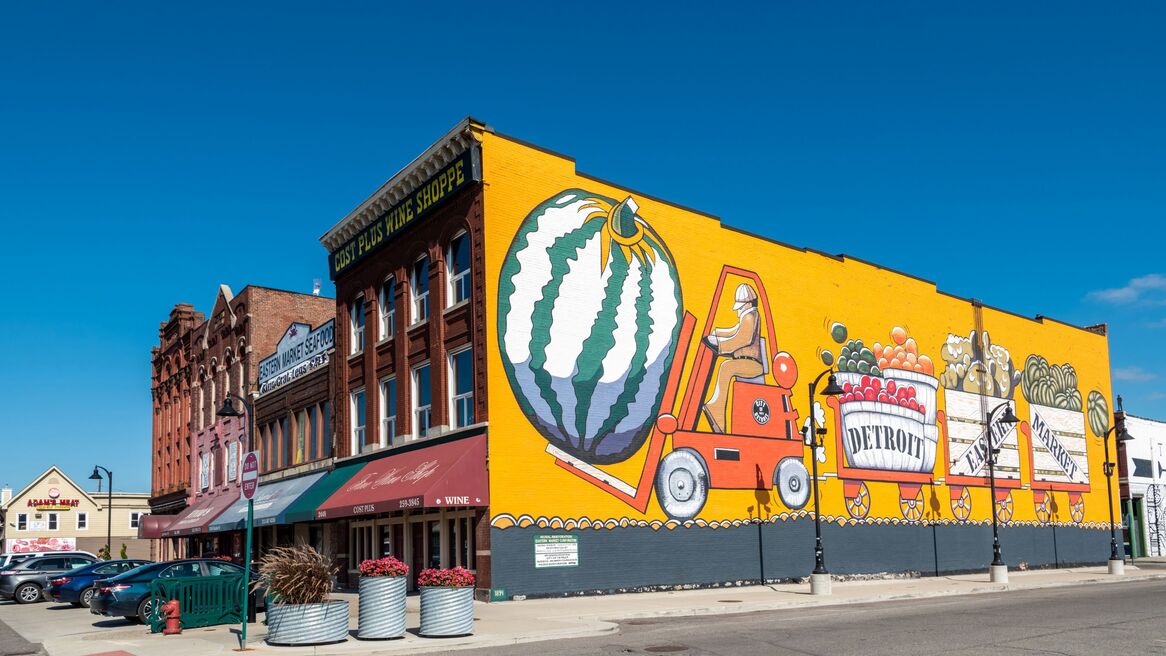
Eastern Market is one of the oldest daily public markets in the US. It’s been sustaining locals for more than a hundred years, and while now it’s quite chi chi, you can still find the basics here too. On most days you’ll get some entertainment thrown in too. There’s a lively calendar of market events: Sunday street fairs and night markets, for example. The Eastern Market neighbourhood surrounds the main market buildings, which is where you'll come across the breweries, distilleries, and warehouses which have been converted into cooler things, including antique and vintage marketplaces. There’s a fantastic restaurant and bar scene too, and a thriving gallery and performing arts scene. Eastern Market is a great place for spotting murals and street art.
Did you know? Before this was a vast market, the land was a cemetery... 3,000 graves were relocated, but there are some which are still beneath the market... yes, there are market ghost tours...
Discover our recommended hotels near Eastern Market
Explore more >
View all hotels in Eastern Market
Explore more >
Ideal for: relaxed breaks, families, living like a local, foodies, longer stays
 By Flickr user Jessica Sheridan
West Village is actually on Detroit’s east side! It is next door to Indian Village, but is much more modest in its architecture, with grand apartment buildings, townhouses in neat, joined-up rows, and charming retail strips. These small retail zones are one of the reasons that West Village is up-and-coming again: the sort of trendy boutiques, cafes, bars and restaurants that can afford this area are the sort the hipsters want to live close to, and this has become a cool neighbourhood that packs much more in the way of dining options than its size suggests. West Village is walkable, and relatively central for visitors. There’s not a huge range of accommodation, but there are some great aparthotels and boutique picks.
Did you know? The district is named because it's west of Indian Village... but it is actually on Detroit's east side!
Discover our recommended hotels near West Village
Explore more >
View all hotels in West Village
Explore more >
Ideal for: architecture lovers, relaxed breaks, unusual bases
 By Flickr user terencechisholm
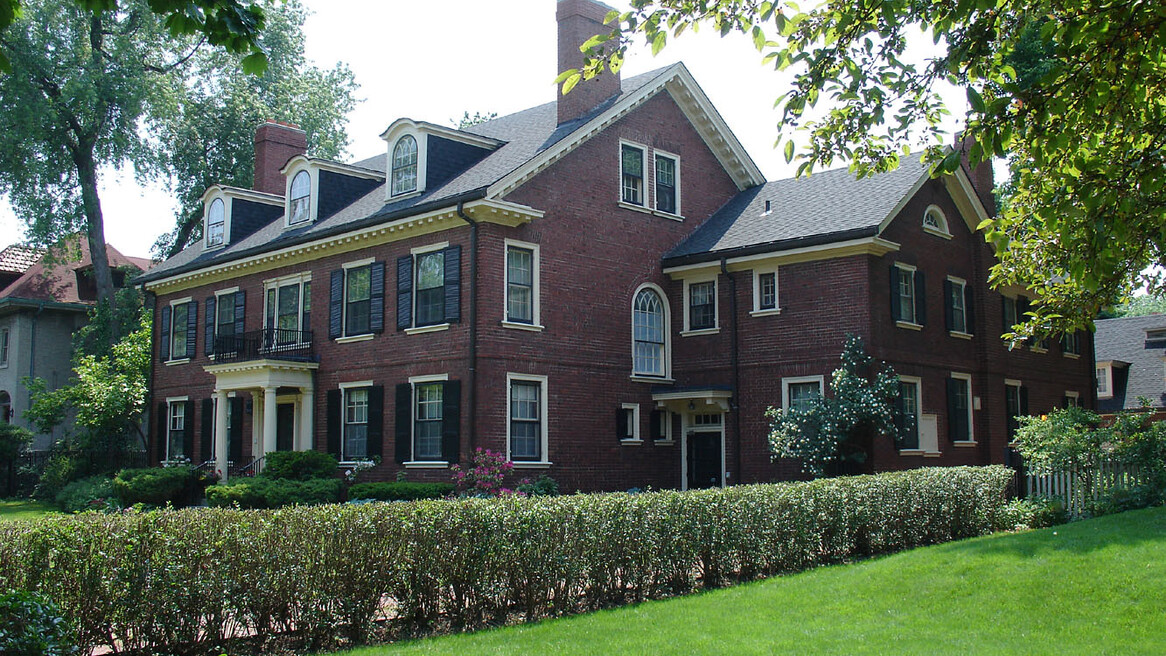
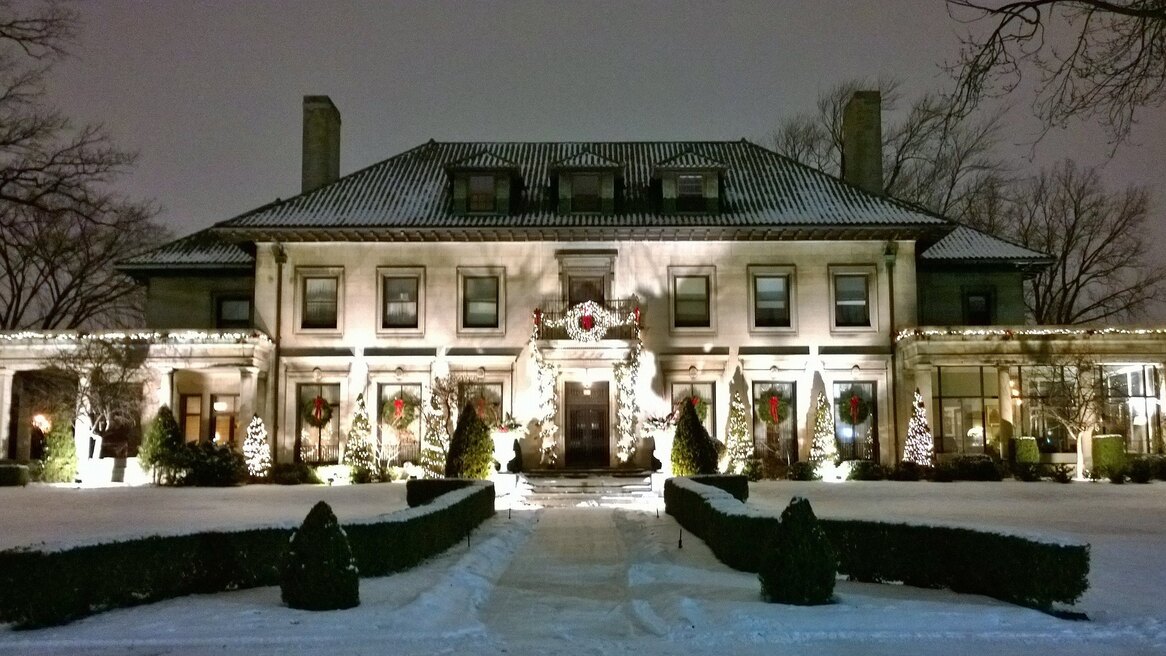
Boston-Edison is like Indian Village in the country. Of course it’s not really in the countryside now, but this neighbourhood, and its collection of around 900 impressive mansions, is where many wealthy local people built their grand estates when this was still a bit out-of-town. The majority of the homes were built between 1905 and 1925, and belonged to people such as Henry Ford, Berry Gordy Jnr, and boxer Joe Louis. The ‘rules’ of the neighbourhood were that all homes had to be at least 30 feet from the street, and there was no zoning permission for restaurants, cafes, bars or shops. This has altered somewhat, but there are still a very limited number of businesses and lots of homes.
Did you know? The houses of Boston-Edison range in size from two-bedroom Arts and Crafts style properties, to 15,000-square-foot mansions.