
With the sea and famous fjords in front, and mountains behind, cool compact Oslo is a fantastic choice for a city break. Culturally rich, with memorable food and architecture (especially statuary), Oslo is very often referred to as ‘thriving’. It is expensive, but really worth it.
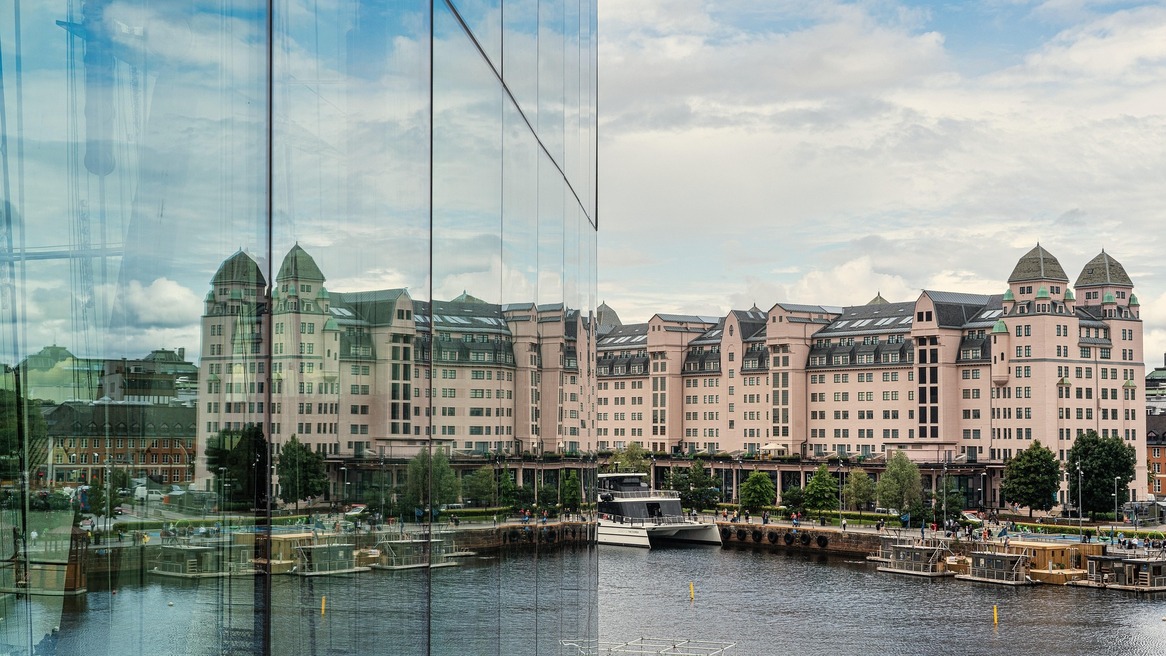
Sentrum, or the City Centre, isright in the heart of Oslo, between the Central Station and the fjord, encompassing most of Oslo’s historic architecture. Bjørvika is the eastern neighbourhood of Sentrum, between some of the oldest parts of town and the Akershus Fortress, and is an industrial port area turned cool neighbourhood. This is a good base for fans of contemporary art and architecture, fine dining, and water — you can swim in the fjord here. Aker Brygge is the other redeveloped harbour space, now known for its canal and marina.
Grünerløkka is to the north-east of Sentrum, and is considered cool. This is the place to stay if you want to drink coffee with hipster locals, shop for vintage and locally produced treasures, and spend your evenings out. Frogner is a high-end residential neighbourhood, but a great place to stay if you’re here with your family or appreciate the finer things. Nordstrand is another high-end residential neighbourhood, but this time with views and a beach too. The Holmenkollen area sits on the hill behind Oslo, and boasts views, ski jumping facilities, and a vast park filled with trails.
Ideal for: city breaks, sightseeing, shopping, families
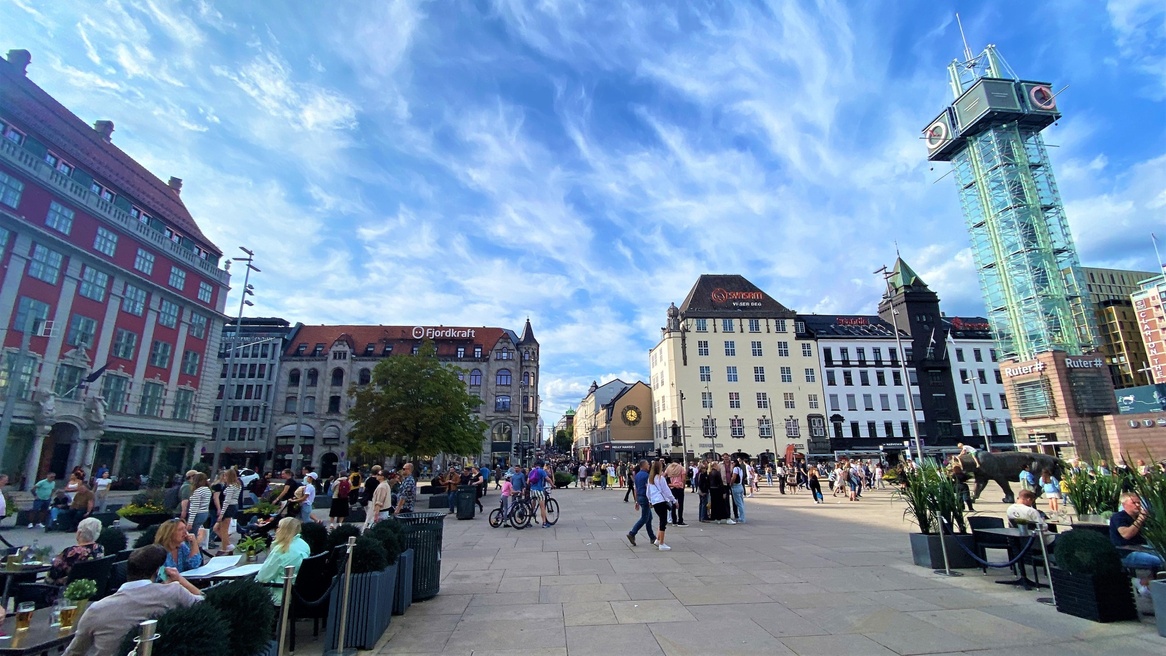
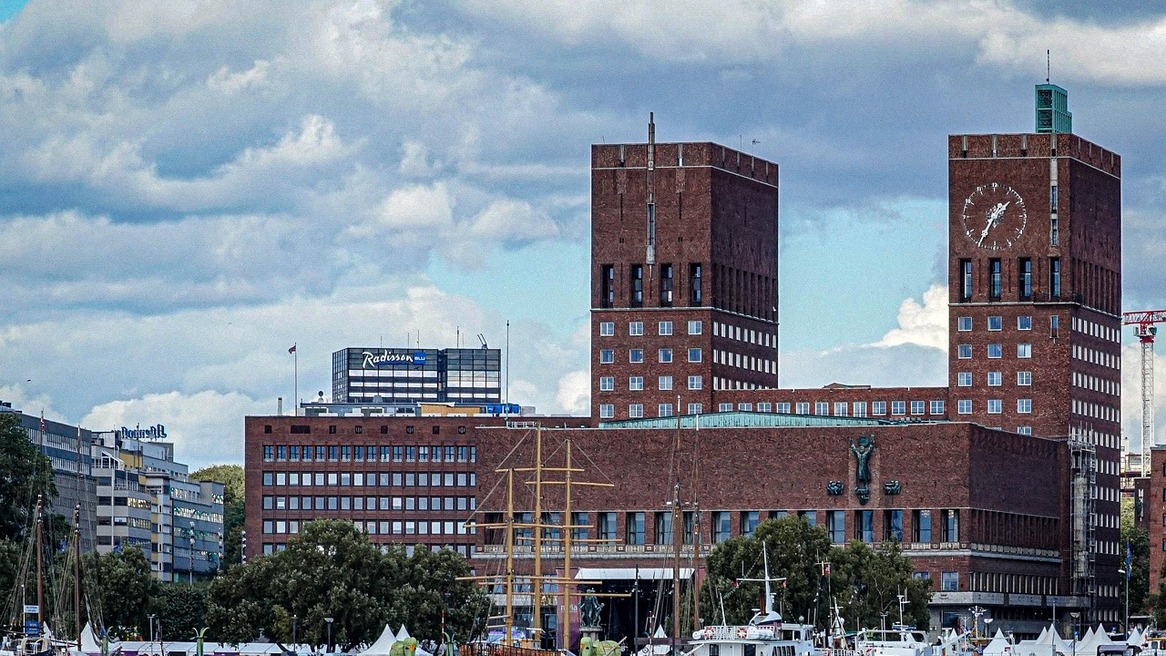
Oslo’s City Centre is an obvious choice if you’re asking “Where should I stay in Oslo?”, but it’s a collection of smaller neighbourhoods rather than one big one, and they all have their own appeals. All of the Sentrum neighbourhoods are super central, and within a very pleasant walk to numerous main sights and attractions. That said, Kvadraturen is one of the oldest parts of the city, with some of the most historic architecture laid out over an old street grid. There are numerous museums and galleries in this neighbourhood too. Torggata is the fashionable aera close to Torggata street, which is known for its boutiques, bars and restaurants. Tullinløkka is in Sentrum’s north, close to the Royal Palace Park — this is a great district for foodies and vintage shoppers. Considering how central the area is, there are some very affordable accommodation options…
Did you know? Oslo used to be called Christiania? First it was Oslo, and then rebranded Christiania, after King Christian IV of Denmark and Norway paid for much of the city's rebuilding after a catastrophic fire in 1624.
Discover our recommended hotels near Sentrum Oslo
Explore more >
View all hotels in Sentrum, Oslo
Explore more >
Ideal for: water views, city breaks, sightseeing, families
Aker Brygge has been undergoing regeneration from its original maritime industrial roots since the 1980s and '90s, and it’s now well and truly converted! Today it’s a destination for shoppers and diners, with theatres and cinemas, Oslo’s largest comedy club, all sorts of venues, and lively nightlife. Aker Brygge’s architecture is worth noting; there are some exciting new buildings, but the way the old shipping warehouses and yards have been converted really makes the neighbourhood a memorable place to stay. Along with the marina, ferry terminal for Nesodden ferries, and the bridge to Tjuvolmen, Aker Brygge has a contemporary art museum.
Did you know? You can swim in the fjord off Aker Brygge, and follow it up with a sauna on a floating sauna.
Discover our recommended hotels near Aker Brygge
Explore more >
View all hotels in Aker Brygge
Explore more >
Ideal for: outdoors folks, walkers, families, a relaxed holiday
 By Photo: Chris Nyborg, June 2005 - Own work, CC BY-SA 3.0
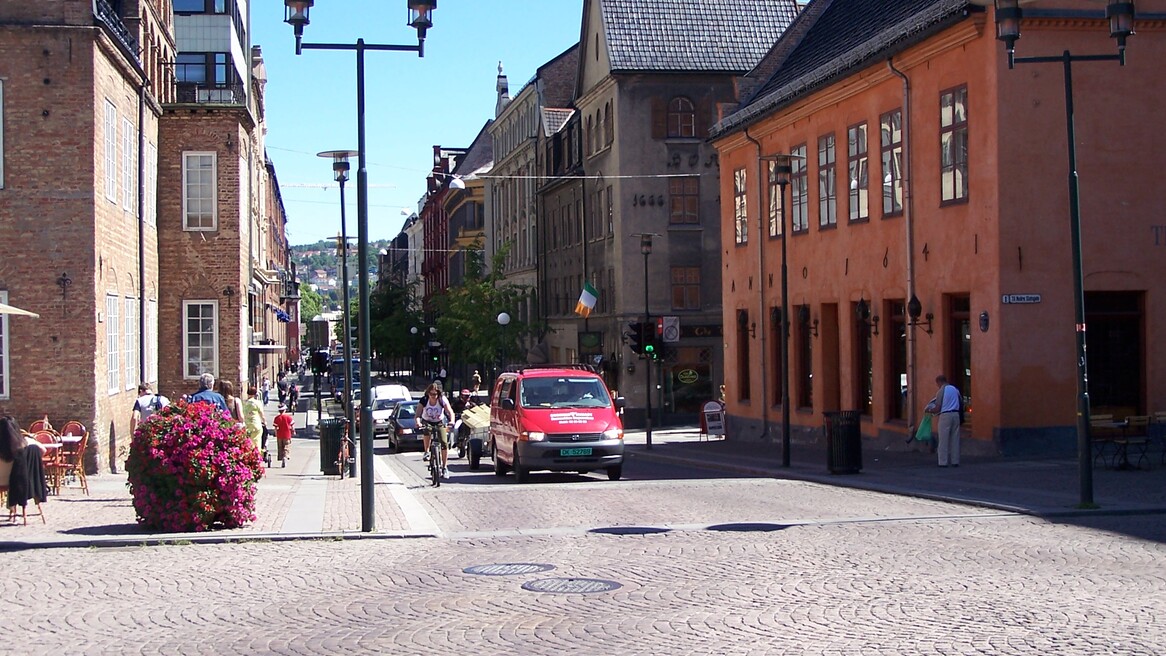
Nordstrand and Gamle Oslo are well-to-do residential neighbourhoods in Oslo’s south, with a bit of altitude, wooded areas, and wonderful views of the Oslofjord and its long coastline. These are lovely, peaceful neighbourhoods to live in, and lots of people do, so there’s a residential feel to any stay here. People love it because of its proximity to the fjord and its beach, and because of the green space and nature trails running through it. But, of course, there are still plenty of wonderful places to eat and drink here, and it’s a culturally rich neighbourhood, with numerous small theatres and galleries.
Did you know? Despite Nordstrand having a literal translation as 'north beach'. Nordstrand is actually in Oslo's south...
Discover our recommended hotels near Nordstrand & Gamle Oslo
Explore more >
View all hotels in Nordstrand & Gamle Oslo
Explore more >
Ideal for: sightseeing, couples, relaxed breaks, foodies, luxury lovers, history lovers
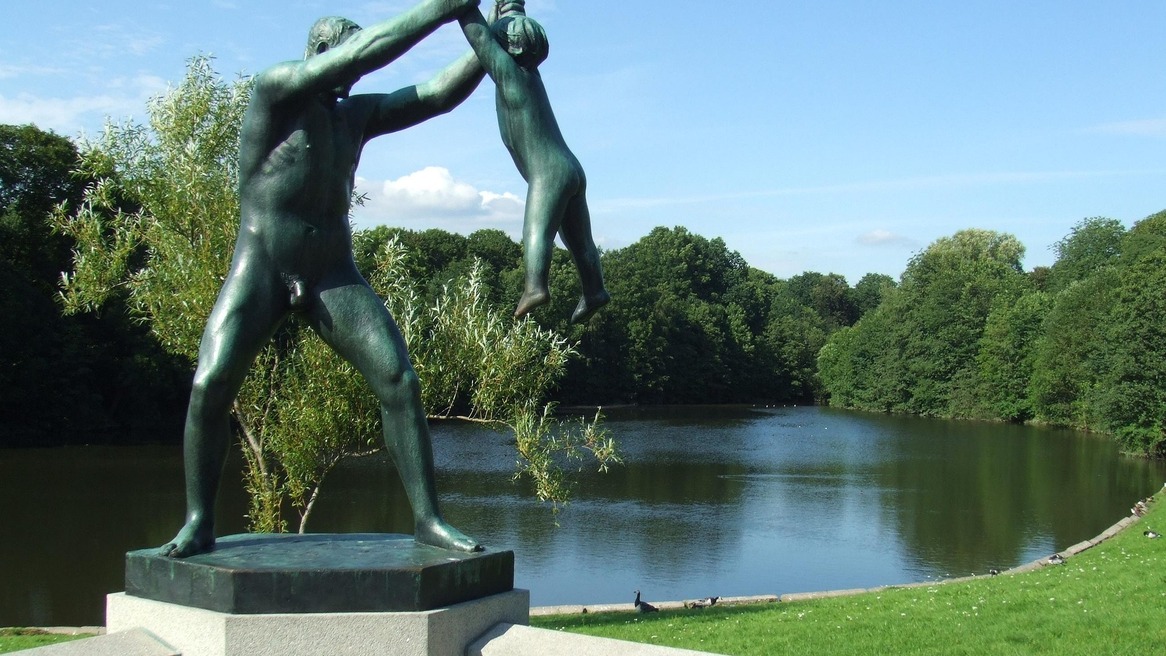
Frogner is another more peaceful residential neighbourhood, named for the local manor, Frogner Manor, which has a huge park surrounding it. This is a very desirable neighbourhood to stay in or live in: Frogner has the highest real estate prices in Norway and some of the best-regarded restaurants in Oslo. Frogner Manor has been turned into the Oslo City Museum, and the park hosts the Vigeland Sculpture Park, which is really something! This neighbourhood also houses the Viking Ship Museum, the Kon-Tiki Museum, and Fram, which is the ship Roald Amundsen used on his Antarctic expedition; they’re on the Bygdøy peninsula.
Did you know? Vigeland Sculpture Park is the largest single artist sculpture park in the world. Gustav Vigeland is responsible for the whole thing.
Discover our recommended hotels near Frogner
Explore more >
View all hotels in Frogner
Explore more >
Ideal for: winter sports, active breaks, walkers and hikers, skiing
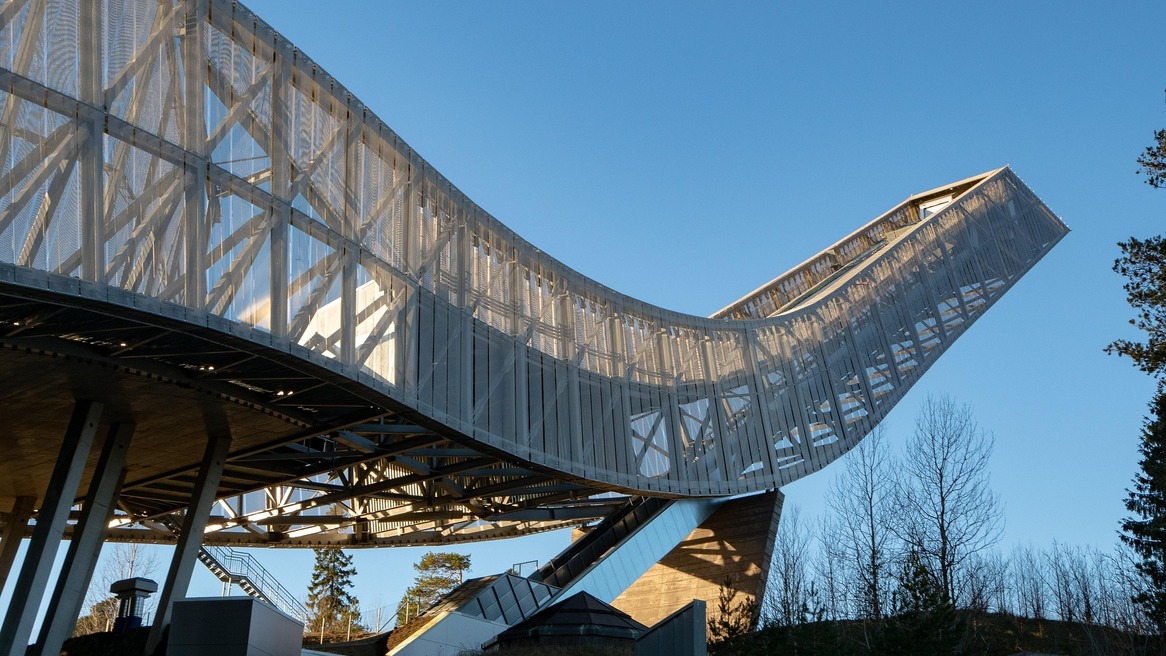
Holmenkollen is probably best known for its ski jump facilities; it’s quite a niche thing to have in a capital city, and Oslo really celebrates it! It also has a Ski Museum. You can see Holmenkollen rising out of Oslo’s north west side, about 25 minutes away from Sentrum by metro: it’s a hill with a peak 500 metres above sea level. Just beyond Holmenkollen is the Nordmarka park, which is a popular spot for hiking in summer, or cross-country skiing in winter. As well as outdoorsfolk, Holmenkollen attracts conference crowds, and has some really, really big hotels. So it can be a great value option if they’re light on conferences!
Did you know? The very first ski jumping competition in Holmenkollen took place in 1892, in front of a crowd of 12,000 people.
Discover our recommended hotels near Holmenkollen
Explore more >
View all hotels in Holmenkollen
Explore more >
Ideal for: hipsters, nightlife, shopping
 By Øyvind Holmstad - Own work, CC BY-SA 4.0
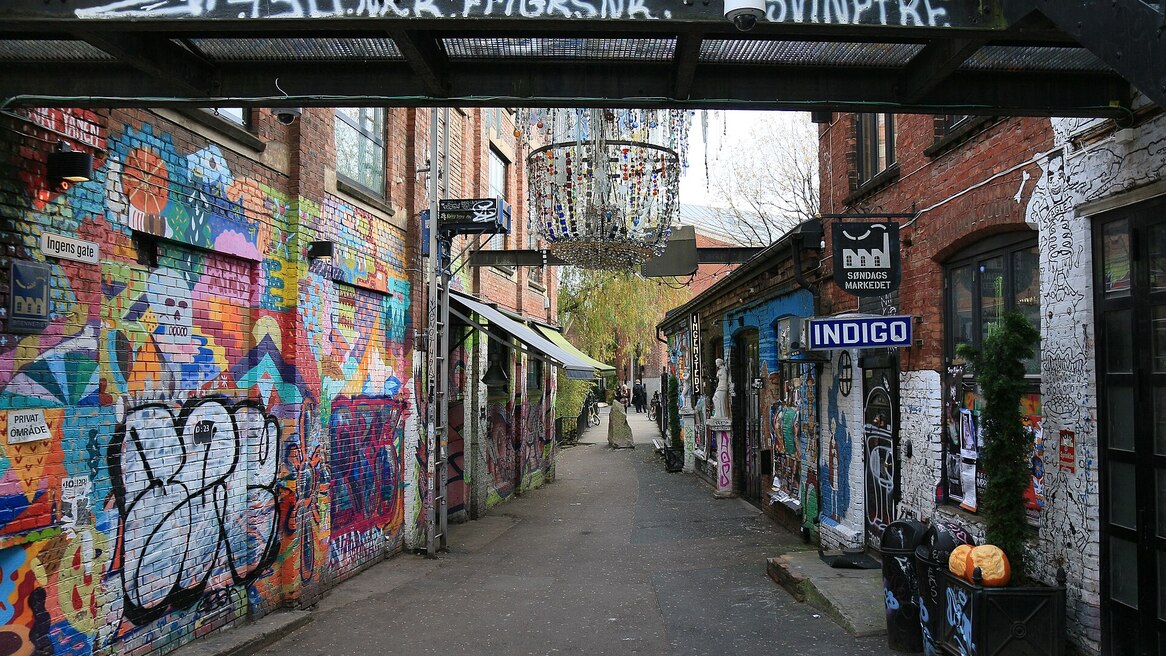
The Grünerløkka neighbourhood is one of Oslo’s coolest: arty, diverse and a bit countercultural, but in a friendly, lots-of-coffee-shops, boutiques and restaurants kind of way. The boutiques are local and specialist, though, with a smattering of vintage, and the cafes and restaurants are great for exciting fusions. Grünerløkka’s western boundary is the Akerselva river, and walking along the path here is a lovely introduction to the neighbourhood; the route takes you through parks and a fantastic food market, as well as past the old factories and signs of the neighbourhood’s industrial past. This is also a good way to spot some of the street art Grünerløkka is well known for. It’s only about 15 minutes walk to Grünerløkka from Oslo’s Central Station, so this is a central place to stay. Even if you don’t stay here, swing by on a Sunday for the market in Birkelunden Square.
Did you know? Grünerløkka is where Edvard Munch grew up.