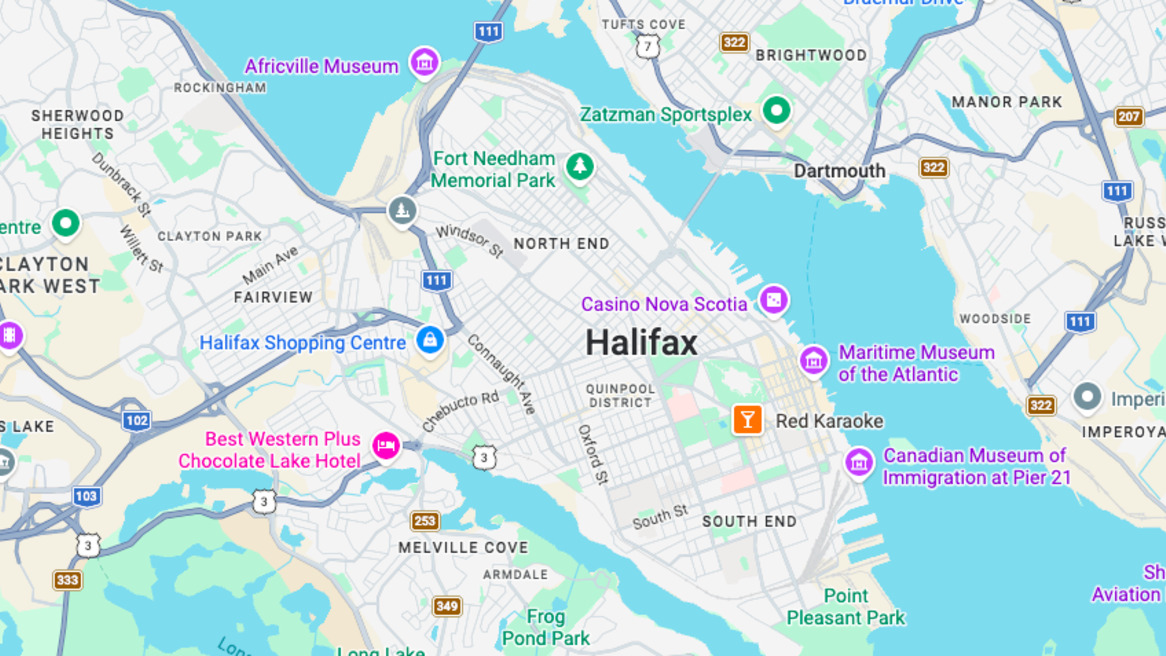

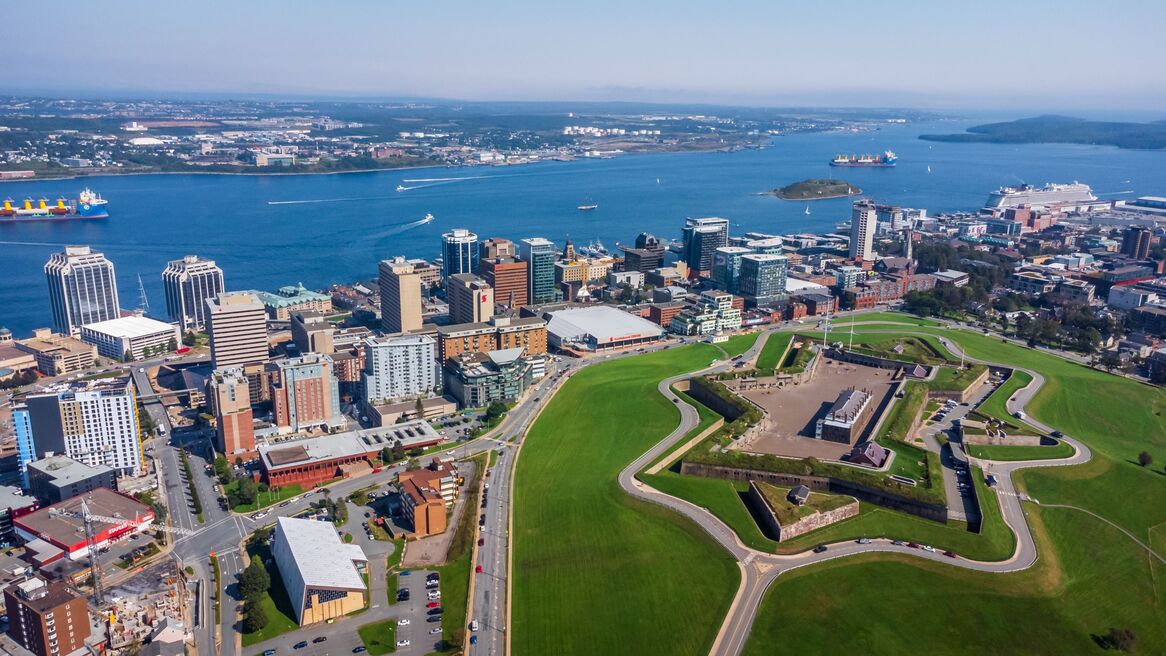
Halifax is a lively harbour city in Nova Scotia, with a laid-back Atlantic feel, where maritime history and a buzzing food and drink scene go hand in hand. Stroll the waterfront, climb up to the Citadel for harbour views, browse museums and historic streets, or hop on the ferry to Dartmouth. And don’t leave without trying a Halifax donair – the city’s official food (a kebab made with spiced, seasoned beef cooked on a vertical spit).
Downtown & the Waterfront are the easiest choices for first-time visitors, putting you close to the Citadel, museums, restaurants and the long harbour boardwalk, with everything from smart waterfront hotels to family-friendly stays. For a more local feel, North End & Hydrostone has independent cafes, breweries, restaurants and colourful streets, with a handful of boutique-style hotels nearby. South End is leafier and quieter, with Victorian houses, Point Pleasant Park and the universities; it's a good bet if you prefer a more residential base. Across the harbour, Dartmouth has its own relaxed food and drink scene, waterfront walks and excellent skyline views, plus generally more affordable accommodation. Halifax is easy to explore on foot, although it’s hilly, while the ferry makes it super simple to hop across the harbour to Dartmouth.
Ideal for: City sightseeing, harbour walks, maritime history, seafood dining
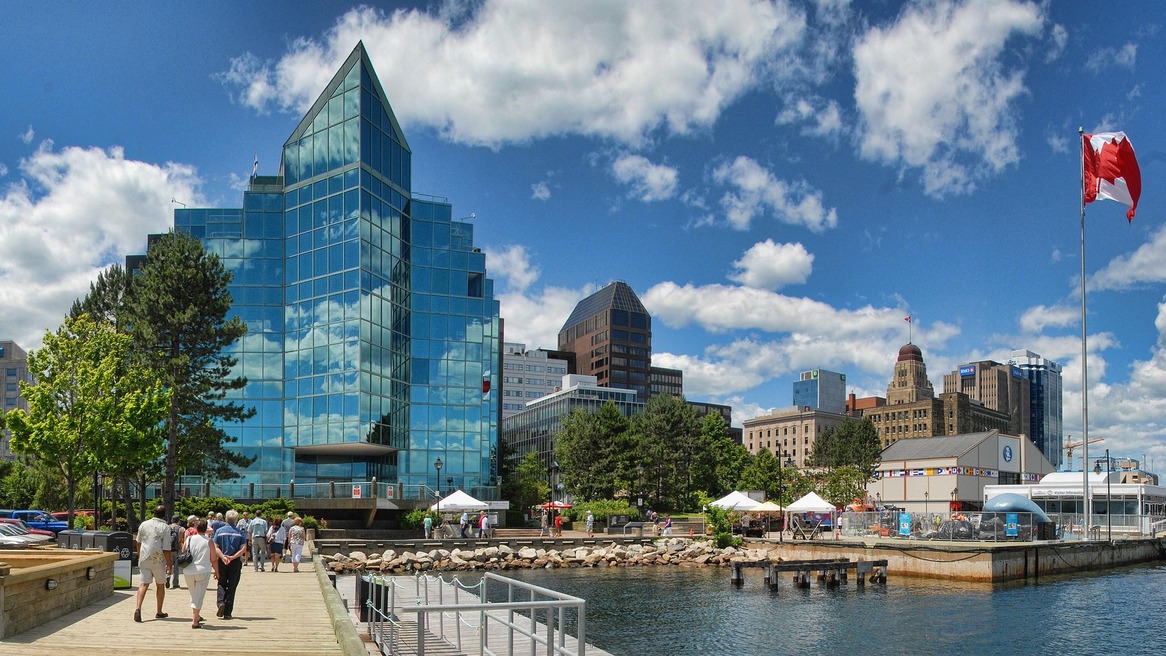
Downtown & Waterfront is the best base for first-time visitors who want to see Halifax’s main sights without spending too much time getting around. The city’s famous waterfront boardwalk runs past historic ships, restaurants and the harbour, while the nearby Halifax Citadel, Maritime Museum and Grand Parade bring plenty of history and culture. It’s also the liveliest area for eating, drinking and evening entertainment, with the biggest choice of hotels, from smart waterfront stays to more affordable city centre options.
Did you know? Halifax’s famous waterfront is home to the Old Town Clock, one of the city’s best-known landmarks. Built in 1803, it was commissioned by Prince Edward, Duke of Kent, to keep the soldiers stationed at the Citadel punctual.
Discover our recommended hotels near Downtown & Waterfront
Explore more >
View all hotels in Downtown & Waterfront
Explore more >
Ideal for: University life, park walks, green spaces, historic homes, quiet stays
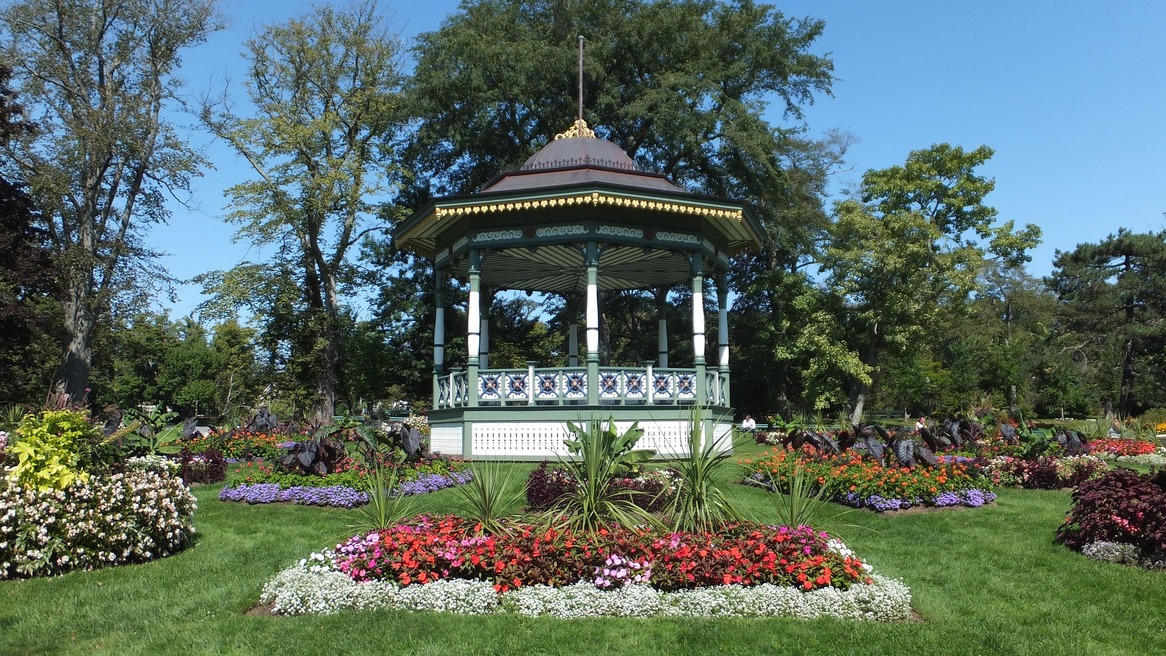
South End is a good choice for travellers who prefer a quieter, greener side of Halifax while still being within easy reach of the centre. This leafy neighbourhood is known for its grand Victorian houses, universities and Point Pleasant Park, where woodland trails lead to coastal views and historic ruins. There’s a relaxed mix of cafes, restaurants and local shops, while the area’s smaller hotels and B&Bs suit couples and independent travellers looking for a more residential feel. It’s also a handy base for families who want some breathing space from the busy waterfront.
Did you know? South End’s Point Pleasant Park has a Shakespeare connection: it runs an annual "Shakespeare-by-the-sea" event in July and August, which includes everything from performances of plays to summer camps and classes.
Discover our recommended hotels near South End
Explore more >
View all hotels in South End
Explore more >
Ideal for: Foodie breaks, craft beer, local shopping, independent cafes

North End & Hydrostone is ideal for those who want to experience Halifax beyond the main tourist sights. The area is known for its independent cafes, craft breweries, restaurants and small shops, with the Hydrostone Market providing a lovely spot to wander, eat and browse. It’s a good fit for foodies, couples and visitors who prefer a neighbourhood feel, with a more relaxed atmosphere than Downtown. You'll find a few stylish boutique hotels and guesthouses, although accommodation is more limited than in the city centre.
Did you know? The Hydrostone was built after the 1917 Halifax Explosion, which devastated much of the North End. Designed as a planned garden suburb, its distinctive rows of stone homes were intended to provide better quality housing for families who had lost their homes in the disaster.
Discover our recommended hotels near North End & Hydrostone
Explore more >
View all hotels in North End & Hydrostone
Explore more >
Ideal for: Ferry rides, harbour views, lake walks, craft breweries, foodie breaks
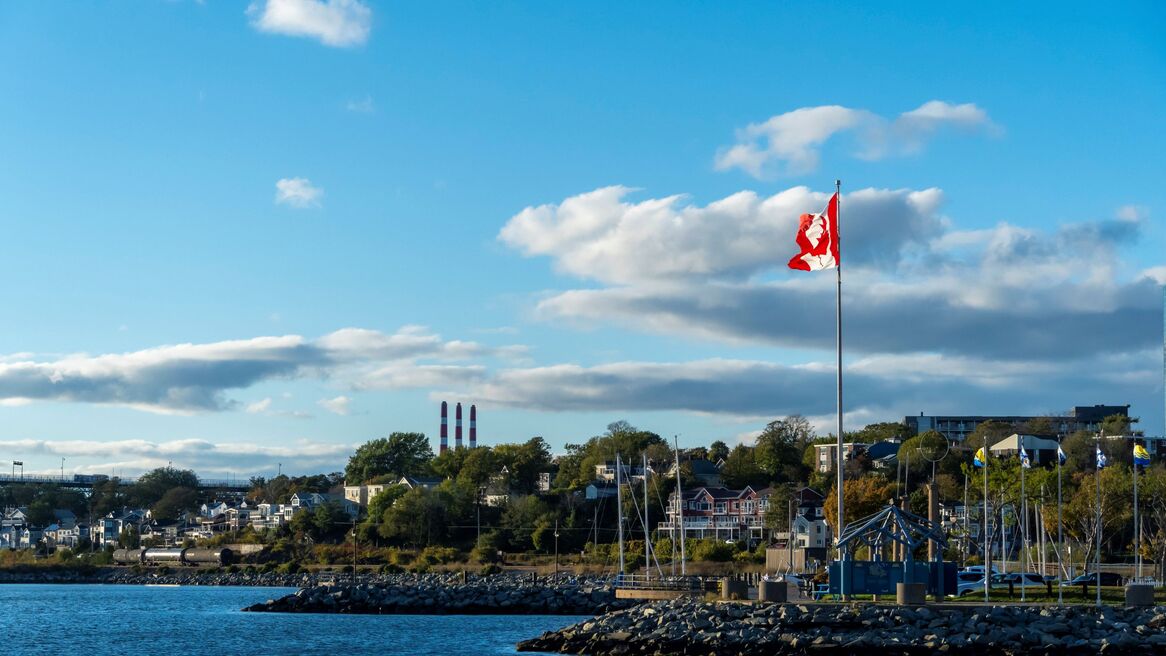
Across the harbour from Halifax, Dartmouth feels more like a laid-back waterfront town than part of a city. It’s particularly appealing to couples, families and repeat visitors who want somewhere quieter. The harbourfront, Dartmouth Common and a string of lakes and walking trails are all close by. The waterfront is lined with cafes, restaurants and breweries, while the short ferry ride to Downtown Halifax makes sightseeing easy. There’s a good selection of smaller hotels and guesthouses, too, making Dartmouth a handy alternative if you’d rather stay away from the busier city centre.
Did you know? Dartmouth is known as the “City of Lakes”, with more than 20 lakes within its boundaries. Lake Banook, right near Downtown Dartmouth, has even hosted international canoe and kayak racing events.