
 Image by Craig Wealand from Pixabay
Buenos Aires is one of the most exciting cities in South America, a destination of historic sights on elegant boulevards, cosmopolitan eateries, invitingly lively wine bars, colourful street markets and opportunities to dance until dawn. Old but vibrant, Buenos Aires has plenty of neighbourhoods with personality, which actually makes it much easier to work out where you should stay. Broadly speaking, you have Retiro for historic sightseeing, Recoleta for romantic trips, San Telmo is fun and friendly, Palermo Soho has historic cool, Palermo Hollywood has the restaurants, Monserrat is culturally rich, and Centro and Puerto Madero are super central.
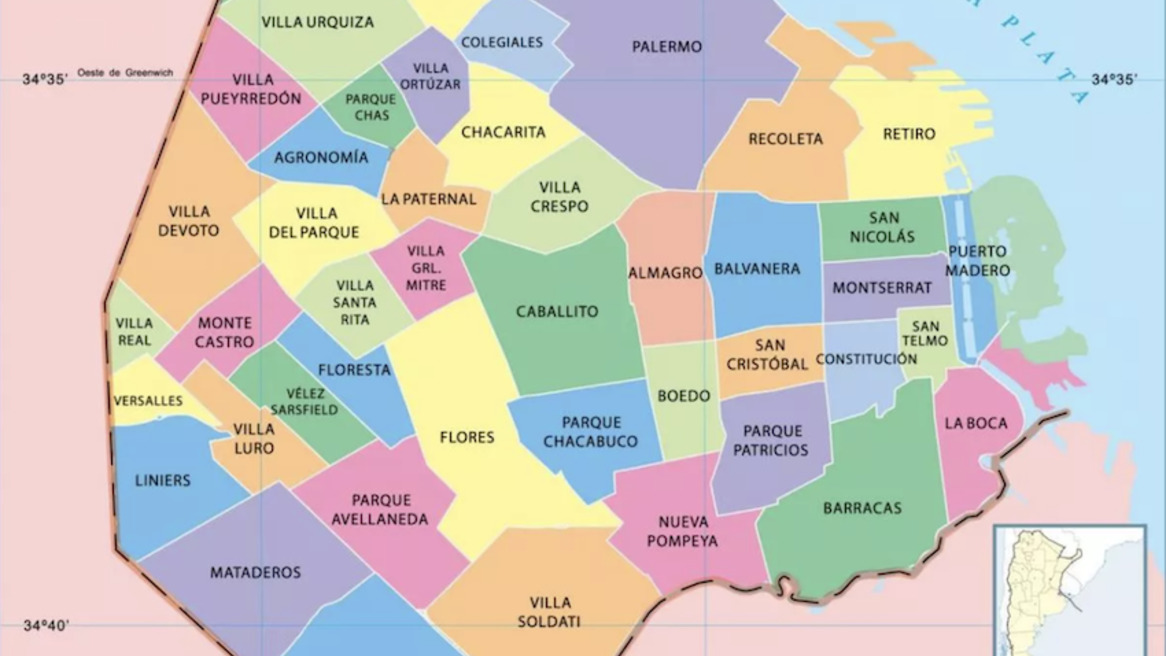 Map of Buenos Aires neighbourh
Recoleta is one of the most romantic parts of Buenos Aires. It could be because of its elegant Parisian-feeling architecture, or its graceful museums, galleries and theatres, which lend a cultural edge or the fantastic cafes, bars and restaurants the neighbourhood is known for. It may even be because of its famous cemetery, the Recoleta Cemetery, the final resting place of Buenos Aires icon Eva Perón. As well as the cemetery, Recoleta’s main sightseeing destinations are the National Fine Arts Museum, the National Library of Argentina, and the Recoleta Cultural Centre. This is a fantastic neighbourhood for smart cafes and boutiques, and colourful markets. It’s also a good place to experience tango, and it has some lovely parks and gardens, littered with statues. Some of Recoleta’s townhouses have been converted into boutique hotels or apartment hotels, but there are some high-end contemporary hotels here too.
Ideal for: City break, romantics, sightseeing, first-time visitors
Discover our recommended hotels near Recoleta
Explore more >
View all hotels in Recoleta
Explore more >
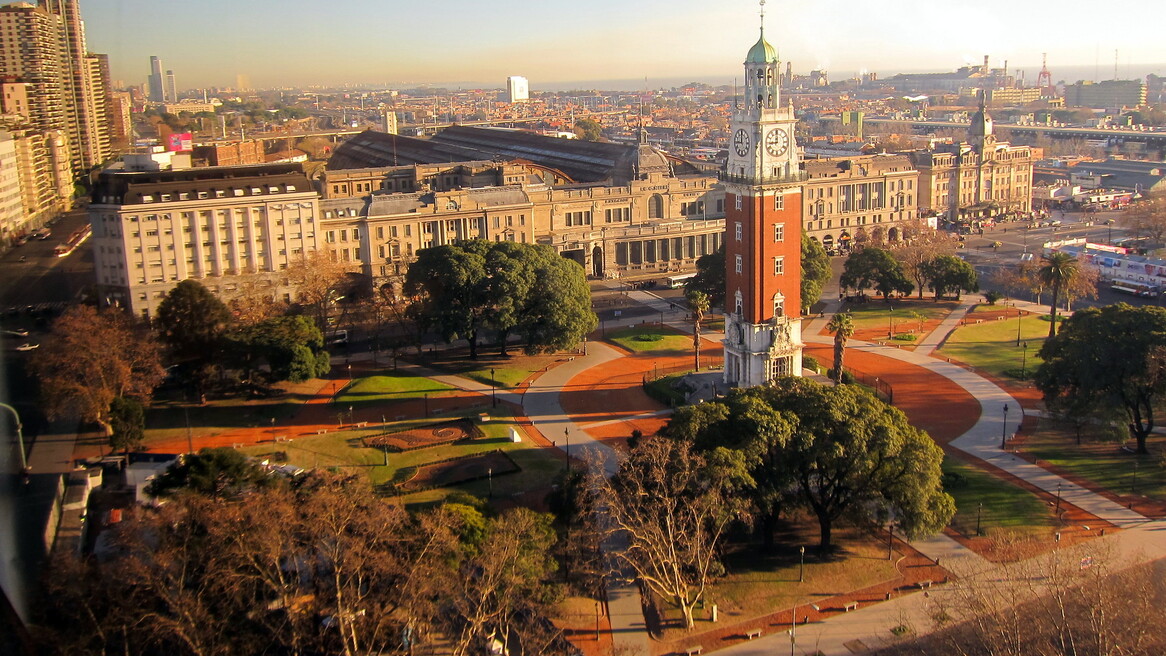
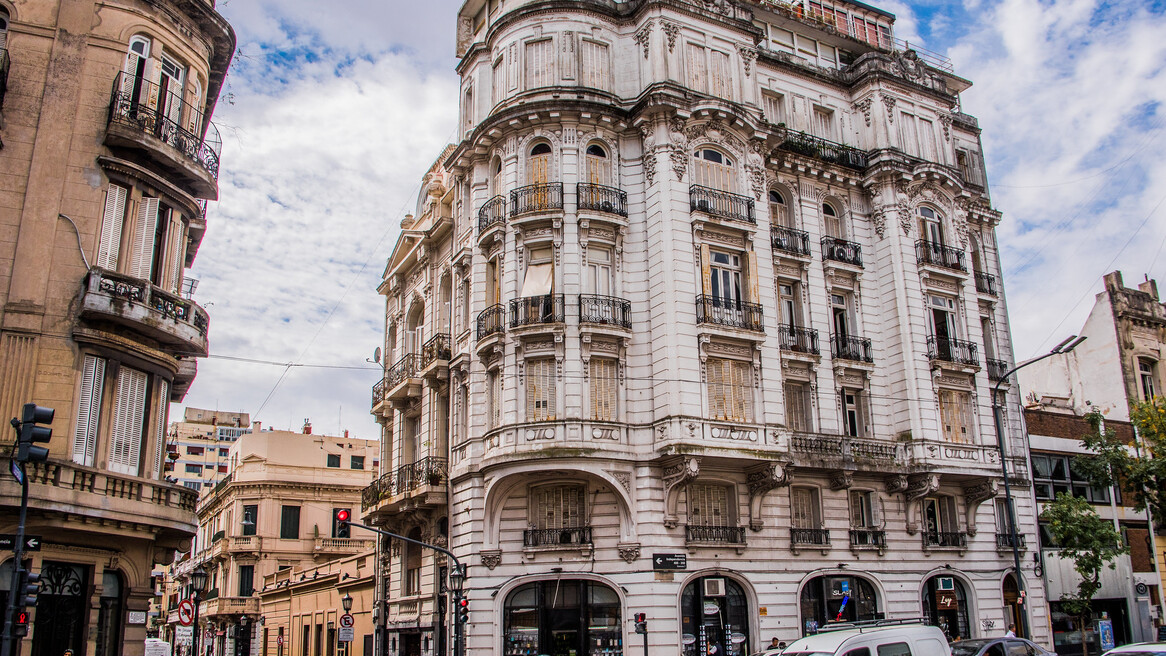
Recoleta’s neighbour, Retiro, is another historic barrio or neighbourhood, known for its old palaces and plazas, including the Palacio Paz and the elegantly leafy Plaza San Martín. This is another area of galleries, boutiques, and elegant cafes, bars and restaurants, many of them on graceful, flower-decorated boulevards. Retiro’s other major sights include the Torre Monumental, the San Martín Palace and the Kavanagh Building, an art deco skyscraper which was once the tallest building in Latin America. Those who opt to stay in Retiro will also have easy access to the city’s main train and bus stations. This is one of the wealthiest parts of the city, and a hub for five star hotels and luxurious accommodation, but there’s a good range, so don’t be put off. This is also a part of town known for its shopping opportunities: Patio Bullrich and Galerias Pacifico are both in Retiro.
Ideal for: City breaks, sightseeing, first-time visitors, short stays
 https://www.flickr.com/photos/time-to-look/
Buenos Aires’ historic charm continues in San Telmo, which is the city’s oldest neighbourhood. It's a bohemian barrio known for its colonial architecture, tango parlours and buzzing Sunday market. San Telmo is the place to come to admire artisanal jewellery, vintage clothes, leather goods and trinkets, all amidst a backdrop of music and a lively atmosphere. This is the sort of neighbourhood where music and dancing often spills out from the little bars and eateries onto the cobbled streets. The ‘Illuminated Block’ is the liveliest street in the area, but it’s also where to find many of the most historic buildings. Including the Argentine National Museum of History and the Buenos Aires Museum of Modern Art. San Telmo also has a number of lovely parks and gardens. The largest is Parque Lezama, which is close to the National History Museum and the San Telmo’s gorgeous Russian Orthodox church, and not far from the beautiful old Dominican convent. Tthere are loads and loads of places to eat, drink, and watch and partake in tango.
Ideal for: City breaks, sightseeing, tango enthusiasts, night owls
Discover our recommended hotels near San Telmo
Explore more >
View all hotels in San Telmo
Explore more >
 Flickr user Andrew Milligan Sumo
Palermo Hollywood and Palermo Soho are districts within the larger Palermo neighbourhood. They both have historic buildings and a cool vibe, but Palermo Hollywood is trendier, with better street art, hip kids revelling in quirky bars and chic eateries, and independent boutiques. This is where you’ll find some of Buenos Aires' best hip new restaurants and best nightlife. Palermo Hollywood has some super chic accommodation options, but these include wallet-friendly options too, and a good number of aparthotels. This is a neighbourhood for eating, drinking and having fun, rather than sightseeing, but you’re close to the flat market in Colegiales, and there are easy transport links to the city’s major sights. Palermo Hollywood is lively come the evening, but it’s relatively peaceful during the day.
Ideal for: Party people, hipsters, foodies
Discover our recommended hotels near Palermo Hollywood
Explore more >
View all hotels in Palermo Hollywood
Explore more >
 By Gervacio Rosales, CC BY 3.0
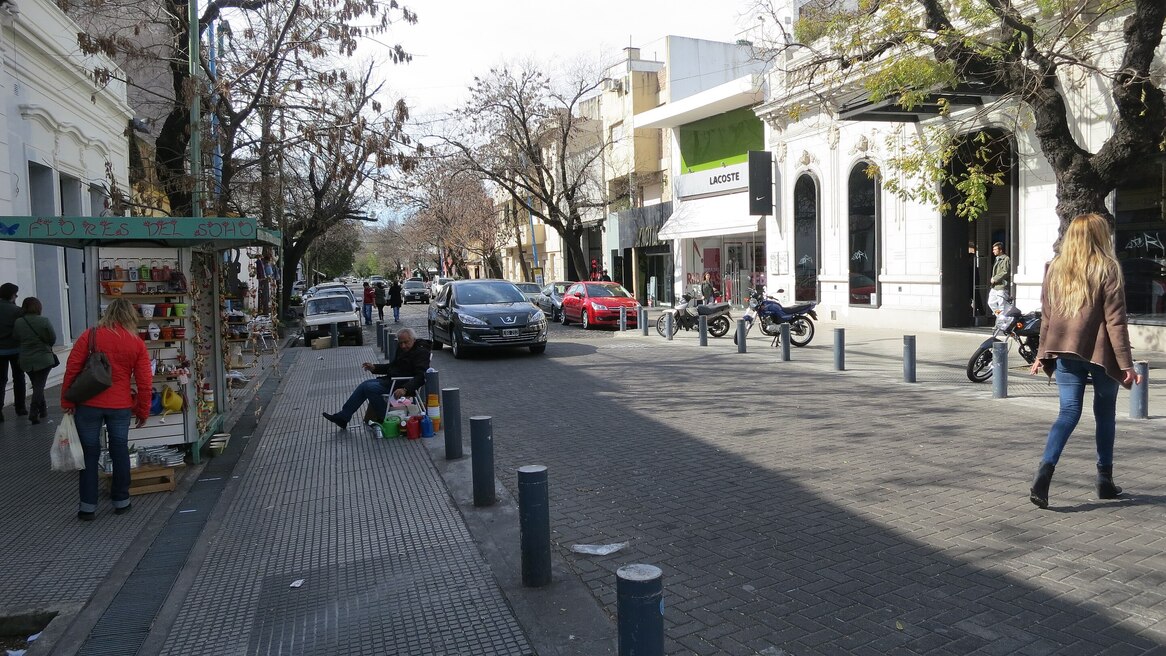
Palermo Soho has the cool vibe and heritage buildings of the wider area, but its speciality is actually the Buenos Aires of today! The cobbled, tree-lined streets are the fertile ground for new businesses to spring up — boutiques, eateries, and others. Palermo Soho is fresh and international, with a myriad of new cafes, bars and restaurants to try, places to shop, galleries to check out, and market stalls to peruse. The best shopping streets are Jorge Luis Borges, Malaria and Gurruchaga, while on the weekends, you can also browse the markets at Plaza Serrano and Plaza Armenia. While the area is fantastic for street food, if you want a classy meal, you can find that here too. The same can be said about the accommodation; there is a hotel here for all tastes and budgets.
Ideal for: Hipsters, design lovers, party people, great food and drink
Discover our recommended hotels near Palermo Soho
Explore more >
View all hotels in Palermo Soho
Explore more >
 Image by José Coriolano jcorifjr from Pixabay
The Monserrat neighbourhood is just to the east of the centre, and has some of the most important buildings in Buenos Aires, including the Casa Rosada, which sits on one edge of the Plaza de Mayo. Alongside the Casa Rosada are Buenos Aires’ City Hall, the Ministry of Defence, Buenos Aires’ oldest church, and the Museo del Bicentenario. This is one of the oldest neighbourhoods in the city, but proximity to the centre of town, and the presence of so many significant public buildings means that it does have a business vibe. However, it really comes to life after work, when the many cafes, bars and restaurants fill up with locals as well as visitors. There are plenty of accommodation choices in Monserrat, including some big old grande dame hotels.
Ideal for: City breaks, museum visitors, families
Discover our recommended hotels near Monserrat
Explore more >
View all hotels in Monserrat
Explore more >
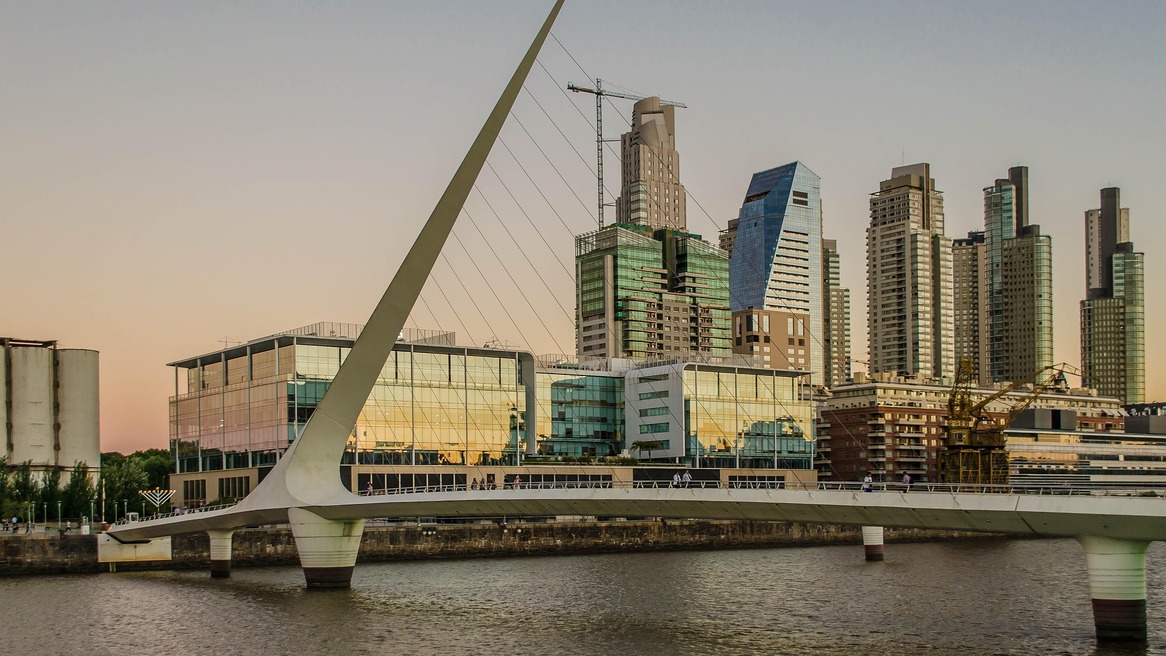 Image by Claudio Bianchi from Pixabay
Puerto Madero is Buenos Aires’ old port, but since ships became too large to dock here, its red brick dockyards have been reimagined as one of the city’s most contemporary districts, known for striking waterfront hotels and an elegant waterside promenade. When it comes to sights, you’ll come across the Presidente Sarmiento Museum Ship, the Corbeta Uruguay (another museum ship), and the Puente de la Mujer bridge. Puerto Madero also has a large ecological reserve between the neighbourhood’s high rises and the Rio de la Plata. This is a fantastic place for birdwatchers, and has miles and miles worth of well-maintained trails. This part of the city can be an expensive place to go out in, but it is known for its nightlife.
Ideal for: Luxury lovers, party people