
 Image by Leonhard Niederwimmer from Pixabay
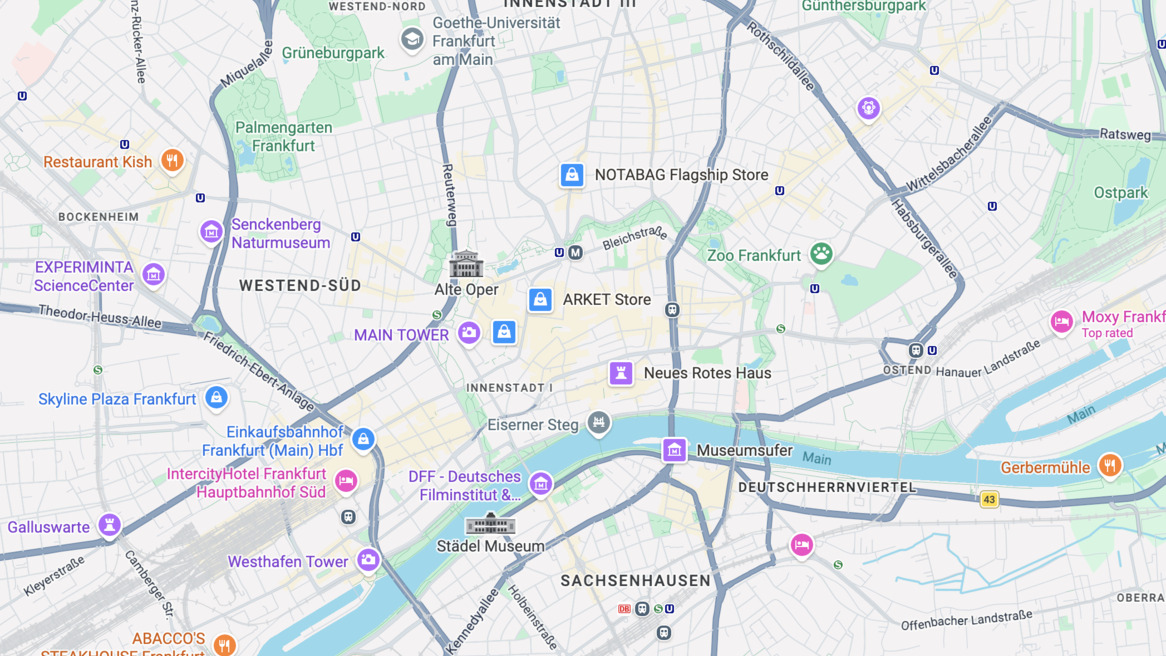
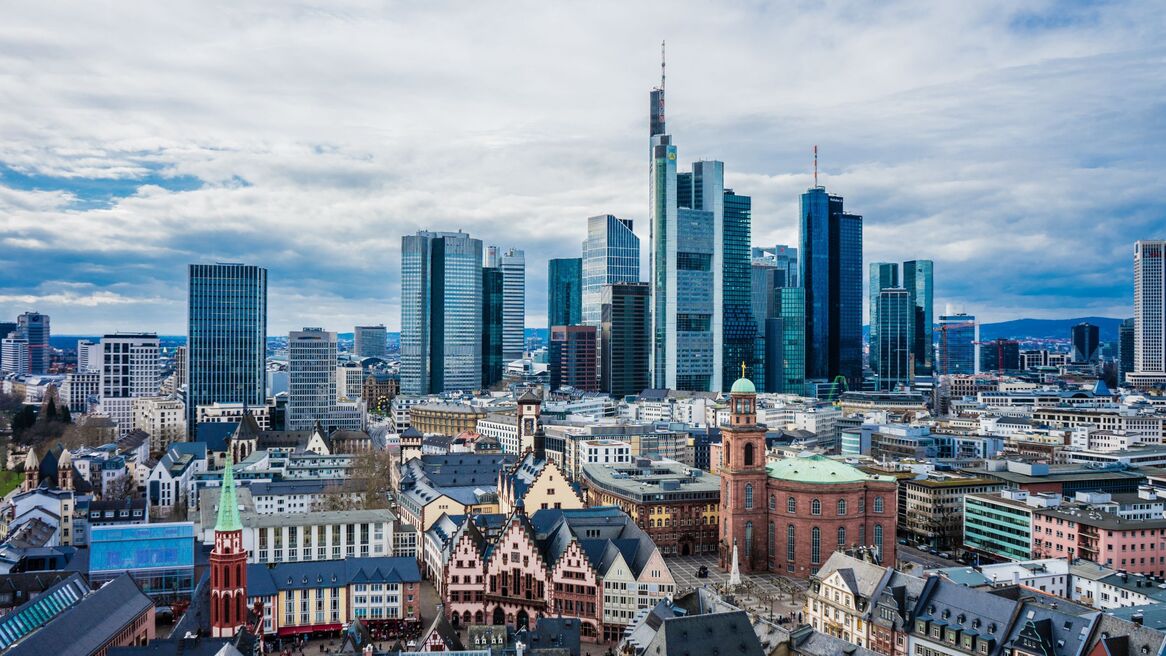
Frankfurt is Germany’s financial hub, and a city that boasts futuristic skyscrapers side-by-side ancient church spires and medieval squares in the charming Old Town, and you’ll often find you have a river view with it. Frankfurt is home to the European Central Bank and is the host of hundreds of trade and financial fairs. It is Germany's second city for museums (there's an impressive film museum, architecture and contemporary art museums, Jewish history museums, and even a Goethe Museum), and come the evening, Frankfurt buzzes with life. It’s not just bars and restaurants, Frankfurt has a wealth of theatres, clubs and other venues too.
Frankfurt’s compact old town, or Altstadt, is a great pick for short stays or first-time visitors, because it’s within walking distance of many of Frankfurt’s major sights. Innerstadt is the newer town, adjacent to the Altstadt, but with more contemporary buildings, more shopping, and better access to the financial district. The Westend is next to the Altstadt neighbourhood and the financial district, and has some lovely green spaces, and beautiful accommodation: hotels, apartments and residential properties. Bahnhofsviertel is close to the main train station, so it's a bit edgier, but it’s also hip, with some great design hotels. If you like the idea of meeting the locals, you might consider Bornheim, which has a bohemian atmosphere, with independent shopping and markets, and some innovative bars and restaurants.
Ideal for: city breaks, sightseeing, families, short stays, first-time visitors, historic architecture
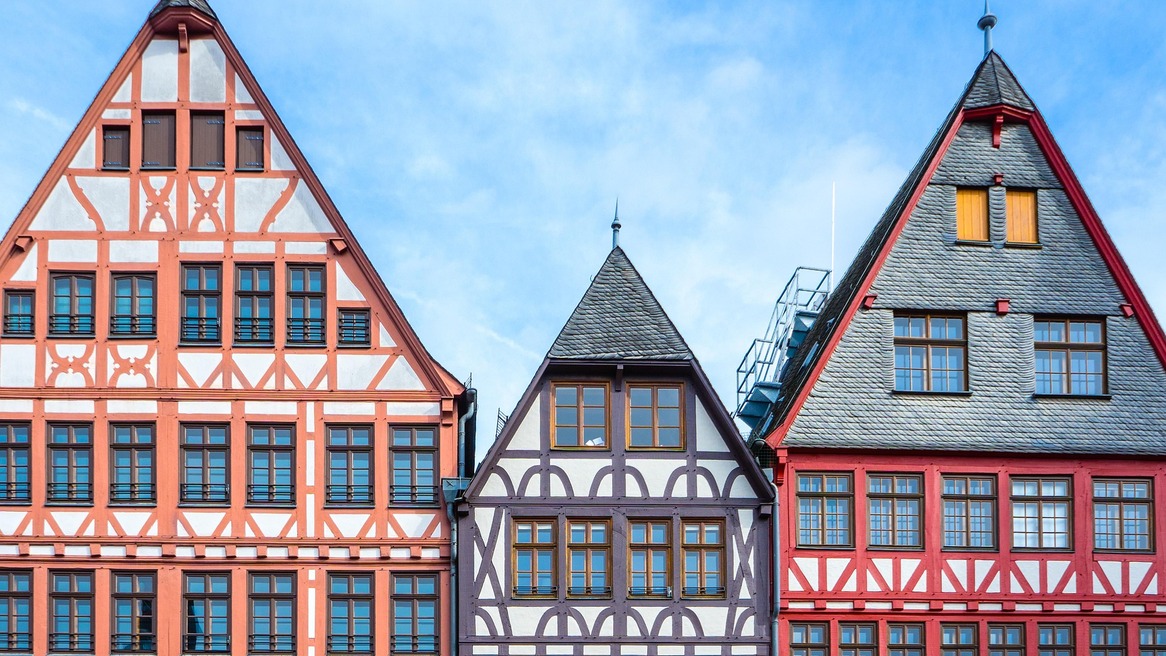 Image by Leonhard Niederwimmer from Pixabay
Frankfurt’s Altstadt, or Old Town, has been recently remodelled and recreated, so now its full history is incorporated and imagined here, from the Roman settlement to the medieval version, called Frankfurt am Main. It had a maze-like medieval centre, with half-timbered houses arranged close together along a warren of narrow streets, which was all too easily destroyed in WW2. Once the medieval district had city walls, but today these are a circle of green space around the most historically significant parts of Frankfurt. Today’s city centre, the Innerstadt, surrounds the Altstadt in a semi-circle. Unfortunately, many of the original medieval homes within the Altstadt were built using timber and goodwill, and very little survived WW2, but what did survive has been carefully rebuilt, and includes the Romer, or town hall, the Kaiserdom, a 14th century Gothic cathedral, the 12th century Alte Nikolaikirche church, a 15th century fortified tower, the Fountain of Justice and 12th century Saalhof. Many of Frankfurt’s museums and galleries are in these neighbourhoods, including the Museum of Modern Art, the Archaeological Museum, and the historic Museum of Frankfurt.
Did you know? The Altstadt is Frankfurt's main tourist neighbourhood, but it's the city's smallest residential neighbourhood, with only around three and a half thousand inhabitants.
Discover our recommended hotels near the Altstadt
Explore more >
View all hotels in the Altstadt
Explore more >
Ideal for: city breaks, sightseeing, couples, families, luxury lovers
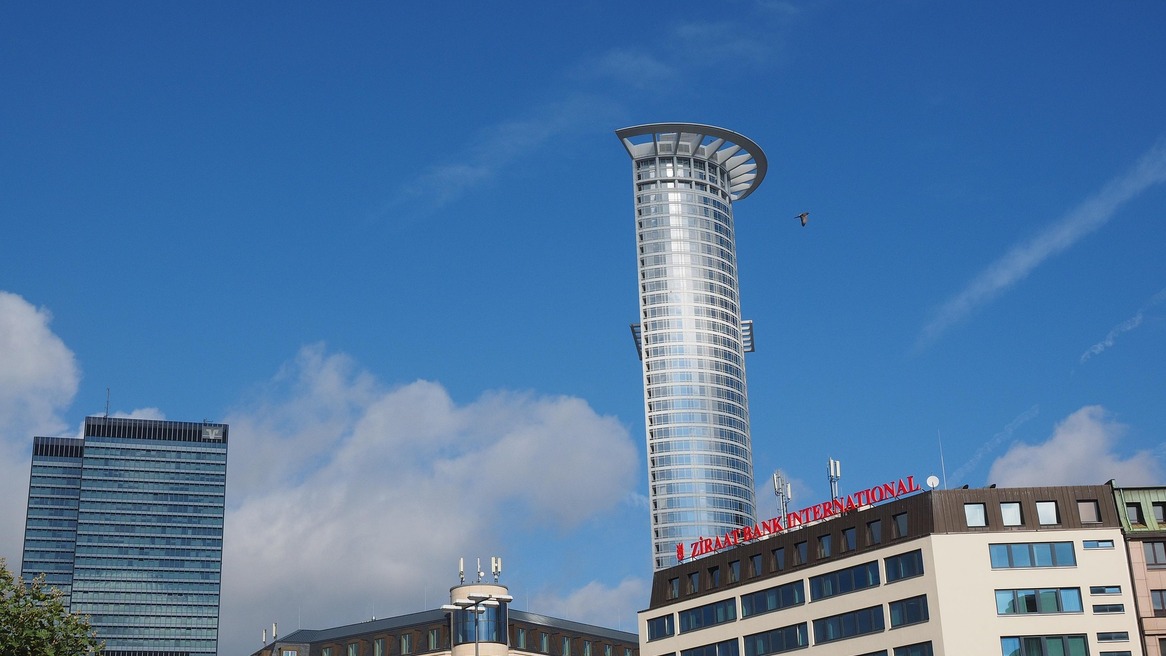
The Westend neighbourhood is one of the most desirable places to live in Frankfurt, and a very charming place to stay too: it's central and historic, with Wilhelminian villas and plenty of green space. There’s something a bit Parisian about the Westend’s major roads, which are wide and tree-lined streets, but the residential streets are narrow and quiet. Part of the reason this area is so desirable is that it’s close to the skyscrapers of the central business district (the concentration of skyscrapers here is higher than anywhere else in Germany). Westend is also right next to the Altstadt. Some of the Westend’s skyscrapers are also some of its main sights: the Messeturm, especially, which is one of the tallest buildings in the EU. Westend also has a natural history and sciences museum called the Senckenberg Museum, which is housed in a building that looks like a castle, the Palmengarten botanical gardens, the Rothschildpark, and the Museum für Kommunikation.
Did you know? The skyscraper at Westendstrasse 1 is called Westend Tower, and it has a crown feature sitting atop it, which is heated in Winter, so it doesn't drop icicles on anyone. The crown is a reminder that this neighbourhood was once part of the routes kings took during their coronations.
Discover our recommended hotels near Westend
Explore more >
View all hotels in Westend
Explore more >
Ideal for: hipsters, party people, value seekers, night owls
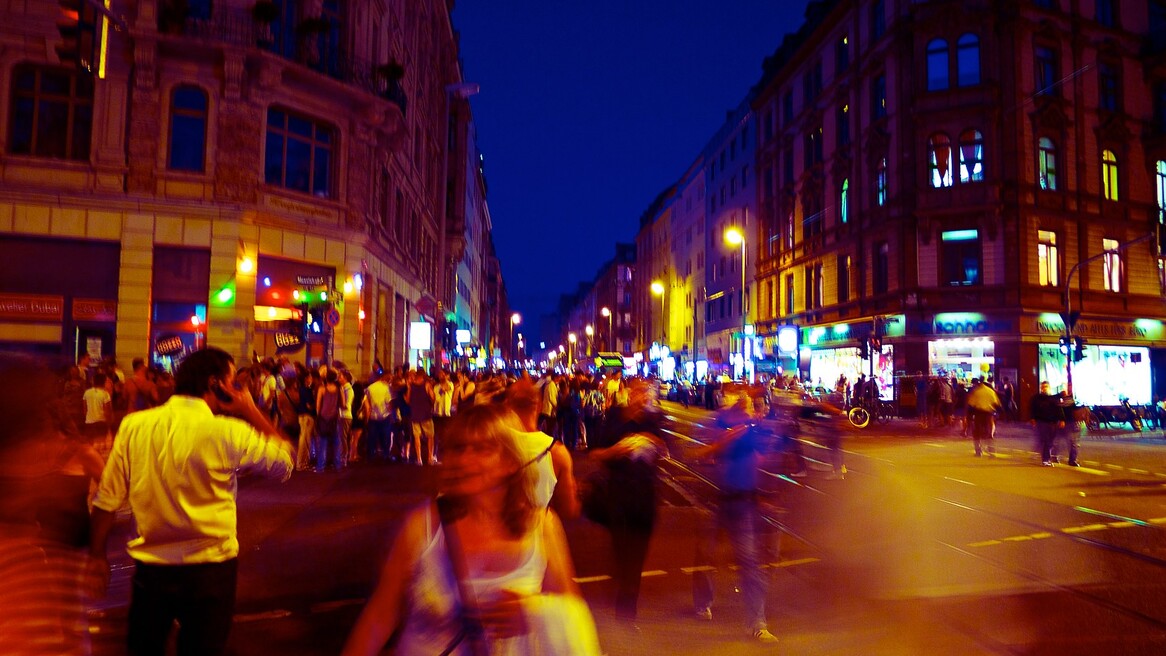 By Flickr user Martin Krolikowski
The Bahnhofsviertel neighbourhood is part of the new town close to the station, and, as well as being known for its transport links, it is known for being an entertainment district. For decades, this was the red-light district, and some of its streets still have that flavour, but over the last ten or twenty years, a lot of money has been poured into gentrifying the area, and now some streets are beautiful, lined with hip places to eat, drink and go out of an evening. Bahnhofsviertel is also known for the international flavours and diversity of its restaurants, and for its shopping opportunities.
Did you know? The English translation of Bahnhofsviertel is 'train station quarter'.
Discover our recommended hotels near Bahnhofsviertel
Explore more >
View all hotels in Bahnhofsviertel
Explore more >
Ideal for: city breaks, sightseeing, foodies, couples, history lovers, photographers, families, romantics, night owls
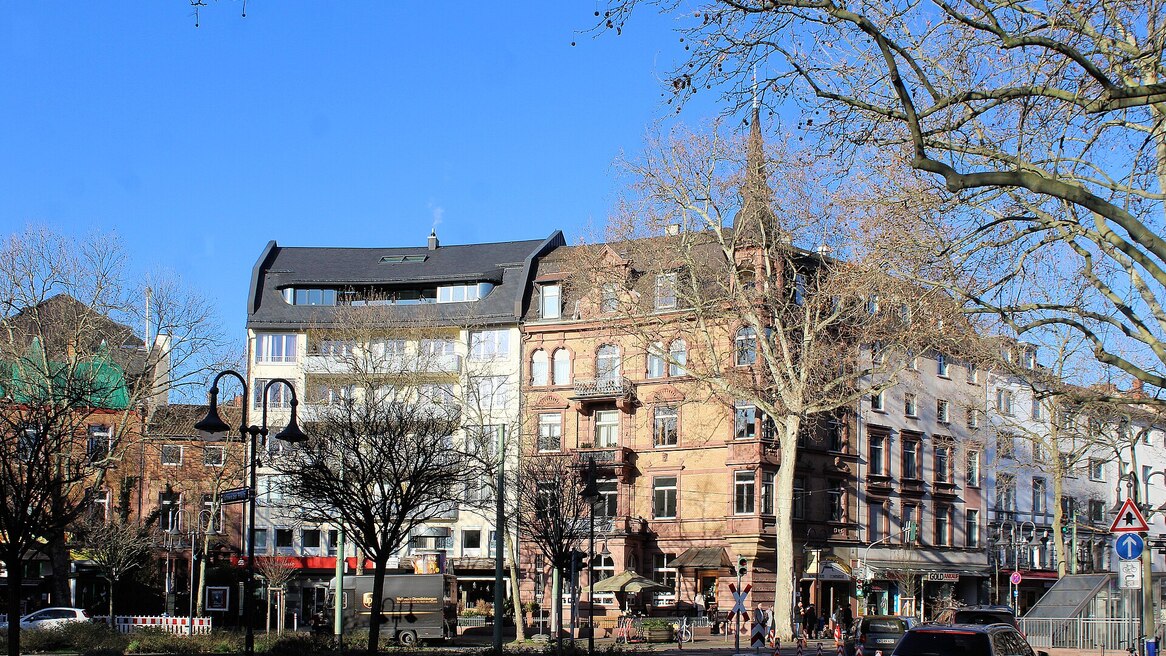 By Dguendel - Own work, CC BY 3.0
Sachsenhausen is a historic neighbourhood on the south bank of the Main, known for its stretch of museums, called the Museumsufer am Main, which runs along the riverfront, and for its traditional apple wine, ebbelwei, which is like a tart cider, and apple wine pubs. The best-known museums in Sachsenhausen include the Städel Museum, Museum Giersch, and the German Film Institute & Museum. The traditional pubs and residential feel of some of the neighbourhood (expect Art Nouveau and Wilhelminian architecture) makes Sachsenhausen a lovely place to go out in the evening: friendly and vibrant, with plenty of locals partaking too, and there’s a warm traditional food scene too, as well as hip, contemporary dining options. The ebbelwei served here is produced here too: the apples grown in orchards on the outskirts of town. Sachsenhausen is a bit off centre, but it’s on the S-Bahn and U-Bahn lines, and within walking distance of central Frankfurt, and you get a wonderful view of the skyline when you walk along the Museumsufer am Main.
Did you know? Sachsenhausen's historic architecture is original, not rebuilt like much of what you'll see in the Altstadt.
Discover our recommended hotels near Sachsenhausen
Explore more >
View all hotels in Sachsenhausen
Explore more >
Ideal for: quieter breaks, families, living like a local, hipsters, party people
 By Flickr user Jorbasa Fotografie
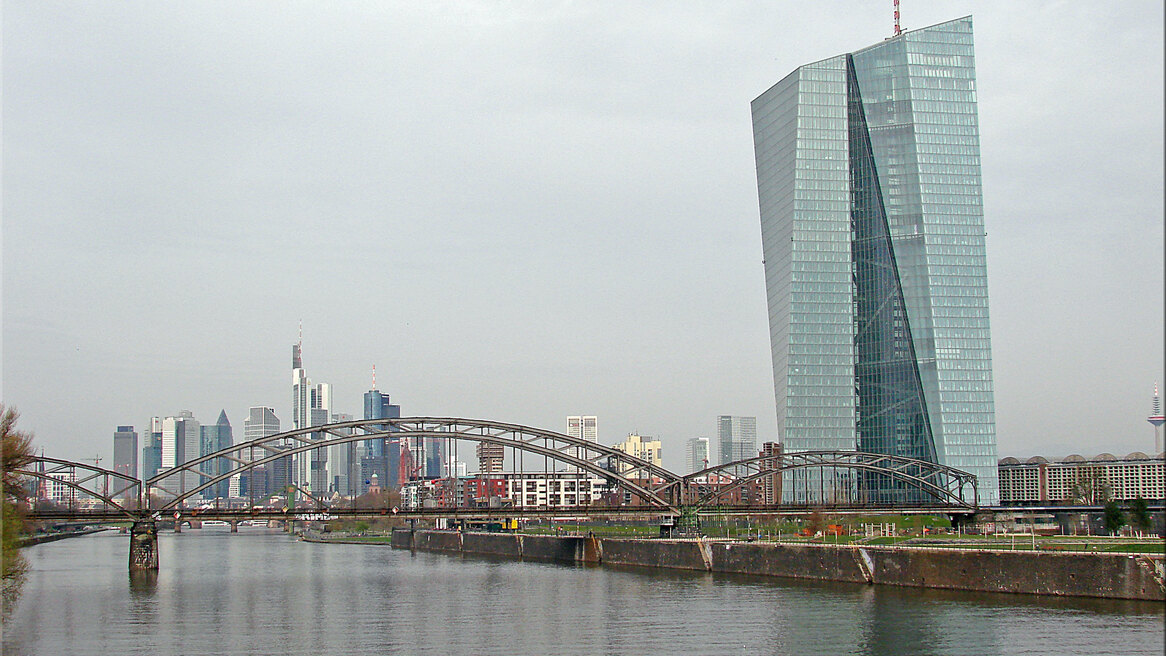
The Ostend of Frankfurt translates to “the east end”, and is where you’ll find the zoo, the old wholesale market and the headquarters of the European Central Bank. This used to be quite an industrial part of town, but it’s evolving into something much more arty and trendy, with great arts venues, excellent places to eat and drink, trendy businesses and space being made for gardens and trees to be planted. Neighbouring Bornheim manages to be historic, but also hip with it. It's a popular place to live, because it’s got a bit of village appeal, with its own apple wine pubs and traditional businesses, as well as hip coffee houses, contemporary boutiques and local produce markets. Expect some historic, half-timbered buildings, but also plenty of street art. Bornheim doesn’t have major local sights, but it is close to the Günthersburgpark.
Did you know? The European Central Bank's tower is built around the historic Großmarkthalle, which used to be a fruit and vegetable market.
Discover our recommended hotels near Ostend & Bornheim
Explore more >
View all hotels in Ostend & Bornheim
Explore more >
Ideal for: city breaks, sightseeing, party people, shopping, living like a local
 By Tilman2007 - Own work, CC BY-SA 4.0
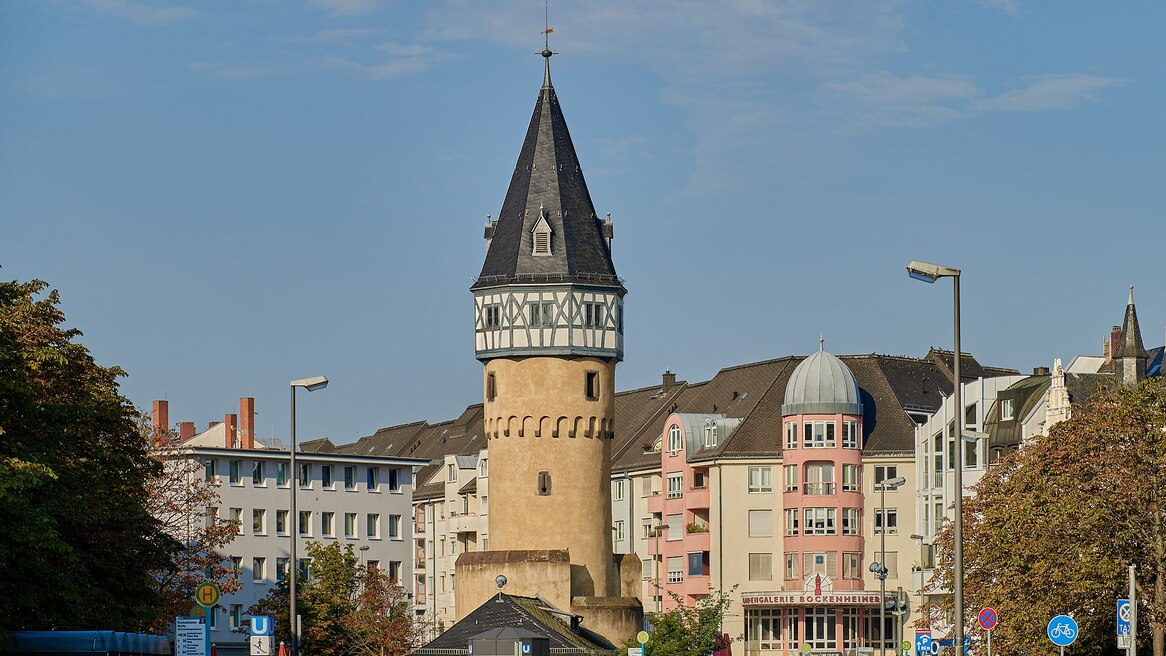
Bockenheim neighbours the Westend, and shares some of the elegant Wilhelminian architecture, but with both an historic and industrial edge. The historic comes from the oldest of the half-timbered buildings, which date from the Middle Ages, and from the Bockenheim Warte, which is a watchtower that was once a part of the city walls. The industrial edge of Bockenheim is the old streetcar depot, which has been converted into a vast arts venue, and the super cool U-Bahn station entrance, which looks like a tram car has crashed into the pavement... René Magritte designed it. Bockenheim is also where you can find the old campus of the Goethe University and Leipziger Strasse, which is a fantastic road for independent boutiques, bookshops, world food and coffee. There are still some Goethe University buildings in Bockenheim, but the majority have moved to Westend; there are still the remnants of a student vibe, though.
Did you know? Despite being close to the financial district, Bockenheim is known for being relaxed and laid-back; a hangover from its student days, maybe?