
 Image by Tapio Haaja from Pixabay
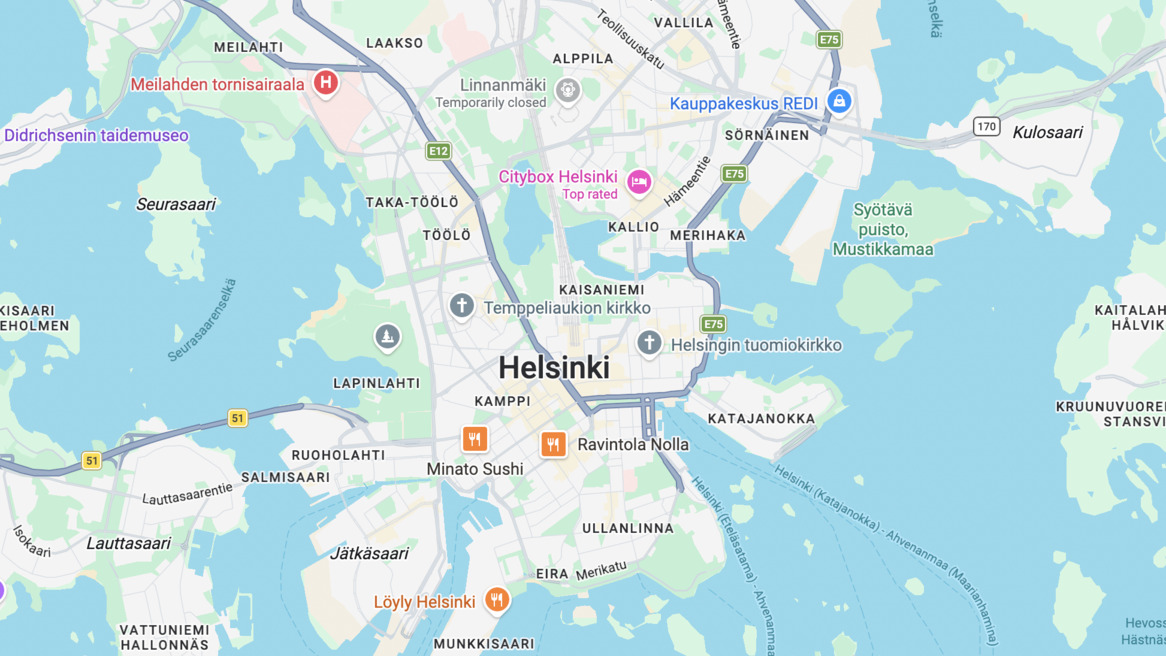
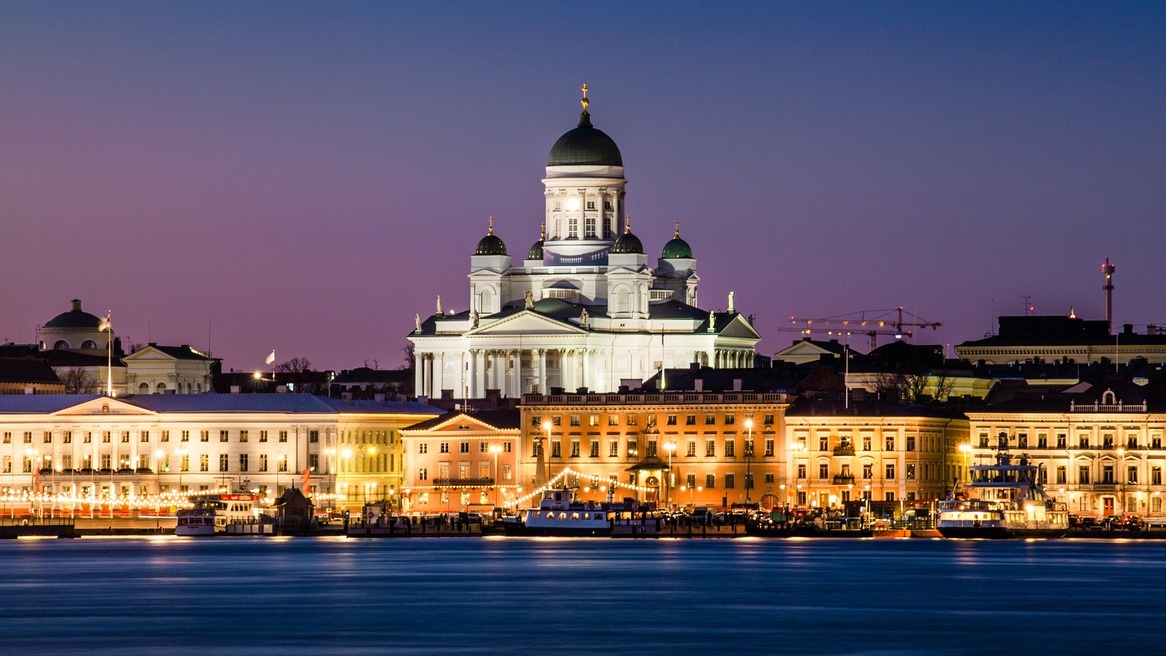
Helsinki is a waterfront city, with an elegant collection of architecture and cutting-edge cool everything else. It’s easy to navigate on foot, offers a packed out calendar of festivals, special days and entertainments, and sits on a bay dotted with around 300 islands and islets. Come for the incredible landmarks, and stay for the saunas, sea-views, shopping and incredible cuisine.
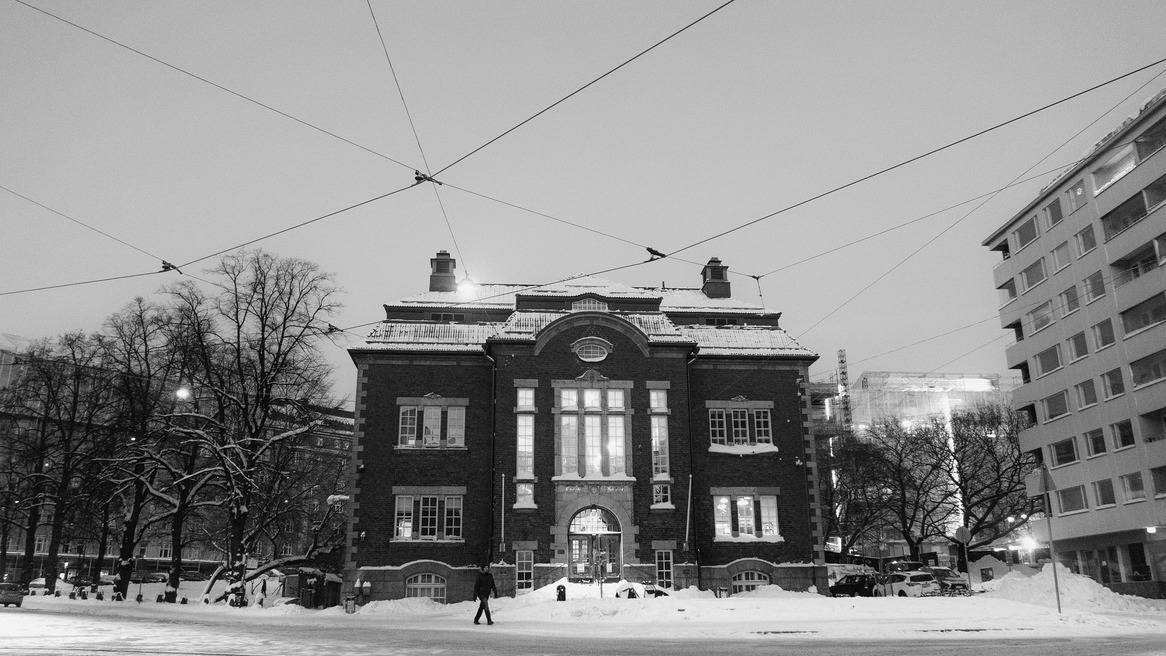
Kluuvi and Kamppi are some of the most central of Helsinki’s neighbourhoods, ideal for a city break or short stay. You can walk to many of the major landmarks, and easily uncover a few more of your own, along with incredible places to eat and drink, and trendy Finnish shopping, especially in Kamppi. Punavuori is a chic, design-conscious district where hip shops rub shoulders with cafes for coffee lovers, on narrow streets. It is great for nightlife too. Kallio is cool too, but quieter and more charming. Katajanokka is the waterfront neighbourhood, also known for its Art Nouveau architecture; while Vallila’s architecture is a surprisingly charming mix of warehouses and repurposed industrial buildings, and traditional wooden houses. Töölö is a green and leafy area with more Art Nouveau architecture, a calm atmosphere, and an air of luxury…
Ideal for: city breaks, sightseeing, first-time visitors, architecture lovers, families, photographers, foodies
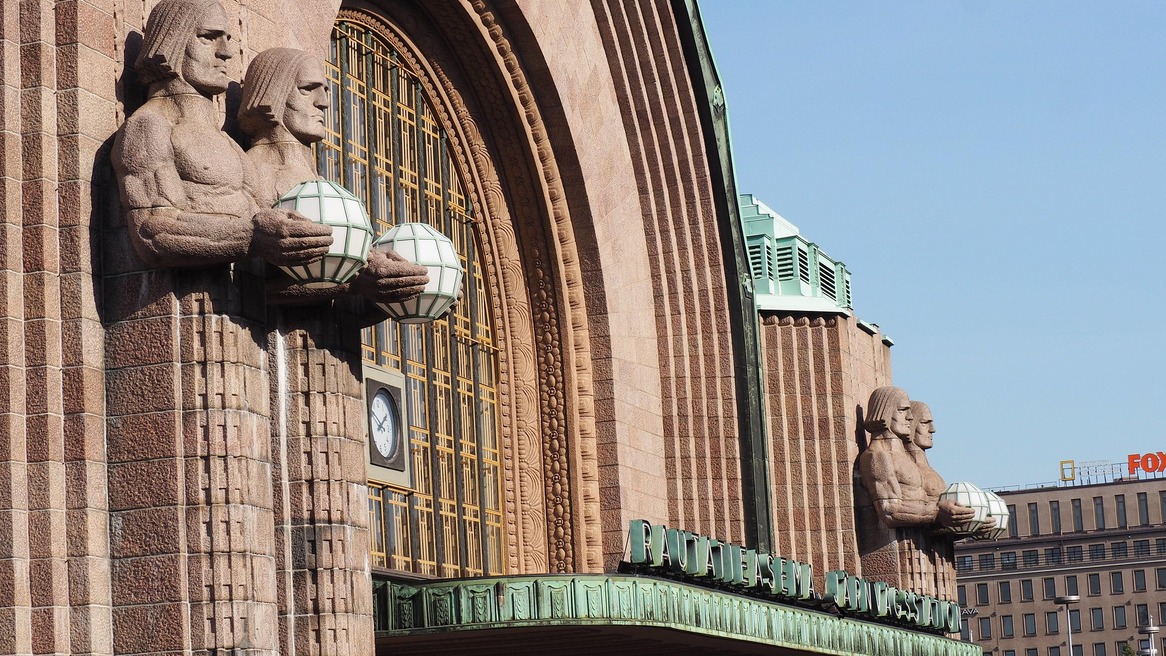 Image by RivkahPro from Pixabay
Kluuvi, locally referred to as “keskusta”, which means “the centre”, is an easy choice for visitors to Helsinki: within walking distance of many of the major sights and the harbour, and right by the Central Railway Station for anything that’s not reachable on foot. It is also a hub for Helsinki residents too, with great shopping, lots of places to eat and drink, and a wealth of art, theatre and music venues. Highlights include the Ateneum Art Museum; the gorgeous Art Deco Stockmann department store; Helsinki’s main post office; the Old Market Hall, Vanha Kauppahalli, for Finish cuisine; the Finnish National Theatre; and The National Library of Finland.
Did you know? Kluuvi is a word used to describe a bay that is closing up to form a lake, which is exactly what this area has been.
Ideal for: city breaks, sightseeing, families, romantics, art and architecture lovers, shopping, night owls
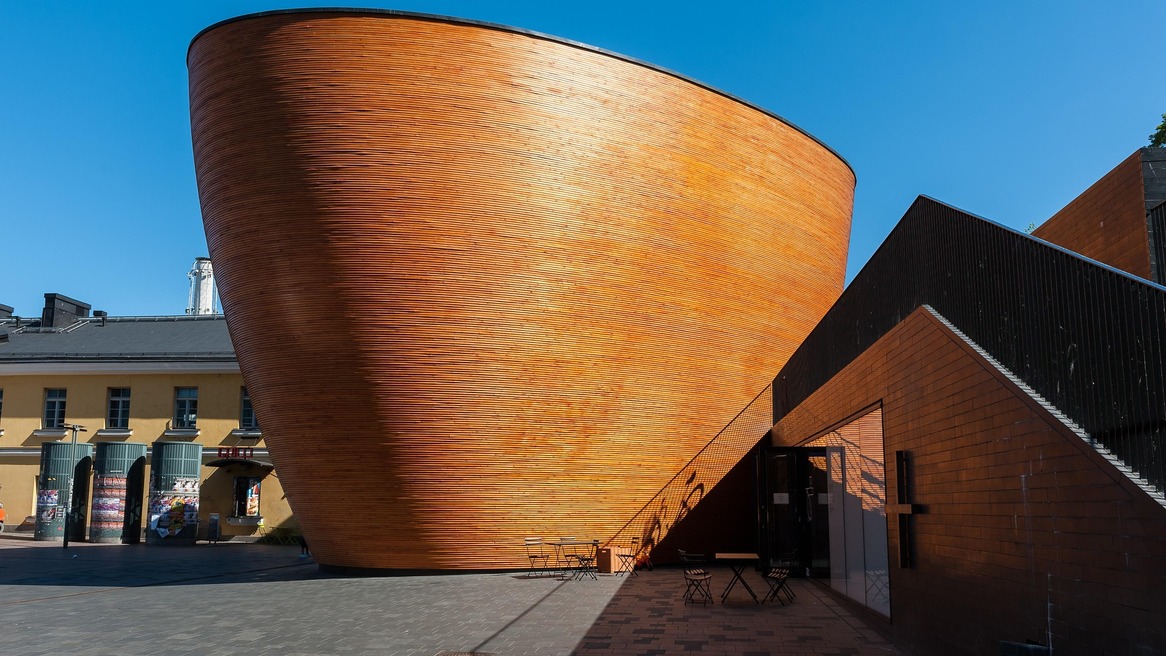 Image by Angelo Giordano from Pixabay
The Kamppi district is next door to Kluuvi, and just as convenient for sightseeing, shopping, and exploring Helsinki’s culinary scene or evening entertainment. The architecture is just as impressive and interesting: a mix of styles that includes really typical Finnish designs, and the 19th Century wooden houses of the Rupholahden Villat block. You’re also close to the Central Railway Station and the bus station. Kamppi's own attractions include the Kampi Chapel of Silence: a super contemporary wooden church (see photo above) designed as a place for serene reflection in the heart of the bustling city, the Helsinki Art Museum, the Finnish Parliament House, Finlandia Hall, and the Yrjönkatu Swimming Hall, which is another architectural marvel. The area is also known for its vintage shopping, especially antiquarian book shops and antique shops, but there are also a couple of local markets. There are more hotels in the Kamppi neighbourhood than in any other part of Helsinki, in all sorts of price brackets and styles. So it's a popular base with visitors.
Did you know? Kamppi is named from the Swedish word for 'battle', because this is where the Russian military barracks and training grounds were in the 19th century.
Ideal for: cool kids, architecture and design lovers, art lovers, shopping, city breaks
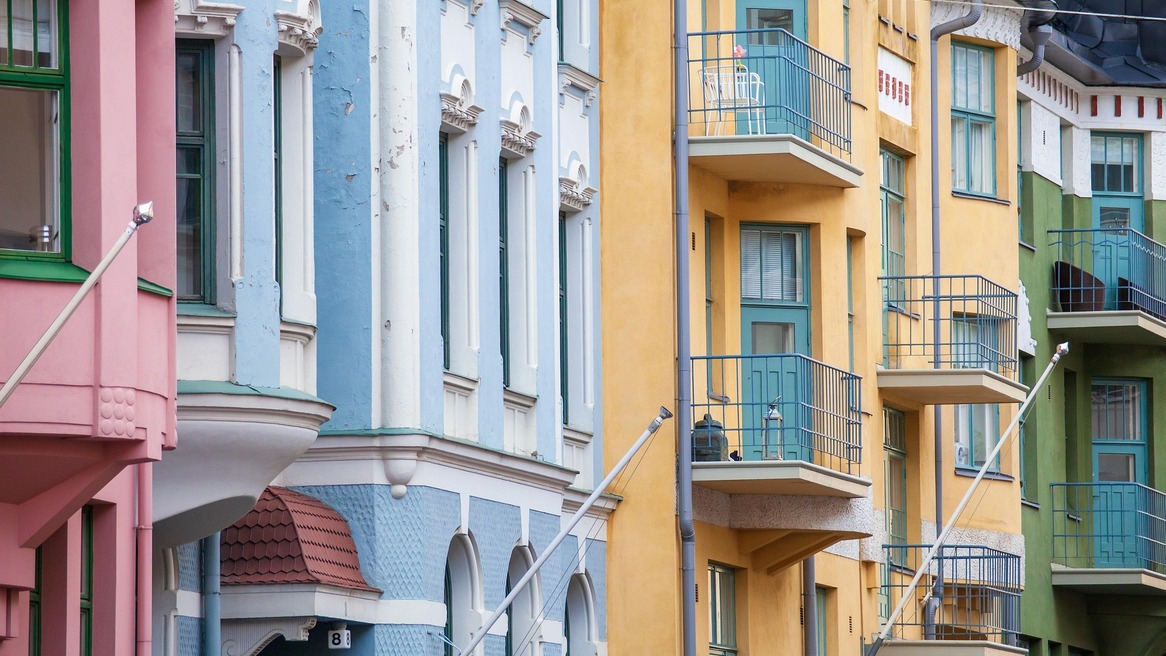 Image by Tapio Haaja from Pixabay
Punavuori is another central neighbourhood, and the area for Finnish design in Helsinki — it's sometimes referred to as the heart of the Design District Helsinki. Its once working-class streets are now lined with boutiques, design studios, galleries and places to refuel while you shop and explore. The streets are narrow and a bit maze-like, by Helsinki’s standards, with some wonderful modern, Art Nouveau, and traditionally Nordic residential buildings and apartment blocks; Huvilakatu Street, and Uudenmaankatu are some of the best places for architecture appreciators here. Punavuori is a popular place for hipster locals to live too, and offers all kinds of evening entertainment.
Did you know? Punavuori has just 13 streets.
Discover our recommended hotels near Punavuori
Explore more >
View all hotels in Punavuori
Explore more >
Ideal for: hipsters, living-like-a-local, longer stays, travellers on a budget
Kallio is lively, predominantly residential neighbourhood a bit further away from Helsinki’s centre, across the picturesque Pitkäsilta Bridge. It isn’t an obvious neighbourhood for visitors, but it’s ideal if you want to live more like a Helsinki local. There are great places to eat and drink, and friendly nightlife, plus great vintage shopping, flea markets and cool food markets and supermarkets. Kallio is also a good choice for great value accommodation, and you’re only five minutes from the centre by metro if you do want to stay for an extended period(it's on the tram route too).
Did you know? Kallio has the Kotiharjun Sauna, which is the last public, wood-burning sauna in Finland.
Ideal for: luxury lovers, walkers, architecture lovers, foodies
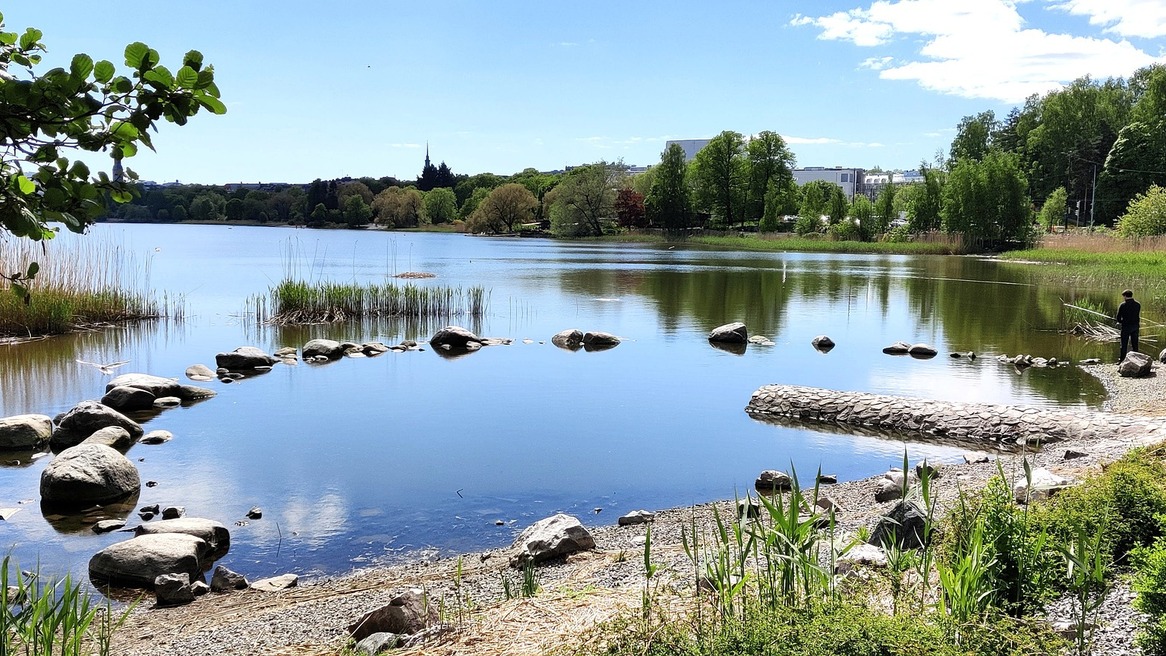 Image by AI Leino from Pixabay
Töölö is an elegant and leafy neighbourhood between the city, the sea, and Töölönlahti Bay. Its memorable architecture is predominantly Art Nouveau and Art Deco, set on wide streets, and there are plenty of impressive local landmarks. The best known of these are probably the National Museum, the Opera House, the Sibelius Monument and the Temppeliaukio Rock Church. Of course, you’re close to Töölönlahti Bay too.
Did you know?
Töölö was laid out in the 1920s according to the specs. of Finland's first-ever urban planning competition.
Ideal for: city breaks, couples, walkers, photographers, architecture lovers, families, luxury lovers
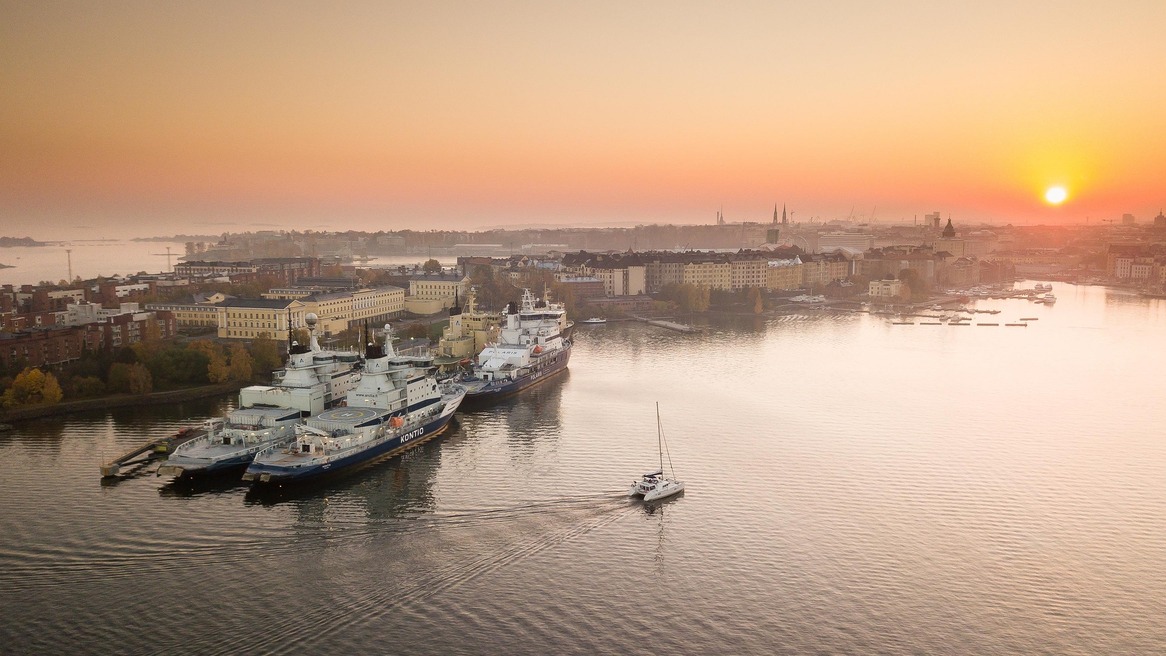 Image by Kosti Keistinen from Pixabay
Katajanokka is a small neighbourhood in downtown Helsinki; it was just outside of the fortifications of the original city walls, and five or ten minutes walk from the centre of town now. When the walls went up Katajanokka was on a peninsula, but it’s now an island — a man-made one, because a channel was dug across its edge in the 19th century. The best known building in Katajanokka is the former prison which has now been turned into a luxury hotel, but the neighbourhood is also where you’ll find the Uspenski Cathedral, the old harbour buildings, and a famous building by Alvar Aalto. This is a prosperous and rather distinguished neighbourhood to live in, and to stay in: former residents have included Tove Jansson and former Finnish Presidents.
Did you know? Luotsikatu, one of Katajanokka's best-known streets, was voted 'the most beautiful street in Helsinki', and is where Tove Jansson, creator of 'The Moomins', grew up.
Discover our recommended hotels near Katajanokka
Explore more >
View all hotels in Katajanokka
Explore more >
Ideal for: cool kids, living-like-a-local, longer stays, a relaxed stay
 By helsingforskundi via Flickr
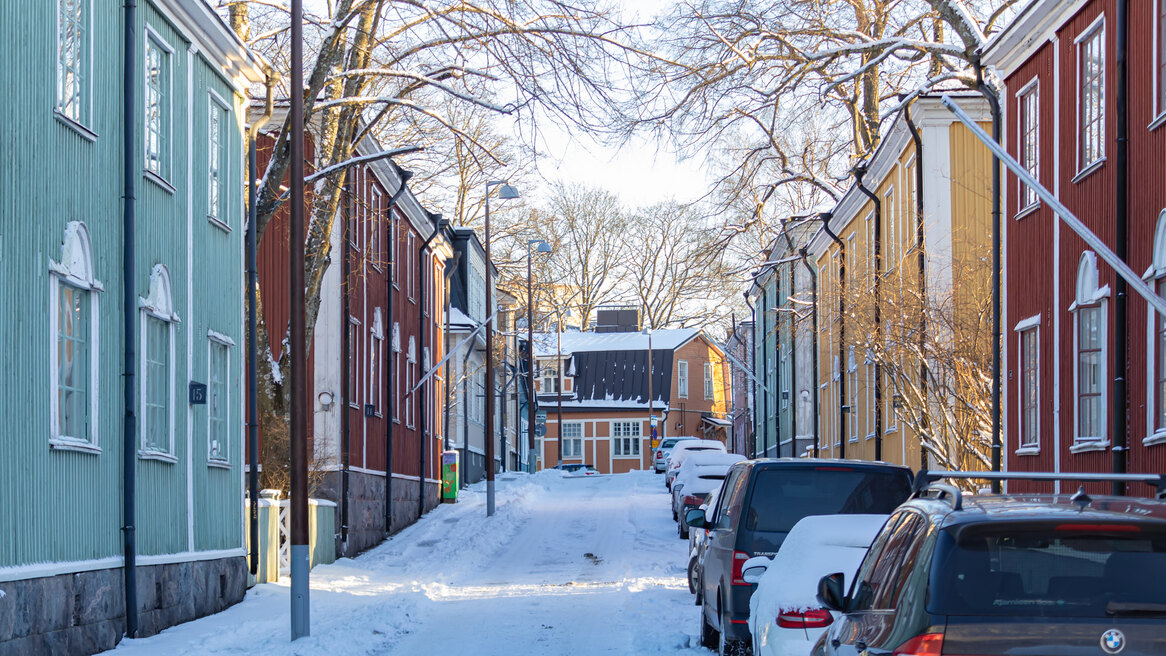
Vallila is a couple of kilometres outside the centre of Helsinki, and has a look and atmosphere distinctly its own. It’s another neighbourhood well known for its architecture, mostly its traditional wooden houses, which were built in the 1910s and 1920s. These all have gardens, so the streets feel very leafy and suburban, though there are also some industrial buildings and warehouses, which have now mostly been repurposed for shops, cafes, restaurants, and entertainment venues. Vallila is definitely off-centre, but there are good transport links, and if you want to live like a local, or you’re planning to stay in Helsinki for a week or more, this could be a rewarding neighbourhood to pick, what with the fantastic flea market, the great local food scene, and the cool architecture.
Did you know? 'Time Out' magazine's list of the 'Coolest Neighbourhoods in the World' article from 2025 listed Vallila number nine of 39.