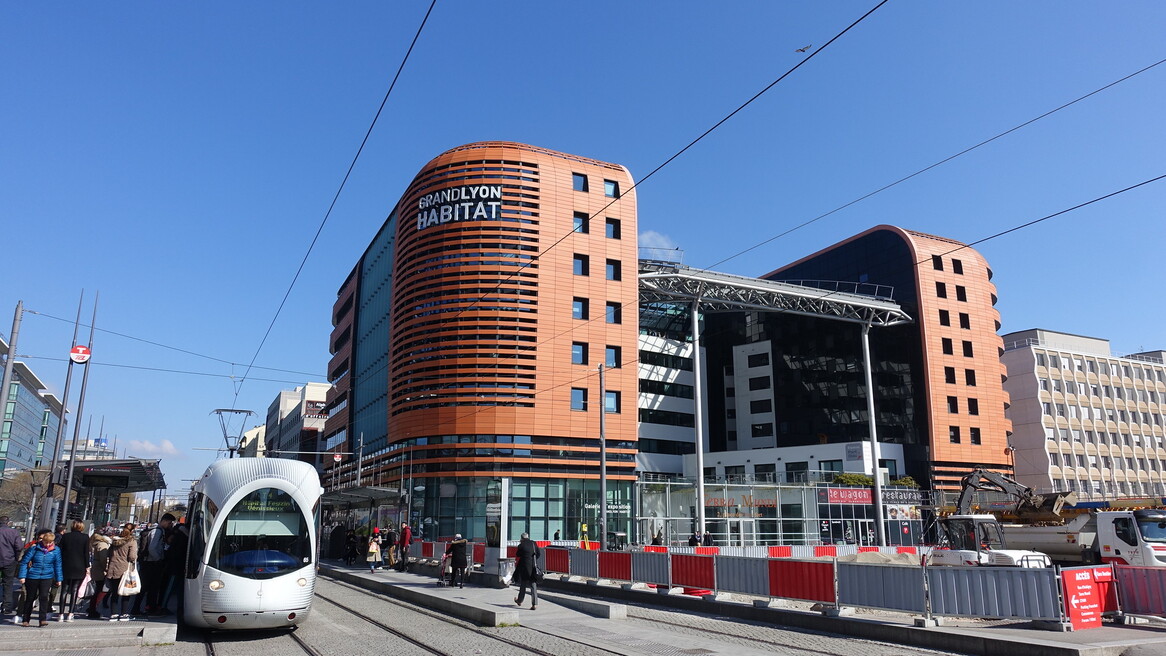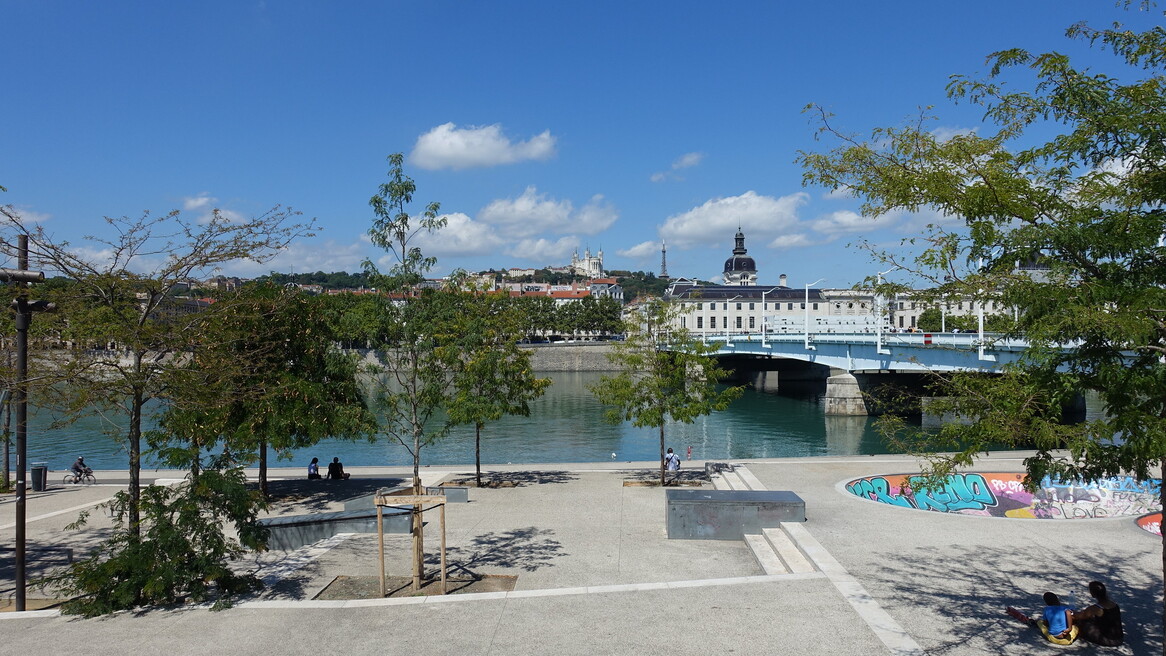

Sunny, foodie favourite, Lyon is also known for its medieval centre, its Roman roots, its lively arts scene, and its location between the Rhône and Saône Rivers. If you like the sound of cafes located on riverside boulevards, next to Michelin-starred restaurants, and ‘bouchons’, Lyon’s own pub-bistro hybrid, and colourful and current markets, then this is the city for you.
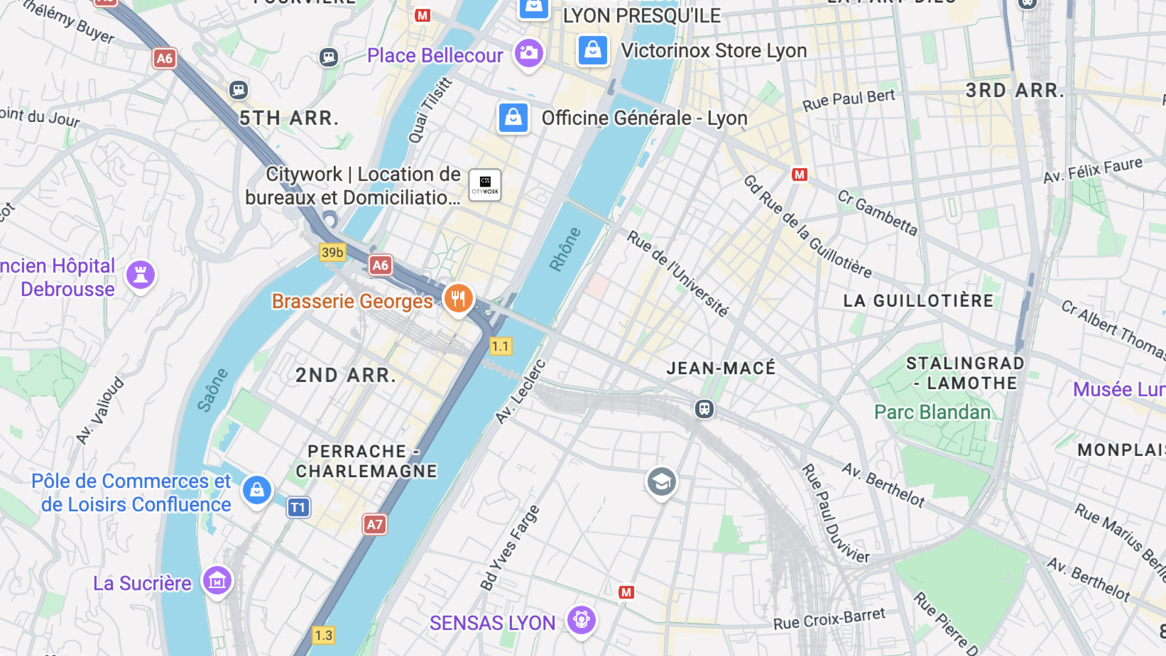
Our recommendation to first-time visitors is to stay in Vieux Lyon or Presqu’ile. Vieux Lyon is the historic old town, and Presqu’ile is the contemporary city centre. Both are super convenient for sightseeing, have a good range of accommodation options, easy river access, and plenty of places to eat, drink and shop. Vieux Lyon also has your classic ‘old town’ historic architecture of narrow, cobbled streets and loads of atmosphere. La Croix-Rousse neighbourhood is a bohemian pick with leafy squares, traditional architecture and a taste for cultural authenticity. Expect food markets and demonstrations of traditional weaving. If you prefer a more contemporary setting, opt for La Confluence, which is a study in post-industrial, waterfront cool. La Part-Dieu is home to both Lyon’s main station and one of the largest shopping centres in Europe, plus plenty of entertainment options; this is a neighbourhood of large-scale hotels.
Ideal for: first-time visitors, city breaks, sightseeing, history lovers, on-foot explorers, relaxed breaks, families, photographers, unique travel experiences
 By Flickr user Jorge Franganillo
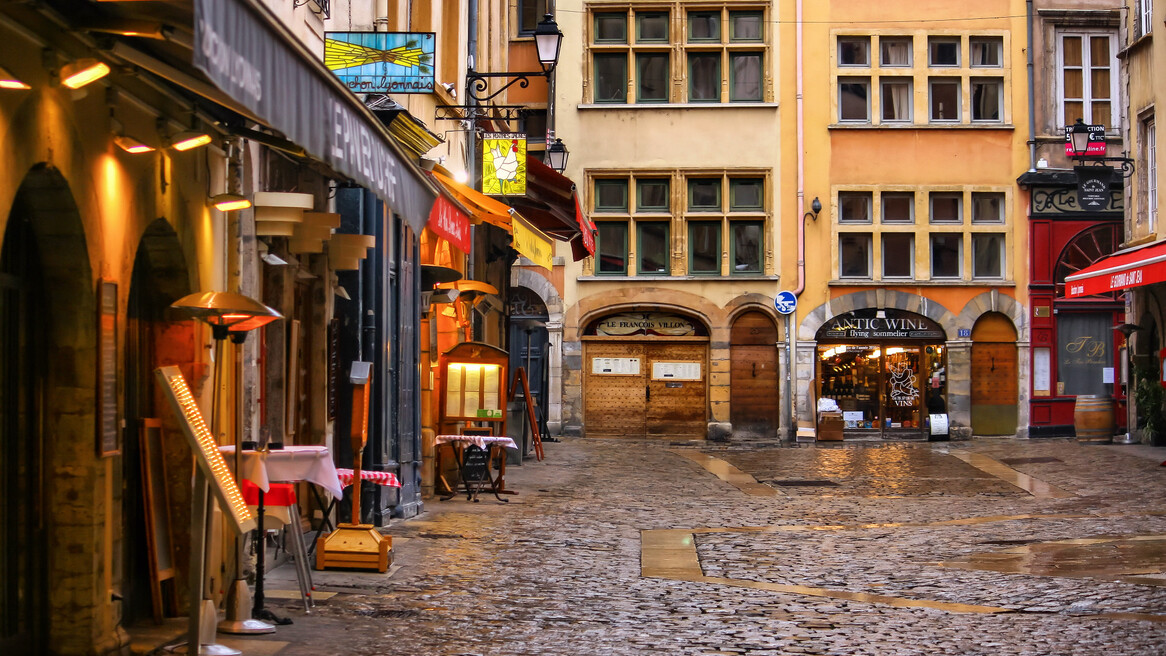
Vieux Lyon, or Old Lyon, is the historic part of the city between the slopes of Fourvière Hill and the Saône River. Much of the area dates from the Renaissance period, when Lyon was a key market town for Europe, known for its silks and food. This commercial focus changed the shape of historic Lyon’s structure, and in Vieux Lyon you can still see that: in the traditional traboule (covered passageways between buildings designed to allow silks to be transported without the risk of rain damage), and in the Italian-style arcades and galleries. Vieux Lyon is a maze of a neighbourhood, with secret squares and courtyards, towers, spiral staircases, and paved roads and passageways. You really have to explore it on foot, and just follow the route that looks most interesting to you… What you could find on your travels are: the imaginative gargoyles of the Église Saint-Georges church; the Cathédrale Saint-Jean and its astronomical clock; the 10th century law courts; the Musée d'Histoire de Lyon, the Théâtre Guignol de Lyon; and the more niche Musée Cinéma et Miniature (cinema and miniature museum), and the Musée des Arts de la Marionnettes (museum of puppeteering). There are also plenty of secret cafes, bars and restaurants, and wonderfully bijou accommodation options, as well as larger ones.
Did you know? Many traboules are on private property and can't be accessed outside of a tour.
Discover our recommended hotels near Vieux Lyon
Explore more >
View all hotels in Vieux Lyon
Explore more >
Ideal for: city breaks, sightseeing, shopping, art lovers, luxury lovers, foodies, romantics, families
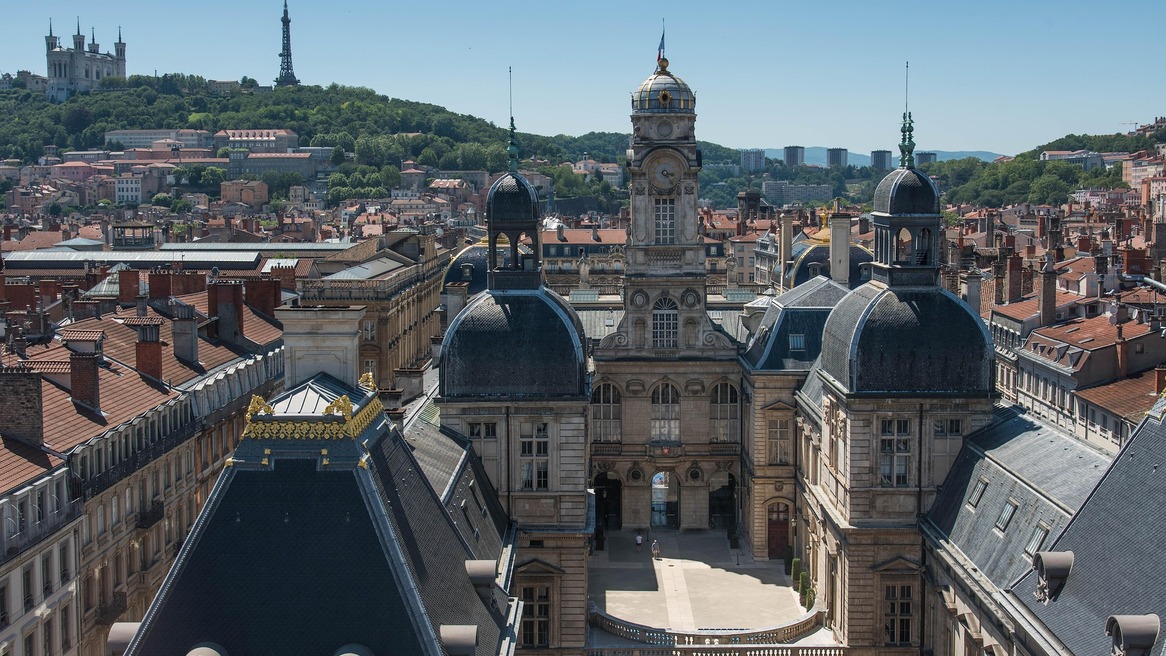
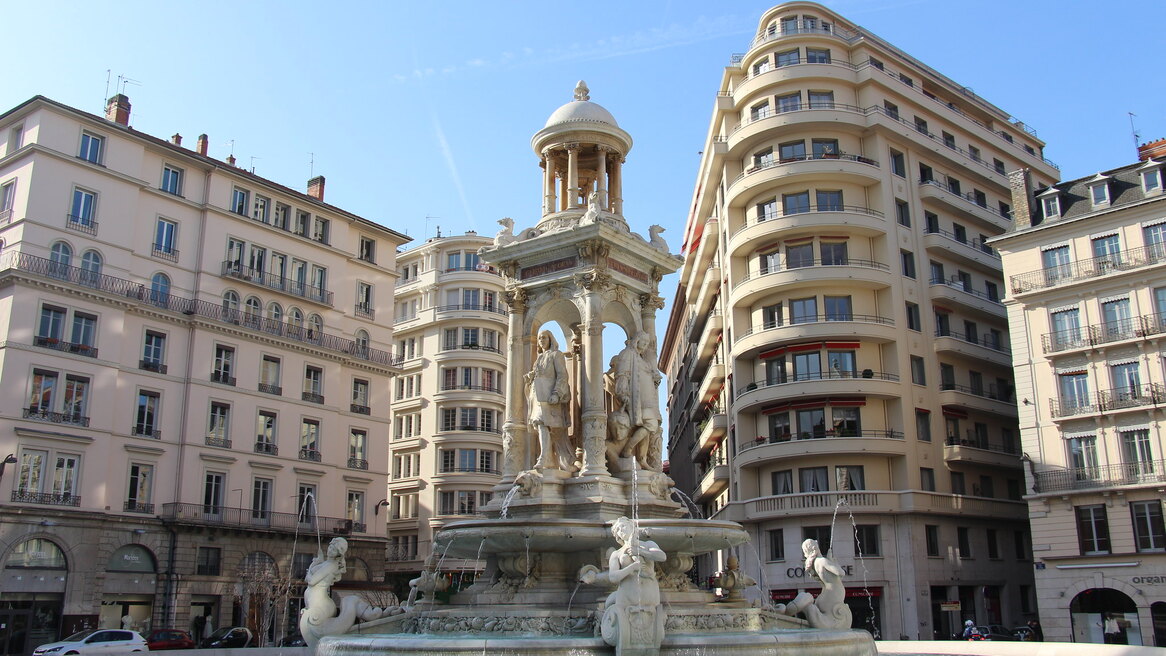
Presqu’ile means peninsula, and the neighbourhood is so named because it’s the slither of land between the Rhône and Saône rivers. As well as water views all around, Presqu’ile is a great neighbourhood for elegant, 19th century architecture, and for shopping. The roads of Presqu’ile have a boulevard quality, adding to the grand appearance: Rue de la République, which is pedestrianised, is now Lyon’s main shopping street. Rue Président Edouard Herriot is the street for high-end purchases. As well as shopping, Presqu’ile has Lyon’s Musée des Beaux Arts and the city hall. Presqu’ile is lively into the evenings as well, with restaurants and theatres becoming the focus, including the beautiful Opéra de Lyon.
Did you know? While most visitors aren't driving, there's an odd set of traffic conditions at the northern end of Place Carnot, where drivers briefly have to drive on the left...
Discover our recommended hotels near Presqu’ile
Explore more >
View all hotels in Presqu’ile
Explore more >
Ideal for: relaxed breaks, foodies, traditional atmosphere, historic architecture, living like a local, families
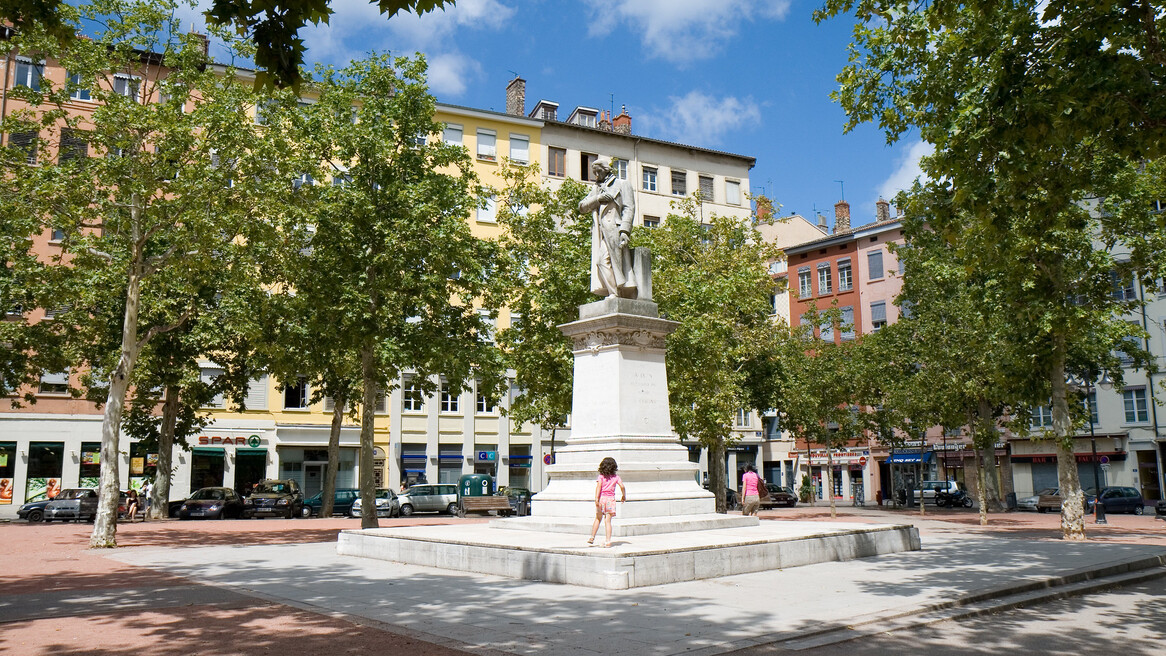
La Croix-Rousse, or "The Hill", is a bohemian neighbourhood with a bent towards the traditional Lyonnais lifestyle. This area used to be a centre of silk production, and there’s plenty here that celebrates this: murals, demonstrations, and a museum. La Croix-Rousse also has great fresh produce markets and traditional shops. The layout feels traditional too; leafy squares overlooked by mid-sized homes and high streets, and a pretty church. Some of the old silk weavers’ homes have been UNESCO Listed, so it’s not just the locals who appreciate this neighbourhood’s historic importance!
Did you know? The nickname for La Croix-Rousse is "the hill that works", because of its busy silk-weavers, and in opposition to Lyon's other hill, Fourvière, which was always known as "the hill that prays", because of its churches.
Discover our recommended hotels near La Croix-Rousse
Explore more >
View all hotels in La Croix-Rousse
Explore more >
Ideal for: city breaks, photographers, architecture lovers, shoppers, water views, families, cool kids, night owls
 By Flickr user Albert Aguilera
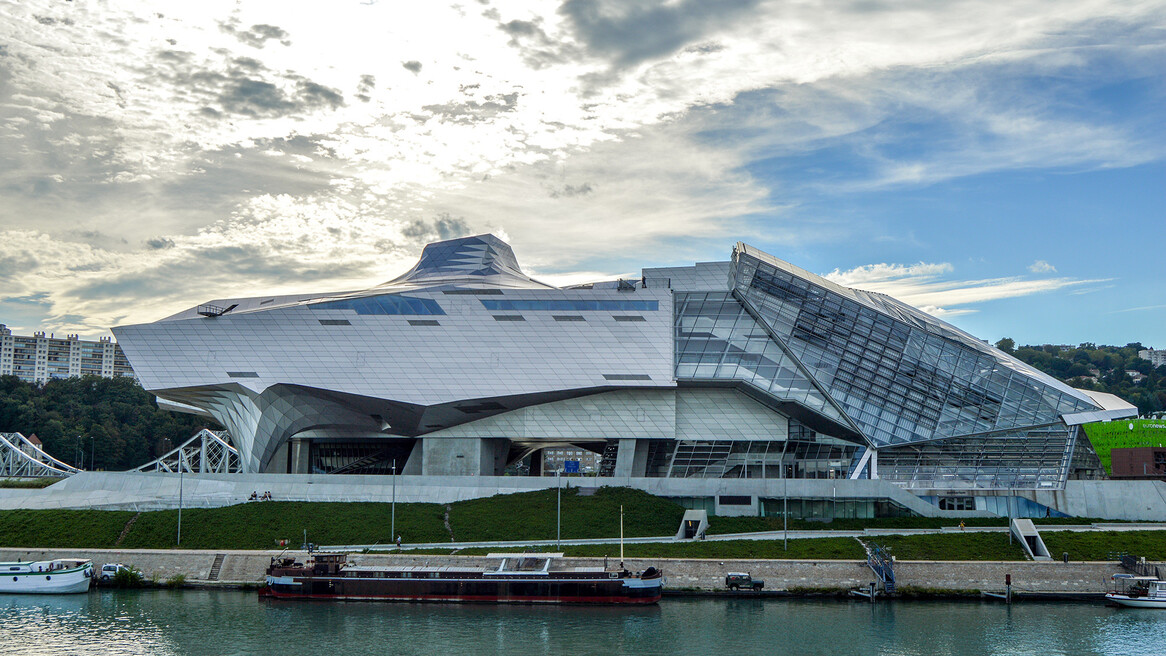
La Confluence is a study in post-industrial, waterfront cool: old docks converted with the power of innovative architecture into apartments, offices, and shopping, dining and entertainment centres. Because of this, it is now one of the most cutting-edge Lyon neighbourhoods. There are a surprising number of public parks and gardens, and great stretches of riverside access, because La Confluence is a sort of island, between both the Rhône and Saône rivers. It also boasts a museum: Musée des Confluences, which features dinosaurs housed in a futuristic building; and La Sucrière, an impressive art gallery space.
Did you know? The Musée des Confluences is supposed to look like a "cloud of knowledge".
Discover our recommended hotels near La Confluence
Explore more >
View all hotels in La Confluence
Explore more >
Ideal for: city breaks, short stays, shopping, travellers on a budget
La Part-Dieu is geared primarily towards business, shopping and entertainment around Lyon’s main station: the Gare de La Part-Dieu. To give a sense of the area's local colour, there’s a massive Westfield and several high-rise buildings (there aren’t many of those in Lyon), as well as a traditional covered food market, a concert hall, several theatres, and Fort Montluc, an elegant remainder for Lyon’s old city walls, and now a police station. This is a fantastic place to stay if you’re interested in travelling further afield, or love convenient travel links. It’s also great for places to eat and drink, and for shopping.
Did you know? La Part-Dieu's shopping centre has around 300 shops, and a 7,000m² roof terrace, complete with a garden and cinema.
Discover our recommended hotels near La Part-Dieu
Explore more >
View all hotels in La Part-Dieu
Explore more >
Ideal for: foodies, travellers on a budget, living like a local, longer stays
La Guillotiere is a multicultural neighbourhood on the left bank of the Rhône. This is where you’ll find Lyon’s Chinatown, and it’s a hub for Algerian and African restaurants, and street art. La Guillotiere doesn’t have museums or galleries, but it does have plenty of schools and universities, so it has a relaxed, residential vibe, with plenty of places to eat and drink, and stroll; in fact, a large stretch of the Rhône’s riverside is pedestrianised. This stretch is called the Berges du Rhône, and is run through with walking and cycling paths. The neighbourhood also has a huge swimming complex.
Did you know? La Guillotière has two cemeteries, one of them, the New Guillotière Cemetery, is the final resting place of the Lumière brothers, pioneers of cinema, and the first people to show a projected film.