
 Image by Phil Wild from Pixabay
Birmingham is the UK’s second largest city: a market town that caught the wind of the Industrial Revolution, to become ‘the workshop of the world’. Birmingham’s voracity for production made it a target during WW2, and it received some of the heaviest bombing outside of London. The rebuilding continues: to the extent that it always feels as if there’s regeneration and revitalisation going on, and the skyline is an ever-evolving shape that accommodates contemporary glass and steel, alongside sturdy Victorian ironwork. All this newness attracted key multinationals and creative businesses, so Birmingham today is a city with a rich cultural scene, an innovative eating and drinking culture, and glamorous shopping, as well as historic canals and important industrial architecture.
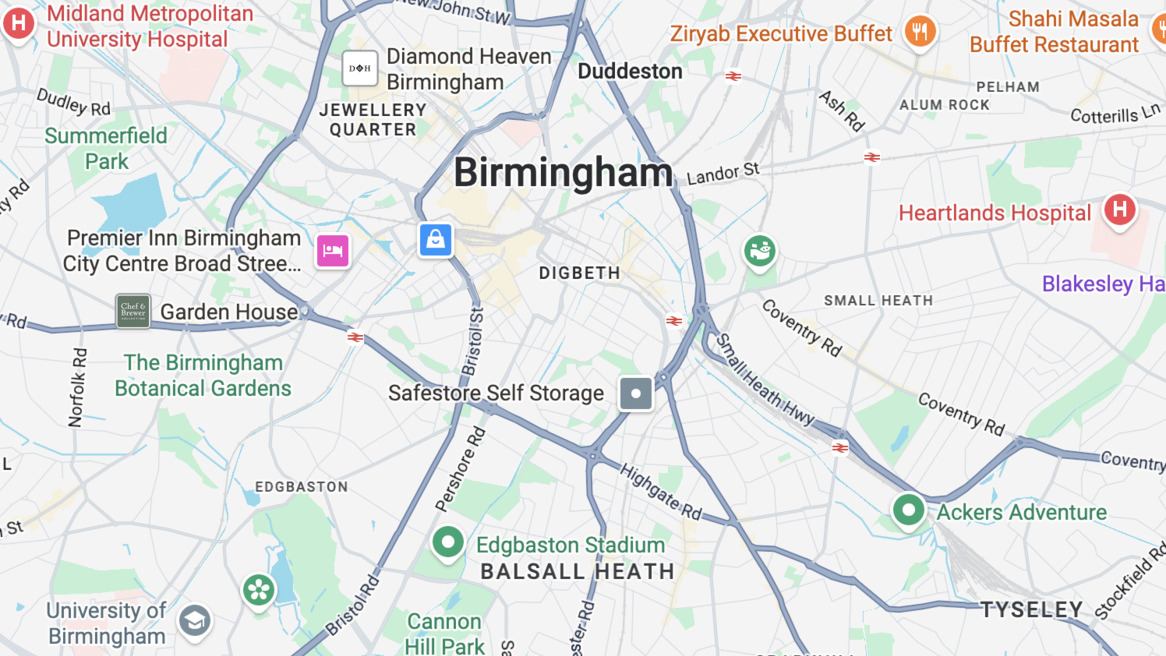
Birmingham’s architecture may change with each visit, but if you’re interested in noting the changes, the City Centre is the best place to stay. It’s great for sightseers and shoppers, and those hoping to see the shows and eat and drink well. Chinatown is another good central neighbourhood, close to New Street Station and great for foodies. Still central, but artier and edgier, Digbeth is a good choice for cool kids, street food and street art, access to venues like The Custard Factory, and nightlife. The Jewellery Quarter is the historic central neighbourhood pick, still known for its huge number of jewellery businesses, and more industrial - yet high end - vibe. Families might like staying in Edgbaston or Bournville, which are both more residential neighbourhoods, with green space, many aparthotels, and good transport links.
Ideal for: city breaks, sightseeing, shopping, families, first-time visitors, short stays, lively nightlife
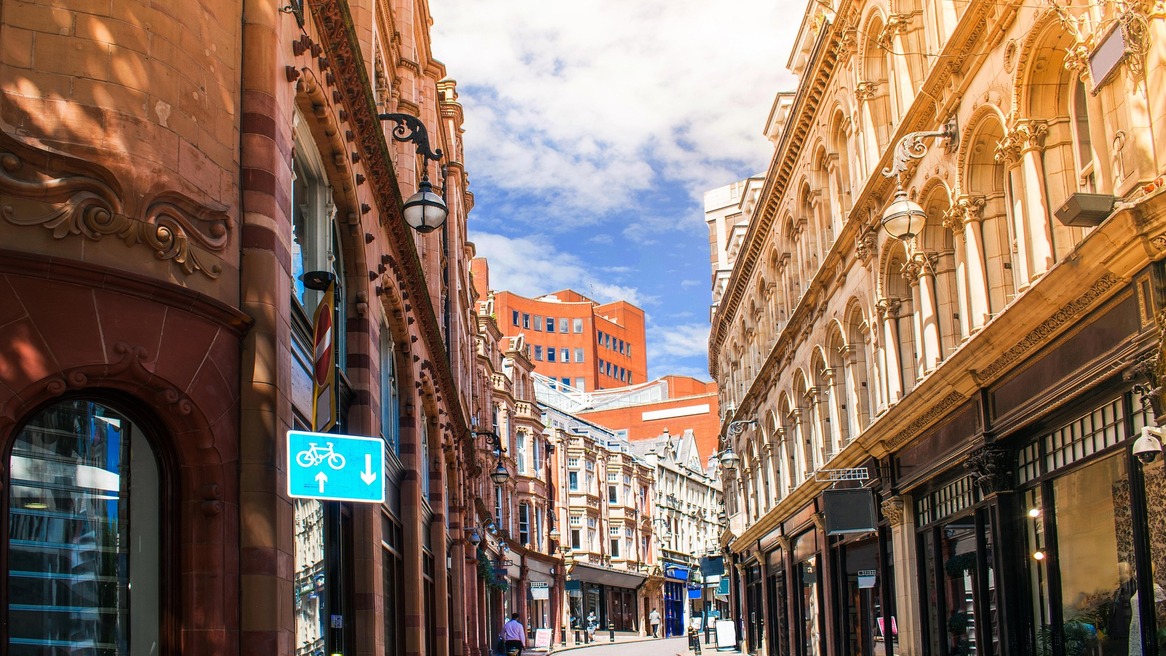 Image by Mohammed Mohammed from Pixabay
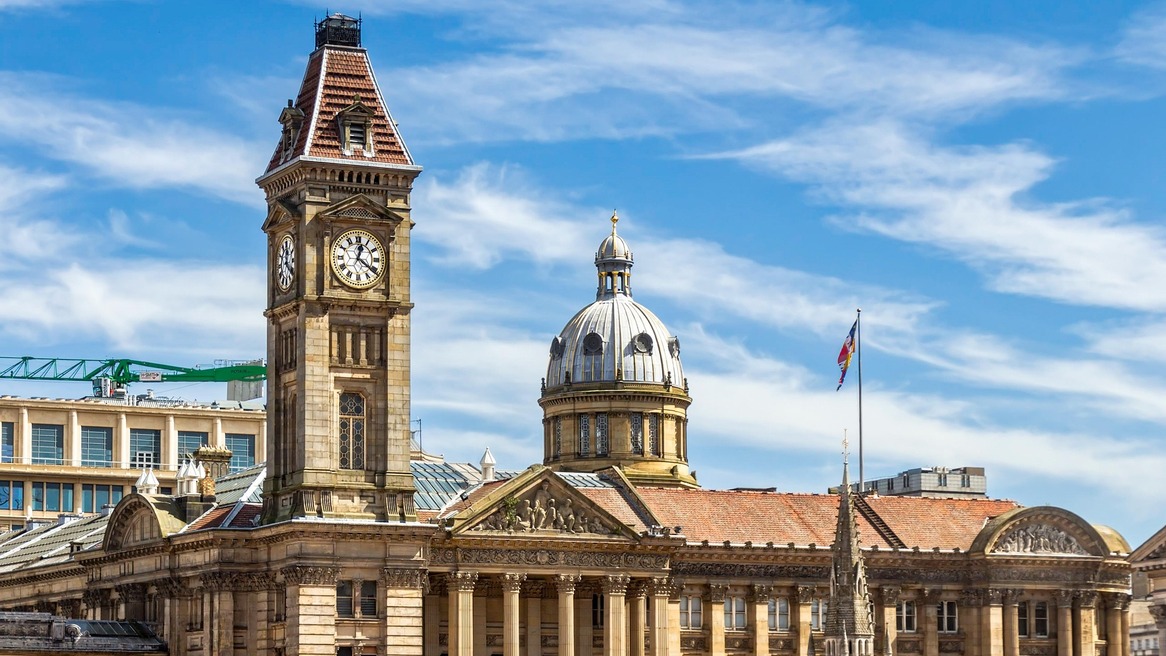
Exiting and walkable, Birmingham’s City Centre is known for its architecture, shopping, cultural riches and historic canals. The Bullring, with its famous statue, is a major shopping destination, but also a hub for street art and entertainment. This is also a fantastic place to eat and drink, and the City Centre has great transport links too. The City Centre is also where visitors can find the Birmingham Museum and Art Gallery, the Symphony Hall, Saint Philip’s Cathedral, and the incredible Central Library building. Families might also enjoy a visit the Thinktank Birmingham, the Museum of Science and Industry and the National SEA LIFE Centre Birmingham. Birmingham has more miles of canal than Venice, and you can also use them to canoe and paddleboard, if you fancy a different way of exploring the city.
Did you know? Birmingham is one of the youngest cities in Europe, around 40% of the population are 25 or under.
Discover our recommended hotels near Birmingham City Centre
Explore more >
View all hotels in Birmingham City Centre
Explore more >
Ideal for: cool kids, city breaks, sightseeing, party people, night owls, shopping
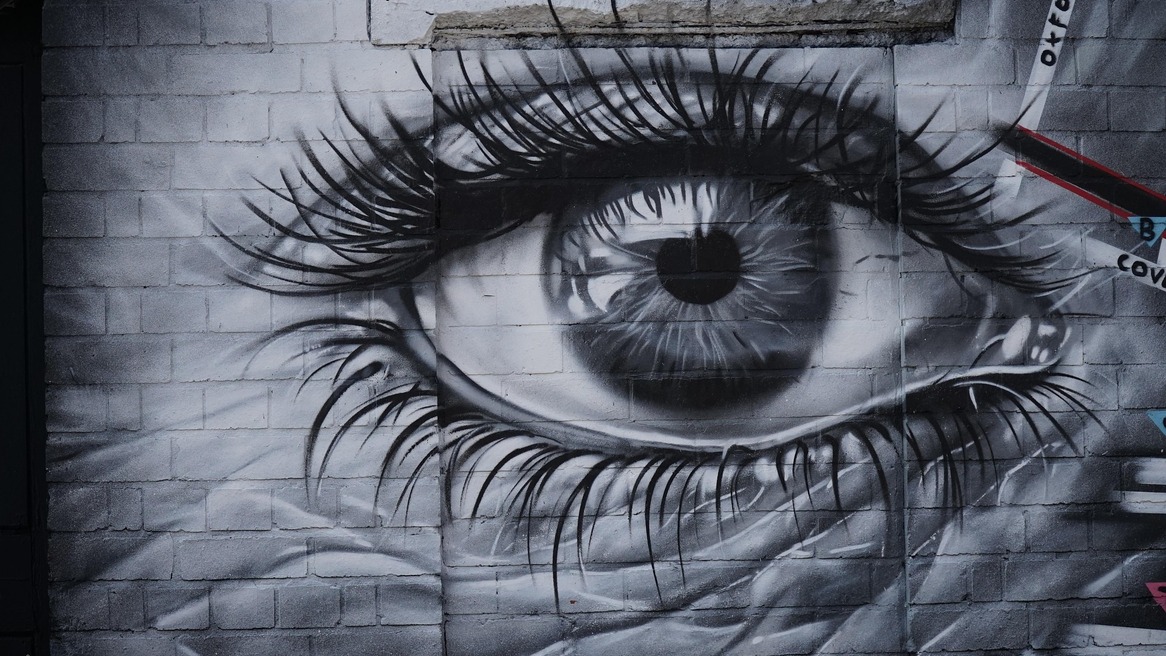 Image by John Hayes from Pixabay
Cool and creative, with industrial chic vibes and fantastic street art, Digbeth is an ideal neighbourhood for visitors looking for a fresh and unique cultural experience. This is a former industrial neighbourhood turned cool: The Custard Factory no longer produces custard, but is one of the area’s creative hubs, with an exhibition space, a venue and independent boutiques, cafes and bars. Around The Custard Factory are more venues, pubs (including Birmingham’s oldest, dating from 1368), and places to eat and drink, plus a wonderful array of murals. And Digbeth really comes alive after dark! The area is close to the City Centre’s attractions too; some of Digbeth is less than ten minutes walk from the Bullring.
Did you know? The Custard Factory did originally produce Bird's custard powder.
Discover our recommended hotels near Digbeth
Explore more >
View all hotels in Digbeth
Explore more >
Ideal for: foodies, market shopping, lively nightlife, sightseers, city breaks
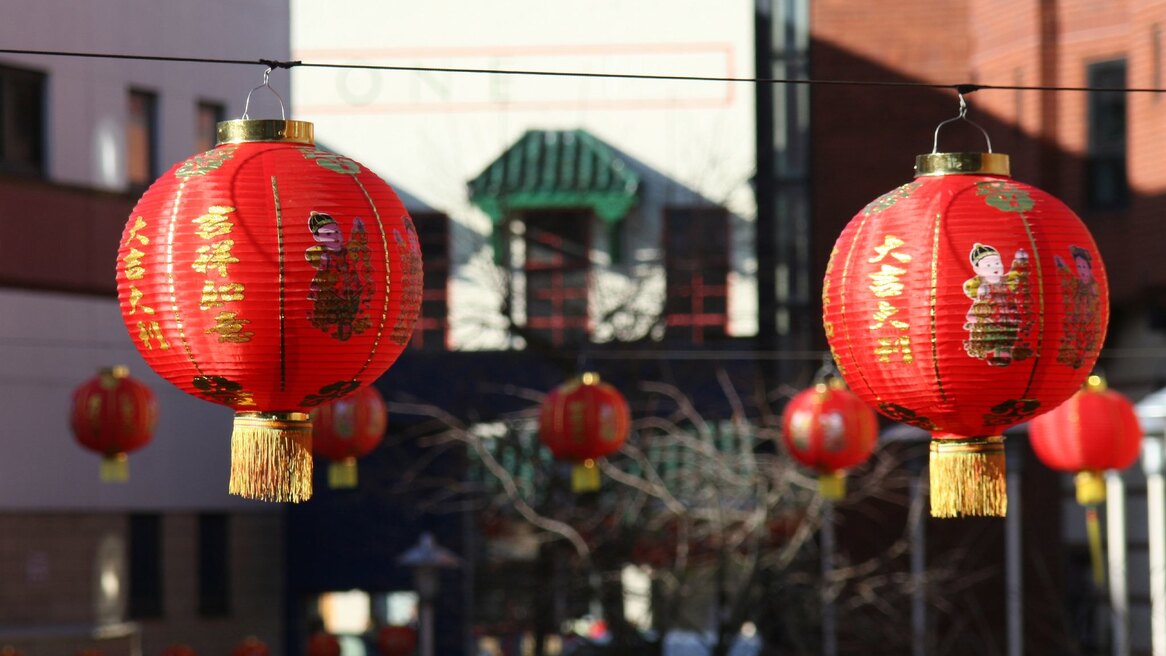
Chinatown is a great choice for anyone who loves Asian food (or food generally) and enjoys a bustling, market atmosphere. It is close to New Street Station, yet has a bit more character than other central neighbourhoods. This is an historic area, close to the famous Back-to-Back cottages, and has been known for its restaurants, shopping, and evening entertainment for decades. It’s not just Chinese, Korean, Japanese and Malaysian food, Chinatown is also known for its French and Italian cuisine! The Birmingham Hippodrome is here, and now it’s also known for its bubble tea.
Did you know? Birmingham's Chinatown is actually pretty young; it grew up around a Cantonese restaurant, Chung Yin, which was actually converted from a Jewish Synagogue in 1981.
Discover our recommended hotels near Chinatown
Explore more >
View all hotels in Chinatown
Explore more >
Ideal for: city breaks, sightseeing, history lovers, jewellery lovers, romantics
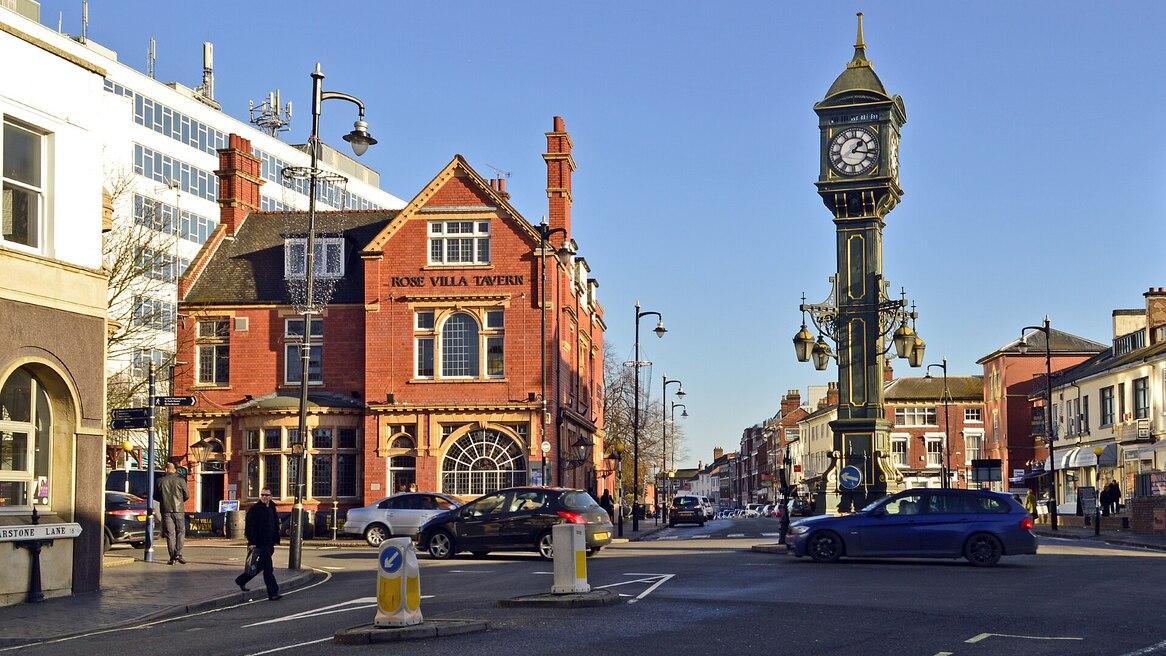
The Jewellery Quarter is both exciting and historic: home to around one hundred jewellery workshops, businesses and galleries, plus the Museum of the Jewellery Quarter. It also has a Pen Museum and a Coffin Works Museum, and all three prove how significant this neighbourhood was in manufacturing terms. The district is also home to other creative workshops, and to St. Paul’s Square and church, which are ringed by Georgian houses. The creativity of the Jewellery Quarter isn’t entirely focused on jewellery; this is also a great place for innovative dining, and there are some fantastic places to stay here too.
Did you know? The Jewellery Quarter still produces around 40% of the UK's jewellery.
Discover our recommended hotels near The Jewellery Quarter
Explore more >
View all hotels in The Jewellery Quarter
Explore more >
Ideal for: travellers on a budget, sightseeing, families
 By BlueandWhiteStripes - Own work, CC BY-SA 4.0
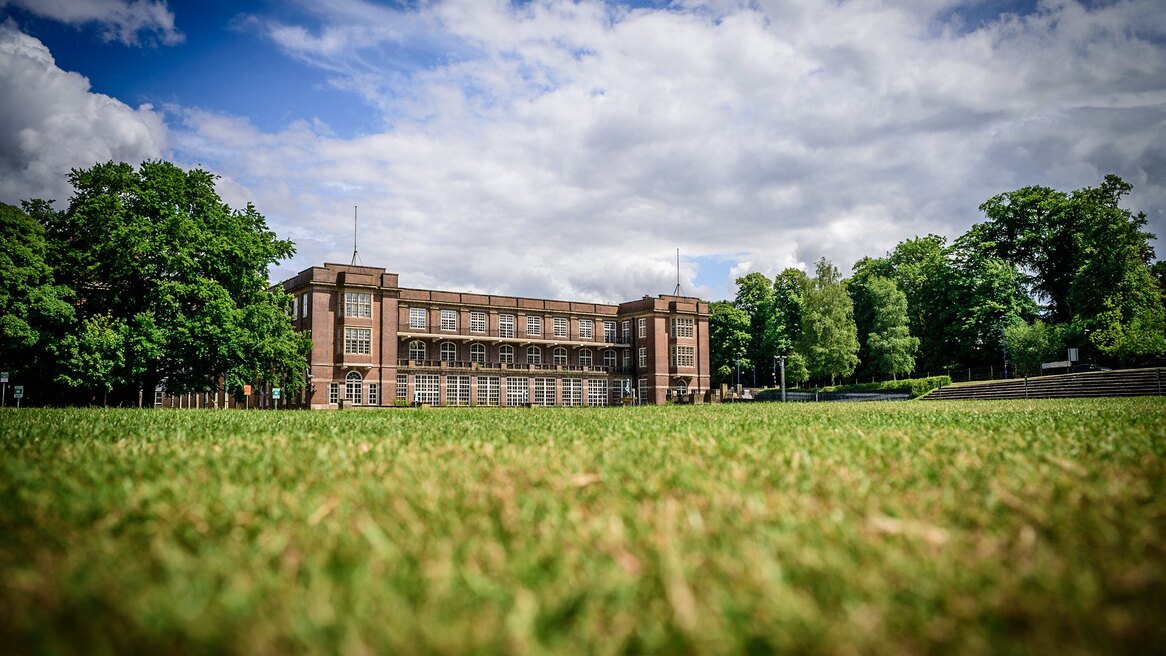
Selly Oak is located between the centre of Birmingham and leafier Bournville, and offers a mix of appeals, as well as good transport links in both directions. It has a large student population (it neighbours the University of Birmingham), which means there are great value pubs, bars, cafes and restaurants, as well as a good range of accommodation. Selly Oak’s own local attractions include the Selly Manor Museum, which is an historic Tudor House, and Selly Oak Park. The area is also convenient for visiting Cadbury World in the historic Cadbury’s chocolate factory.
Did you know? Selly Oak is named after an actual oak tree. Though it was felled in 1909, due to damage, the stump of the tree was moved to Selly Oak Park, where you can still see it.
Discover our recommended hotels near Selly Oak
Explore more >
View all hotels in Selly Oak
Explore more >
Ideal for: a quirky base, families, sightseeing, chocolate lovers
Bournville is an historic model village — not one of the tiny ones — a real-size village run on Quaker principles to provide a pleasant community for workers at the Cadbury Factory. The factory is now Cadbury World, a chocolate museum come theme park, and a great attraction. Bournville also has a charming carillon on the village green, and plenty of arts-and-crafts era architecture. This is still a residential neighbourhood, so there are contemporary amenities too, and it makes a great base for families visiting Birmingham, being around 15-20 minutes from the city centre by train.
Did you know? George Cadbury built Bournville with the belief that "no man ought to be condemned to live in a place where a rose cannot grow". Originally Cadbury decreed that each house could only occupy a small fraction of its plot, so everyone had to have a big garden, the idea being that workers could grow their own food.
Discover our recommended hotels near Bournville
Explore more >
View all hotels in Bournville
Explore more >
Ideal for: families, luxury lovers, romantic breaks, cricket-lovers, shopping, foodies
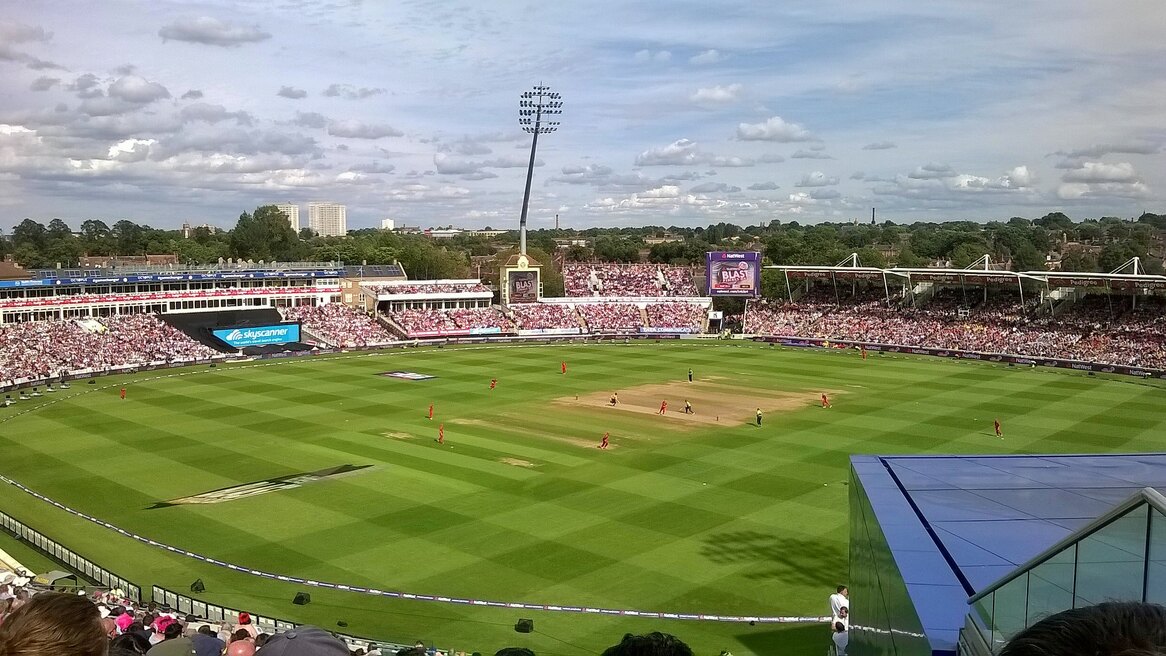
Leafy, green, and just outside of Birmingham’s centre, Edgbaston is a great neighbourhood for visiting families who might need a bit more space AND for cricket lovers, because Edgbaston is probably best known for its cricket ground. In addition, Edgbaston has botanical gardens (which surround Winterbourne House and Gardens), Perrott’s Folly (the Birmingham Wildlife and Conservation Park), and the Barber Institute of Fine Arts. The village centre is a desirable place to be, with an excellent range of places to eat and drink, from Michelin-starred restaurants to family-friendly pubs, and great shopping as well. The tram has direct links to the city centre if you want to venture further afield.
Did you know? Edgbaston might be popular as a cricket venue now, but this is where lawn tennis was first played!