
 Image by Thomas G. from Pixabay
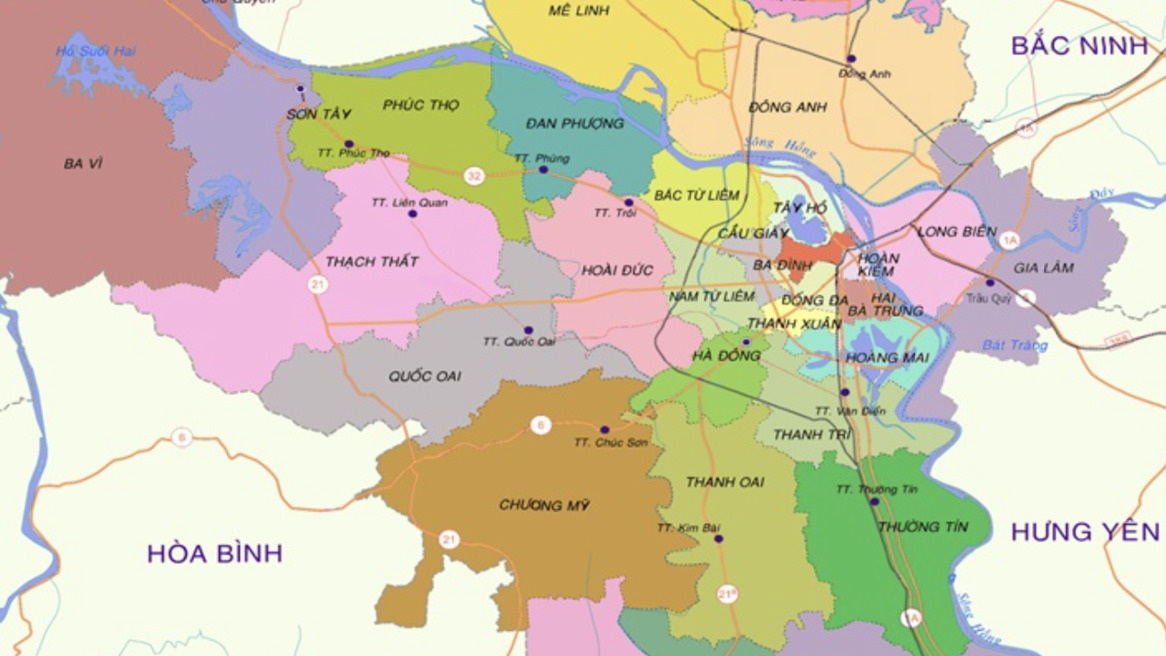
First time in Hanoi? We recommend you stay in the Old Quarter.
Hanoi City Break? Some good places to stay are in the Old Quarter and Ba Đình.
In Hanoi to see all the sights? Stay in the Old Quarter, Ba Đình, Truc Bach or Cầu Giấy.
Bringing your whole family to Hanoi? We recommend Ba Đình, Tây Hồ, Truc Bach or Cầu Giấy.
Coming to Hanoi for the food and markets? Stay in the Old Quarter, Hai Bà Trưng, Truc Bach or Cầu Giấy.
In Hanoi to have a good time? Some good places to stay include Tây Hồ, Hai Bà Trưng, Truc Bach and the Old Quarter.
Want to live like a local in Hanoi? Consider staying in Tây Hồ, Hai Bà Trưng or Cầu Giấy.
Hoping to stay a bit longer in Hanoi? Consider staying in Tây Hồ, Truc Bach or Cầu Giấy.
Hanoi is a bustling capital that somehow manages to be both ancient and contemporary at the same time! Tree-lined boulevards from the French period pass ancient temples, with vibrant food markets creating a bridge between the temples and the skyscrapers and shining malls. Hanoi’s accommodation options range just as widely, from cutting-edge cleverness to grand dames, and modest rooms to palatial apartments, and from the historic, lively Old Quarter, to hip Hai Bà Trưng, peaceful Tay Ho, and the luxurious French Quarter.
Hanoi’s contrasts are what make this such a special destination, so it’s important to choose your base carefully. The Old Quarter is busy and exciting, often referred to as ‘the beating heart of the city’. This is a wonderful neighbourhood to stay in if you want to be caught up amongst food markets, food barrows, and thousands of bikes and pedestrians, on wide streets and narrow alleyways, both lined with ancient shops, cafes and restaurants. To the southeast is the elegant French Quarter with its grand colonial buildings, and more sightseeing opportunities, and neighbouring that is Ba Đình, which is where you’ll find the Presidential Palace, Ho Chi Minh’s Mausoleum and the Temple of Literature. If you’re looking for a neighbourhood where you’re more likely to meet some local people, consider trendy Hai Bà Trưng. Tây Hồ, by the lake, is peaceful, as is Truc Bach, and our Gurus recommend both of these neighbourhoods to travelling families.
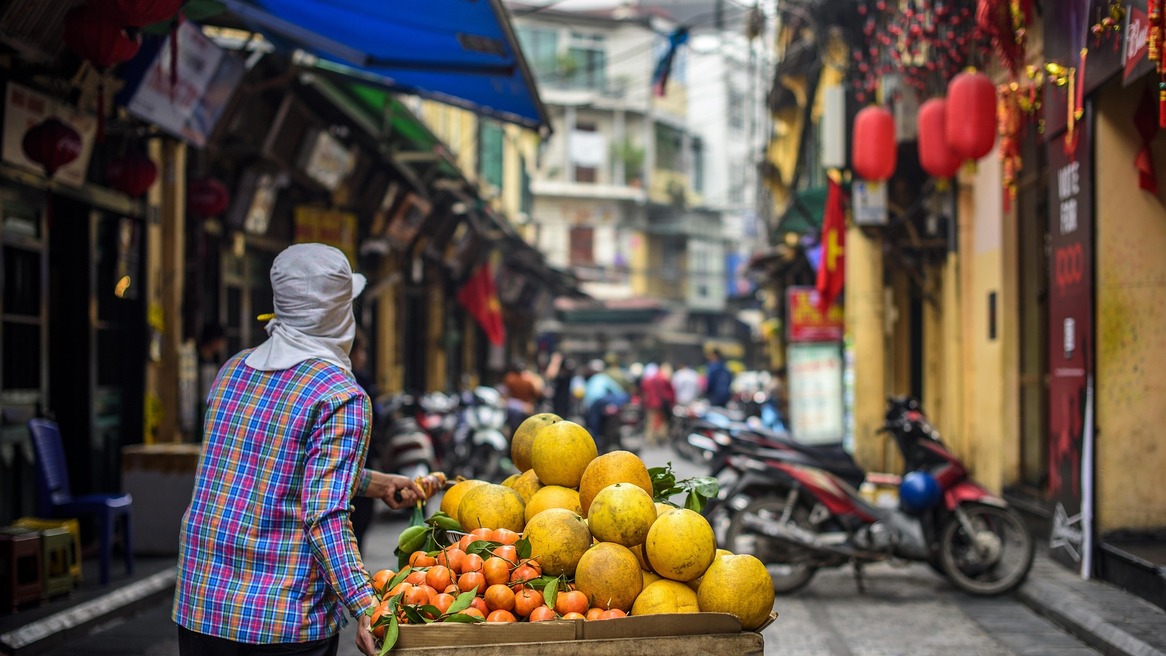 Image by Ngo Tuan Anh from Pixabay
Hanoi’s Old Quarter is a busy, historic, vibrant and fragrant, but also surprisingly green neighbourhood. If you stay here, you can expect to eat fresh-as-it-gets street food, navigate motorcycles, casually spot architectural treasures, and shop artisanal gems on the 36 guild streets. The area surrounds the old Imperial Citadel, and is still meshed in a historic tradition of each street selling a different item, from silver to quilts and blankets to jams. The Old Quarter also has more than its fair share of food markets and goods markets, and while it can be overwhelming in its energy, this bustling commerce is the key to Hanoi. The nightlife carries on from the day life: busy, lively and ever changing. Don't miss the Hanoi Bach Ma Temple, the Night Market, and the tube-houses.
Ideal for: city breaks, foodies, shopping, sightseeing, first-time visitors, history lovers, night owls, party people
Discover our recommended hotels near Hanoi's Old Quarter
Explore more >
View all hotels in Hanoi's Old Quarter
Explore more >
 Image by Sinh Đặng from Pixabay
Many of Hanoi’s cultural and historic monuments are just to the west of the Old Quarter, in Ba Đình, the cultural centre established in the eleventh century. The remains of the Imperial Citadel of Thăng Long, the Temple of Literature, the Botanical Gardens and the One Pillar Pagoda remain from this early period, but the French administration’s colonial buildings uprooted many of the more ancient buildings, and now make up many of the prominent historic sights, including the Presidential Palace and Ho Chi Minh’s Mausoleum and Museum. More cultural and current are the Fine Arts Museum and the Military History Museum. Ba Đình is also one of the busiest neighbourhoods for government offices today, so it has a busy lunchtime culture, as well as nightlife. Ba Đình is a key neighbourhood for sightseeing.
Ideal for: sightseeing, city breaks, short stays, families
Discover our recommended hotels near Ba Đình
Explore more >
View all hotels in Ba Đình
Explore more >
 Image by Bá Thắng Nguyễn from Pixabay
Tây Hồ ís an ex-pat friendly neighbourhood on picturesque Tây Hồ, which translates as West Lake, about five kilometres to the north of the Old Quarter. The lake is big: its perimeter measures 17 km, so this neighbourhood is somewhat sprawling, but great for evening strolls and watching the sunset. Around the lake are beautiful villas with incredible tropical gardens and plenty of stunning hotels too. However, Tây Hồ does have its landmarks too, including the atmospheric, 6th century Trấn Quốc Pagoda, and the Quán Thánh Temple, one of the four sacred temples of ancient Hanoi. There are plenty of great places to eat and drink: restaurants, cafes and bars, and street food vendors and markets.
Ideal for: relaxing trips, luxury lovers, longer stays, families, living like a local
 Image by Cuong Le from Pixabay
Just to the south of the Old Quarter, Hai Bà Trưng is a large area, with many neighbourhoods within it, and some of Vietnam’s major universities. Because of its size, Hai Bà Trưng appeals to a variety of types. It has friendly, student-y corners; large green spaces; bustling commercial pockets; entertainment and nightlife ‘zones’; and visitor hubs. Sightseers won’t want to miss the huge aquarium; the Quynh Loi Pagoda; Dong Nhan Temple; romantic Thong Nhat Park and Hồ Bảy Mẫu, its lake; vast Vincom Shopping Mall; and the Mo Market, where it feels as if you can buy everything. There’s a huge variety of accommodation in Hai Bà Trưng, and an even larger choice when it comes to eating and drinking. Staying here offers a more immersive experience of Hanoi.
Ideal for: shopping, living like a local, cool kids, younger travellers, night owls, party people
Discover our recommended hotels near Hai Bà Trưng
Explore more >
View all hotels in Hai Bà Trưng
Explore more >
 Image by Thomas G. from Pixabay
Truc Bach is a waterfront neighbourhood on the city and Old Quarter side of West Lake or Tây Hồ. It is not as bustling as more central neighbourhoods, because it’s on the outskirts, but it’s livelier than Tây Hồ, and there are fewer expats. One of the most magical Truc Bach sights is Đền Thủy Trung Tiên, a tiny temple on a pretty island in the middle of the lake, connected by an ornate bridge. The Trấn Quốc Pagoda is close to the land side of the bridge. Cafe culture thrives here. There are an astonishing number of coffee vendors you could buy from, including the famous Highland Coffee Boat, a floating coffee shop in the style of traditional floating Chinese restaurants.
Ideal for: families, sightseeing, travellers on a budget, longer stays, cool kids, cafe lovers
Discover our recommended hotels near Truc Bach
Explore more >
View all hotels in Truc Bach
Explore more >
 By Steven dosRemedios via Flickr
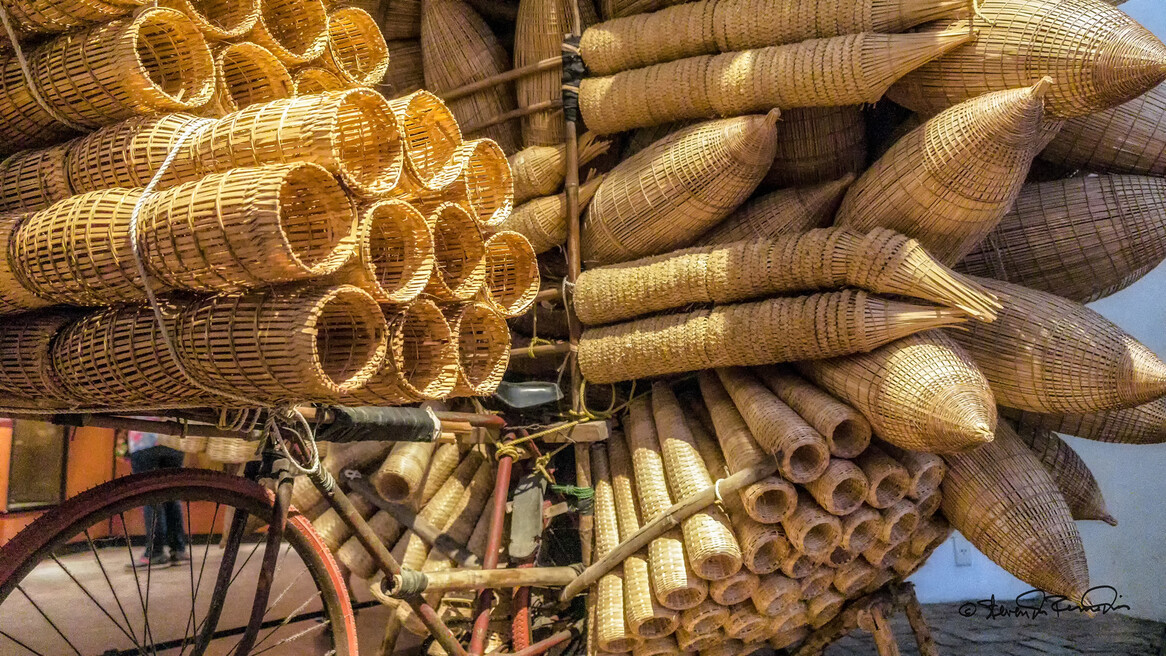
Cầu Giấy is both new and old at the same time. It's a collection of small, historic neighbourhoods, and an area of urban development — tall apartment buildings and office space are still being built here. The name translates to “paper bridge”, and references the tradition of making paper. It wasn’t just paper that was made here, though. The types of things produced here runs to speciality sweets and desserts too, and many of them are still produced here in one way or another. Vong Village is especially well known: this is where the sticky green rice is made that goes into local specialities like banh com and com xao. The contemporary part of Cầu Giấy has a huge city park, several shopping streets, and entertainment streets, and it houses the Vietnam Museum of Ethnology. It’s not a touristy district, so it’s a good place to meet some local people. There are a number of excellent schools and universities in Cầu Giấy, so it’s got quite a youthful, but educated, feel on the streets.
Ideal for: families, foodies, history lovers, living like a local, longer stays