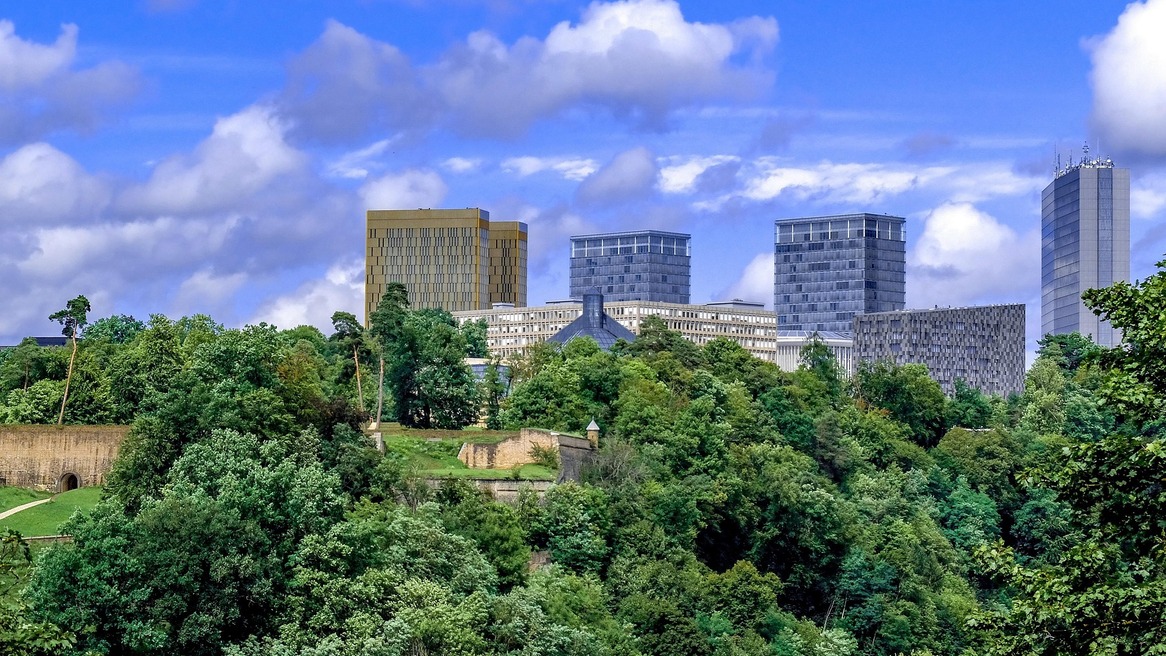

Despite being only 84 kms long, the Grand Duchy of Luxembourg is the world’s third richest nation. You may know that the main industry is currently finance, but it used to be steel! Some of the grand buildings in Luxembourg City are steel and glass contemporary palaces, but there are plenty of historic palaces and other impressive buildings too; the Grand Ducal Palace and the Gothic Notre Dame Cathedral are definitely some of Luxembourg City’s top visitor attractions. The whole city is backed by astounding scenery, whichever way you look. Considering how beautiful it is, Luxembourg City gets relatively few non-business travellers, but there are plenty of lovely places to stay, and plenty to see too. And of course, it has fantastic travel links to just about everywhere else in Europe!
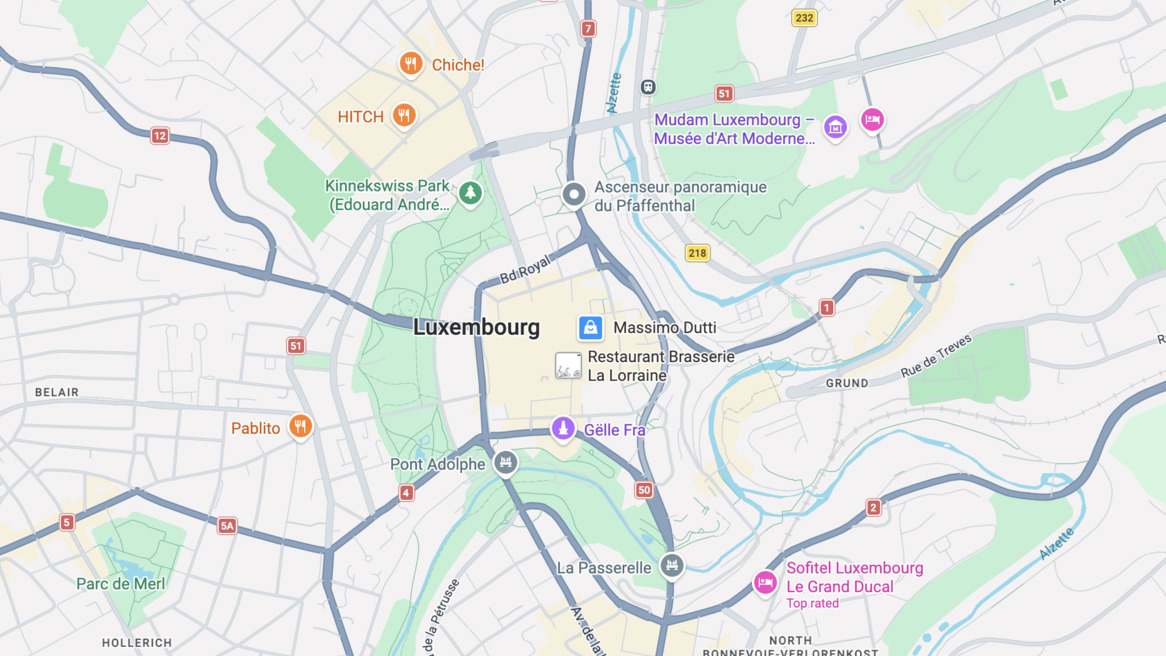
Unlike other capital cities, Luxembourg City is cheaper at the weekend; both hotel rates and subtly, the prices of dining out. So it’s a fantastic place for a weekend break. If you only have a few days, the Old Town: Ville Haute, is the best neighbourhood to stay in, or Gare if you’re arriving and leaving by rail. If you’re a returning visitor, consider staying in historic Grund; it’s only a short stroll from many of the main attractions of Luxembourg City, and it’s got historic architecture and a bit more charm than the centre. If you’re looking for great value accommodation at the weekend, then the hotels in contemporary, business-centric Kirchberg are worth checking out — you’ll still be close to everything. Limpertsberg and Belair are more residential areas, and good areas to consider if you’re staying a bit longer, or you want to imagine what it’s like to live here…
Ideal for: city breaks, sightseeing, first-time visitors, romantics, families, history lovers, photographers
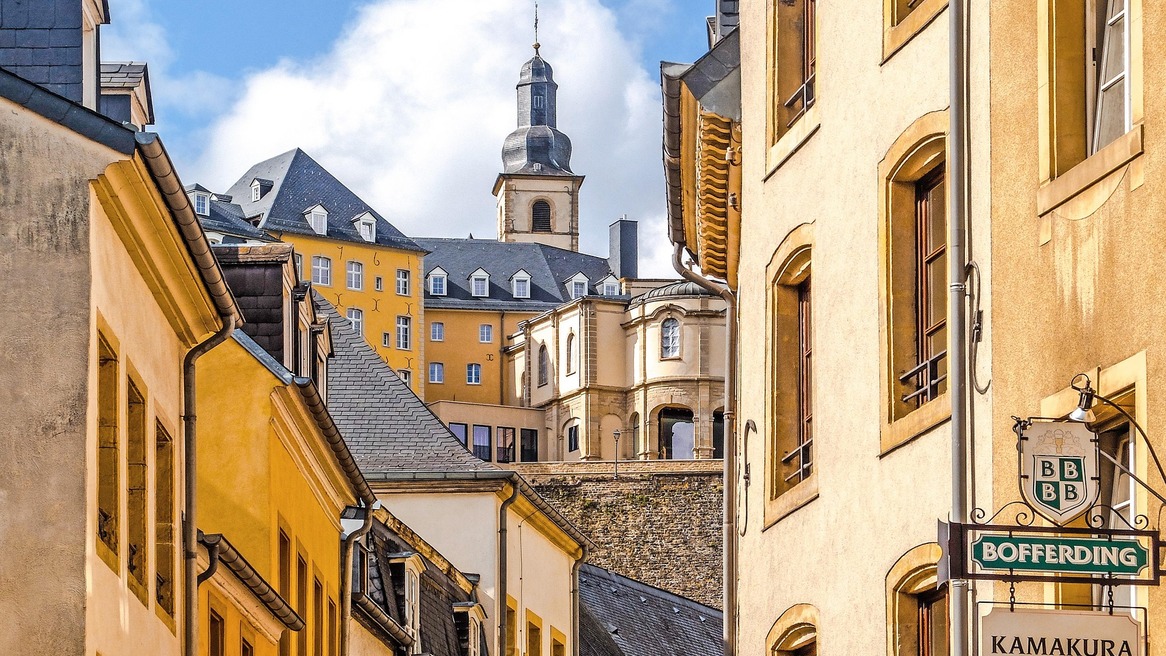
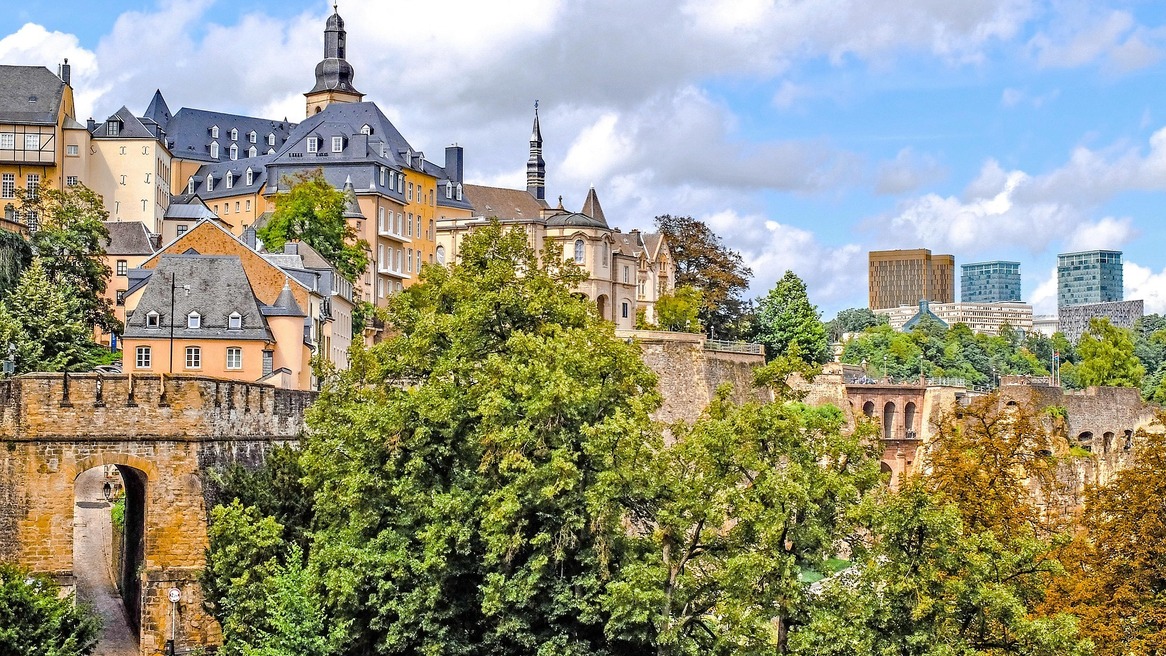
Luxembourg City’s Ville Haute is its Upper Town, or Old Town, the UNESCO Heritage Listed bit around the palace and cathedral, and within the canals. It’s got reams of charm and views across the rest of the city. The Central Square is lined with cafes, bars and restaurants, and in the summer months there are often markets and open-air entertainment. And there’s always great shopping. The Grand Ducal Palace and the cathedral are undoubtedly the main attractions, but the bridges and balconies, over the steep surrounding terrain and valley, are utterly charming to explore too. The National Museum of Art, and the war memorial are worth seeking out, as is the Lëtzebuerg City Museum.
Did you know? Underneath the palace is the 'Bock', or rocky cliff-plateau, and within that have been dug 23 kms worth of tunnels and storage spaces.
Discover our recommended hotels near Ville Haute
Explore more >
View all hotels in Ville Haute
Explore more >
Ideal for: city breaks, sightseeing, architecture lovers, families, couples, photographers, foodies, night owls
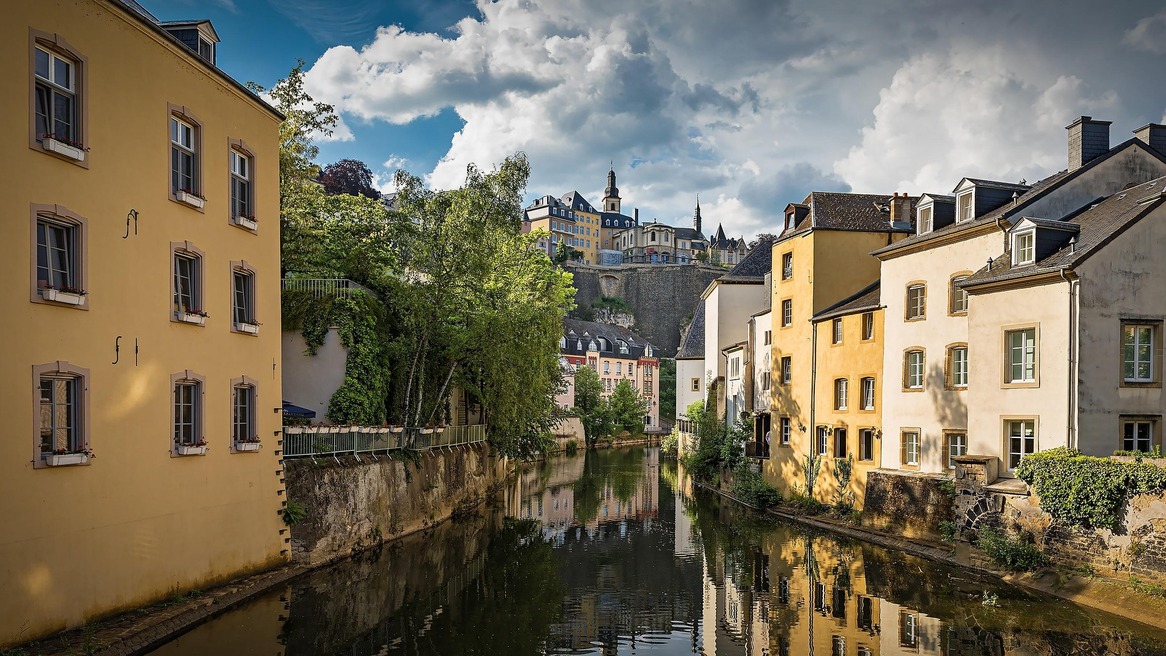 Image by Pit Karges from Pixabay
Grund, and Pfaffenthal, sit below Ville Haute, in the lush valley, but they have a similarly traditional look, with beautiful, buildings set beside the picturesque Alzette River. Think romantic stone properties, graceful bridges, and just the right amount of greenery; Grund is often called “a village within the city”. Like Ville Haute above it, Grund is UNESCO Heritage Listed, and some of the buildings here date from the medieval period. The neighbourhood has been going strong since the 14th century! While Grund lacks the expansive views of Ville Haute, it’s surprisingly easy to get there: can you believe it, there’s a panoramic glass elevator! Called the Pfaffenthal Lift, this is a fantastic attraction (especially for kids) in its own right. But the key thing is that it takes you from the beautiful riverside walkways, with their access to the Natural Museum of Natural History, the remains of the fortress walls, and the charming riverside pubs and restaurants, to the attractions of Ville Haute above. From the description so far you might think Grund is quite peaceful, but it's actually one of the best neighbourhoods for nightlife.
Did you know? The Pfaffenthal Lift ascends and descends 70 metres.
Ideal for: city breaks, great value accommodation, lively nightlife, transport links
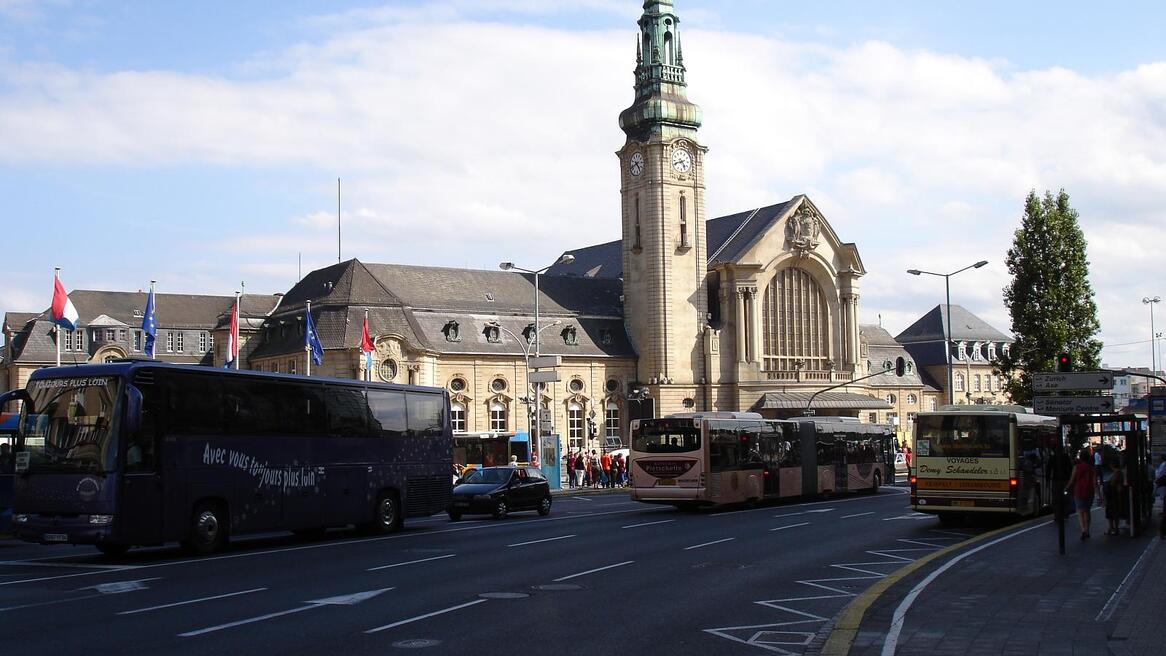
Named for the railway station it surrounds, Gare is close to transport links, and to some of Luxembourg City’s major attractions. Many people arrive in Luxembourg via Gare, so it’s an obvious place to base yourself, especially if you’re only staying for a few days. Once you arrive in Luxembourg City, the public transport is free, so Gare can be a really affordable place to stay too. It is convenient and busy, with plenty of shops and places to eat and drink, but also easy to travel to other parts of Luxembourg City — Ville Haute is just across the beautiful Adolphe Bridge. It’s not the safest part of the city, but it is lively and lots of fun!
Did you know? Around 80% of the people who live in this neighbourhood are foreign nationals, so it's a multicultural spot — even before the visitors!
Ideal for: business travellers, travellers on a budget, contemporary style
Kirchberg is the business district of Luxembourg City. Around sixty years ago the area was fields, but it’s all grown up now, into a European financial powerhouse of steel, glass, concrete and other ultra-modern looking building materials. If you like contemporary hotels, or great weekend deals, then this might be the neighbourhood for you. It’s separated from the Ville Haute by the impressive Grand Duchess Charlotte Bridge, which stretches 355 metres across the valley to Ville Haute, making Kirchberg a relatively short distance from Luxembourg City’s main attractions. But Kirchberg has some attractions of its own too, including the Museum of Modern Art (MUDAM), the concert hall of the Philharmonie Luxembourg, a national sports and culture arena and the European Court of Justice. You'll also find a couple of shopping malls, a park and an arboretum.
Did you know? Many famous contemporary architects and architecture firms have contributed to Kirchberg's skyline.
Discover our recommended hotels near Kirchberg
Explore more >
View all hotels in Kirchberg
Explore more >
Ideal for: families, walkers, photographers, a quiet base
 By Flickr user Tristan Schmurr
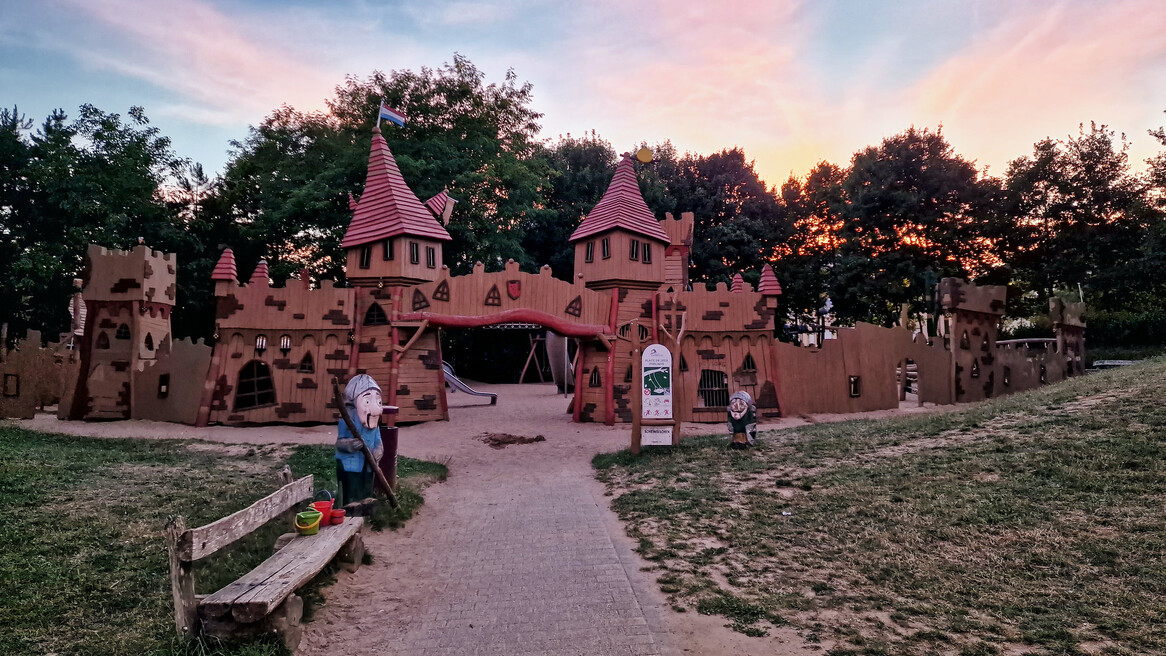
Belair & Limpertsberg are leafy and affluent residential neighbourhoods, a short walk, or even shorter bus ride from Ville Haute. These are ideal bases if you want to be central, but don’t mind a bit more of a walk for the benefit of more green space, more tranquil surrounds, and views of Ville Haute. There are also more spacious accommodation options in these neighbourhoods, so these areas are strong contenders for travelling families. If you have younger kids in tow you might want to look out for the castle-themed playground on Rue Charlemagne. There’s a relaxed, local vibe to the dining options.
Did you know? As recently as 1920 this whole neighbourhood was buttercup meadows.