
 Image by John Wallace from Pixabay
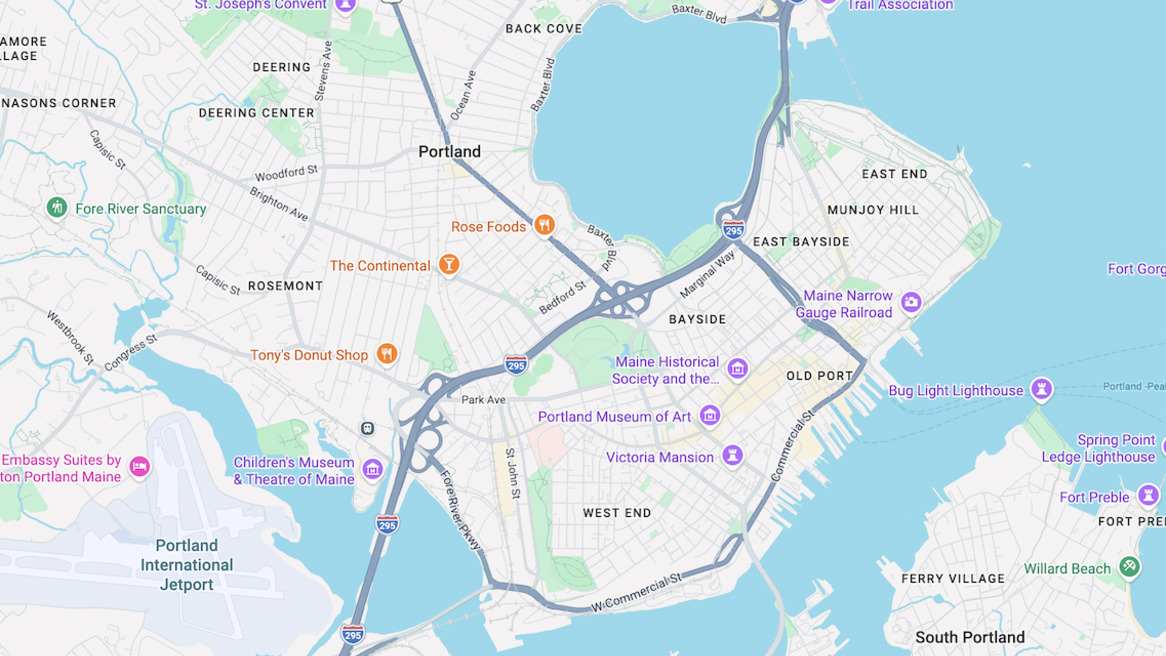
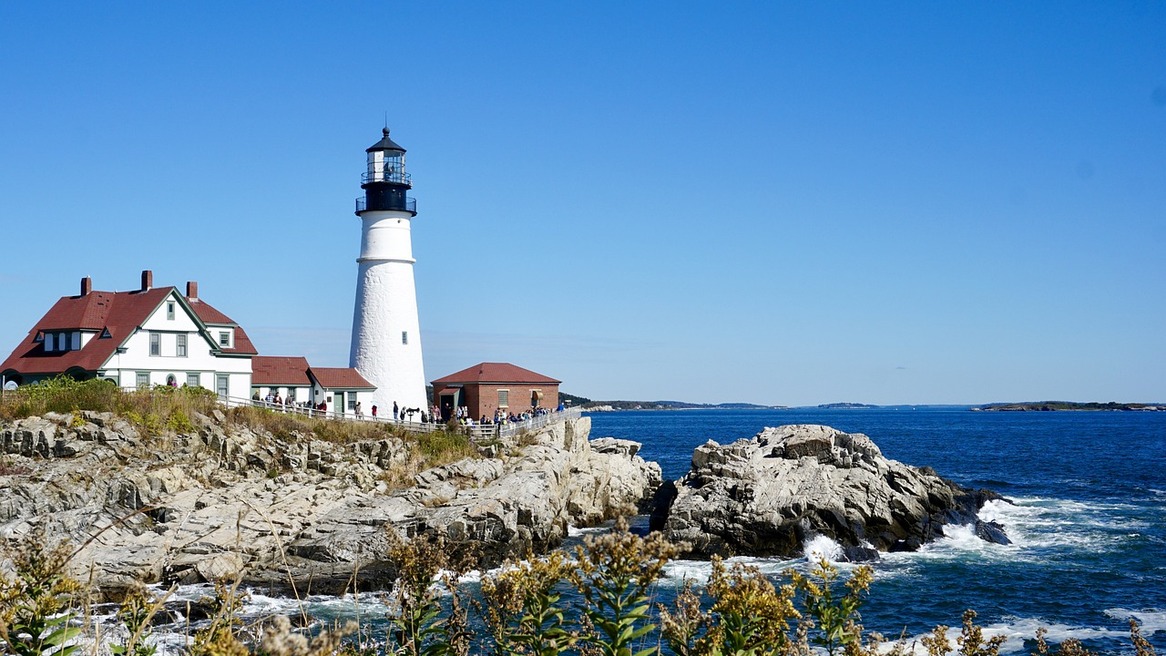
Portland is Maine’s largest city, but despite its size and high calibre museums and art galleries, it still feels like a friendly seaside community, albeit a large and vibrant one. Many visitors to Portland are here for a combination of the city’s incredible seafaring history, its historic old port and warehouses, and its gorgeous coastline, which is beloved by both sailors and beach-lovers. You’d expect the seafood to be exceptional here, but the whole foodie scene is something quite special, from the little cafes and eateries, to fine dining restaurants, to buzzy late-night bars. Hike, sail, cycle, horse ride, kayak, and fish too.
Portland, Maine, has a range of accommodation that is more varied than you might expect. There are deliciously chintzy B&Bs and guesthouses, plenty of aparthotels, and hotels in all shapes and sizes, but also some seriously hip, contemporary options. First-time visitors and anyone here to explore Portland’s historic, seafaring past should consider staying in the Old Port neighbourhood. If you want to be close to the museums and galleries, you might find the Arts District more convenient. And if you’re looking for those hip hotels or Portland’s nightlife, consider staying in Munjoy Hill or the East End, which are areas known for their breweries, nightlife and cool shopping. There are great places to eat and drink all over Portland, but serious foodies should consider staying in East or West Bayside. The West End, Back Cove and Rosemont are great for historic architecture, and B&B and guesthouse accommodation, so ideal for longer stays, or living like a local.
Ideal for: first-time visitors, city breaks, sightseeing, short stays, historic highlights, water views, water access, foodies, shopping, romantics
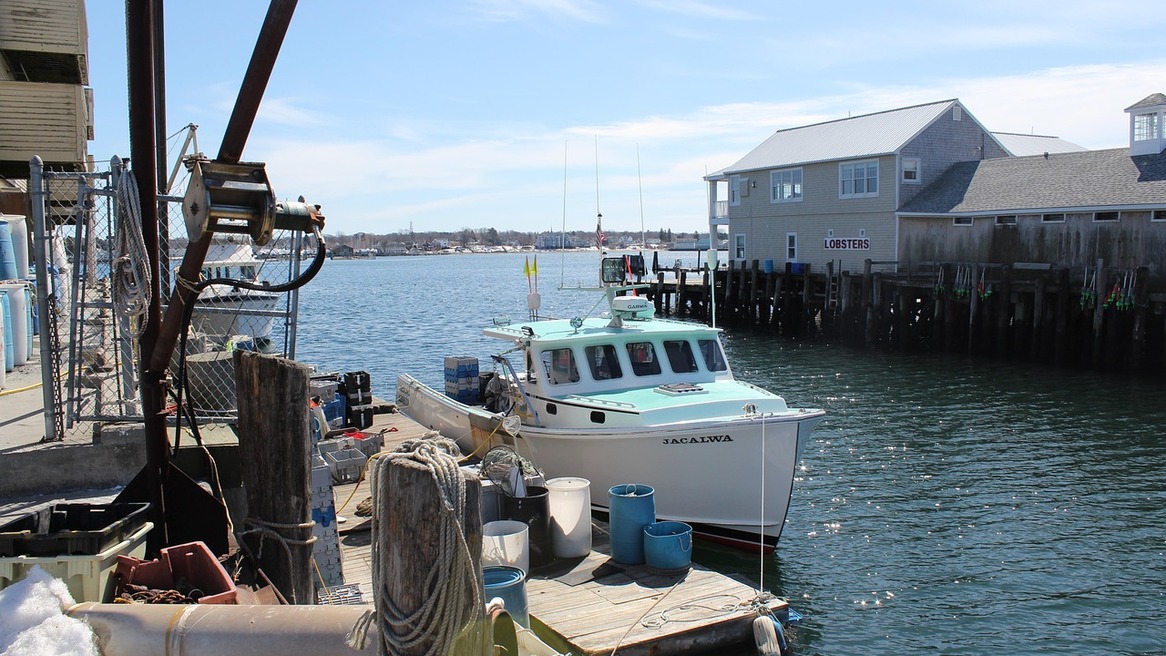 Image by Carlos Coreas from Pixabay
The Old Port isn’t just an old port; it’s also a working port, with piers operating ferry and sightseeing boat tours and fishing enterprises. Casco Bay is picturesque and worth seeing from the water. The Old Port feels historic, with cobbled streets and numerous red-brick warehouses; part of it is listed with the National Register of Historic Places. As well as the working parts of the port, the neighbourhood takes full advantage of its charm and listed status, with many shops and restaurants aimed at the tourist market, as well as tours and little museums. And of course this is a lovely neighbourhood to stroll around. If you tire of the water views, visit the Harbour Fish Market.
Did you know? Portland's seal features a phoenix, because Portland's Old Port burned down four times.
Discover our recommended hotels near Old Port
Explore more >
View all hotels in Old Port
Explore more >
Ideal for: city breaks, art lovers, sightseeing, couples
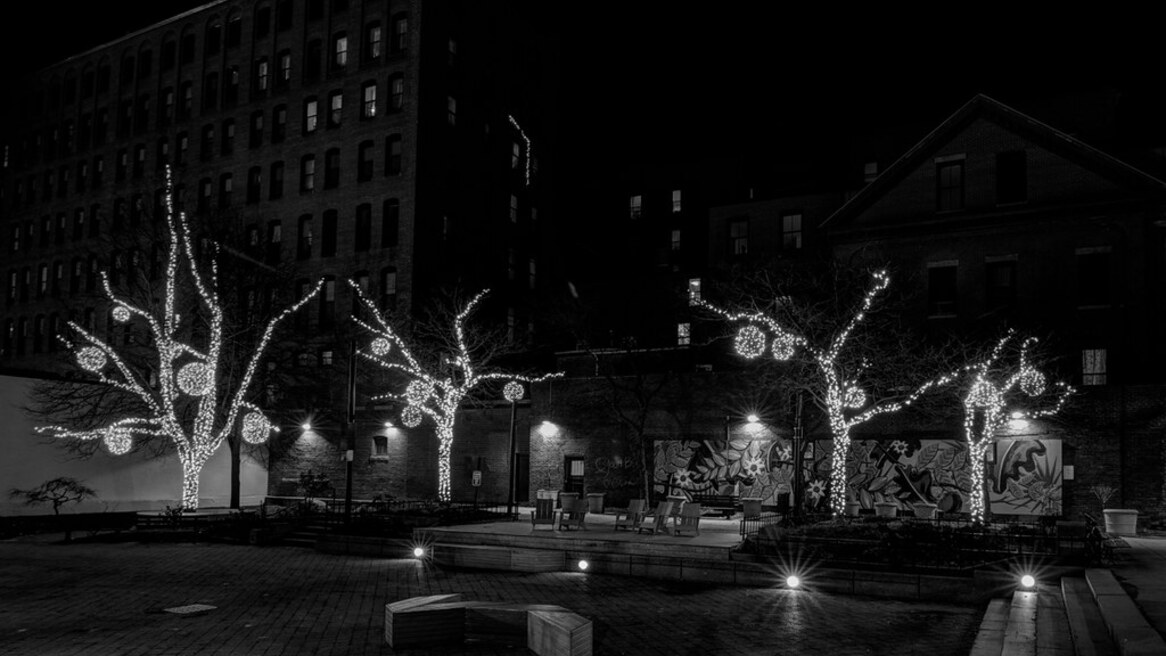 By Flickr user Paul VanDerWerf
The Arts District is the cultural heat of Portland. Its main street is called Congress Street, and is lined with museums and galleries, from fine art to conceptual art. Smaller galleries and studios occupy cobbled side streets, alongside cafes, bars and restaurants, and some fantastic street art and murals. Walk east along Congress Street, and you get to the East End; walk west, and you get to the West End. Big-name sights here include the State Theatre, the Merrill Auditorium for performing arts, the Portland Museum of Art, the Maine Historical Society, Monument Square, the Museum of African Culture and the Wadsworth-Longfellow House. Budget-conscious travellers especially should be aware of the First Friday Art Walk, a trail that takes you around the neighbourhood’s galleries, which are all free and open late.
Did you know? The Arts District ends at Longfellow Square, where there's a bronze statue of 19th-century poet Henry Wadsworth Longfellow. The fun fact is that at Christmas, locals often decorate him with a scarf and a beautifully gift-wrapped present.
Discover our recommended hotels near the Arts District
Explore more >
View all hotels in the Arts District
Explore more >
Ideal for: sightseeing, water views, beach breaks, families, relaxed breaks
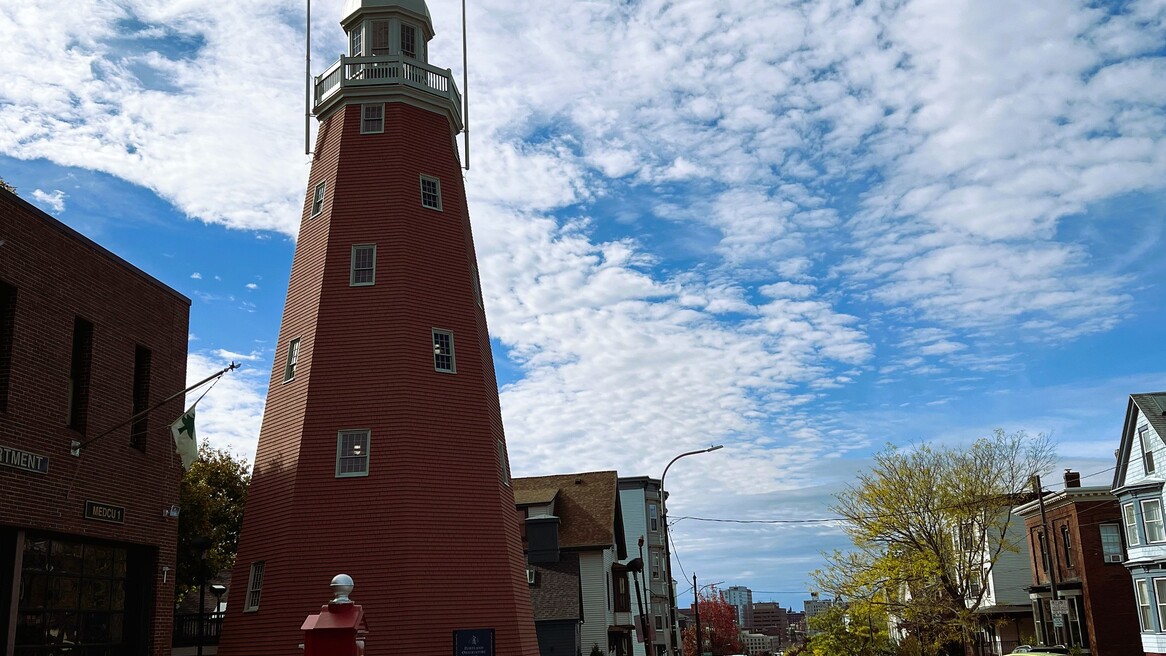 By Flickr user Thank You (25 Millions ) views
The East End, also called Munjoy Hill, is on Portland’s Eastern Promenade, overlooking Casco Bay. A long stretch of its waterfront has been made into a park: The Eastern Promenade, a series of spacious, green fields, public gardens, picnic grounds and playgrounds designed by the same landscape firm that designed Central Park, New York. Head out on the Eastern Promenade Trail, and after about a mile, you get to the East End Beach, a sandy stretch from where you can launch your kayak or laze in the sunshine. When it comes to landmarks, the East End has the Observatory, the Maine Narrow Gauge Railway Co. and Museum, and the last remaining signal tower in the US. The East End isn’t the most historic-looking neighbourhood, but it’s great if you prefer a contemporary hotel. There aren’t that many places to eat and drink, but the East End is close to the acclaimed restaurants, cafes and bars of Washington Avenue, only a 15-minute stroll from the Old Port.
Did you know? The Observatory was built by a sea captain who gave up his career after he was captured by pirates. He returned home, bought land, and built a tower on it to watch merchant ships coming into port and alert their owners to unload cargo quickly.
Discover our recommended hotels near East End or Munjoy Hill
Explore more >
View all hotels in the East End or Munjoy Hill
Explore more >
Ideal for: city breaks, sightseeing, architecture lovers, history buffs, families
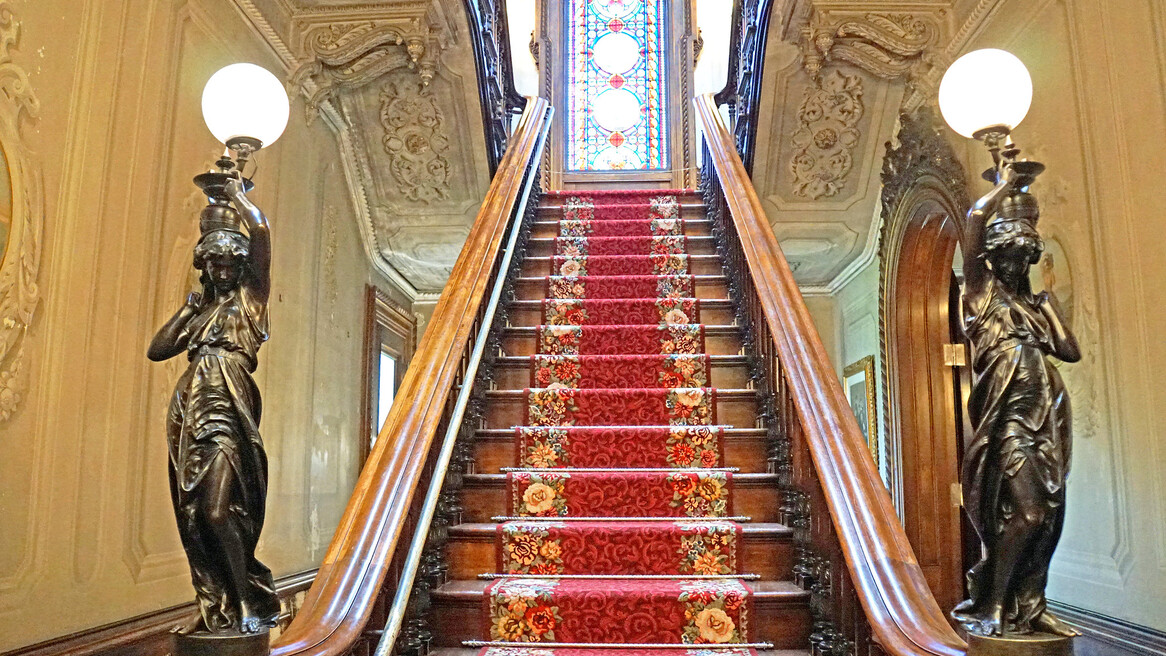
The West End is a neighbourhood of charmingly preserved Victorian homes, complete with mature trees and some notable original ironwork. This is the perfect place to look for historic guesthouses and B&Bs, and if you want to see inside a Victorian mansion with all the trimmings, visit the Victorian Mansion Museum, which has original furnishings, fittings and artworks too. If architecture doesn’t appeal, consider visiting the Western Cemetery or the Portland Museum of Art. The West End has the Western Promenade, another large park with a view, this time overlooking green forests and small villages, up to the White Mountains. The West End neighbourhood is adjacent to the Old Port neighbourhood and the Arts District, and while there are plenty of great places to eat and drink locally, you’re also close to options in those districts.
Did you know? Both the Western Promenade and the Eastern Promenade were designed by the Olmsted Brothers landscape firm, who were best known for designing New York's Central Park.
Discover our recommended hotels near Portland's West End
Explore more >
View all hotels in Portland's West End
Explore more >
Ideal for: city breaks, hipsters, nightlife, foodies, families, great value accommodation
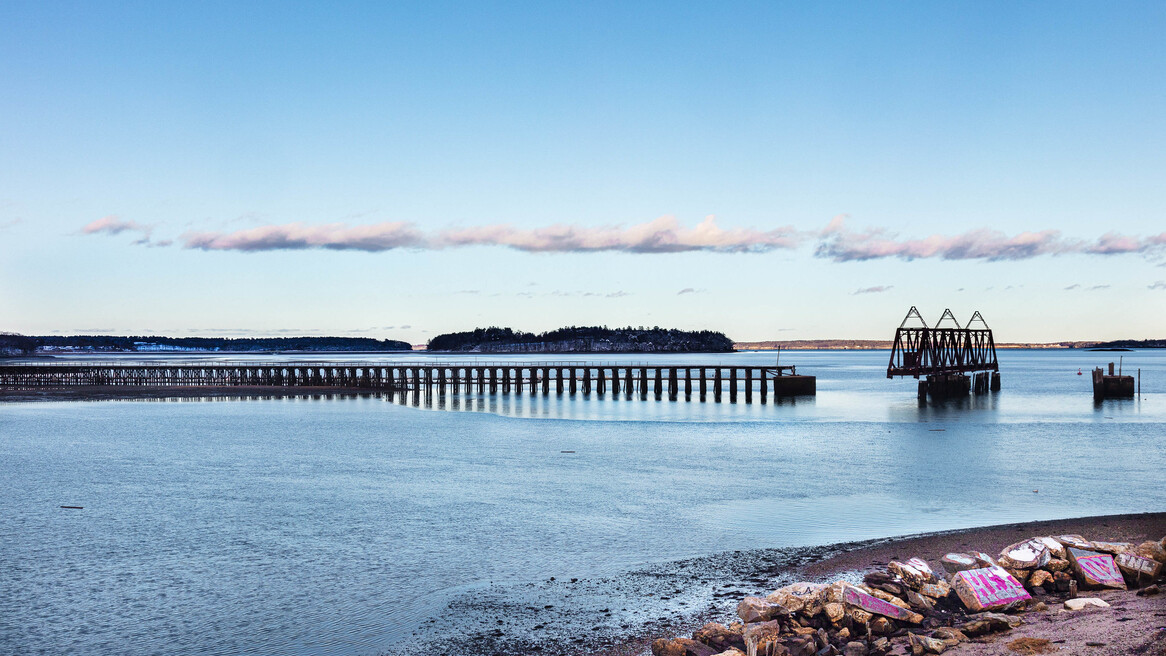 By Flickr user Paul VanDerWerf
Both East and West Bayside are hip neighbourhoods; think food trucks, rooftop bars, cool cocktail menus, international restaurants and innovative breweries. Bayside used to be a single neighbourhood, but it was split in half by the Franklin Arterial Street in the 60s, and now East and West Bayside are separate, with West Bayside on the waterside peninsula, and East Bayside inland. East Bayside is more urban, with lots of warehouse space that’s gradually being taken over by arty types, coffee roasters, furniture designers and breweries. West Bayside lost its industrial feel more quickly, and has more theatres. music and arts venues, more restaurants and bars, and some really fantastic bakeries. There isn’t a huge amount of accommodation choice in East Bayside yet, but watch this space, because both neighbourhoods have green spaces, walking trails and other hip, family-friendly facilities, and they neighbour the Arts District and the Old Port. West Bayside also benefits from being closer to the water and historic maritime appeal.
Did you know? The East and West Bayside neighbourhoods have some of the oldest buildings in Portland, because this is one of the few neighbourhoods not entirely destroyed in the Great Fire of 1866. In fact, part of the area is built on the ash and rubble collected from the fire, and used to in-fill lower-lying regions.
Discover our recommended hotels near East and West Bayside
Explore more >
View all hotels in East and West Bayside
Explore more >
Ideal for: water views, families, relaxed breaks, peaceful atmosphere
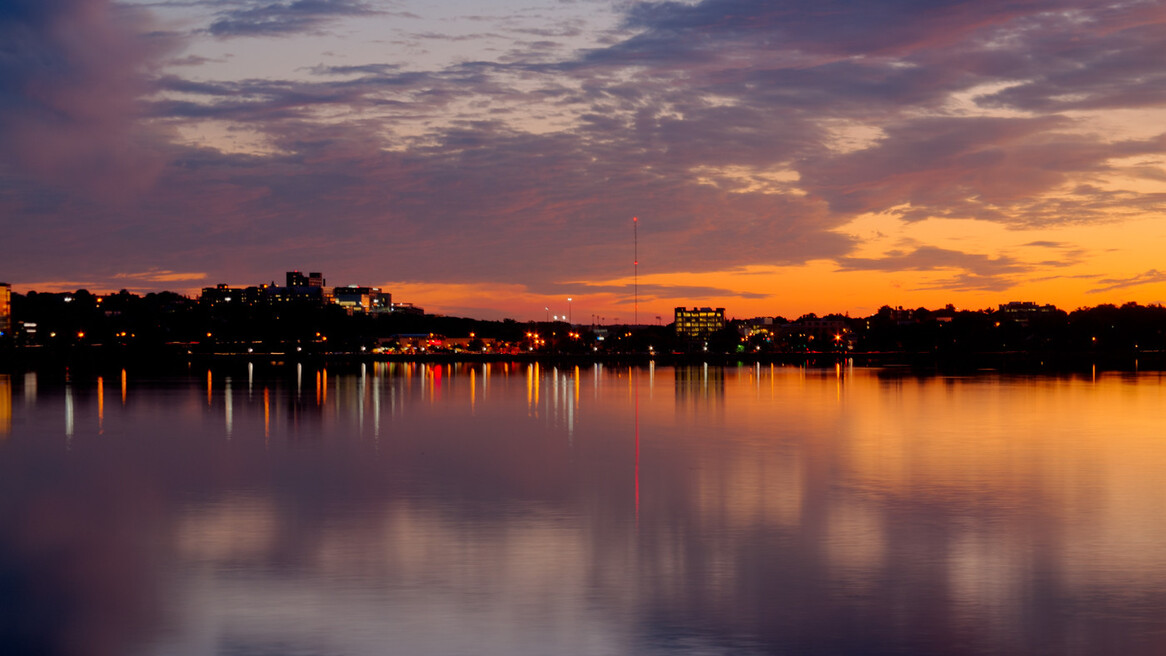 By Flickr user Paul VanDerWerf
Back Cove is a cove in the estuary basin of central Portland. Beyond the ocean, mudflats, and the Back Cove waterfront walking and cycling trail, is a small neighbourhood with a fantastic park, playground, and arboretum. Back Cove also has great coffee shops, cafes, and bakeries, and is known for its friendly local shops and elegant residential properties. It’s also very close to the Old Port. Rosemont is a similarly desirable residential neighbourhood, even closer to downtown Portland, and known for its local markets, bakeries and wine shops.
Did you know? Back cove is tidal and turns entirely to mudflats when the tide is out.