
 Image by Nahália Segato from Pixabay
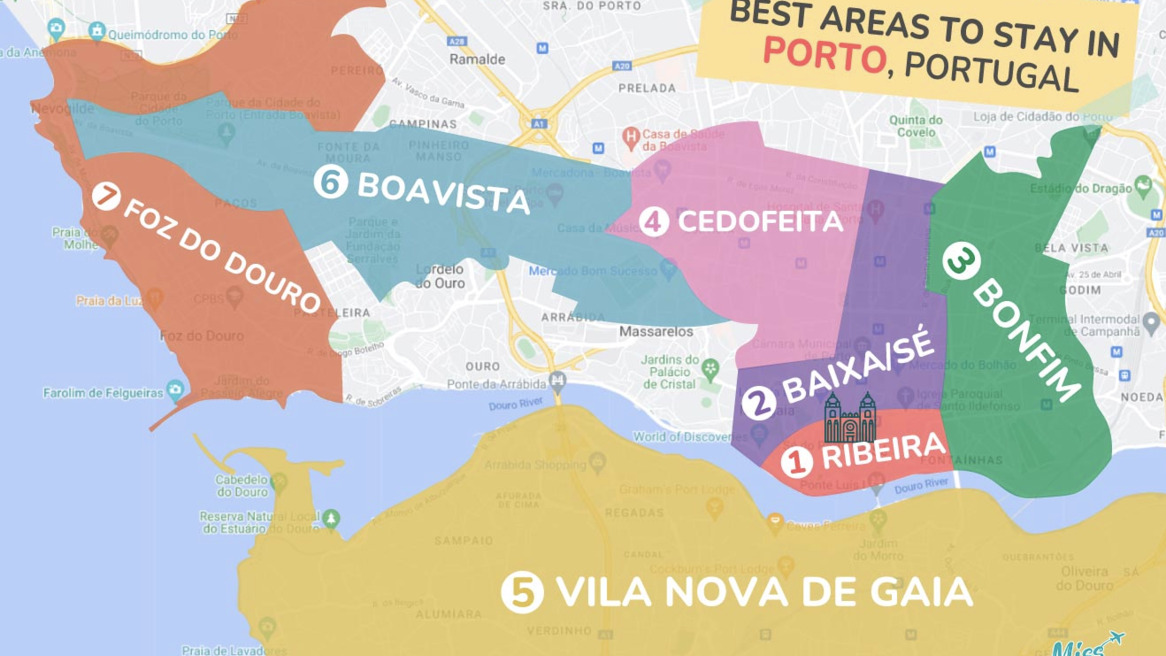
Porto is an easy city to paint. It rises steeply out of the Duoro river, making the red roofs of the city look like an uneven staircase, winding between elegant churches and historic buildings. Its neighbourhoods boast narrow streets lined with grand townhouses and palaces — many of which have been converted into hotel accommodation. Porto’s most coastal neighbourhoods will appeal more to some, though, where the views are expansive and the beaches inviting. As you move further away from the historic heart of Porto, around Baixa and Sé, you’ll pass through some of Porto’s up-and-coming areas, where innovative contemporary architects are adding their own flair to this compact skyline.
 Image by Christian from Pixabay
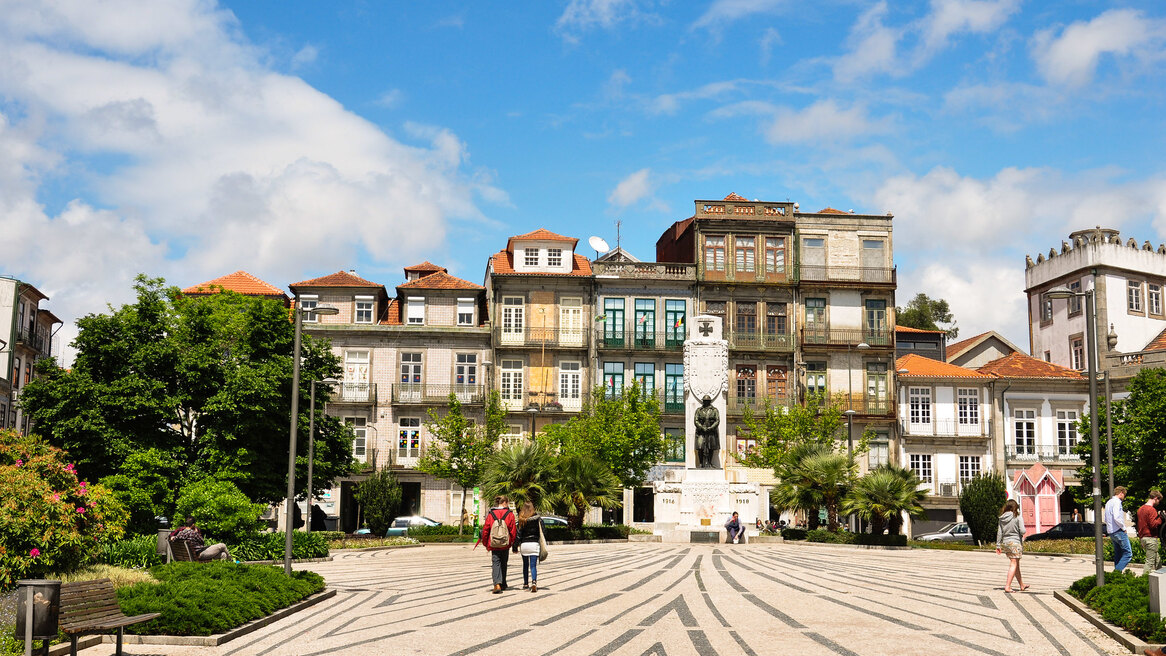
Baixa is at the heart of Porto, sitting on top of two hills, overlooking Ribeira — the port district — and the river. On top of one of the hills is Porto Cathedral, and on top of the other is the Clérigos tower, which you can climb! Between them is the Avenida dos Aliados — which translates to the Avenue of the Allies — and is probably Porto’s most famous, and useful thoroughfare, with the Municipal buildings at one end, and Liberty Square, with its mounted statue of Pedro IV, at the other. From here, you’re within walking distance of all of Porto’s main sights. If you’d like to spend your time in Porto staying in a flash hotel, consider the Avenida dos Aliados. It’s also great for apartment rentals, and aparthotels. Baixa has some charming architecture, with some of the most notable along some of Baixa’s shopping streets; admire the baroque designs on Rua das Flores, or the Art Nouveau facades on the Galeria de Paris. You'll see plenty of painted picture tiles too. In addition to its major sights, Baixa is also known for its party scene, which runs through the night!
Ideal for: Party people, city breaks, sightseeing, luxury lovers, first-time visitors
 Image by Frank Nürnberger from Pixabay
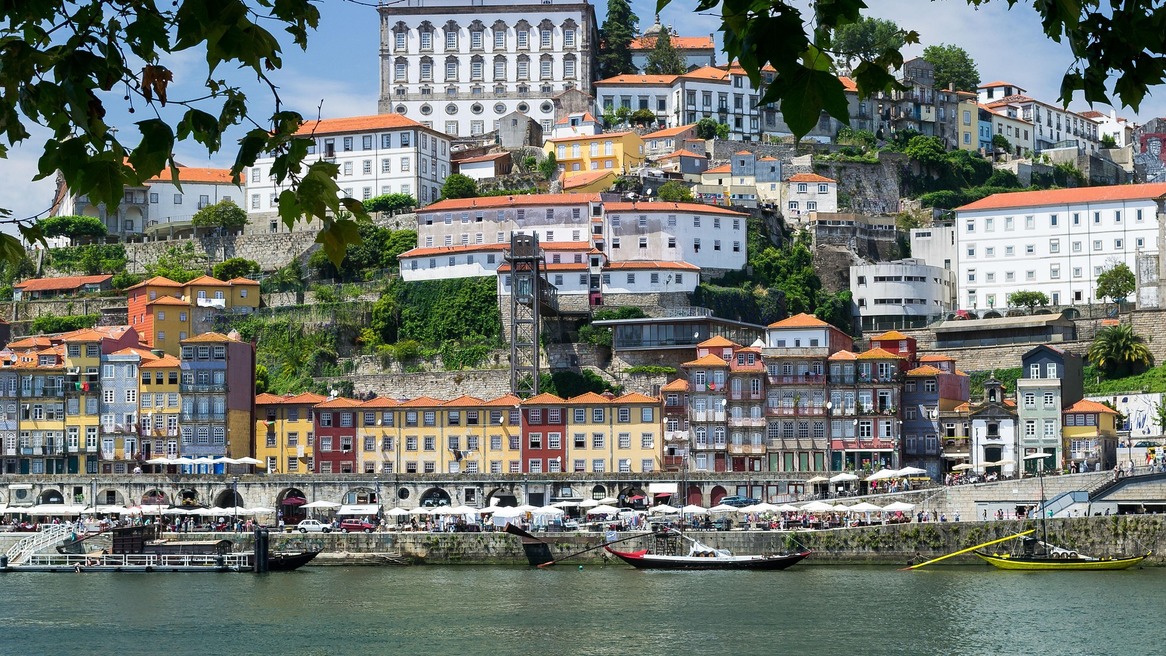
The Ribeira neighbourhood is one of Porto’s most famous. It runs alongside the river and is known for its picturesque, and colourfully painted, buildings, and proximity to the Port wine lodges. No wonder so many people know it and want to stay here! Ribeira is good for foodies too, with lots of choice when it comes to cafes, bars and restaurants — many of which have wonderful views. You will also find a good range of accommodation options for all tastes and budgets. If you plan to see the sights here, start with the Dom Luis I bridge, Stock Exchange Palace, the Palácio da Bolsa (which is the grand old merchant’s association headquarters), the old Customs House, and the gloriously golden Gothic church of St Francis. Ribeira is also on the famous number 1 tram route.
Ideal for: City breaks, sightseeing, party people
Discover our recommended hotels near Ribeira
Explore more >
View all hotels in Ribeira
Explore more >
 Image by Svetlana from Pixabay
The Sé neighbourhood is part of the World Heritage Listed area of Porto. It's a district of tangled medieval alleyways and avenues dating back to the 12th century, and is where you’ll find Porto’s impressive cathedral, also called Sé, the Church of Santa Clara and several other significant religious buildings. Sé is also where Porto’s main railway station is located. The cathedral is right on top of a hill, so you can see it from all around, an impressive mish-mash of architecture that incorporates a rose window, Gothic cloisters, and an elegant Romanesque vaulted nave. There are some impressive tiles too! Outside the square was once the place where all the major markets were held, and the views over the city to the river are some of the best in town. Spreading out around the cathedral are some of the oldest residences in Porto. There are plenty of hotels around the cathedral, some quite fancy, but this neighbourhood has plenty of accommodation choices for all sizes of budget.
Ideal for: City breaks, sightseeing, first-time visitors, families
Conveniently close to all of Baxia's best sights, the Cedofeita neighbourhood is a hip and arty choice. It’s close enough to the centre of town to enjoy the bars and restaurants of Baxia too, while being far enough away to have its own great, local eateries. This is a popular neighbourhood for locals who like to brunch. It’s pretty, with traditional architecture, and plenty of leafy spaces. Cedofeita’s numerous art galleries are centred around Rue Miguel Bombarda, which is also a good place for design shopping, and it has a Saturday food market. The neighbourhood has its own sights to see too: the Museu Nacional Soares dos Reis, and the Crystal Palace Gardens come to mind first. Because it’s green and leafy, with lots of independent boutiques, and places to eat and drink, Cedofeita manages to feel both romantic and family-friendly. It’s all about what sort of accommodation you choose, and there is a good range here.
Ideal for: Romantics, hipsters, art lovers
Discover our recommended hotels near Cedofeita
Explore more >
View all hotels in Cedofeita
Explore more >
 By Jorge Franganillo - Oporto: Miragaia, CC BY 2.0
Miragaia neighbours Ribeira, and offers a similar setting of cobbled streets and alleyways between tall, colourful townhouses. But it’s more peaceful — possibly because it used to be outside of the city walls. In addition to the charming architecture, Miragaia has lovely parks, the best known being the Palacio de Cristal, or Crystal Palace Gardens. As well as being a cool and leafy place to relax, and great for families, this is also a fantastic place for views of the Freixo Bridge. There are two museums within the park, the National Museum of Soares dos Reis, and the Romantic Museum. Just outside the park is the World of Discoveries interactive museum — another great pick for families — and the Museum of Transport and Communications. As with many neighbourhoods, the heart of Miragaia is its church, the Church of São Pedro, and around that there are squares lined with restaurants and bars, some with fantastic views. This is a magical neighbourhood to stroll around, especially along the river.
Ideal for: Romantics, families, sightseeing
Discover our recommended hotels near Miragaia
Explore more >
View all hotels in Miragaia
Explore more >
 Image by Vanessa Rosal from Pixabay
Vila Nova de Gaia is on the opposite side of the river from Ribeira. It used to be its own city, known for its many port wine caves or cellars, and tasting rooms — all the port wine in the world passes through this point, and has done so since the 17th century. Vila Nova de Gaia’s long stretch of water means there are plenty of beaches too (17 in total), with an impressive number of blue flag beaches amongst them. This district is also known for its parks, especially the Gaia Biological Park, the largest in Porto, and the palm-shaded Jardim do Morro, or Garden on the Hill, which is close to the Sera do Pilar Monastery, one of Gaia’s main attractions. One of the best things about staying in Vila Nova de Gaia is that you can travel to and from Porto proper using the top deck of the Dom Luis bridge.
Ideal for: Families, port enthusiasts, those in search of both beach and city break
Discover our recommended hotels near Vila Nova de Gaia
Explore more >
View all hotels in Vila Nova de Gaia
Explore more >
 By -wuppertaler - Own work, CC BY-SA 4.0
Bonfim is a great neighbourhood for people who’re fussy about their coffee, craft beer, or boutique shopping. It’s not yet super popular with tourists, because it doesn’t have any of the major sights, but it is only 15 minutes walk from the centre of town, so it’s a very practical choice, and becoming more and more popular with visitors. Bonfim still has an authentic feel; there are a lot of older Portuguese residents, as well as cool kids and art students. Bonfim has a beautiful public park with wonderful views over the Douro River, and one of the best viewpoints in Porto — Miradouro Fontaínhas. Bonfim is a great place to eat authentic Portuguese food; there’s a wonderful garden between Bonfim and Bolhão, and this is a great place to look for somewhere for an especially memorable meal.
Ideal for: Living like a local, hipsters, foodies, couples
 By Petnog - Own work, CC BY 4.0
Boavista is quite a well-to-do neighbourhood, though there are also a number of offices here, and it is known for having some of the best business hotels in Porto. There's a subway station, so it’s not far from the centre of town, but it’s not particularly central. It does have a number of its own attractions, though, including Serralves, the contemporary art museum, the Gallery of Biodiversity, which is one of the best museums in Porto for kids, and the impressively modern Casa da Música. Boavista is also home to the Bob Success Market, which is where you’ll find some local stalls, but also small restaurants with tapas-type options. If you want to explore the area, start on the Avenida da Boavista, which runs from the centre of town all the way to the ocean.
Ideal for: Families, luxury lovers
Discover our recommended hotels near Boavista
Explore more >
View all hotels in Boavista
Explore more >
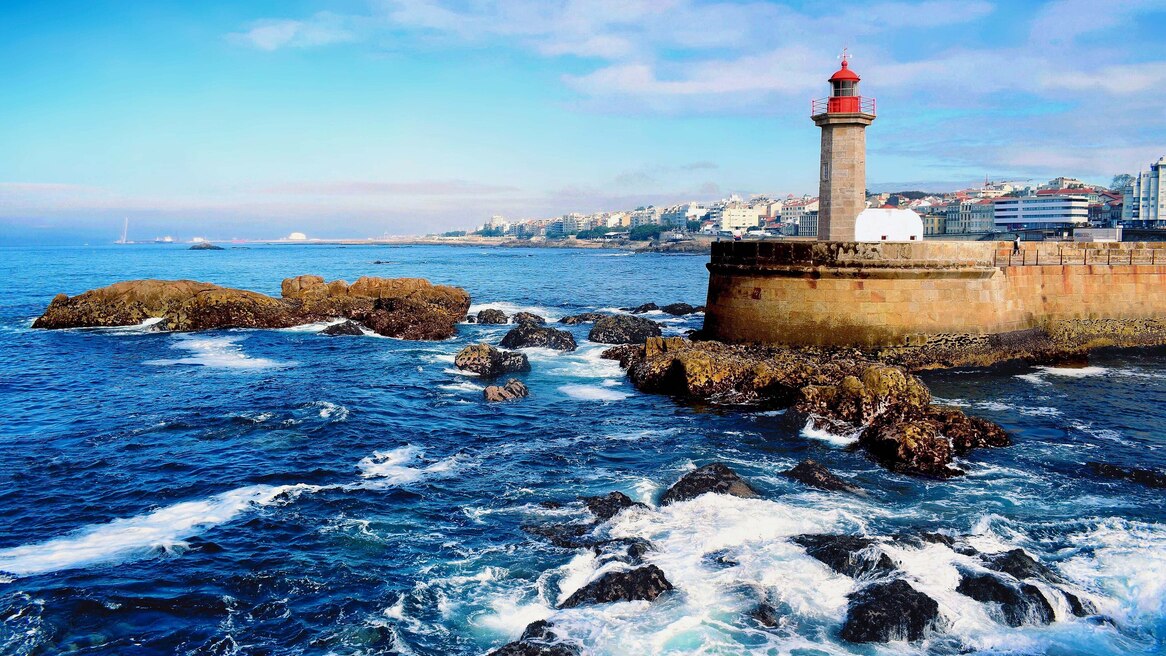 By Jocelyn Erskine-Kellie from London, UK - Porto, Foz do Douro, CC BY-SA 2.0
Foz is a neighbourhood to the west of Ribeira, right on the water, at the mouth of the Douro River, so this is the neighbourhood for anyone who likes to stay near the beach or the water. Foz started out as a fishing village and summer residence of Porto's upper classes, so it has an interesting blend of architecture: historic fishermen’s cottages and grand mansions, with not a lot in between. Foz isn’t a central neighbourhood, so it’s not a great choice for sightseeing. It’s about half an hour from the centre of Porto by public transport — you can use the historic tram, Linha 1. But it is peaceful and beautiful. Accommodation here varies from new build hotels to conversions of the fishermen’s cottages or mansions, so there’s a choice of self-catering, or quite grand! The promenade along the ocean is called the Avenida do Brasil, and is one of Porto’s most fashionable addresses, lined with chic bars and desirable restaurants. The promenade along the Douro River, called the Promenade Foz do Douro, is one of the nicest walks in Porto: through little fishing ports, parks and gardens, and finishing at the seawall.
Ideal for: Families, romantics, beach breaks, luxury lovers