
 Image by Joel santana Joelfotos from Pixabay
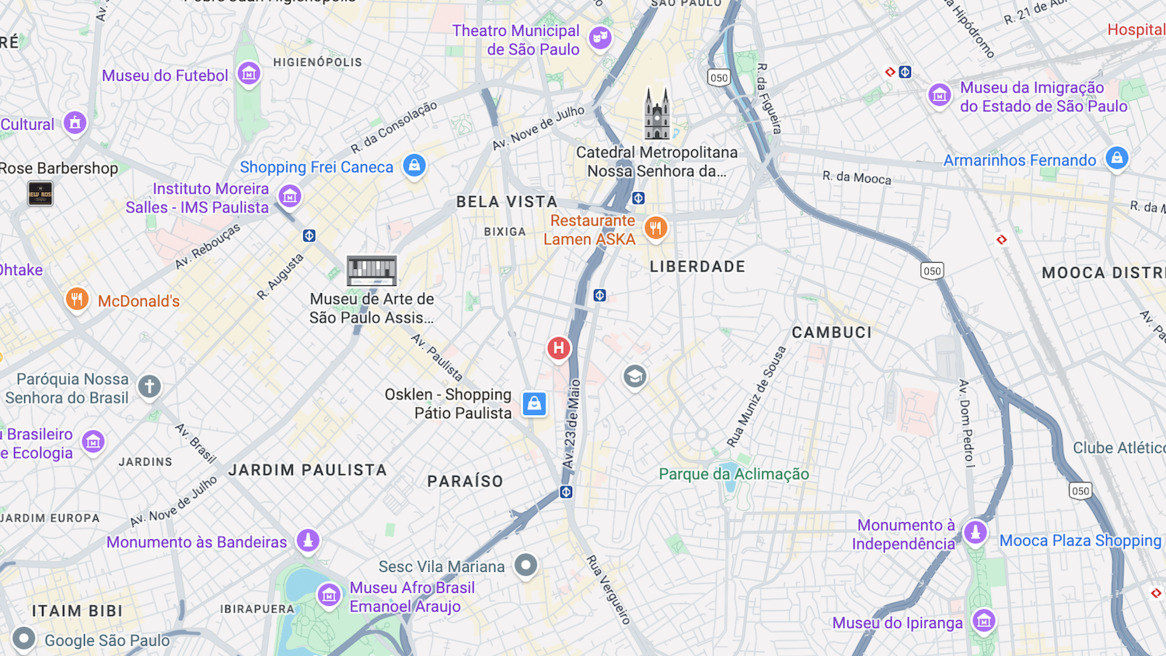
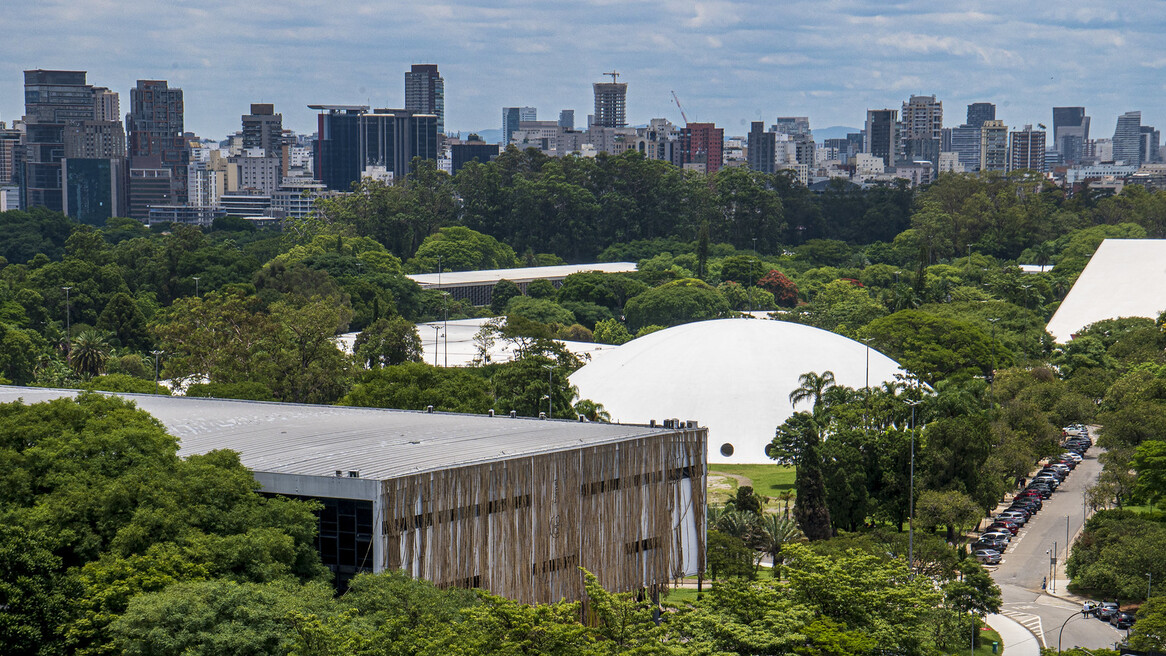
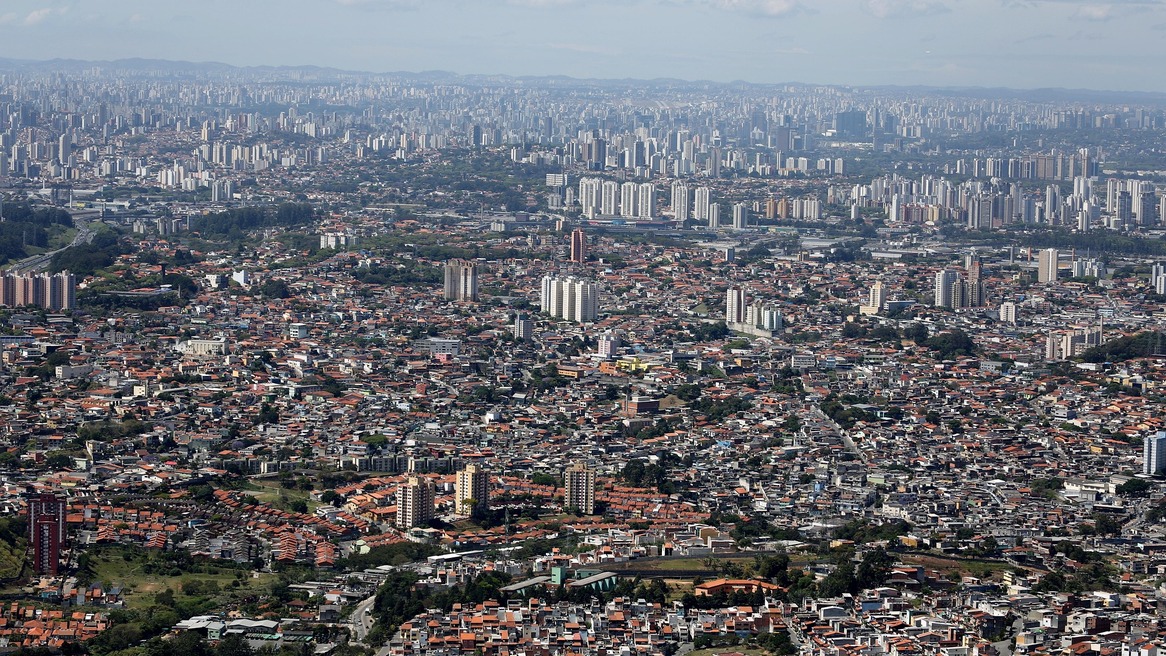
São Paulo is big: about twice the size of New York City. Its edges sprawl into suburban neighbourhoods, but the ones visitors will be most interested in are clustered around the centre, naturally. The Centro Historico is a larger neighbourhood encompassing several smaller ones, República being a classic example, and packed with museums, galleries, and other cultural sights. Paulista Avenue is another super central neighbourhood, radiating out of a main road, and Bela Vista is just beyond it, laid-back, and slightly more residential.
The less historic centre is one step further away. Most of these neighbourhoods were built in the 20th and 21st Centuries, but still have some charming architecture, arranged on a less organic layout. This ring includes Jardins and trendier and leafier Pinheiros, and further to the west is Vila Madalena, which is your other residential, living-like-a-local option.
Ideal for: city breaks, sightseeing, history lovers, architecture aficionados, families, short stays, first-time visitors
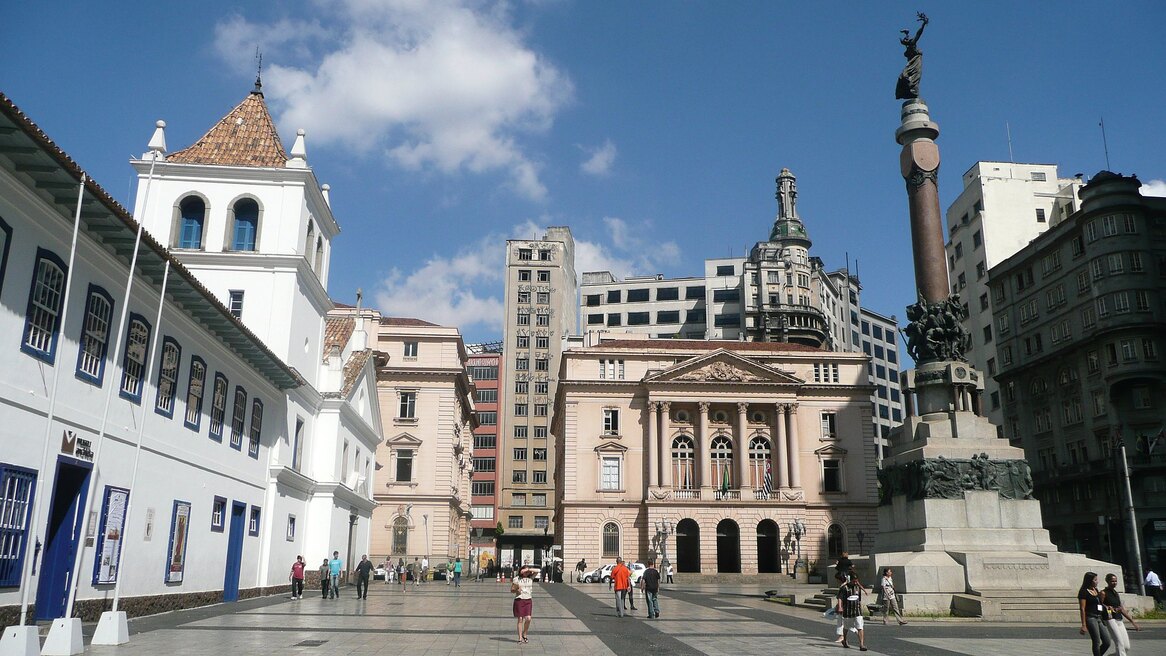
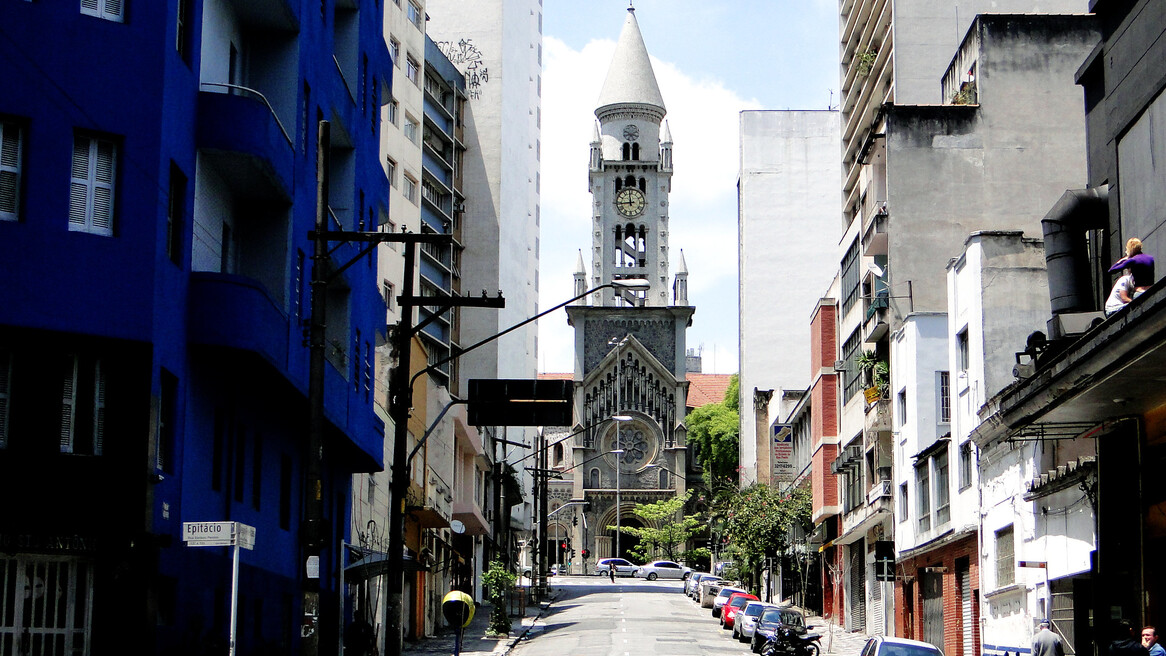
São Paulo’s Centro Historico is, as you might have guessed from the name, the oldest part of the city. It’s also where you’ll find the lion’s share of its historic architecture and landmarks. Plus some Art Deco lovelies and contemporary skyscrapers. There are a few different neighbourhoods within the Centro Historico, including República and Sé, which is where you’ll find both the Pátio do Colégio (which is where the city was founded), and the São Paulo Cathedral. Stroll around the Centro Historico and you may also run into the Municipal Theatre of São Paulo, the City Museum, the Palácio da Justiça and the Martinelli Building and the Altino Arantes Building. Plus a myriad of art galleries, shops, cafes, restaurants, bars, theatres and more
Did you know? São Paulo was founded in 1554 by Jesuit brothers José de Anchieta and Manoel da Nóbregra. The Pátio do Colégio is built on the exact spot where the brothers built their mission.
Discover our recommended hotels near the Centro Historico
Explore more >
View all hotels in the Centro Historico
Explore more >
Ideal for: city breaks, sightseeing, party people, explorers
 By Flickr user Francisco Anzola
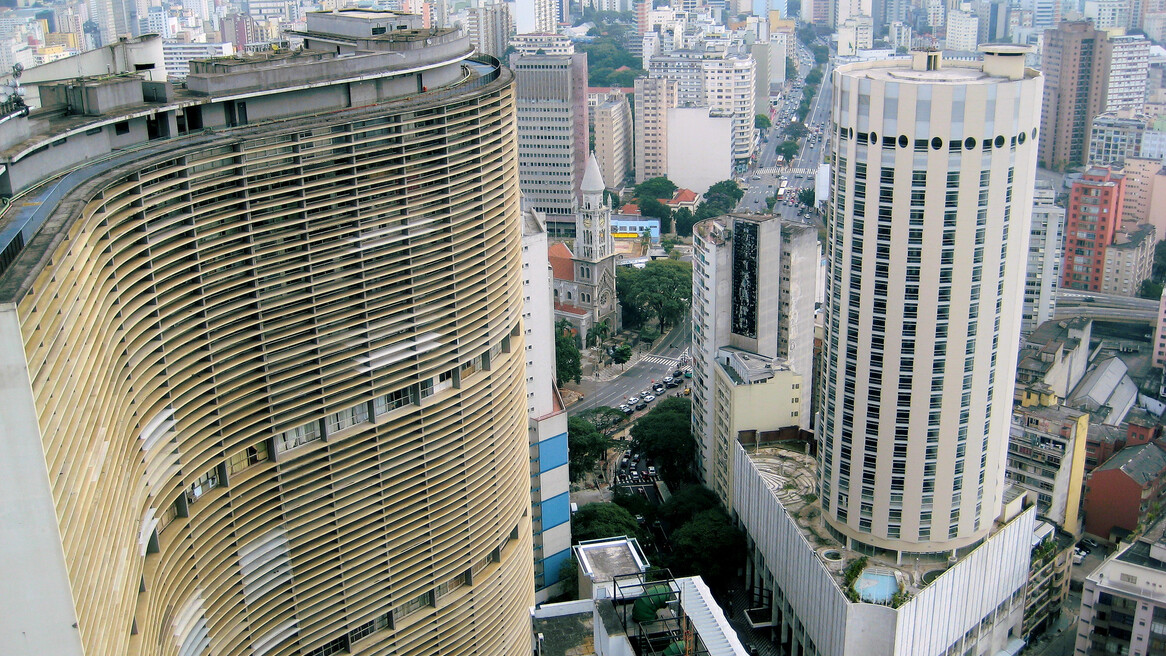
As one of the neighbourhoods in the Centro Historico, República is known for its famous landmarks and historic architecture: it’s got Repúblic Square, the São Paulo City Hall, and the city’s main theatre. República is also where you can see the Copan Building, a massive modernist concrete landmark. The nicest parts of República can be enjoyed by walking a triangular route along Avenida Ipiranga, Rua da Consolação, and Avenida São Luís — this is a leafy stroll, with plenty of lovely buildings, and some of the nicest places to eat and drink in the area. It’s also worth seeking out the Galeria do Rock, an unusually designed shopping mall with a love of all shops rock ’n’ roll. República isn’t the safest part of São Paulo, but it does have lively nightlife, and it can be a lot of fun.
Did you know? República used to be home to São Paulo’s elite.
Discover our recommended hotels near República
Explore more >
View all hotels in República
Explore more >
Ideal for: first-time visitors, city breaks, families, foodies, luxury lovers
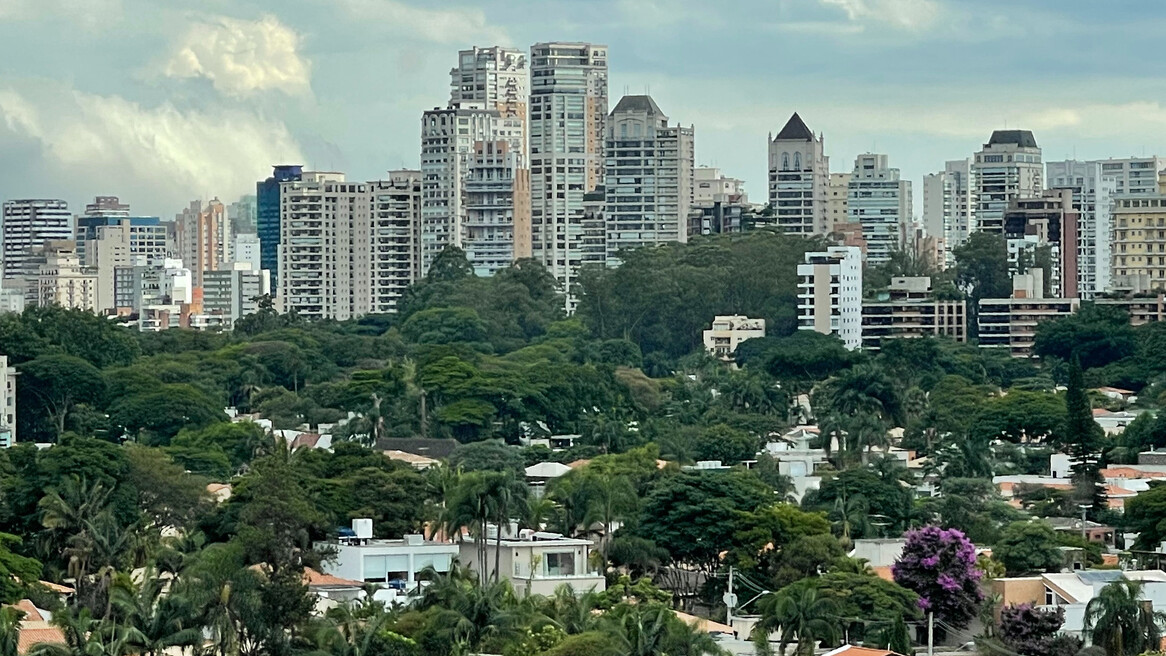
The neighbourhood of Jardins is known for its tree-lined streets, green spaces, galleries and museums, and quieter, more residential feel. There’s plenty of accommodation to choose from here, and it’s a nice, safe, well-connected neighbourhood to stay in. Expect a good number of places to eat, drink and shop, including some of the best shopping and dining in the city — check out Rua Oscar Freire, which is a great shopping street with lots of places to stop and re-fuel along it. Local landmarks include the Botanical Gardens, the Ibirapuera Park, the Museum of Art and the São Paulo Museum of Image and Sound.
Did you know? Jardins does actually have numerous gardens, but the name is supposed to reference the tree-lined avenues as well as the more formal garden spaces.
Discover our recommended hotels near Jardins
Explore more >
View all hotels in Jardins
Explore more >
Ideal for: hipsters, foodies, longer stays, families, meeting the locals, party people, night owls
 Flickr user Nicolas de Camaret
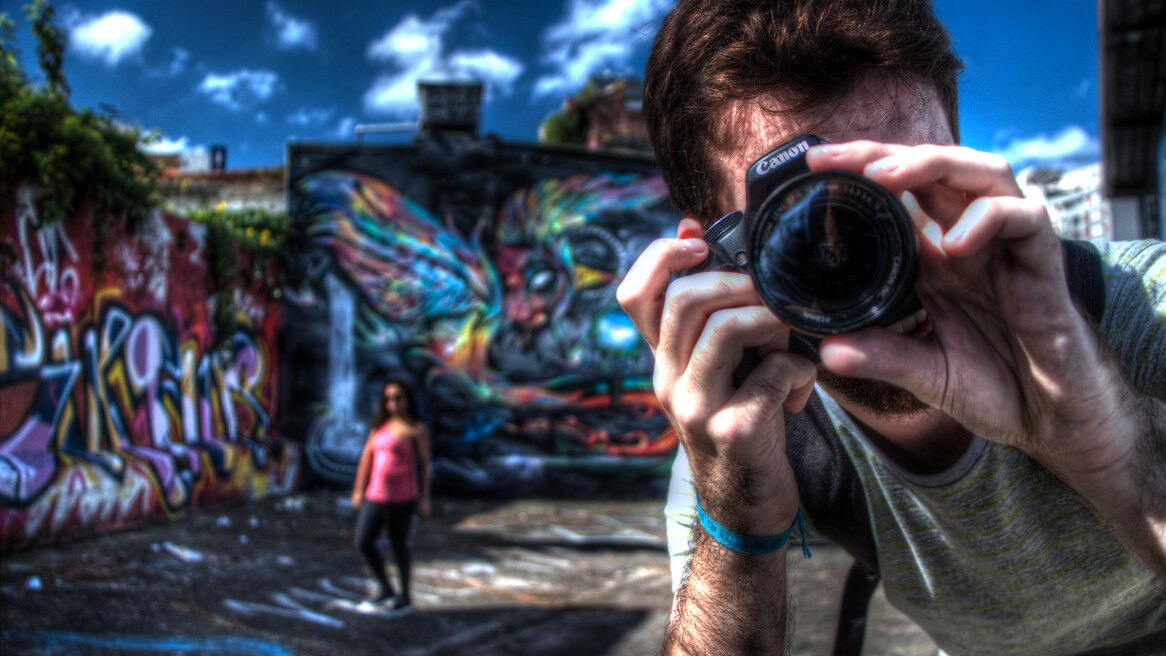
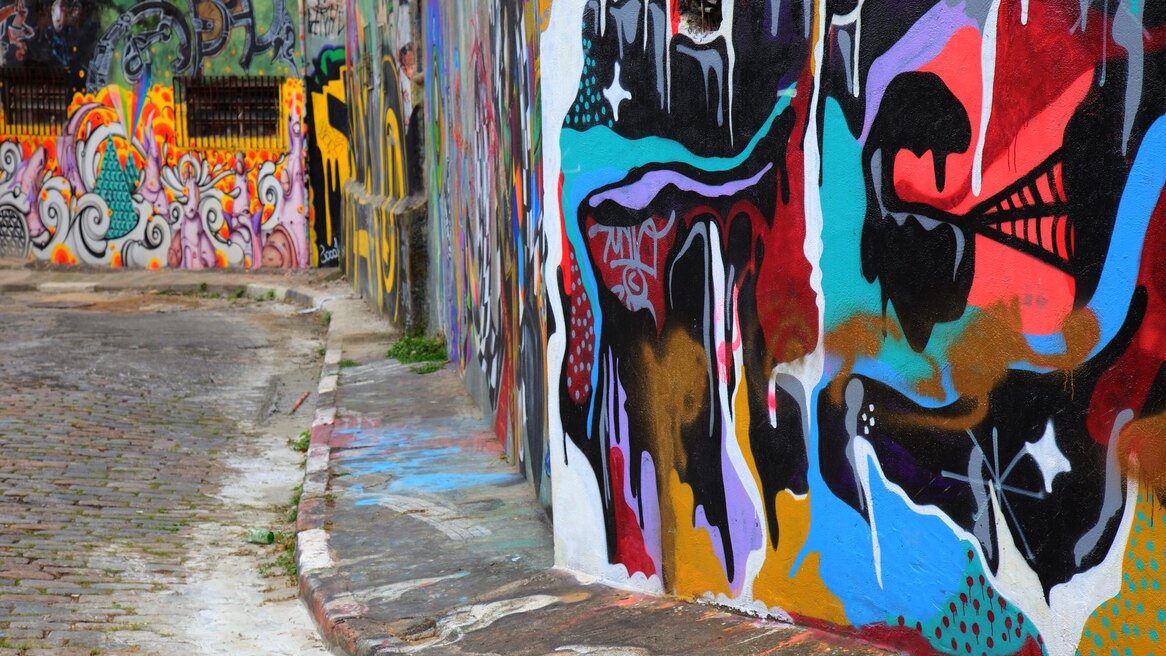
Pinheiros is similar to República, with leafy streets and great places to eat and drink, and its own collection of museums, galleries and sightseeing opportunities — including Beco do Batman, an open-air street art gallery, and the Sesc Pinheiros cultural centre. It is a bit further away from the centre of São Paulo, but a bit cheaper because of that, and it’s also a hub for local nightlife, so this is a great neighbourhood for younger travellers or groups. It feels safe and friendly, and it’s got a nice selection of cool shops and cafes, and plenty of fusion food offerings. On Saturday, there’s a great flea market called Benedito Calixto, which is popular with locals as well as visitors, and there’s a good food market, the Mercado Municipal de Pinheiros, which often hosts pop-ups by famous local chefs.
Did you know? Pinheiros means 'pine trees', and while there may not be many left today, originally this neighbourhood was dominated by them. Imagine them in place of the high-rise apartment buildings...
Discover our recommended hotels near Pinheiros
Explore more >
View all hotels in Pinheiros
Explore more >
Ideal for: families, city breaks, sightseeing
Higienópolis is an affluent neighbourhood between República and Pinheiros, and neighbouring the Consolação neighbourhood. It’s not a large area, but it does have its own football museum (the Museum do Futebol), which is surrounded by a large green space, the Buenos Aires Park, and the Museu de Arte Brasileira. Higienópolis is very busy during Modern Art Week. It has a similarly appealing shopping offer to Pinheiros, and some fantastic places to eat out too. This is also an artistically and culturally rich neighbourhood with plenty of theatres, cinemas, and music venues.
Did you know? Higienópolis is actually one of the highest points in the city. That's one of the reasons it got its name, which translates to 'city of hygiene', because it was too high to be beset by the flooding that spread typhoid and yellow fever.
Discover our recommended hotels near Higienópolis
Explore more >
View all hotels in Higienópolis
Explore more >
Ideal for: hipsters, party people, night owls
Consolação is a young neighbourhood north of Avenida Paulista; young in that it was recently built, and that it’s a popular spot for younger people to live and to visit. There aren’t many sightseeing opportunities here, but it’s a central spot, so there are plenty of places to eat, drink, and have fun, and there are plenty of public transport routes to take you into more central spots. This probably isn’t a neighbourhood for families or classic sightseers, but if you’re hoping to party in São Paulo, then the Consolação neighbourhood is for you!
Did you know? Consolação may feel central today, but until the mid 19th century, it was considered quite a long way from the city!
Discover our recommended hotels near Consolação
Explore more >
View all hotels in Consolação
Explore more >
Ideal for: party people, night owls, cool kids
Vila Madalena is the neighbourhood at the final stop of the green Metro line, which runs through Pinheiros. It’s historically rich, culturally diverse and urban: pretty much a microcosm for São Paulo. Vila Madalena has dozens of artists’ studios and galleries, and streets covered with street art and graffiti. Plus cafes, bars and restaurants, nightclubs and music venues. It’s not flat, though, so be prepared to walk an incline.
Did you know? Vila Madalena was an arty student hub in the 1970s, and has become an arty hub, generally, in the 2020s.
Discover our recommended hotels near Vila Madalena
Explore more >
View all hotels in Vila Madalena
Explore more >
Ideal for: city breaks, sightseeing, party people, night owls
Bela Vista is just to the north of Avenida Paulista and the city centre: a quiet, residential neighbourhood that feels a bit like Jardins, but older, with the same bakeries, cafes and restaurants. Expect plenty of Brazilian recipes, and options to appeal to the office-work lunchtime crowd. If you stroll from Bela Vista towards the Centro Historico you’ll pass through Bixiga, which is a really Italian-feeling neighbourhood of colourful, low-rise buildings. Bela Vista has plenty on offer when it comes to nightlife too; this is a popular neighbourhood for locals to go out in, and there’s a really eclectic scene.
Did you know? If you think Bela Vista has an Italian vibe, what with all those pasta restaurants, then you've spotted that this neighbourhood is actually a concentration of Italian culture, one of the largest outside of Italy.
Discover our recommended hotels near Bel Vista
Explore more >
View all hotels in Bel Vista
Explore more >
Ideal for: city breaks, luxury lovers, shopping, sightseeing, foodies
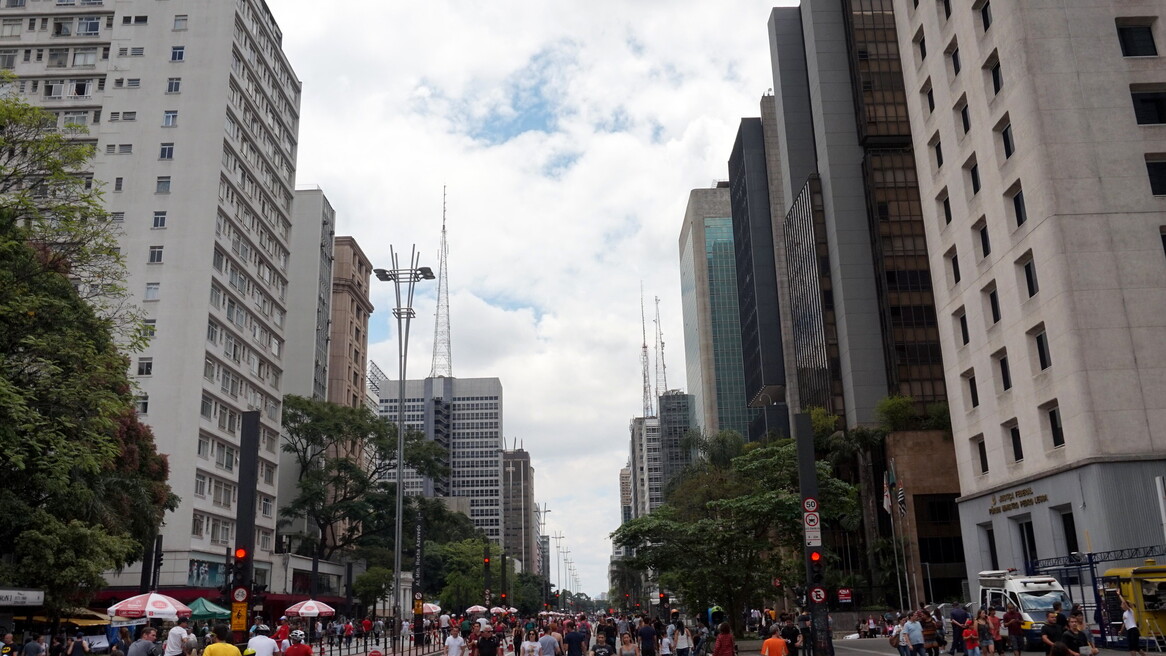
Paulista Avenue is one of São Paulo’s main roads, and the very first one to be paved (in 1909). It’s just shy of three kilometres long, cuts northwest to southeast, and hosts the São Paulo presence of many financial, political and cultural organisations. It also hosts the São Paulo Museum of Art, the Teatro Brasileiro de Comedia, and a handful of the large, traditional mansions that once lined this whole street. There are shops galore, and a myriad of places to eat and drink. Visitors who stay on the Avenue itself will have an easy commute, on foot or by public transport, to many of São Paulo’s sightseeing spots and cultural highlights, but the avenue passes through a number of neighbourhoods, so there’s not a unified atmosphere we can promise. Every day, around eight hundred thousand people commute through here, so it’s probably advisable to walk if you can.
Did you know? Paulista is the demonym for the people of São Paulo. So it's the same as if there were an avenue in Paris called "Parisian Avenue".
Discover our recommended hotels near Paulista Avenue
Explore more >
View all hotels near Paulista Avenue
Explore more >
Ideal for: longer stays, living like a local, travellers on a budget
Vila Mariana is just south of Paulista Avenue: quite a green, and pleasant residential neighbourhood that’s a great choice for anyone who wants to live a bit like a São Paulo local, or stay for an extended visit. Vila Mariana isn’t within walking distance of any major sights, but it does have the Centro Cultural São Paulo: a major cultural hub and venue, and it’s well connected by the metro, so it’s still an easy base to explore the city from. Because it’s less popular with visitors, there’s more of a local food and drink scene, but it’s a thriving one, partly because there are a couple of universities in the area to keep the nightlife lively, and the prices keen.
Did you know? Vila Mariana has its own coffee plantation! Yes, right in the middle of the city, in the Instituto Biológico.