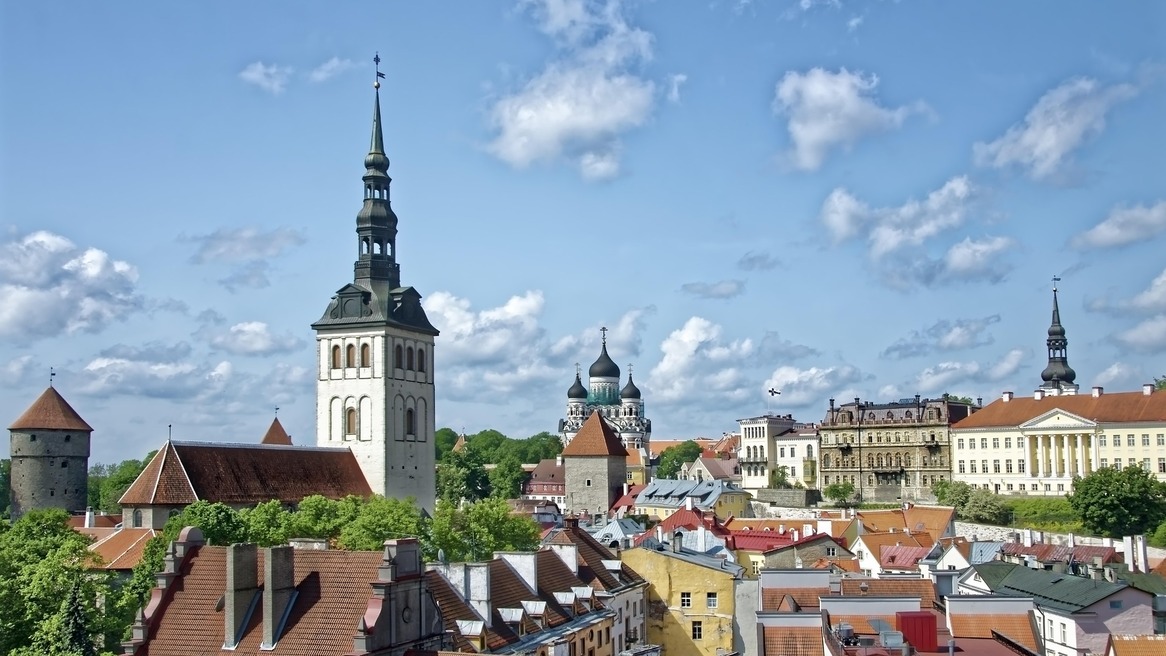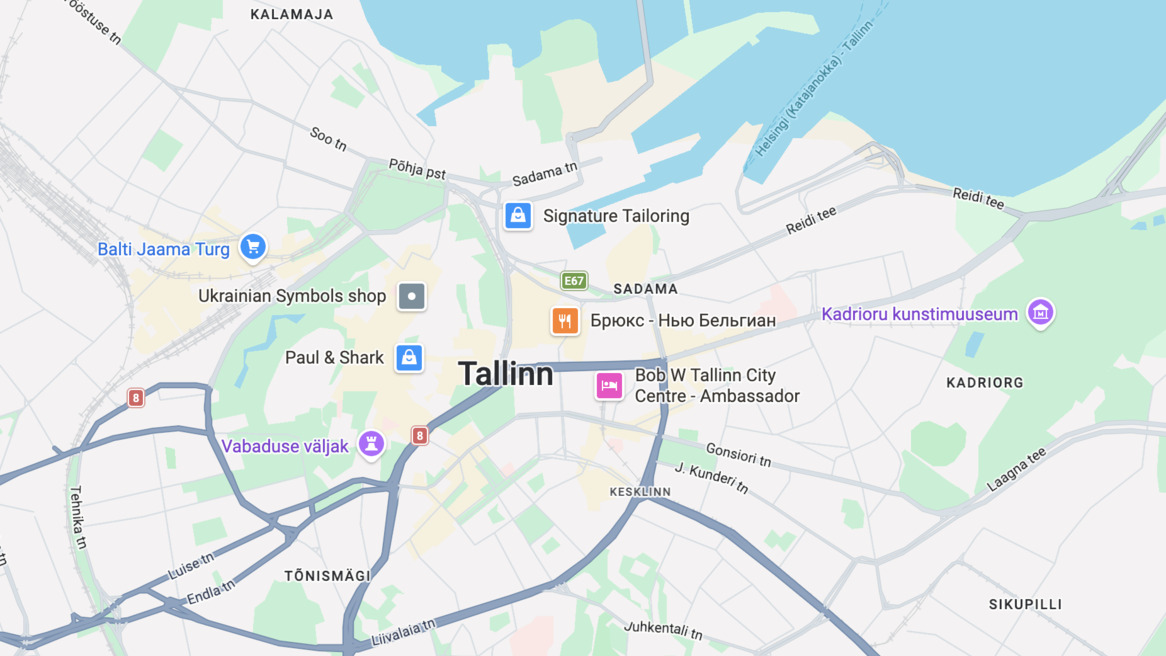

With its timeless architecture, Estonian capital, Tallinn, still looks like a drawing from a book of Brothers Grimm fairytales. But these cobbled streets lead to towers of tech, as well as medieval spires, and Tallinn today is hip, chic, and extremely popular with digital nomads. Positioned on the Gulf of Finland, right opposite Helsinki, Tallinn’s ornate palace, ancient churches, and photogenic promise make this an obvious choice for cruise ships, but even Tallinn’s popularity hasn’t changed the peaceful atmosphere.
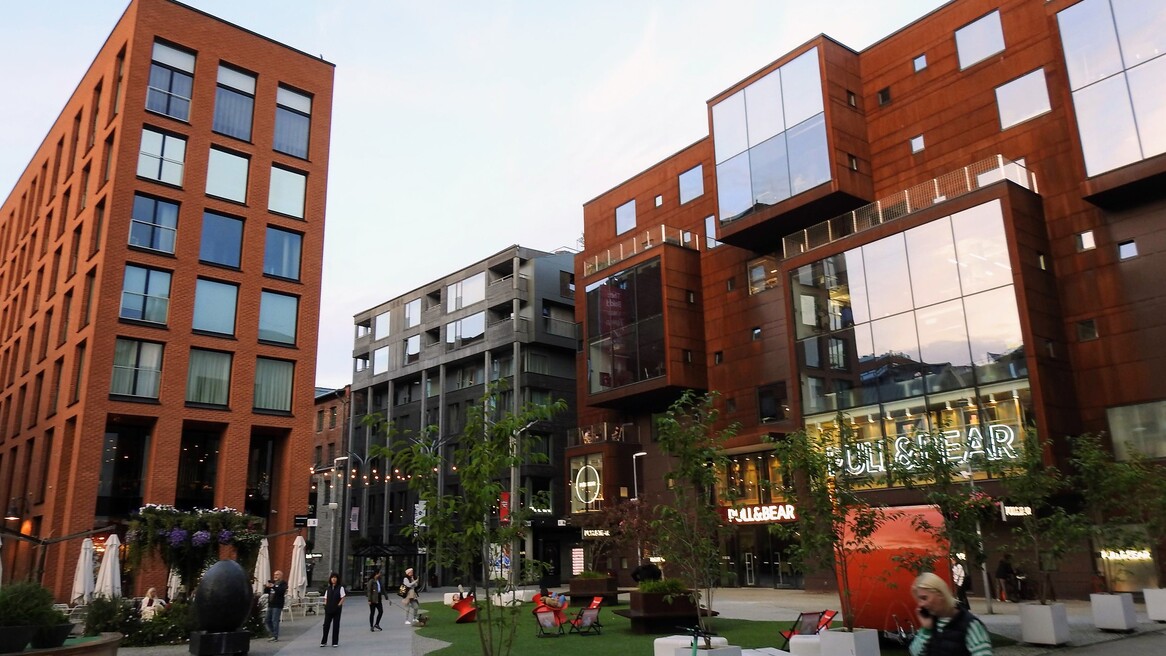
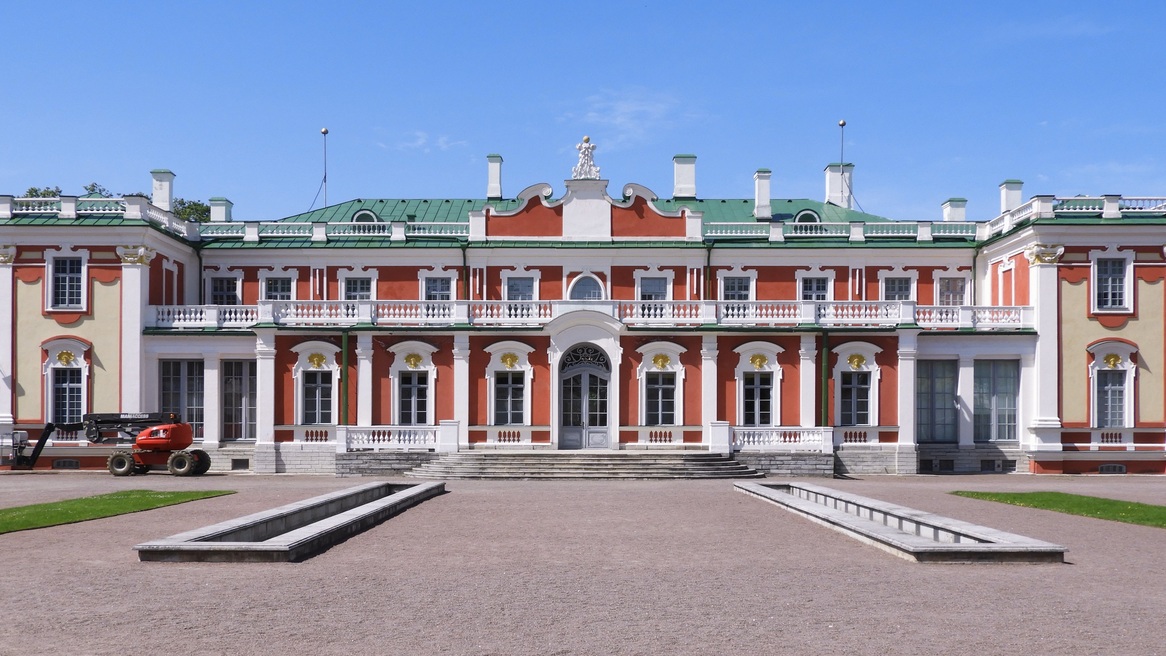
Vanalinn is the name of Tallinn’s Old Town neighbourhood, a medieval city centre that is now a UNESCO World Heritage site. Many of the incredible churches and iconic towers were paid for by Tallinn’s wealthy residents, as well as their own homes and marketplaces. The neighbourhood around the Kadriog Palace is especially beautiful, architecturally; this is where the wealthiest residents lived, and it’s still a high-end neighbourhood today, known for its green spaces and elegant architecture. And of course it’s within walking distance of many of Tallinn’s best-known sights. Kalamaja and Telliskivi are less grand and are now known for being trendy, so a good choice for hipster, shoppers, and anyone particular about coffee. The Rotermann Quarter is another area to consider staying in, because it’s close to the waterfront, and is enjoying a sensitive regeneration process; it now has an exciting mix of traditional and contemporary architecture, plus great shopping, drinking and dining opportunities. It's home to a raft of museums and galleries too.
Ideal for: city breaks, sightseeing, photographers, architecture lovers, history buffs, families, romantics, short stays
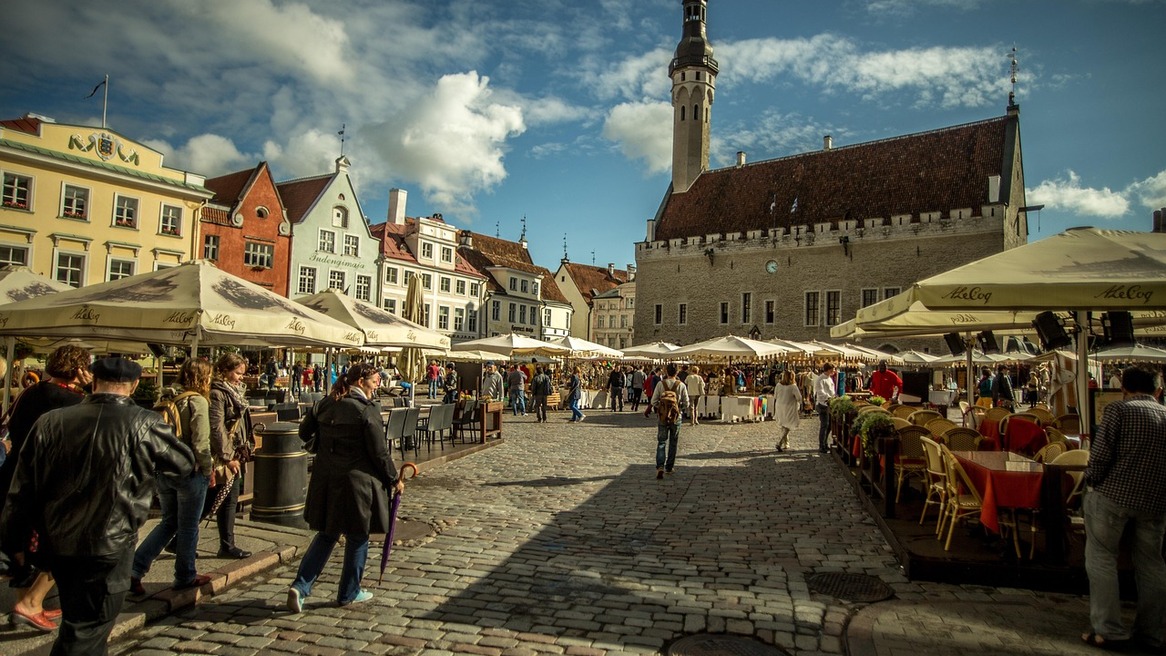 Image by Erkko Vuorensola from Pixabay
The medieval centre of Tallinn is a neighbourhood called Vanalinn, commonly known as the Old Town. It’s a compact, Heritage-listed hub of sightseeing treasures, including the Town Hall Square, the 14th century walls and towers, the Alexander Nevsky Cathedral, Toompea Hill, and St. Catherine’s Passage, a particularly picturesque historic street. There are plenty of museums within medieval buildings, like the Bastion Passages Museum, the Kiek in de Kök Fortifications Museum and Neitsitorn tower museum, but also the KGB Prison Museum, the Fat Margaret Museum and Visitor Centre, which is a maritime museum, and the Estonian History Museum, which is inside the Great Guild Hall. Vanalinn also has a wealth of beautiful churches. There are lots of places to eat and drink in the Old Town, but you might want to avoid the busiest spots on the Town Hall Square and try around Vene, Müürivahe or Rataskaevu streets. Visit Toompea Hill in the late afternoon for the best lighting for your photos…
Did you know? Vanalinn is the oldest built-up part of Estonia, not just Tallinn.
Discover our recommended hotels near Vanalinn (Old Town)
Explore more >
View all hotels in Vanalinn (Old Town)
Explore more >
Ideal for: architecture, city breaks, sightseeing, photographers, cool kids, families, foodies, night owls
Close to the harbour, and within a very pleasant walk of several major sights, the Rotermann Quarter is fascinating for its varied architecture and vibrant atmosphere. It is a fantastic base for foodies, or anyone looking to experience Tallinn’s nightlife. This used to be an industrial district, and there are some fantastic conversions, where the architecture is part of the experience. PoCo is a great example: the Pop and Contemporary Art Museum, and so is the Tallinn Design House. One of the really nice things about the Rotermann Quarter is that it’s largely pedestrianised.
Did you know? The Rotermann Quarter is often referred to as The New Town, because of its contemporary architecture, but one of the coolest things about its design is that the buildings are created with underground levels that are able to sort of 'float' to cope with the varying water pressure.
Discover our recommended hotels near the Rotermann Quarter
Explore more >
View all hotels in the Rotermann Quarter
Explore more >
Ideal for: city breaks, sightseers, history lovers, art lovers, romantics, families, luxury lovers
Kadriorg is a small, central neighbourhood known mostly for its stunning palace and landscaped gardens; the whole thing was a gift from Tsar Peter the Great to his wife, Catherine. The palace is in the Baroque style, and the manicured gardens incorporate a ‘Swan Lake’, impressive fountains, and a hidden Japanese Garden. Inside the palace is now an art museum, the Kadriorg Art Museum, but there are six other major museums in this neighbourhood: the Kumu Art Museum, the Mikkel Museum, the Miiamilla Children’s Museum, the Anton Hansen Museum and the Eduard Vilde Museum. Today, the president of Estonia lives next door, and many famous and infamous Estonians live in the neighbourhood, the luckiest of them in the historic wooden houses the area is known for. This used to be where well-to-do Estonians built their mansions and seaside spa palaces. A short stroll east from the park and you’ll hit the Pirita promenade and the Tallinn Song Festival Grounds, where the 1988 Singing Revolution started.
Did you know? The neighbourhood's name, Kadriorg, romantically translates to Catherine's Valley.
Discover our recommended hotels near Kadriorg
Explore more >
View all hotels in Kadriorg
Explore more >
Ideal for: cool kids, arty types, city breaks, foodies
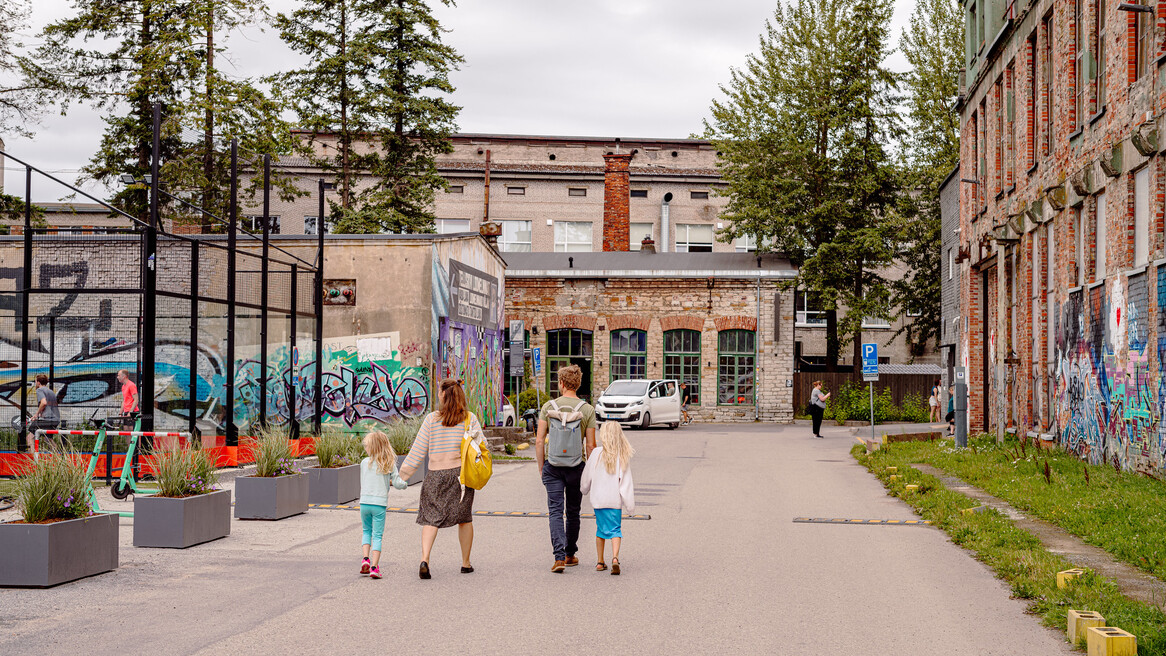
Kalamaja is just a short walk from Tallinn’s historic heart, and it still has an historic feel, though on a less grand scale. In Kalamaja there are colourful wooden houses and buildings, rather than medieval stone townhouses, because when the great churches and palaces went up, Kalamaja was a fishing village. The atmosphere here is hip: this is a trendy place to set up shop, whether your ‘shop’ is an actual shop, or a cafe, bar, restaurant, or tech start-up. This is a great neighbourhood for design hotels, fusion food, and trendy cafes. It’s also home to the Telliskivi Creative City: a design hub; the Fotografiska Photography Centre; the Seaplane Harbour Museum; the Energy Discovery Centre; and the PROTO Invention Factory. Kalamaja is also known for its excellent market: Balti Jaam, which has vintage clothing, antiques and food stalls.
Did you know? The signature style of house here is called the 'Lokafy', a wooden house with a central staircase designed for factory workers in the 1900s. Some of them have three floors!
Discover our recommended hotels near Kalamaja
Explore more >
View all hotels in Kalamaja
Explore more >