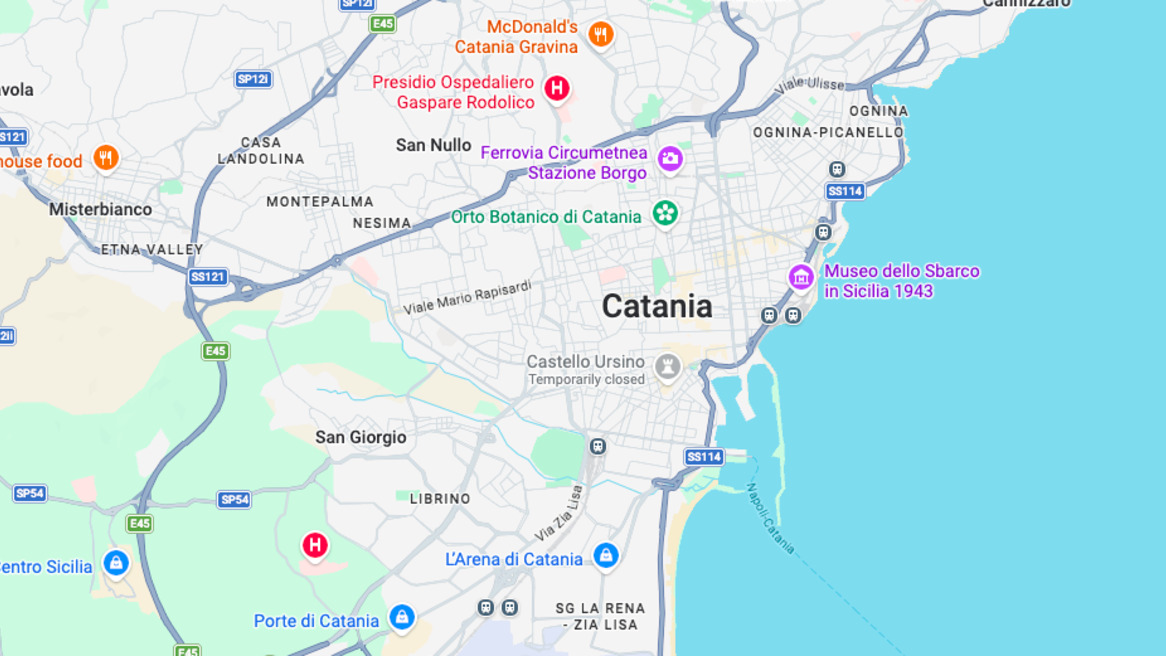

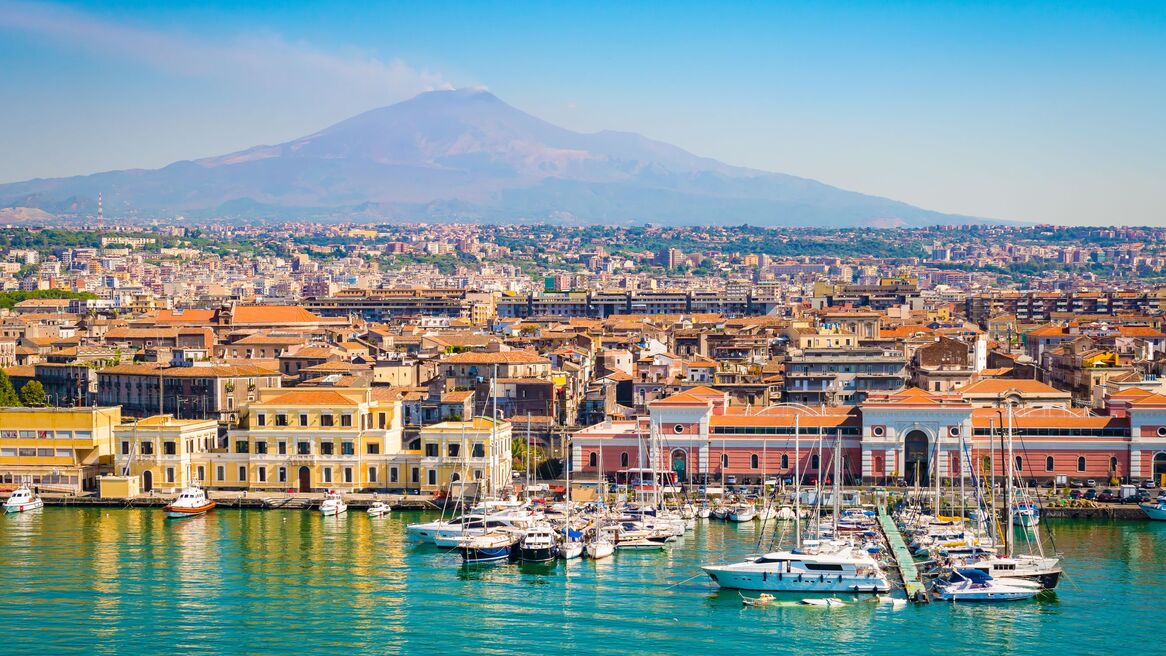
Catania is a lively Sicilian city set beneath Mount Etna, with an energetic feel and spectacular Baroque architecture. Wander the historic centre, browse the fish market, eat your way through the street-food scene or use the city as a base for exploring Etna and the surrounding coast. It’s chaotic, characterful and very Sicilian, with a surprisingly youthful-feeling nightlife scene.
Catania’s neighbourhoods each offer a slightly different take on the city, from Baroque streets and buzzing markets to seaside promenades and lively nightlife. Centro Storico is the best choice for first-time visitors, putting you close to Piazza del Duomo, the fish market and the city’s main sights, with lots of boutique hotels and B&Bs. Via Crociferi is extremely atmospheric, lined with ornate Baroque churches and historic palazzi, and suits those who want to be surrounded by Catania’s stunning architecture. For a greener, more upmarket stay, Corso Italia & Villa Bellini offer leafy walks, smart shops, cafes and restaurants, with the beautiful Villa Bellini providing a welcome escape from the busy centre. Ognina/Lungomare is the place to stay for sea views and a more relaxed pace, with a rocky coastline, little harbour and seafood restaurants along the waterfront. San Berillo has a grittier, more creative feel, with colourful street art, independent bars and restaurants and a buzzing nightlife scene. There’s great accommodation across all five areas, from affordable guesthouses and apartments to stylish boutique hotels, although the biggest choice is around the historic centre and Corso Italia.
Ideal for: Sightseeing, foodies, architecture, nightlife, first-time visitors
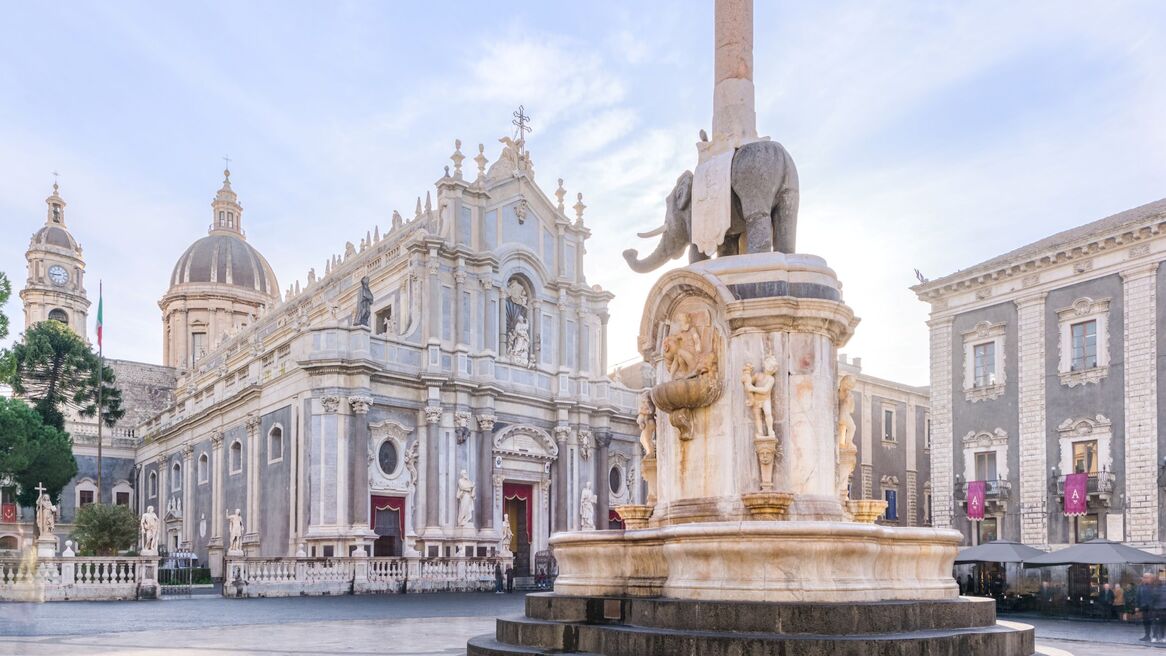
Staying in Centro Storico puts you right in the heart of the city, where you'll find Catania's historic sights. Wander around Piazza del Duomo, admire the black and white Baroque architecture and discover the bustling La Pescheria fish market. Via Etnea runs through the centre, lined with shops, cafes and views towards Mount Etna, while the narrow streets are packed with restaurants and lively bars. There’s a good choice of boutique hotels, stylish B&Bs and charming guesthouses. It’s also an ideal spot for foodies, with plenty of chances to try arancini, pasta alla Norma and Catania’s famous street food.
Did you know? Much of Catania’s Centro Storico is built from black lava stone from Mount Etna. The city has been repeatedly rebuilt after devastating earthquakes and eruptions.
Discover our recommended hotels near Centro Storico
Explore more >
View all hotels in Centro Storico
Explore more >
Ideal for: Culture lovers, sightseeing, baroque architecture, history buffs
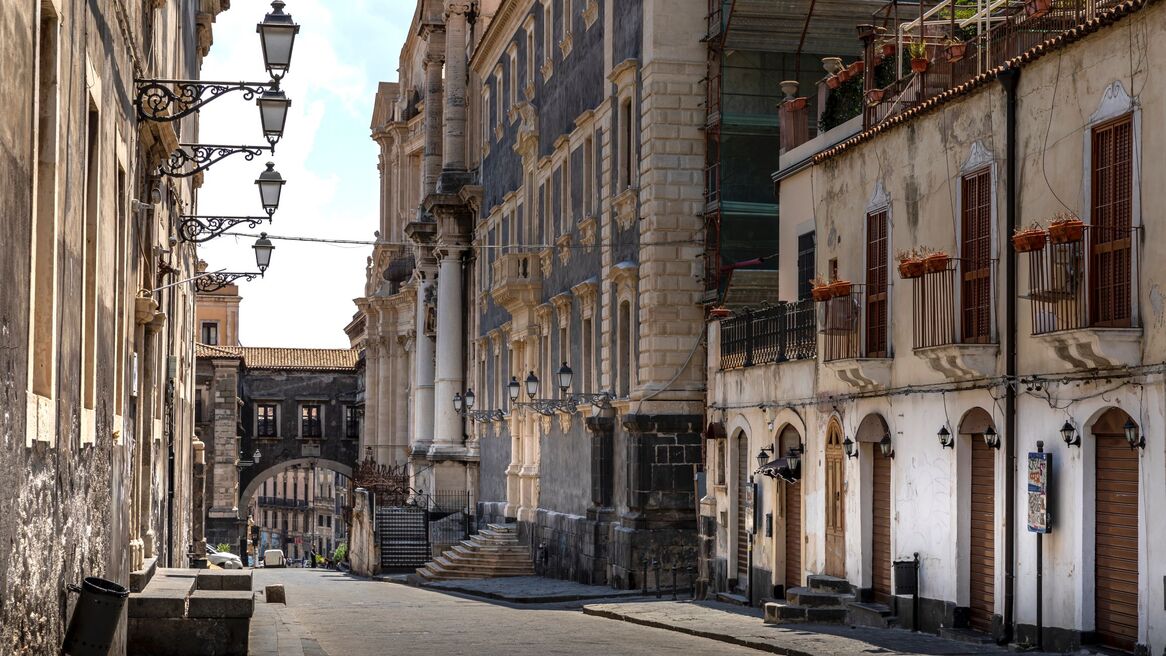
Via Crociferi is a brilliant base for culture and architecture lovers; it's one of Catania’s most beautiful Baroque streets running right through the heart of the historic centre. Stroll past ornate churches and historic palazzi, including the striking Church of San Benedetto, and pop into the nearby Roman Theatre and Monastery of San Nicolò l’Arena. It’s small and easy to explore on foot, with cafes, wine bars and restaurants tucked into the surrounding streets. Accommodation tends to be boutique hotels, B&Bs and guesthouses, often in historic buildings, making this an ideal spot if you want to stay somewhere with plenty of character.
Did you know? Via Crociferi is so rich in Baroque architecture that UNESCO included it within Catania’s World Heritage Site, recognising the street’s amazing collection of 18th century churches and monasteries.
Discover our recommended hotels near Via Crociferi
Explore more >
View all hotels in Via Crociferi
Explore more >
Ideal for: Green spaces, families, shopping, cafe culture, upscale stays
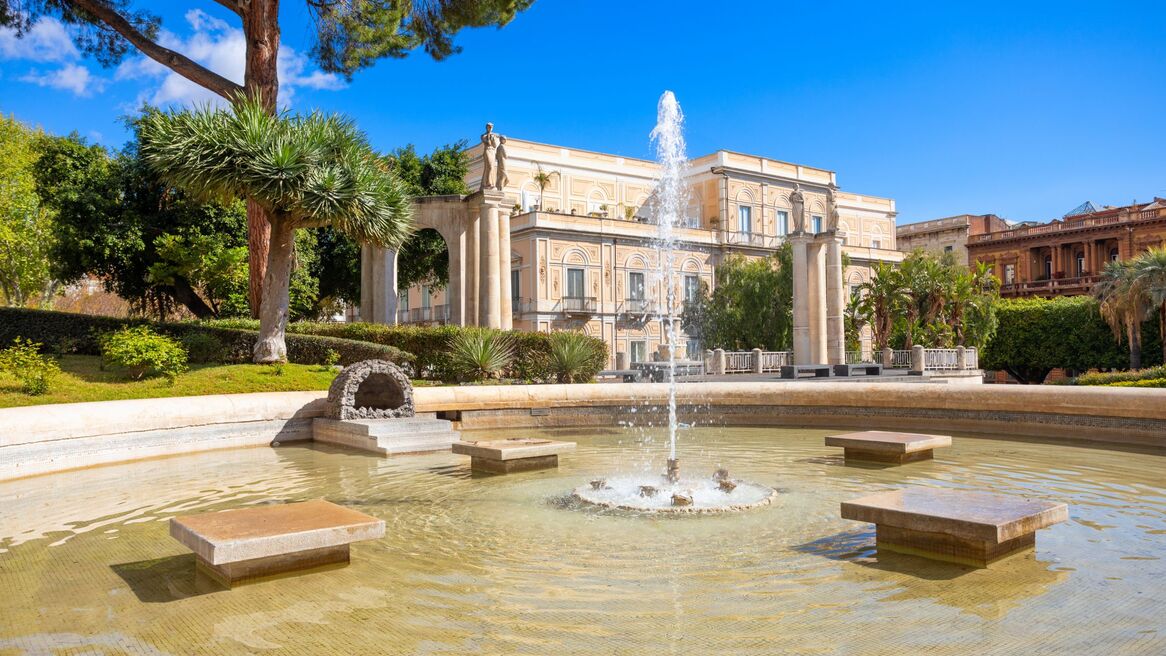
Corso Italia & Villa Bellini are great spots for couples, families and travellers who prefer a more relaxed base than the busy historic centre. The leafy Villa Bellini is Catania’s main public garden, perfect for a stroll or break in the shade, while Corso Italia is lined with smart shops, cafes, restaurants and bars. You’re still within walking distance of the historic sights, but the neighbourhood feels more residential. Hotels here tend to be smarter, with a good selection of boutique and upscale options, plus comfortable B&Bs and apartments.
Did you know? Villa Bellini is the oldest and largest park in Catania. It includes a wonderful clock created from flowers, plus numerous fountains and statues.
Discover our recommended hotels near Corso Italia & Villa Bellini
Explore more >
View all hotels in Corso Italia & Villa Bellini
Explore more >
Ideal for: Sea views, couples, seafood, seaside strolls
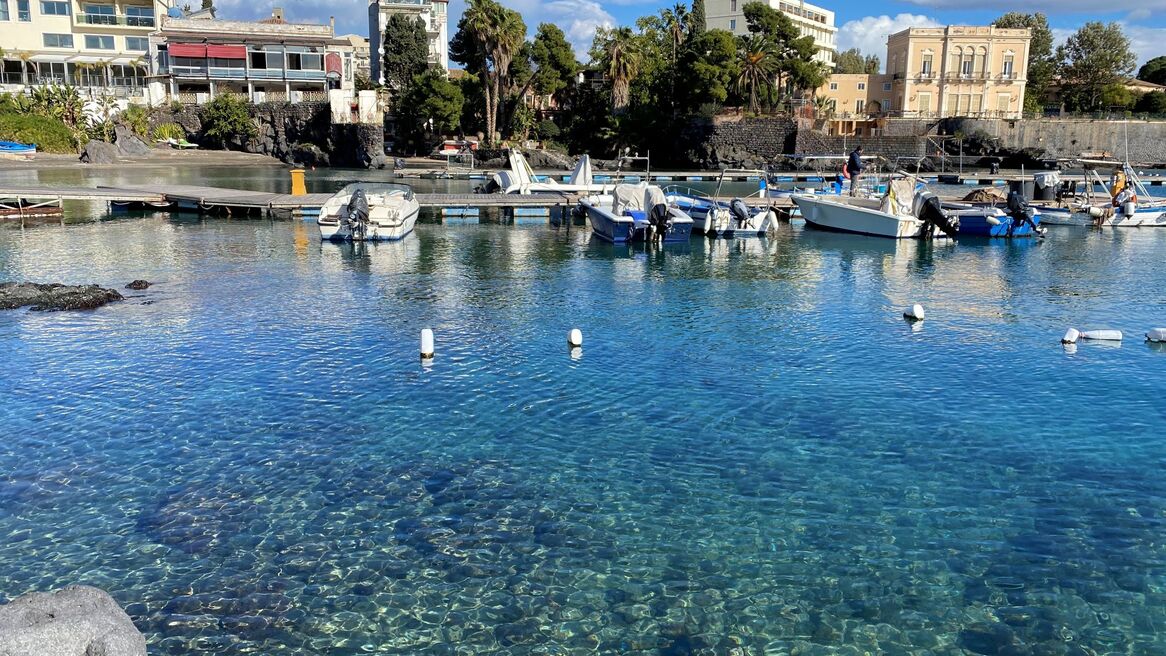
Ognina/Lungomare follows Catania’s rocky coastline, with a marina, small fishing harbour and a long seafront road that’s perfect for romantic evening strolls. Stop for fresh seafood, watch the boats come and go or head to one of the lidos for a swim in summer. It’s quieter and more residential than the Centro Storico, with a handful of smart seaside hotels, B&Bs and apartments. You’ll need to travel into the centre for Catania’s main sights, but that’s the trade-off for a more relaxed coastal base.
Did you know? Ognina’s harbour is thought to have formed inside the crater of an ancient volcanic cone, giving this little fishing port its distinctive rocky coastline.
Discover our recommended hotels near Ognina/Lungomare
Explore more >
View all hotels in Ognina/Lungomare
Explore more >
Ideal for: Street art, nightlife, foodies, local atmosphere, creative stays
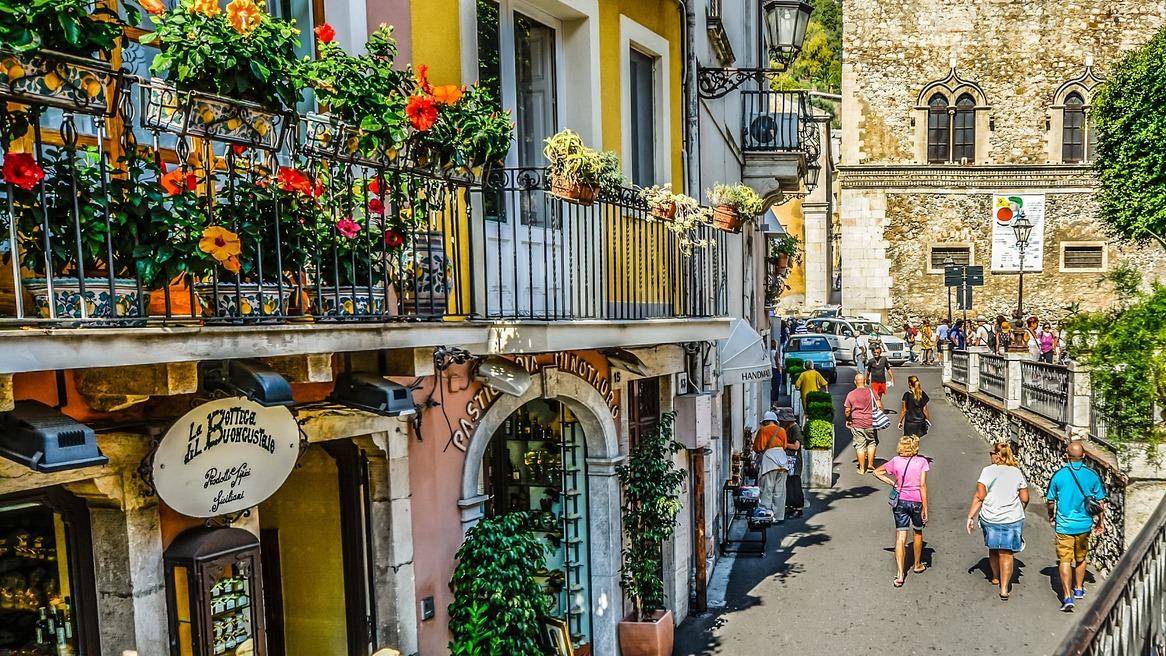
Once a neglected district, San Berillo has developed a creative edge, with colourful street art, independent bars, cafes, restaurants and small cultural spaces filling the narrow streets. It’s close enough to the historic centre to walk to the main sights, but feels much more local and gritty. Accommodation is mostly small boutique hotels, stylish guesthouses and apartments, making it a good choice if you prefer character and atmosphere over a more conventional hotel experience.
Did you know? San Berillo was once one of Catania’s largest red-light districts. Much of the old neighbourhood was demolished in the 1950's and 60's, but parts of the historic quarter survived and have since become a focus for creative projects.