
 Image by Olga Fil from Pixabay
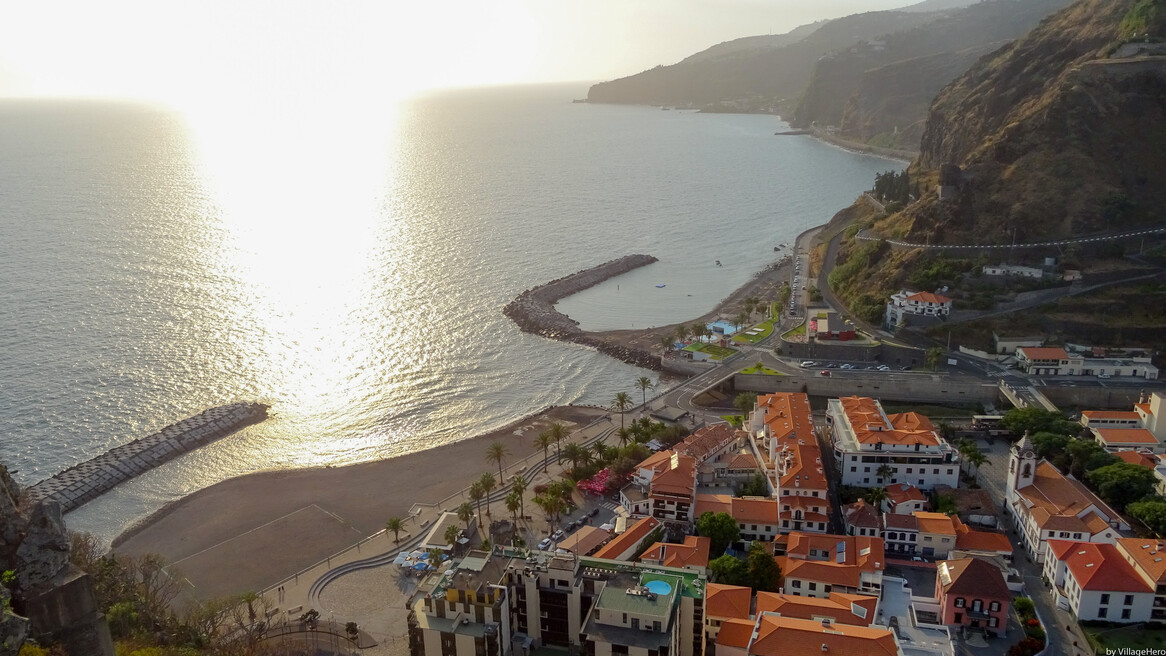
Madeira is an exciting looking island, if you like dramatic cliffs, volcanic sand, lush forests with spectacular waterfalls, and historic towns and villages in white and terracotta. It's not just exciting to look at; it’s known for its sunshine, beaches, and water sports (including snorkelling and diving), too. Plus it has some incredible historic sights: forts, churches and old fishing ports. And some incredible contemporary sights too: vast cruise ship docks, hip bars and nightclubs, and busy yachting marinas.
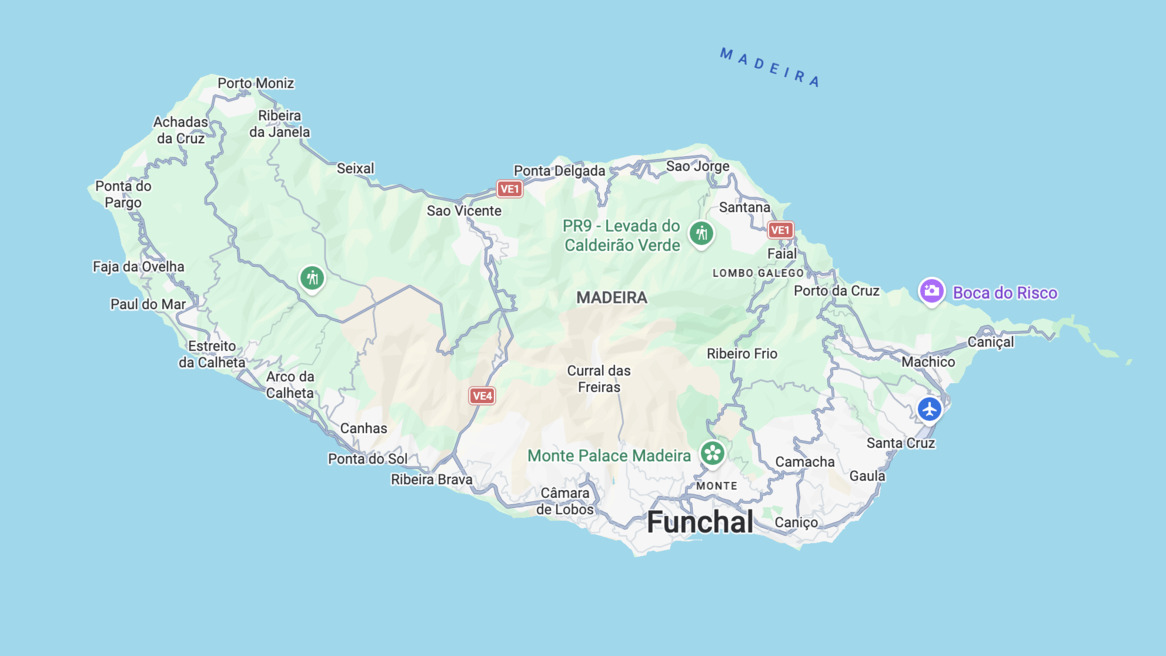
Madeira’s towns, villages and neighbourhoods are very varied, from tiny outposts to proper urban centres, and the north side of the island offers quite a different landscape to the south. If it’s your first time on the island, Funchal is a great place to start. Sightseers might like to consider Camara do Lobos, which is just to the west of Funchal, but still has plenty of historic, fishing village charm. If you’re looking for great beaches, you could look at Machico, which is also a good option for families, or Ponta do Sol on Madeira’s south coast. Families might also like Calheta, which has lots of family-friendly resorts and long, sandy beaches. If you want to swim, but you’re not fussed about the sand, we highly recommend Porto Moniz, which is in a rugged landscape that includes volcanic rock swimming pools and dramatic cliffs. Porto Moniz is on the north coast, which is the island’s more dramatic side, and if that’s piqued your fancy, you might also consider São Vicente.
Ideal for: city breaks, ocean views, foodies, families, romantics, car-free explorers, shoppers, party people
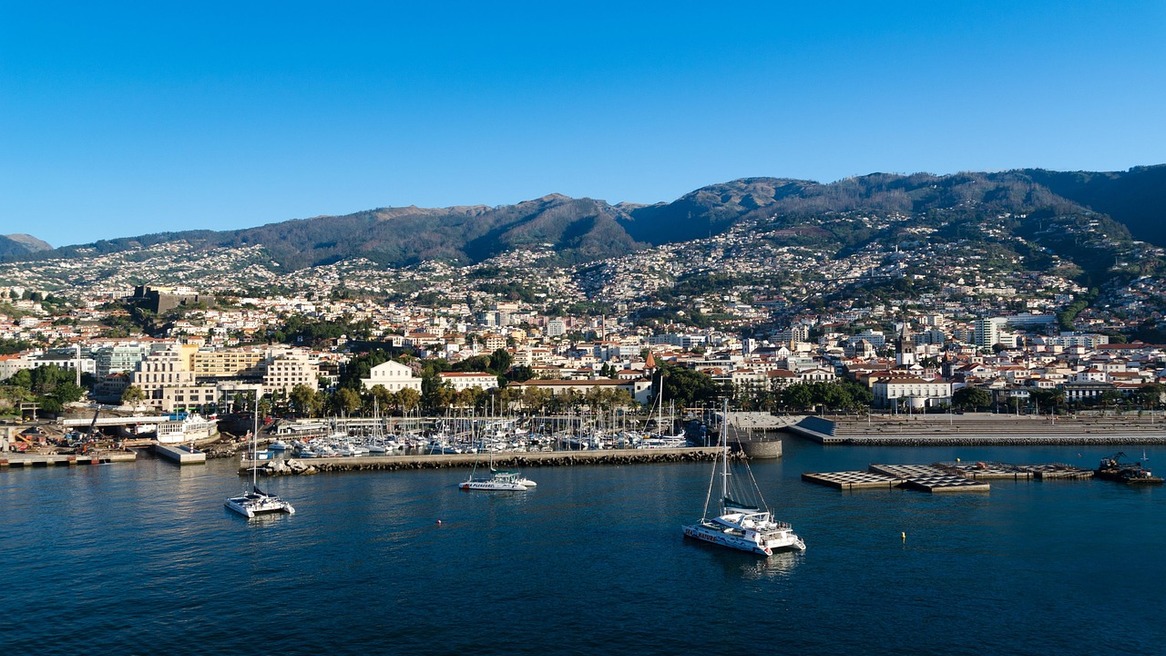
Capital of Madeira, Funchal sits on a picturesque, blue harbour, backed by dramatic cliffs; but it’s the contrast between the narrow lanes of the original port and the wide, graceful boulevards of modern-day Funchal that you really notice. The Old Town is like an open-air gallery; Sé Cathedral and the former episcopal palace are memorable, as are the black-and-white cobblestoned streets, and Funchal has a collection of interesting museums and galleries. This is the place to come if you're looking for notable cuisine and the ideal base if you’re not interested in hiring a car. Madeira’s historic centre is called the Zona Velha. Its narrow, cobbled streets and traditional Portuguese architecture are charmingly laid out with restaurants, taverns and cafes on church squares, and many of the city’s historic sights are within the neighbourhood. Sé and São Pedro are the other super central areas. Sé is the modern city centre, and São Pedro is just to the north. The Lido district, which is centred around the district of São Martinho, is known for its luxurious, oceanside hotels.
Did you know? Funchal's Arte de Portas Abertas — Art of Open Doors — initiative, on the Rua de Santa Maria, invites artists to transform old, weathered doorways into colourful artworks. There are more than 200 doors to discover!
Discover our recommended hotels near Funchal
Explore more >
View all hotels in Funchal
Explore more >
Ideal for: beach breaks, walkers and hikers, snorkelling, families, sightseeing
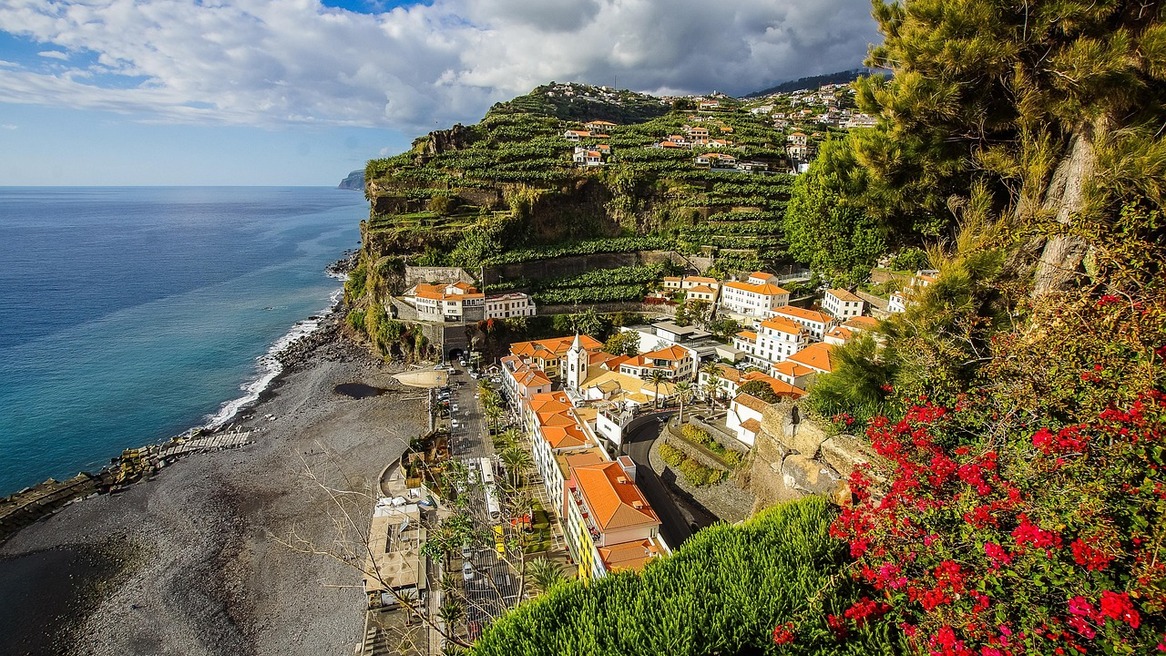 Image by Frank Nürnberger from Pixabay
Ponta do Sol is known for being the sunniest place on Madeira, an island that is already known for its temperate climate. Hence the name: “Sun Point”. The pebbled beach on a scoop of harbour is a charmer, lined with seafood restaurants, and buzzing bars, cafes, boutiques and galleries. Ponta do Sol’s historic heart has pleasingly narrow streets, historic squares, and a beautiful old church. Walkers and hikers like Ponta do Sol for its myriad routes: to canyons, waterfalls, more viewpoints, and more beaches. Snorkellers love it here too, and Ponta do Sol is known for having accommodation to suit all tastes.
Did you know? Ponta do Sol even has its own shipwreck, and one that has come all the way from London: the Bowbelle, a gravel-dredging vessel notorious for colliding with the Marchioness riverboat in 1989, which later sank in Madeiran waters during a storm.
Discover our recommended hotels near Ponta do Sol
Explore more >
View all hotels in Ponta do Sol
Explore more >
Ideal for: families, sightseeing, relaxed breaks, walkers and hikers, romantics, photographers
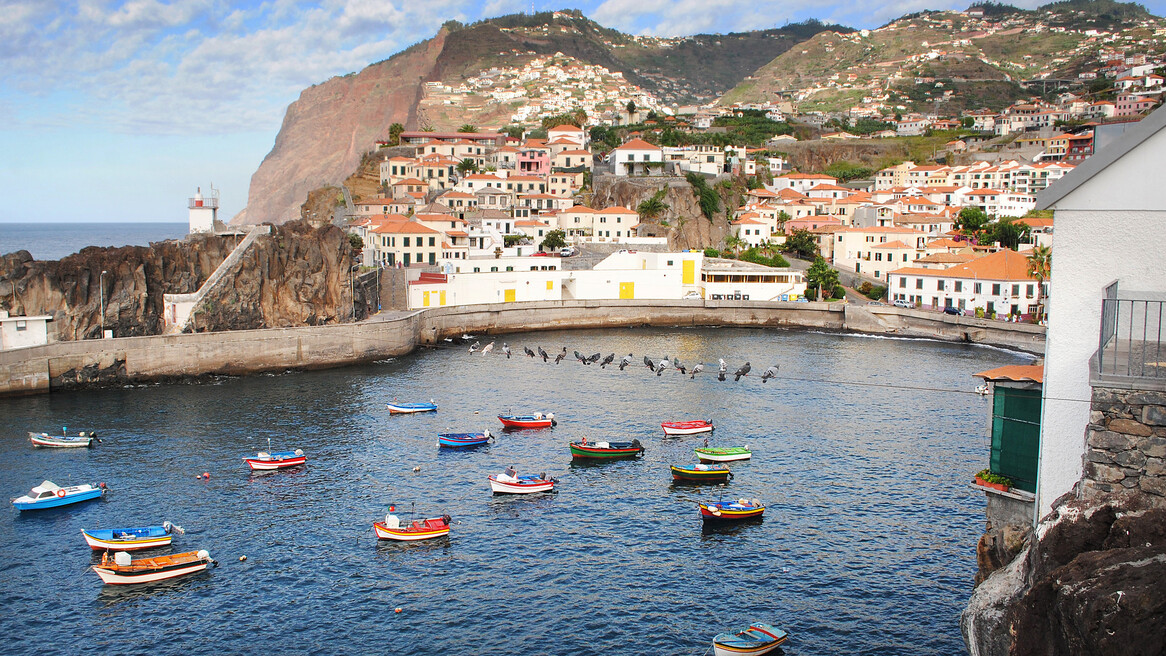
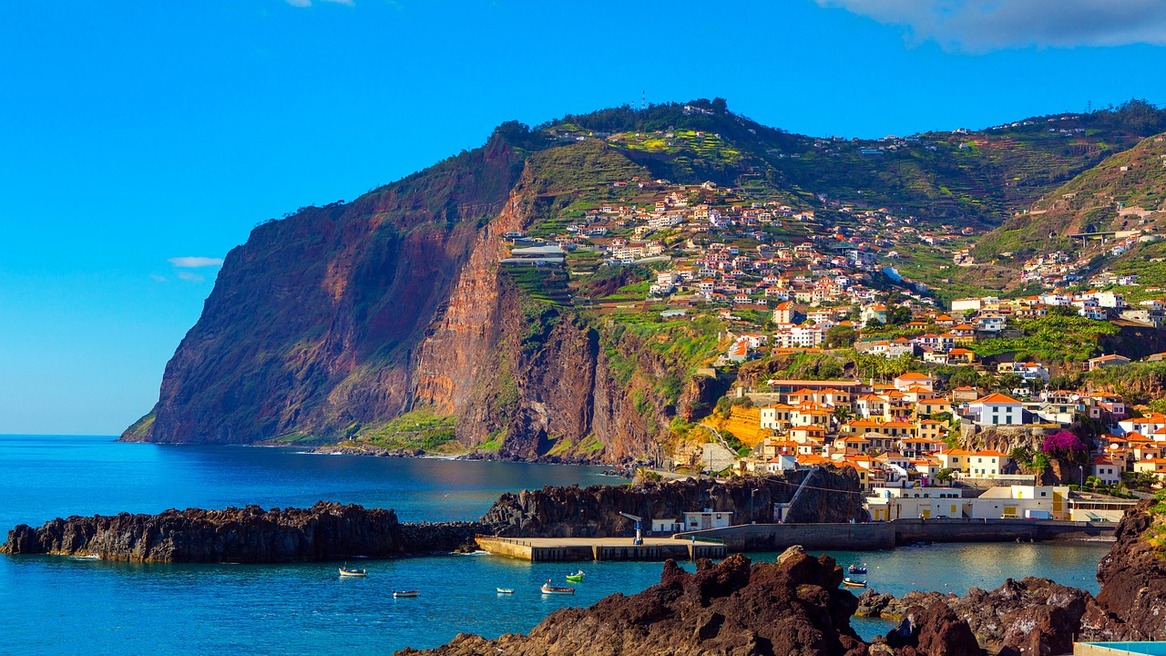
Câmara de Lobos is a picturesque, white-painted fishing village, conveniently positioned between Funchal and Ponta do Sol, meaning it’s a great base for island explorations. It has a working fishing harbour, with family-owned seafood restaurants lining it. There’s a fish market too, as well as galleries and boutiques, designed to appeal to visitors. Cabo Girão, Europe's highest sea-cliff skywalk, stands just above the village. Set 580 metres above the ocean, this glass-floored platform is a jaw-dropping spot from which to see this part of Madeira. Head inland to sample the island’s famous fortified wine at terraced vineyards, or follow local levada walking trails through laurel forests, along cliffs and into the mountains of the interior.
Did you know? Winston Churchill made this village famous: he visited Madeira in January 1950, and painted this harbour, bobbing with boats.
Discover our recommended hotels near Câmara de Lobos
Explore more >
View all hotels in Câmara de Lobos
Explore more >
Ideal for: city break, sightseeing, families, foodies, relaxed breaks, history lovers, short stays
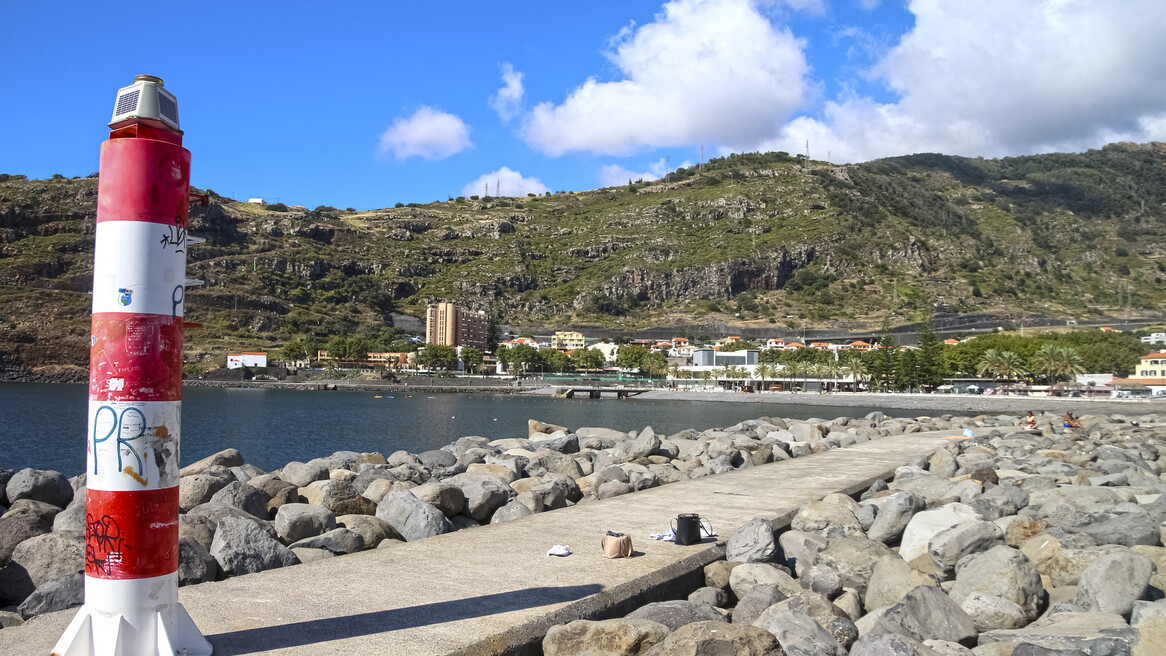
Machico is a historic city by a bay, so it’s got quite a lot to offer visitors. This is the third largest centre on the island, and a living city, so expect a more urban stay, though one which still includes plenty of great seafood restaurants on a pretty harbour bobbing with yachts, historic architecture and ocean views. But Machico also has great museums, great public transport, and a choice of pebble or sandy beaches. This is a less touristy centre than Funchal, so there are fewer restaurant choices; there are also fewer hotels, and more aparthotels and rental apartments. For anyone interested in history, Machico was the place of the first Portuguese landing, and there’s a great fort called the Forte de Nossa Senhora do Amparo. The airport is about a ten-minute drive from the centre of town. There are also great transport links to island highlights.
Ideal for: Machico is named after Robert Machim, a legendary 14th century English knight, who allegedly fled to the island with his lover and was shipwrecked there.
Discover our recommended hotels near Machico
Explore more >
View all hotels in Machico
Explore more >
Ideal for: adventures, walkers and hikers, families, water sports
 By Flickr user Michael Gaylard
São Vicente is a region on Madeira’s more rugged north coast. It’s known for its deep valleys, surrounded by green mountains and ancient, subtropical forests. Underneath the steep cliffs is a collection of pretty towns and villages, and underneath those there are volcanic caves and lava tubes, which you can explore via the São Vicente Caves and Volcanism Centre. So this is a great place for anyone wanting to hike or walk through more unusual, dramatic landscapes.
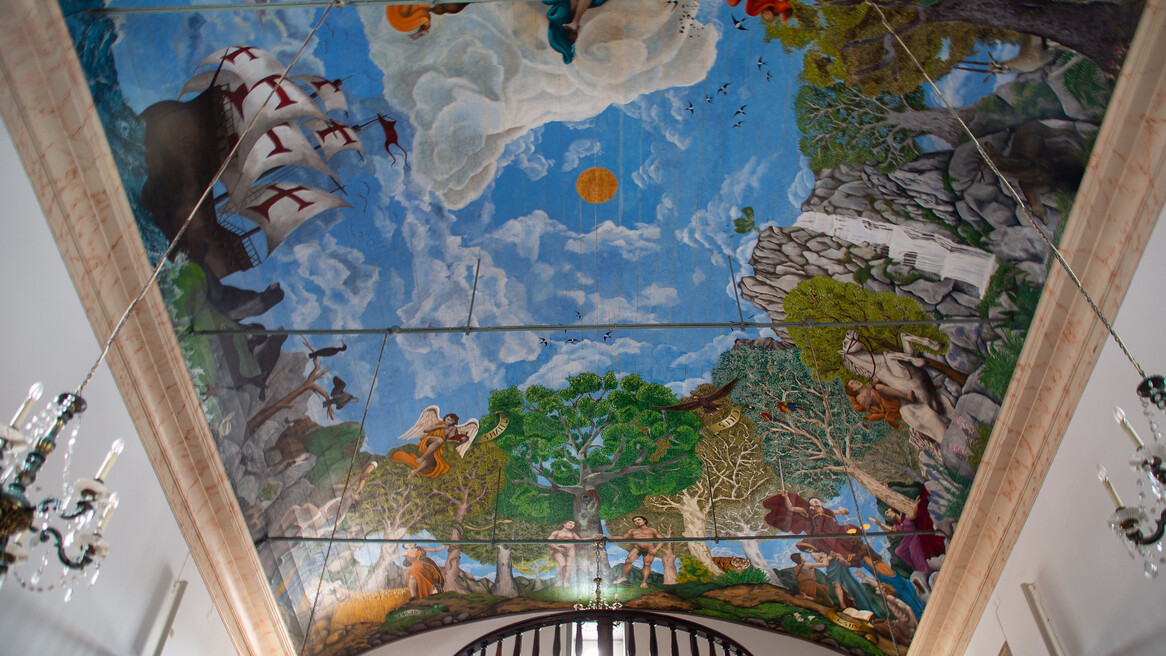
Above ground, São Vicente offers plenty of charm: 17th century and Baroque architecture, with white walls and terracotta coloured roofs. There’s a feature church with a painted ceiling, and streets with wide steps built into them, effectively pedestrianising some towns and villages. The coastline is known for its windsurfing, surfing and bodyboarding, rather than for sunbathing, but if you like a pebble beach, this one is very photogenic. São Vicente also makes a good choice for anyone wanting to explore Madeira: it’s around a 45-minute drive from Funchal, and close to Porto Moniz and Santana.
Did you know? São Vicente's lava tube caves are around 890,000 years old.
Discover our recommended hotels near São Vicente
Explore more >
View all hotels in São Vicente
Explore more >
Ideal for: relaxed breaks, foodies, families
Ribeira Brava is a region on Madeira’s southwest coast, but also the name of a town. The region includes lush, but steep, valleys, and a gentle, pebble Atlantic seafront. The rich, volcanic soil means lots grows here, and considering the size of the region it offers very varied landscapes. Expect to eat some amazing local produce. The town Ribeira Brava is large enough to offer a good range of accommodation options, and to house the Madeira Ethnographic Museum. The Ribeira Brava Bathing Complex, which is a series of sea pools surrounded by sunbathing areas, is a popular place to visit, even if you don’t stay locally (it’s only about 20 minutes from Funchal). Other local sights include Forte de Ribeira Brava, which was built into the valley at a time when pirate attacks were a constant threat, and the Centro Desportivo da Madeira.
Did you know?
Ribeira Brava translates to Angry River, and does come from a feisty local tributary, which runs through the region and town.
Discover our recommended hotels near Ribeira Brava
Explore more >
View all hotels in Ribeira Brava
Explore more >
Ideal for: beach breaks
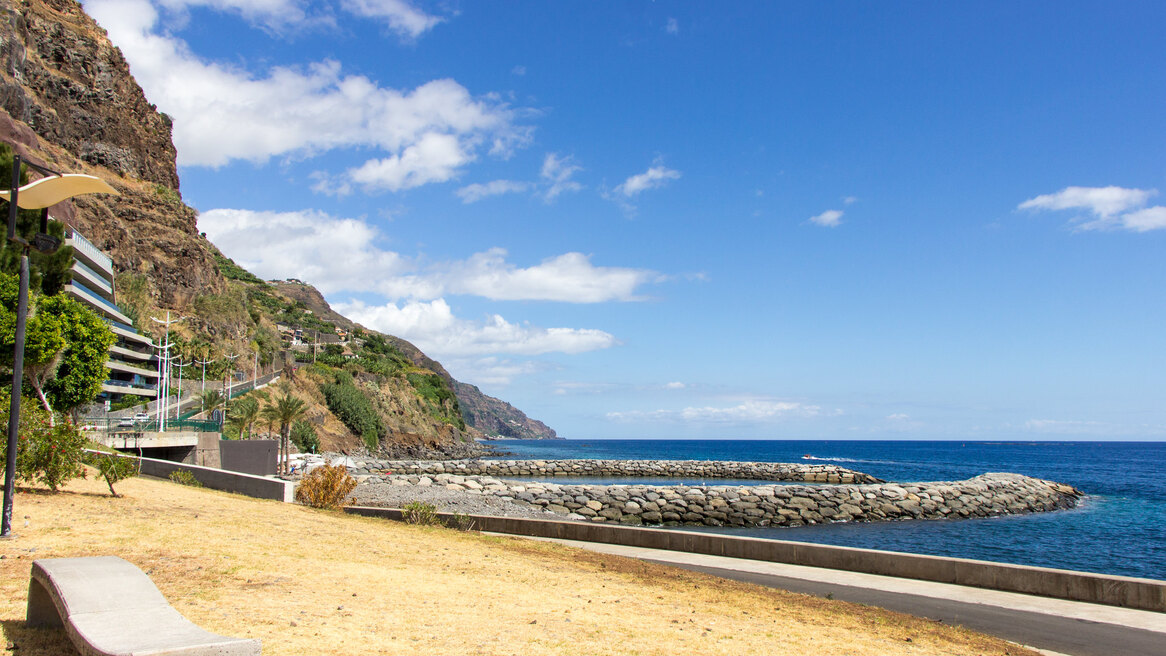 By Flickr user Florian Meißner
Calheta is known for being a beach break destination, but as well as being a beach resort, it’s also the name of the whole surrounding region. The beach and marina are what many people choose to stay in Calheta for; the beach is golden and sandy, which might surprise you on Madeira, until you hear that the sand is actually imported from North Africa, and the elegant breakwaters are there partly to create a safe and calm swimming environment, and partly to protect Calheta’s investment in golden sand. One of the local sights is a sugar cane mill, which still converts the local sugar cane to honey and sugar cane rum.
Did you know? Calheta translates to "small bay" or "small cove"... but it's not really that small?
Discover our recommended hotels near Calheta
Explore more >
View all hotels in Calheta
Explore more >
Ideal for: beach breaks, families, swimming, walkers and hikers
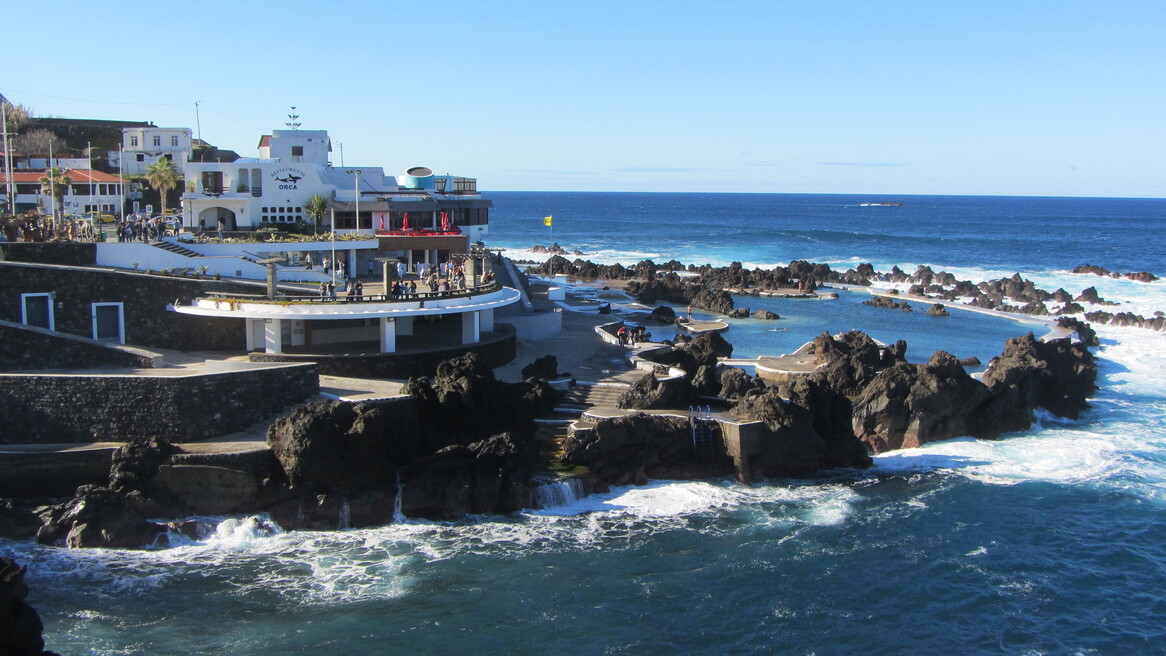 By Flickr user Stephen Colebourne
Porto Moniz is on Madeira’s northwest corner, on a stretch of coastline famous for its green mountains, swimmable volcanic pools and dramatic topography. It also has an aquarium, built into the skeleton of an 18th century fort, and a steep cable car that takes you down to the ocean. Around the town grow lush forests cut through with walking trails. But it’s the pools that put Porto Moniz on the map; with edges of cooled lava, these pools are constantly filled and emptied by the ocean, leaving ever-refreshed water. They’re around two metres deep, with plenty of shallow, family-friendly areas, places to change, sunbathe and facilities that allow you to stay all day. Next door are the free, un-landscaped pools, and there’s a beautiful promenade between the pools and the town’s pier. Expect black sand and spectacular scenery.
Did you know? Porto Moniz's local forests are part of the Fanal Forests, which in turn are part of the UNESCO World Heritage-listed Laurissilva forests, which are filled with ancient, twisted laurel trees that are often blanketed in a fairy-tale fog.