
Manchester is a lot of things, and it can credit its looks to several of them. The canal and port, surrounded by impressive brick buildings, are honour badges of being the world’s first industrialised city, and the gentrification of this area shows the city’s appetite for reinvention. Manchester’s TWO world-class football teams have added to the city’s civic pride, and this town is awash with new architecture, new places to eat and drink, local boutiques and galleries, and all kinds of innovation. Manchester is a pretty exciting place to visit!
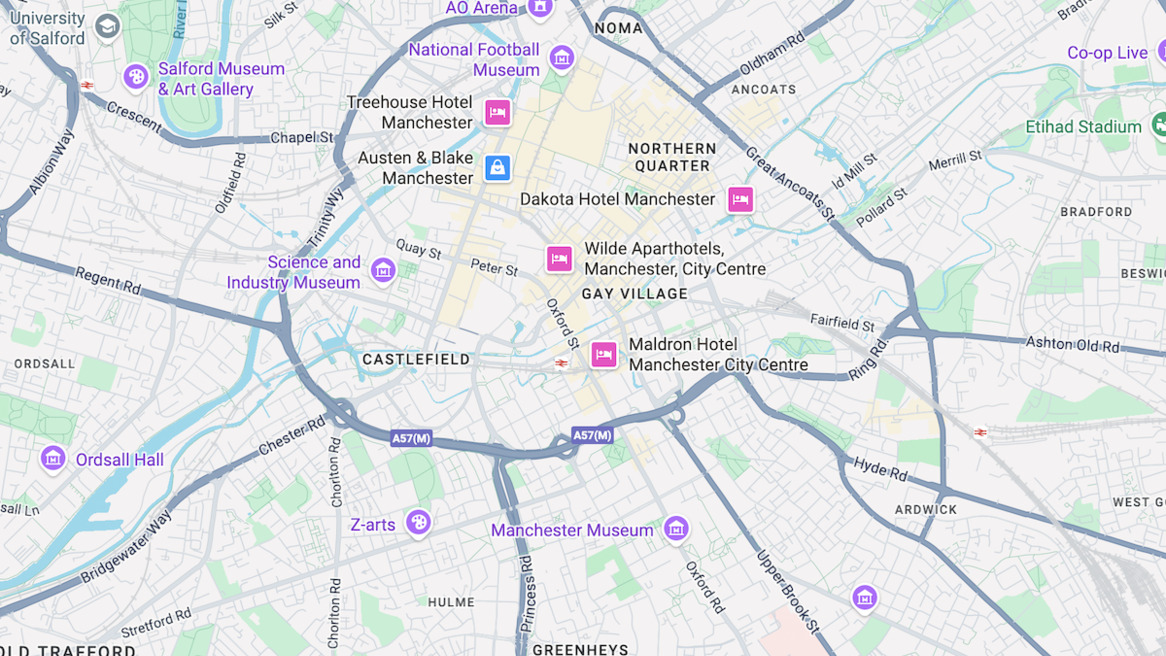
Even if you’re a hardcore fan of one of Manchester’s TWO world-class football teams, the best neighbourhoods for visitors to stay in are still those relatively close to the centre of town. This is where you’ll find the main historic attractions and sights, as well as the best shopping, dining, and entertainment. The actual City Centre neighbourhood has a good mix of accommodation, but if you’re looking for something boutique, or funky, check out the hip Northern Quarter or Ancoats. Deansgate is the best neighbourhood for shoppers, Castlefield is a green pocket, and home to some historic highlights, while Didsbury is a good choice if you’re looking for somewhere more peaceful, or family-friendly.
Ideal for: city breaks, sightseeing, short stays, shopping
 Dimitris Vetsikas from Pixabay
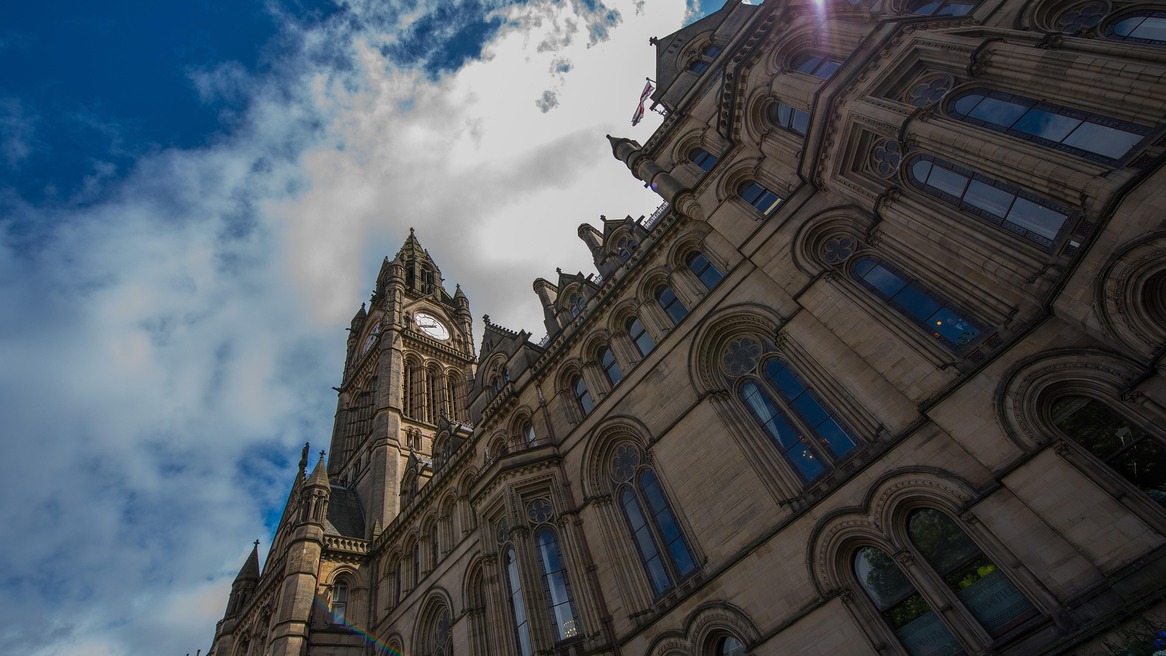
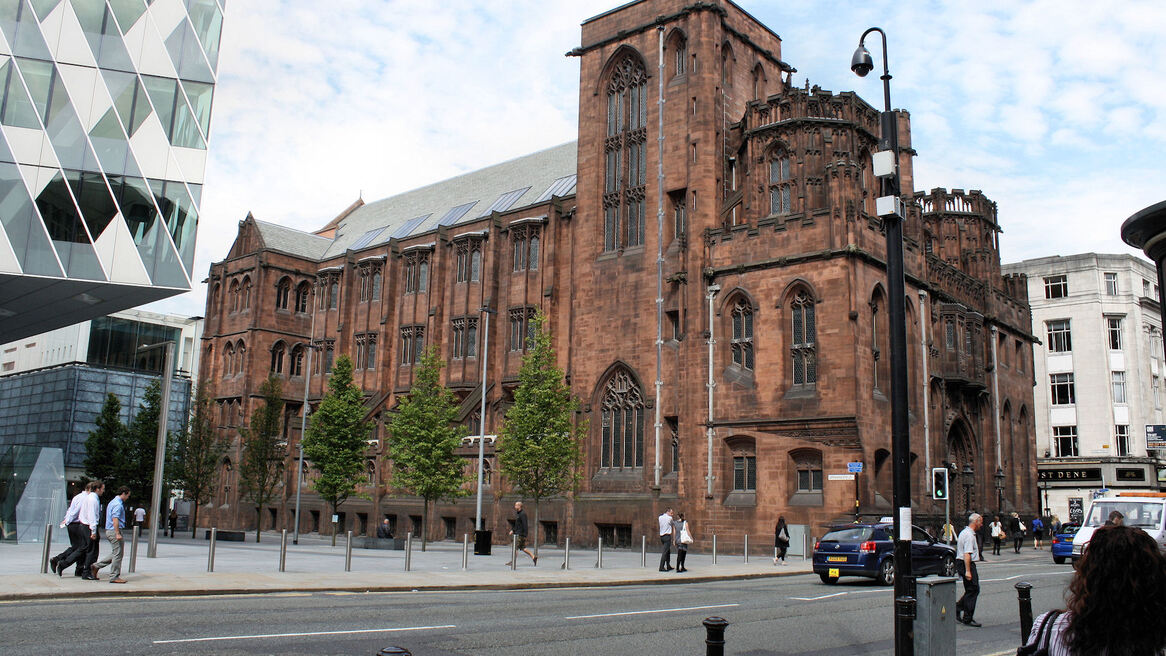
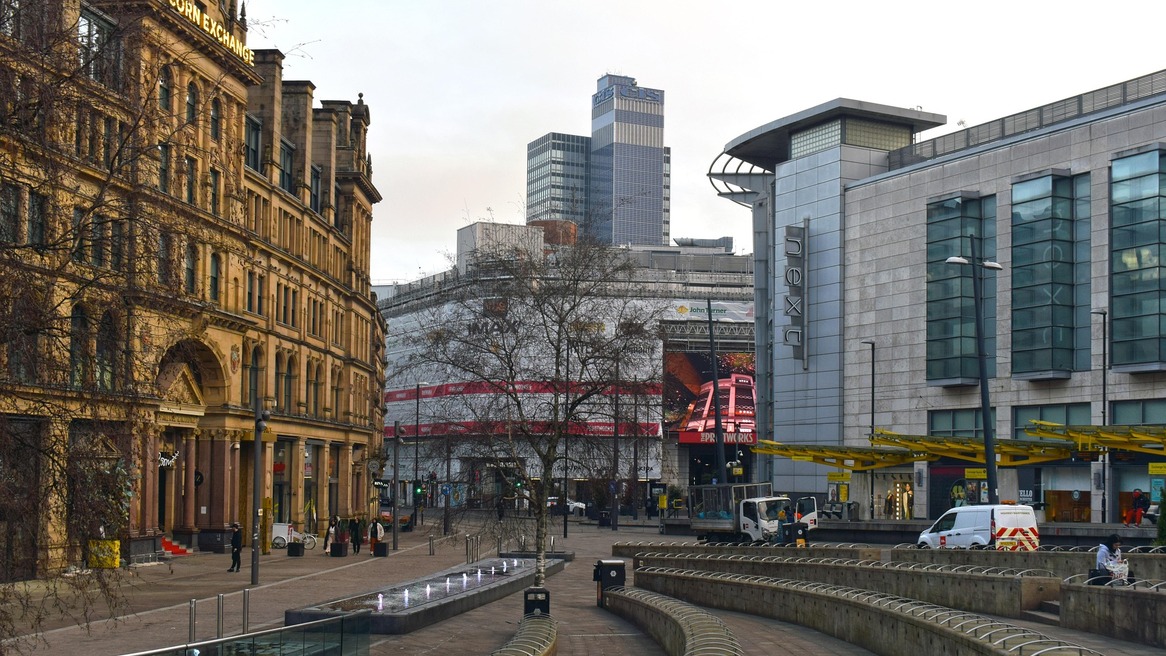
Still wonderfully accented by the splendidly imposing Victorian commercial architecture of the industrial age, Manchester’s City Centre is a fantastic city if you appreciate the juxtaposition of architecture. Bombed during WWII, some of this area was rebuilt then, but some of the architecture is more recent; it’s got a spectacular skyline of glass, concrete and red brick. The highlights are probably the Royal Exchange, the Corn Exchange, the Free Trade Hall and the Great Northern Warehouse. Most of the neighbourhoods we’re recommending you stay in are classed as City Centre neighbourhoods, which goes to show how easy it is to get around Manchester, but they all have their own character, with the true City Centre being the bit around the station and the shopping streets of the Manchester Arndale. This neighbourhood also encompasses Manchester Cathedral and Gardens, Exchange Square, and Market and King Streets.
Did you know? This is where the UK's first public library, Chetham's Library, opened in 1653.
Discover our recommended hotels near Manchester's City Centre
Explore more >
View all hotels in Manchester's City Centre
Explore more >
Ideal for: shopping, city breaks, luxury lovers
Deansgate is actually a road, with a neighbourhood running along it. But it links other parts of the City Centre with Deansgate Locks — a great place to eat and drink of an evening — with Castlefield and Beetham Tower at one end, and Victoria Station and the National Football Museum at the other. There are lots of shops along Deansgate, but there are also museums, the Central Library, HOME — the arts hub — and loads of places to eat and drink. The street runs for about a mile, and walking along it is a good way to start your explorations of the city. Contemporary icon One Deansgate is a swanky landmark to look out for, and to stay in if you’re looking for luxurious accommodation. It’s also worth looking out for the Art Deco Kendal’s building, and the Victorian Barton Arcade. Spinningfields is another shopping highlight.
Did you know? Deansgate is built atop an ancient Roman road connecting the Roman fort of Mamucium to the river. Mamucium is Manchester's great-great-great-great-great etc. grandparent.
Discover our recommended hotels near Deansgate
Explore more >
View all hotels in Deansgate
Explore more >
Ideal for: hipsters, live music, foodies, party people, local art
 By Jorge Franganillo, CC BY 3.0
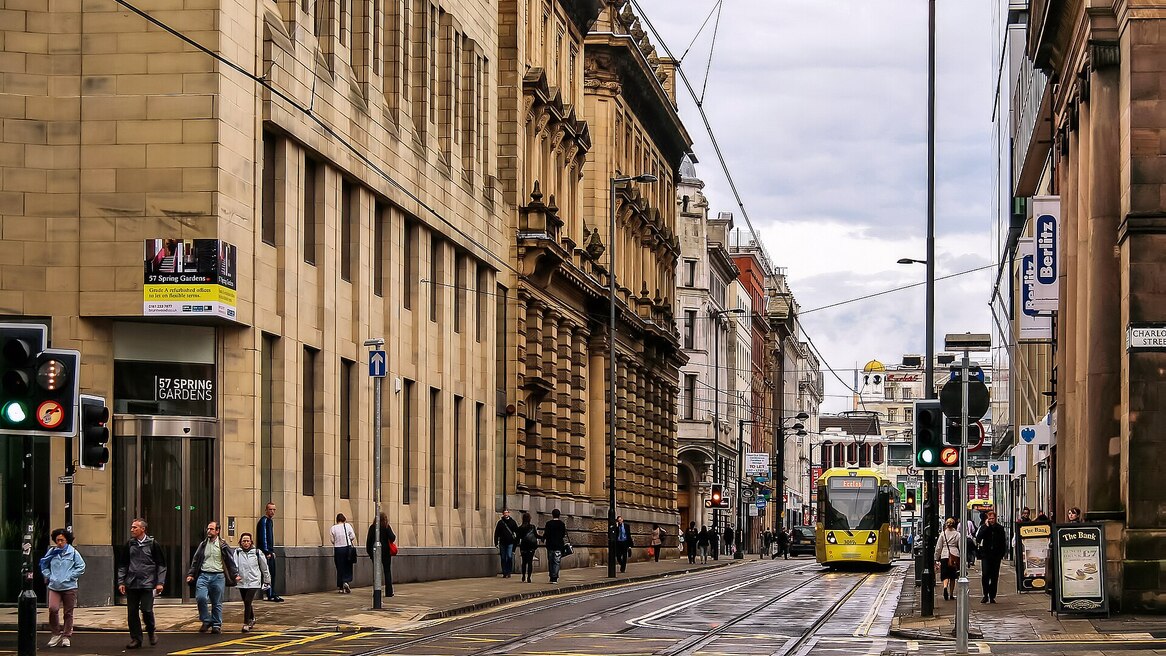
When Manchester was known as a great cotton producer — or “Cottonopolis” — Ancoats was the city’s industrial heartland. Its warehouses and mills have now been beautifully converted into accommodation and entertainment facilities. Expect breweries, cafes and restaurants, boutique shopping, little galleries, and some great industrial architecture set alongside canals. The better-known Northern Quarter is a neighbouring district with a cool vibe, plenty of street art and independent boutiques, fantastic live music venues, and a bohemian atmosphere. Afflecks, a multi-storey indoor market, is a highlight.
Did you know? Ancoats is considered the world's first industrialised suburb, and one of its streets used to be called Sanitary Street, because it was the first social housing in the area to have its own toilet and tap for each house. It's now called Anita Street...
Discover our recommended hotels near the Northern Quarter
Explore more >
View all hotels in the Northern Quarter
Explore more >
Ideal for: families, history lovers, on-foot-explorers, sightseeing
 Dimitris Vetsikas from Pixabay
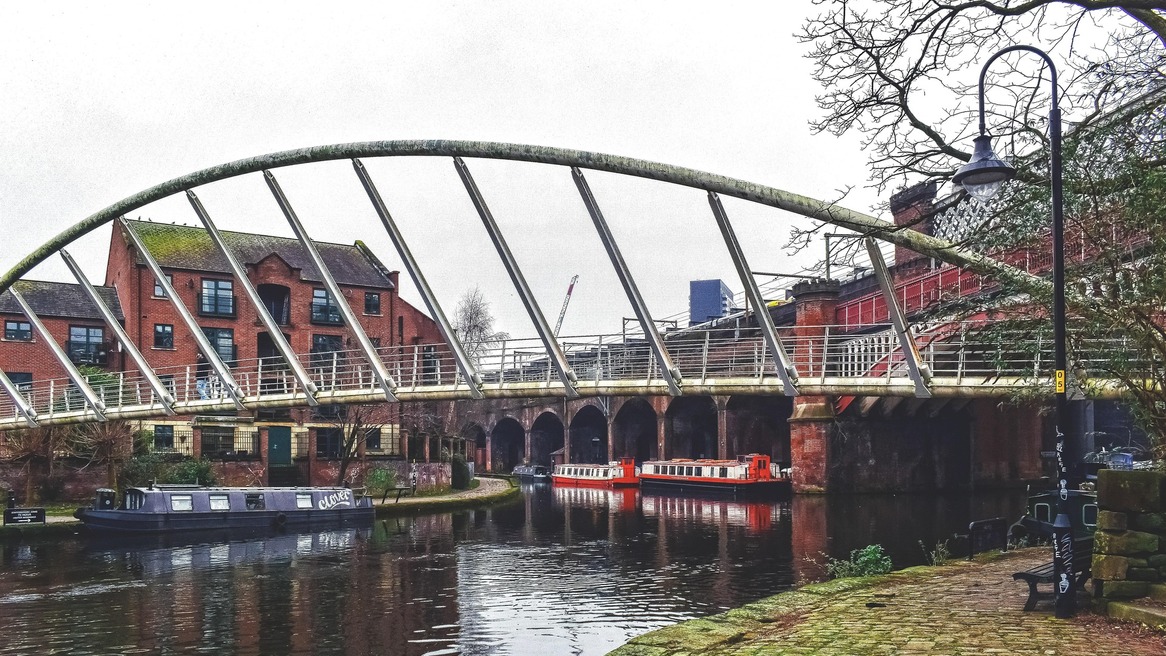
Castlefield is at the southern end of Deansgate, and is a neighbourhood of tree-lined canals, converted mills, galleries and museums, and the remains of the Roman settlement. It is the centre of Manchester’s canal network, and while the canals no longer provide the same transport avenues, they’re now packed with wildlife, and the area surrounding them has become some of Manchester’s nicest green space. There are some great canal-side pubs too. Castlefield Junction is the canal basin, and it boasts one of the most memorable bridges in the neighbourhood, as well as a viaduct.
Did you know? Liverpool Road Station, Castlefield, was one end of the world's first passenger railway line, which ran between here and Liverpool.
Discover our recommended hotels near Castlefield
Explore more >
View all hotels in Castlefield
Explore more >
Ideal for: families, relaxed breaks
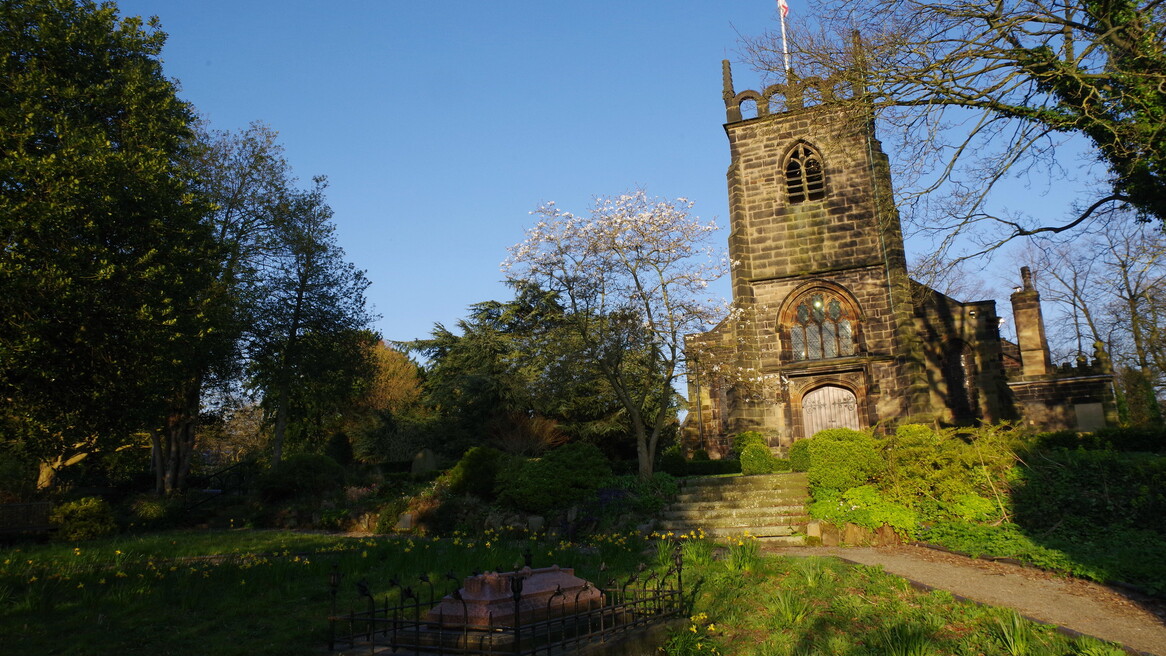
Didsbury, and especially West Didsbury, are residential neighbourhoods just along the River Mersey from the centre of Manchester. Both neighbourhoods are known for their Victorian and Edwardian architecture and green spaces. Didsbury also has a park and botanic gardens. It is known for its villagey feel, with local shops, pubs, restaurants and cafes.
Did you know? Didsbury was the birthplace of the Royal Society for the Protection of Birds, which started as 'The Plumage League', an organisation that campaigned against the use of feathers in fashion.