
Mit dem Meer und den berühmten Fjorden vorne und den Bergen dahinter ist das coole und kompakte Oslo eine fantastische Wahl für einen Städtetrip. Kulturell reich, mit unvergesslichem Essen und Architektur (insbesondere Statuen), wird Oslo oft als 'blühend' bezeichnet. Es ist teuer, aber wirklich lohnenswert.
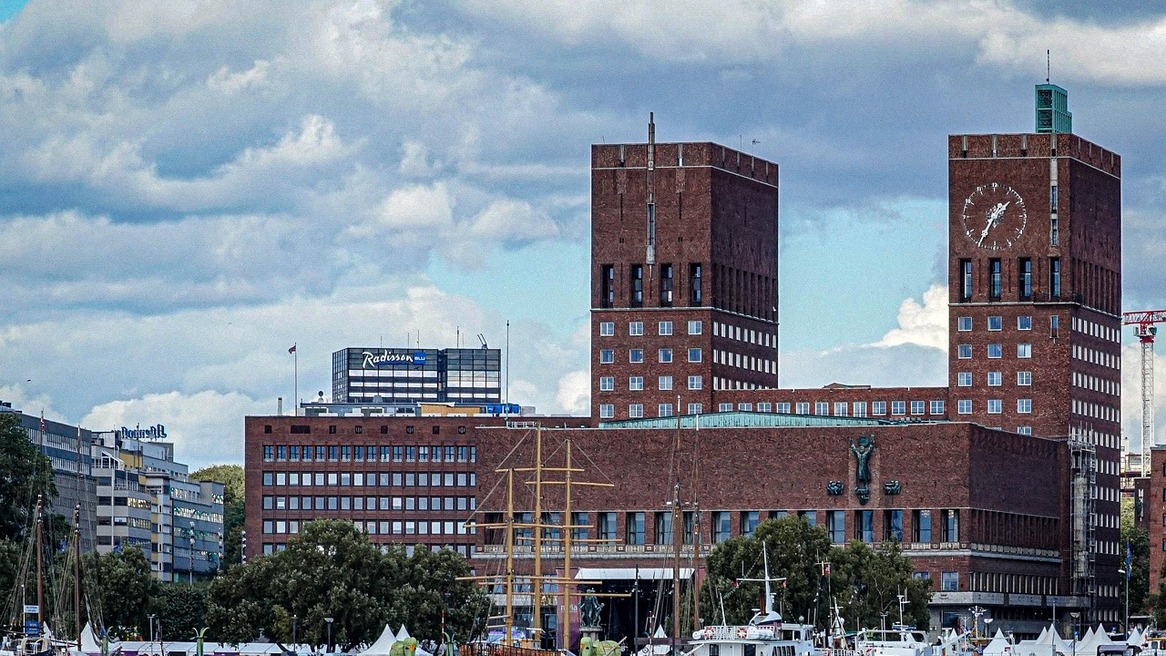
Sentrum, oder das Stadtzentrum, liegt im Herzen von Oslo, zwischen dem Hauptbahnhof und dem Fjord und umfasst die meisten historischen Gebäude Oslos. Bjørvika ist das östliche Viertel von Sentrum, zwischen einigen der ältesten Teile der Stadt und der Festung Akershus, und ist ein industrieller Hafenbereich, der sich zu einem coolen Viertel gewandelt hat. Dies ist eine gute Basis für Fans zeitgenössischer Kunst und Architektur, gehobener Gastronomie und Wasser — hier kann man im Fjord schwimmen. Aker Brygge ist der andere umgestaltete Hafenbereich, der jetzt für seinen Kanal und seine Marina bekannt ist.
Grünerløkka liegt nordöstlich von Sentrum und gilt als cool. Dies ist der Ort zum Übernachten, wenn Sie Kaffee mit hippen Einheimischen trinken, nach Vintage-Schätzen und lokal produzierten Kostbarkeiten stöbern und Ihre Abende auswärts verbringen möchten. Frogner ist ein gehobenes Wohnviertel, aber ein großartiger Ort zum Übernachten, wenn Sie mit Ihrer Familie hier sind oder die feineren Dinge schätzen. Nordstrand ist ein weiteres gehobenes Wohnviertel, diesmal jedoch mit Aussicht und einem Strand. Das Holmenkollen-Gebiet liegt auf dem Hügel hinter Oslo und bietet Ausblicke, Skisprungmöglichkeiten und einen weitläufigen Park voller Wanderwege.
Ideal für: Städtereisen, Sightseeing, Shopping, Familien
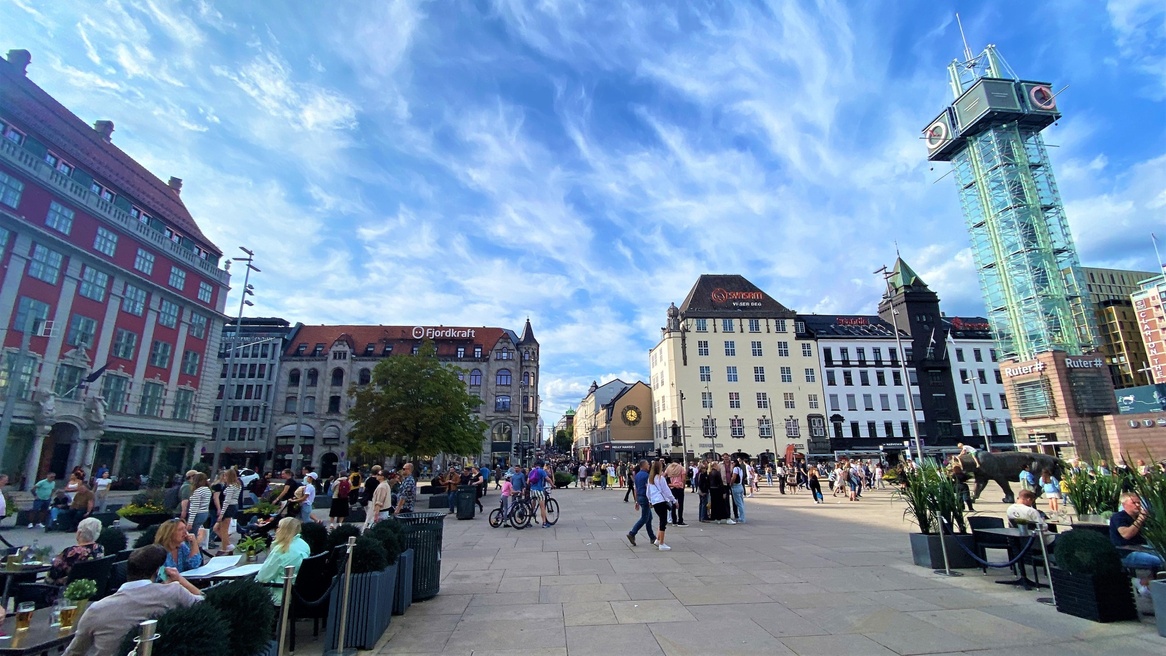
Das Stadtzentrum von Oslo ist eine offensichtliche Wahl, wenn Sie fragen „Wo sollte ich in Oslo übernachten?“, aber es ist eine Ansammlung kleinerer Viertel und nicht nur ein großes, und sie alle haben ihren eigenen Reiz. Alle Viertel von Sentrum sind sehr zentral und in angenehmer Laufweite zu zahlreichen Hauptsehenswürdigkeiten und Attraktionen. Kvadraturen ist einer der ältesten Teile der Stadt mit einigen der historischsten Gebäude, die über ein altes Straßennetz verteilt sind. In diesem Viertel gibt es auch zahlreiche Museen und Galerien. Torggata ist das modische Gebiet in der Nähe der Torggata-Straße, die für ihre Boutiquen, Bars und Restaurants bekannt ist. Tullinløkka liegt im Norden von Sentrum, in der Nähe des Königlichen Schlossparks — dies ist ein großartiger Bezirk für Feinschmecker und Vintage-Shopper. Angesichts der zentralen Lage gibt es einige sehr erschwingliche Unterkunftsmöglichkeiten…
Wussten Sie schon? Oslo hieß früher Christiania? Zuerst war es Oslo, dann wurde es in Christiania umbenannt, nachdem König Christian IV. von Dänemark und Norwegen einen Großteil des Wiederaufbaus der Stadt nach einem katastrophalen Brand im Jahr 1624 finanziert hatte.
Entdecken Sie unsere empfohlenen Hotels in der Nähe von Sentrum Oslo
Mehr erkunden >
Alle Hotels in Sentrum, Oslo anzeigen
Mehr erkunden >
Ideal für: Wasserausblicke, Städtereisen, Sightseeing, Familien
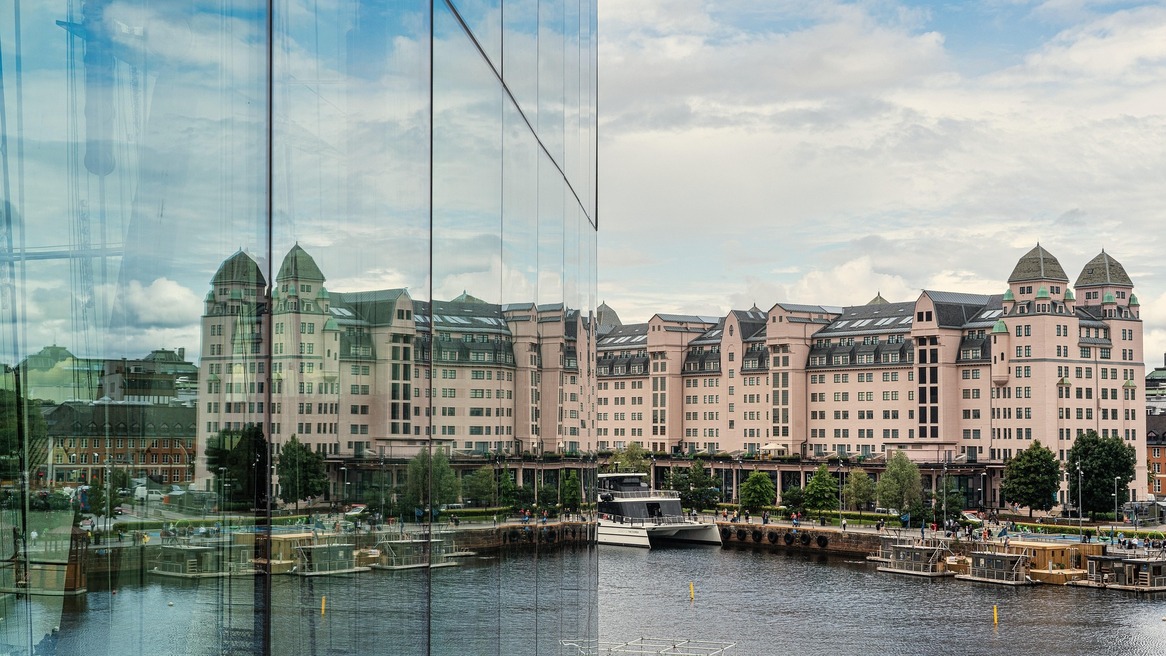
Aker Brygge hat seit den 1980er und 1990er Jahren eine Umgestaltung von seinen ursprünglichen maritimen Industrie-Wurzeln durchlaufen und ist jetzt völlig verwandelt! Heute ist es ein Ziel für Shopper und Feinschmecker mit Theatern und Kinos, Oslo's größtem Comedy-Club, allen möglichen Veranstaltungsorten und einem lebhaften Nachtleben. Die Architektur von Aker Brygge ist bemerkenswert; es gibt einige aufregende neue Gebäude, aber die Art und Weise, wie die alten Lagerhäuser und Werften umgebaut wurden, macht das Viertel zu einem unvergesslichen Aufenthaltsort. Neben dem Yachthafen, dem Fährterminal für die Nesodden-Fähren und der Brücke zu Tjuvolmen gibt es in Aker Brygge ein Museum für zeitgenössische Kunst.
Wussten Sie schon? Sie können im Fjord vor Aker Brygge schwimmen und anschließend eine Sauna in einer schwimmenden Sauna genießen.
Entdecken Sie unsere empfohlenen Hotels in der Nähe von Aker Brygge
Mehr erkunden >
Alle Hotels in Aker Brygge anzeigen
Mehr erkunden >
Ideal für: Naturliebhaber, Wanderer, Familien, einen entspannten Urlaub
 By Photo: Chris Nyborg, June 2005 - Own work, CC BY-SA 3.0
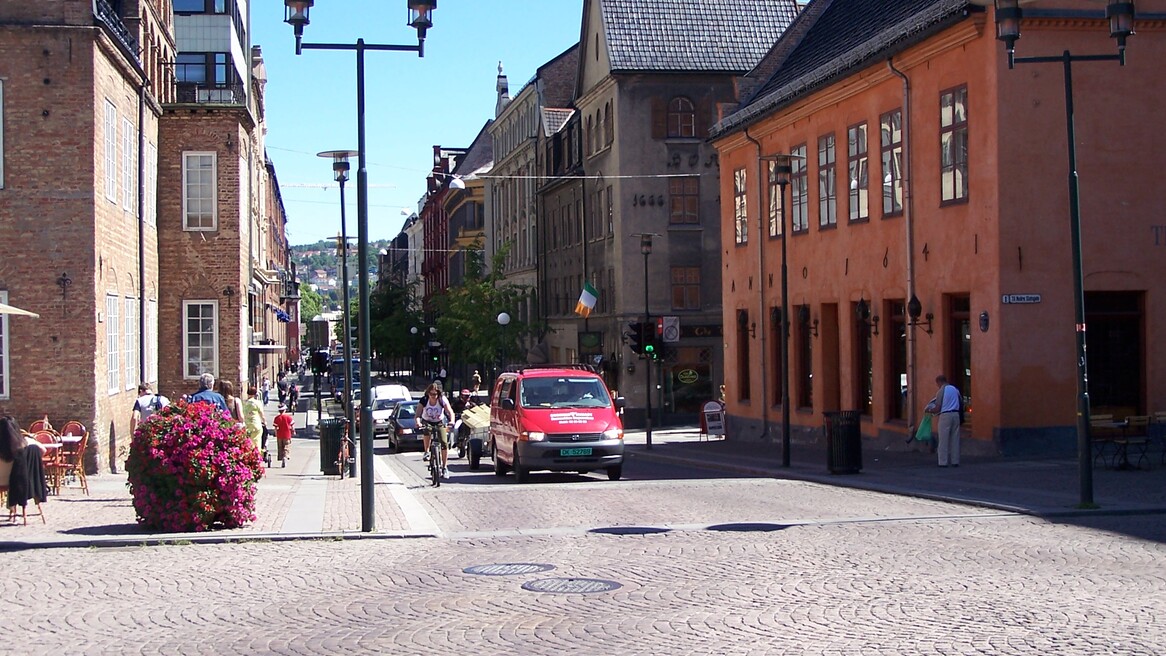
Nordstrand und Gamle Oslo sind wohlhabende Wohnviertel im Süden Oslos, mit etwas Höhe, bewaldeten Gebieten und wunderbaren Ausblicken auf den Oslofjord und seine lange Küstenlinie. Diese sind wunderbare, ruhige Viertel zum Leben, und viele Menschen tun dies, also gibt es ein Wohngefühl bei jedem Aufenthalt hier. Die Menschen lieben es wegen der Nähe zum Fjord und seinem Strand und wegen der Grünflächen und Naturpfade, die hindurchführen. Aber natürlich gibt es hier immer noch viele wunderbare Orte zum Essen und Trinken, und es ist ein kulturell reiches Viertel mit zahlreichen kleinen Theatern und Galerien.
Wussten Sie schon? Trotz der wörtlichen Übersetzung von Nordstrand als 'Nordstrand', liegt Nordstrand tatsächlich im Süden Oslos...
Entdecken Sie unsere empfohlenen Hotels in der Nähe von Nordstrand & Gamle Oslo
Mehr erkunden >
Alle Hotels in Nordstrand & Gamle Oslo anzeigen
Mehr erkunden >
Ideal für: Sightseeing, Paare, entspannte Auszeiten, Feinschmecker, Luxusliebhaber, Geschichtsliebhaber
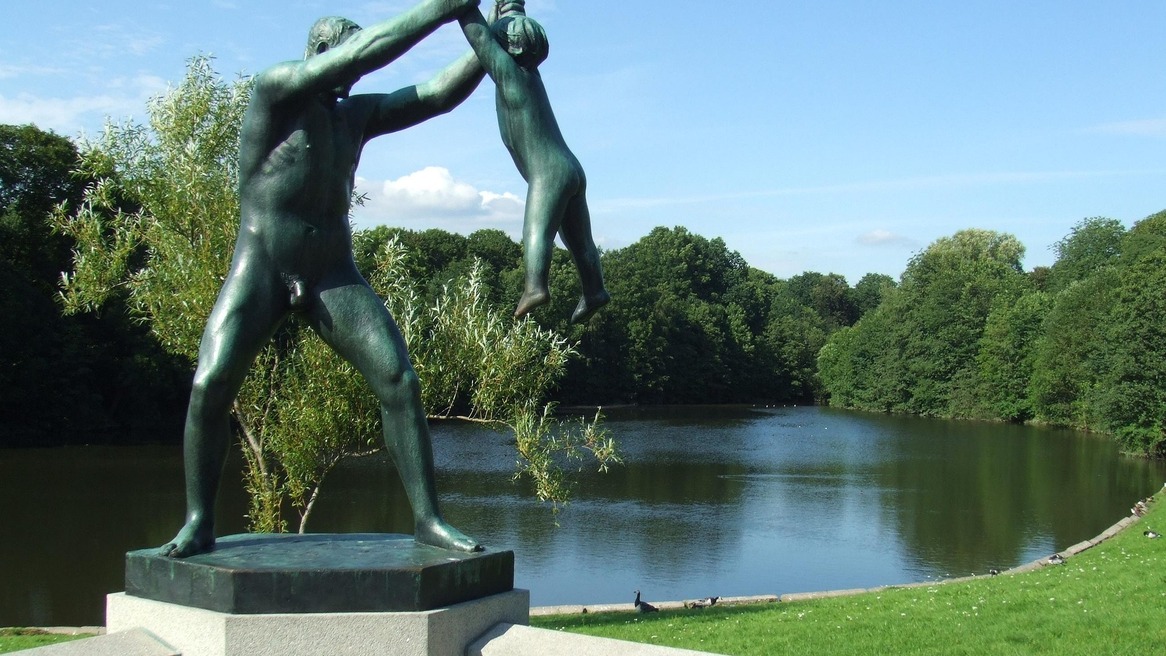
Frogner ist ein weiteres ruhigeres Wohnviertel, benannt nach dem örtlichen Herrenhaus, Frogner Manor, das einen riesigen Park umgibt. Dies ist ein sehr begehrtes Viertel zum Übernachten oder Wohnen: Frogner hat die höchsten Immobilienpreise in Norwegen und einige der angesehensten Restaurants in Oslo. Das Frogner Manor wurde in das Osloer Stadtmuseum umgewandelt, und der Park beherbergt den Vigeland Skulpturenpark, der wirklich etwas Besonderes ist! In diesem Viertel befinden sich auch das Wikingerschiffmuseum, das Kon-Tiki-Museum und die Fram, das Schiff, das Roald Amundsen auf seiner Antarktis-Expedition nutzte; sie befinden sich auf der Halbinsel Bygdøy.
Wussten Sie schon? Der Vigeland Skulpturenpark ist der größte Skulpturenpark eines einzelnen Künstlers weltweit. Gustav Vigeland ist für das Ganze verantwortlich.
Entdecken Sie unsere empfohlenen Hotels in der Nähe von Frogner
Mehr erkunden >
Alle Hotels in Frogner anzeigen
Mehr erkunden >
Ideal für: Wintersport, aktive Auszeiten, Wanderer und Spaziergänger, Skifahren
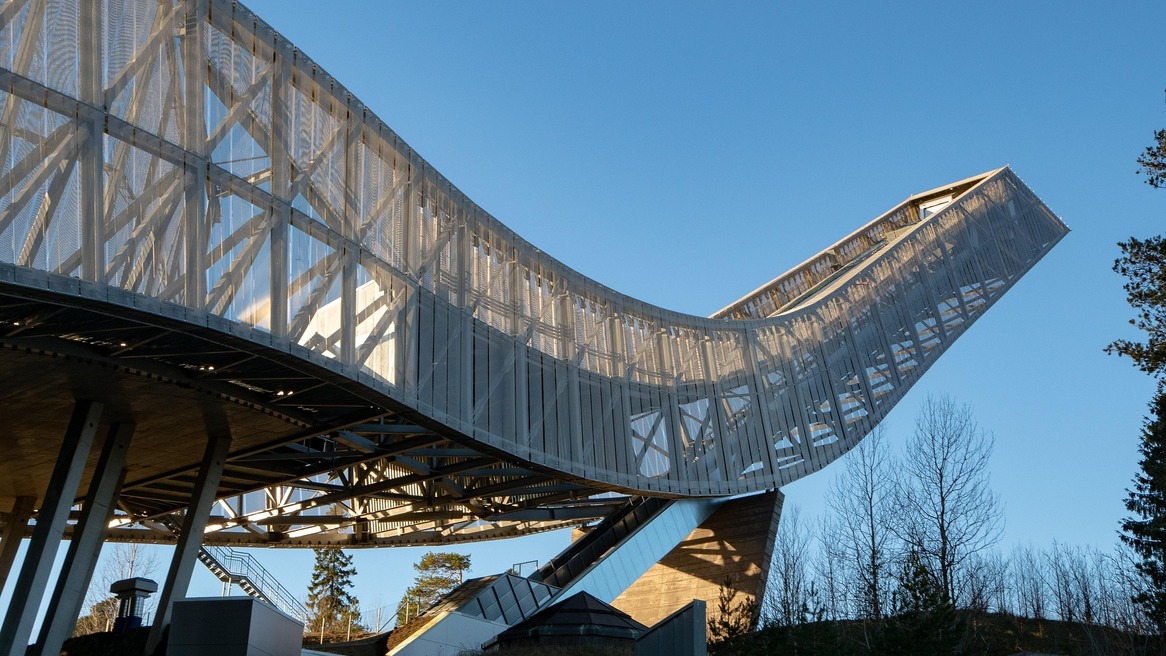
Holmenkollen ist wahrscheinlich am bekanntesten für seine Skisprungmöglichkeiten; ist ziemlich einzigartig in einer Hauptstadt, und Oslo feiert es wirklich! Es gibt auch ein Skimuseum. Sie können Holmenkollen aus dem Nordwesten Oslos aufragen sehen, etwa 25 Minuten mit der Metro von Sentrum entfernt: Es handelt sich um einen Hügel mit einem Gipfel 500 Meter über dem Meeresspiegel. Gleich hinter Holmenkollen liegt der Nordmarka-Park, der im Sommer ein beliebter Ort zum Wandern und im Winter für Langlauf ist. Neben den Outdoor-Fans zieht Holmenkollen auch Konferenzpublikum an und hat einige wirklich, wirklich große Hotels. So kann es eine großartige und günstige Option sein, wenn es wenig Konferenzen gibt!
Wussten Sie schon? Der allererste Skisprungwettbewerb in Holmenkollen fand 1892 vor einer Menge von 12.000 Menschen statt.
Entdecken Sie unsere empfohlenen Hotels in der Nähe von Holmenkollen
Mehr erkunden >
Alle Hotels in Holmenkollen anzeigen
Mehr erkunden >
Ideal für: Hipster, Nachtleben, Shopping
 By Øyvind Holmstad - Own work, CC BY-SA 4.0
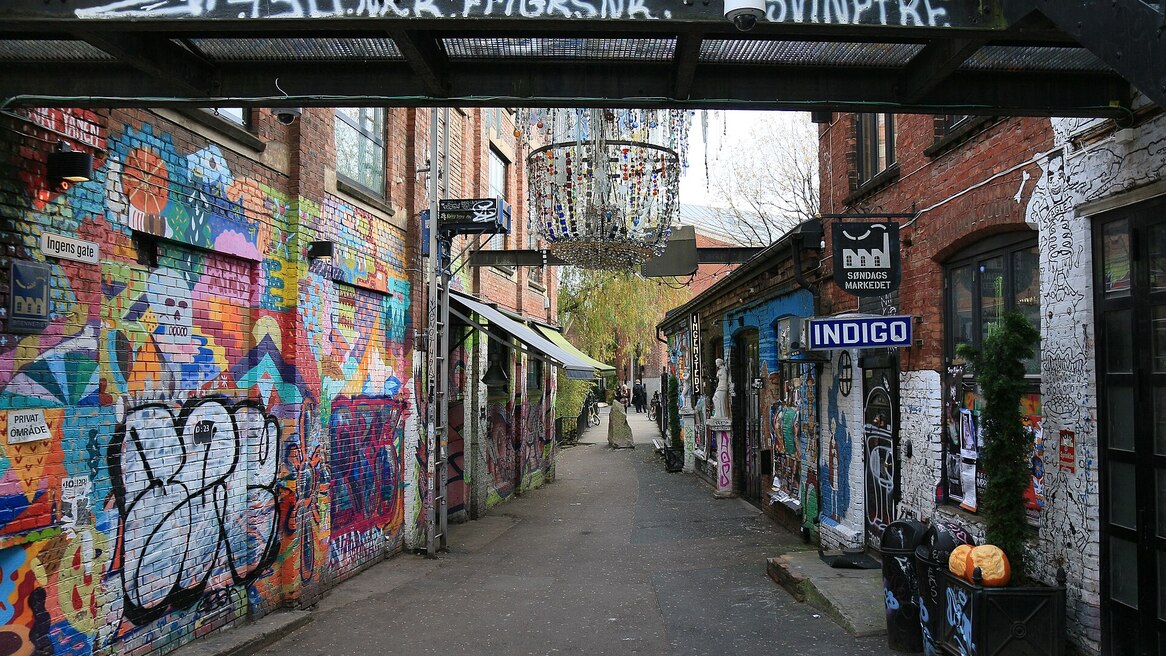
Das Grünerløkka-Viertel ist eines der coolsten in Oslo: künstlerisch, vielfältig und ein wenig subkulturell, aber auf eine freundliche Art, mit vielen Cafés, Boutiquen und Restaurants. Die Boutiquen sind lokal und spezialisiert, mit einem Hauch von Vintage, und die Cafés und Restaurants bieten spannende Fusionen. Die westliche Grenze von Grünerløkka ist der Fluss Akerselva, und ein Spaziergang entlang des Weges hier ist eine schöne Einführung in das Viertel; die Route führt durch Parks und einen fantastischen Lebensmittelmarkt sowie an den alten Fabriken und Zeichen der industriellen Vergangenheit des Viertels vorbei. Dies ist auch eine gute Möglichkeit, einige der Streetart zu entdecken, für die Grünerløkka bekannt ist. Es ist nur etwa 15 Minuten zu Fuß von Oslos Hauptbahnhof nach Grünerløkka, also ist dies ein zentraler Ort zum Übernachten. Selbst wenn Sie nicht hier übernachten, schauen Sie sonntags für den Markt auf dem Birkelunden-Platz vorbei.
Wussten Sie schon? Grünerløkka ist der Ort, an dem Edvard Munch aufwuchs.