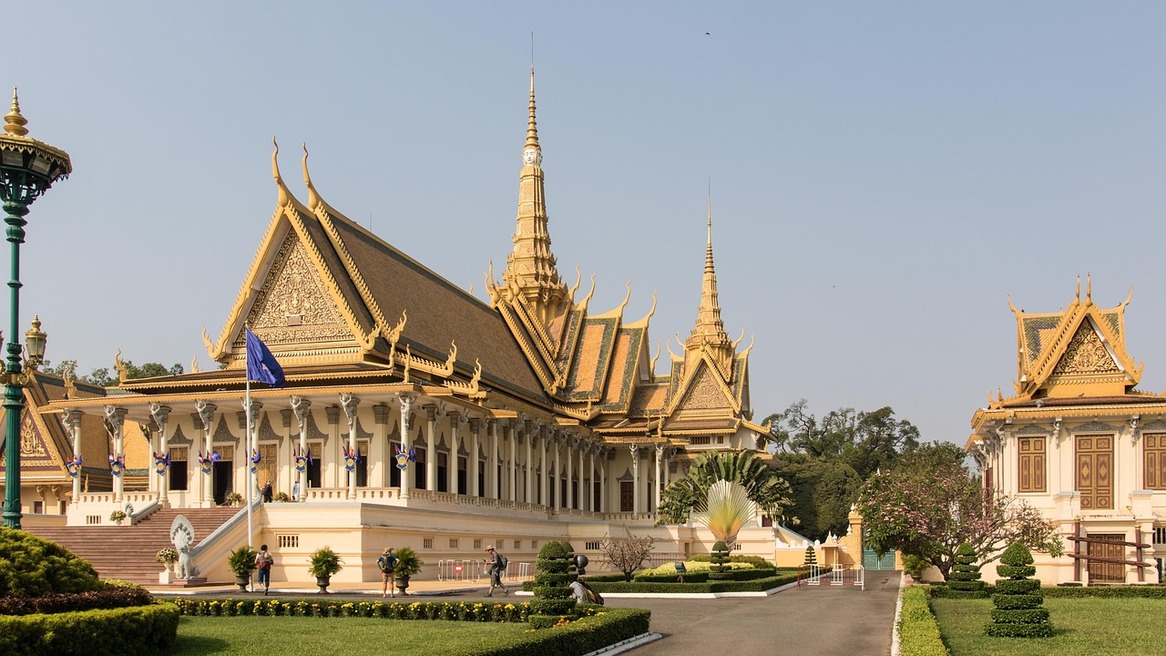

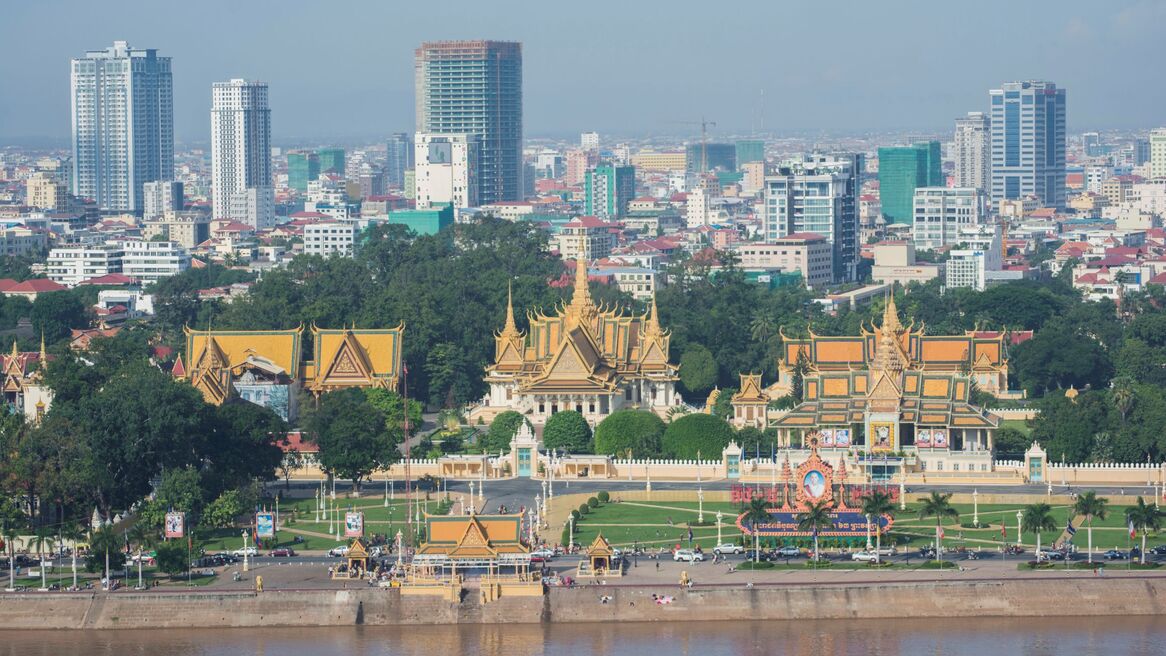
Phnom Penh is the Asian city many of us imagine: a sprawling collection of old and new spires gold and silver; lush greenery; food smells that permeate everywhere; bright colours, including saffron on the still-visible monks; and the great behemoth, the Mekong River. Expect markets, street food, tuk-tuks, glorious golden temples and busy streets. But also luxury hotels and rooftop spas, innovative cuisine, French-style boulevards, old and new art, and fascinating historic sights. See the Khmer temples, Royal Palace and National Museum, but also the Tuol Sleng Genocide Museum, and the Choeung Ek Memorial.
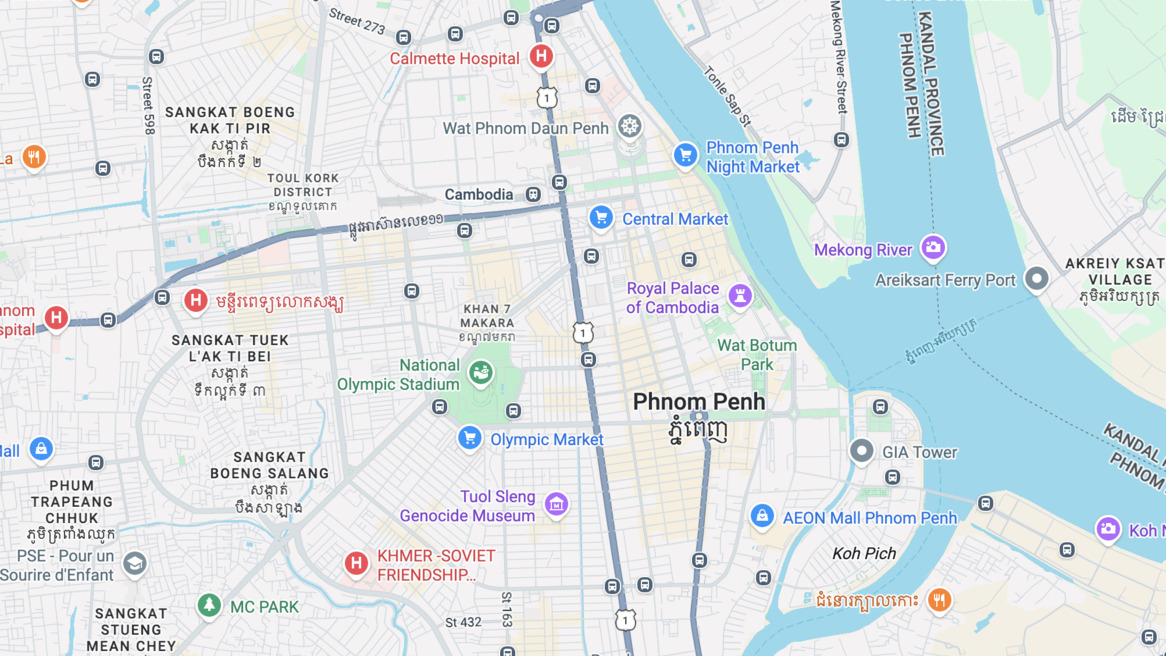
This guide to Phnom Penh's different neighbourhoods will help you choose where to stay, from the historic Riverside district, which is popular with first-time visitors, or centrally located Street 240, which is ideal for sightseeing and museums to hip and lively Tonlé Bassac. Toul Tom is known for being great value, home to many markets and many more opportunities to sample street food, while Chroy Changvar and Toul Kork are more residential options. Contemporary Chroy Changvar is a neighbourhood of new-builds on the opposite side of the Mekong to the Royal Palace and most of Phnom Penh, while Toul Kork is quieter and more residential, great for families, and anyone who likes a break from the crowds.
Ideal for: first-time visitors, city breaks, families, sightseeing, luxury lovers, shoppers
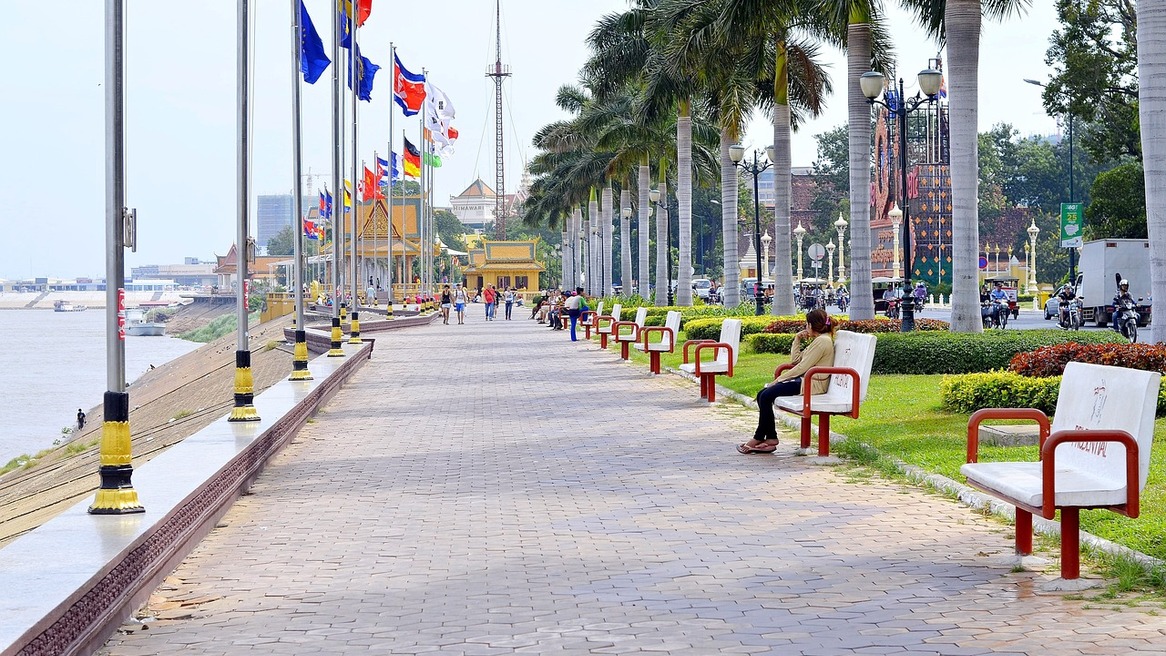 Image by Laurentiu from Pixabay
Sisowath Quay is more of a promenade than a quay: it’s a wide, tree-lined riverside walk, running along the Mekong for about three kilometres, between the Royal Palace and Street 178, to Street 104. Behind the paved walk are cafes, bars, restaurants and street food stalls, with the odd hotel, and this beautiful location is an obvious place to base yourself. It’s central, within walking distance of many Phnom Penh sights, including the Silver Pagoda, the National Museum, and Wat Ounlom, as well as the Royal Palace. And convenient for eating out and going out in the evening. It is busy all day and night, though; there are markets at weekends, and the road is entirely pedestrianised. The rest of the Riverside neighbourhood is arranged outwards from Sisowath Quay, and the wider area includes the Night Market and the Central Market as well.
Did you know? You'll find some of the last standing French colonial shopfronts along this stretch of the Mekong.
Discover our recommended hotels near Sisowath Quay & Riverside
Explore more >
View all hotels in Sisowath Quay & Riverside
Explore more >
Ideal for: city breaks, luxury lovers, shoppers, foodies, expat lifestyle, a relaxed break, night owls, party people
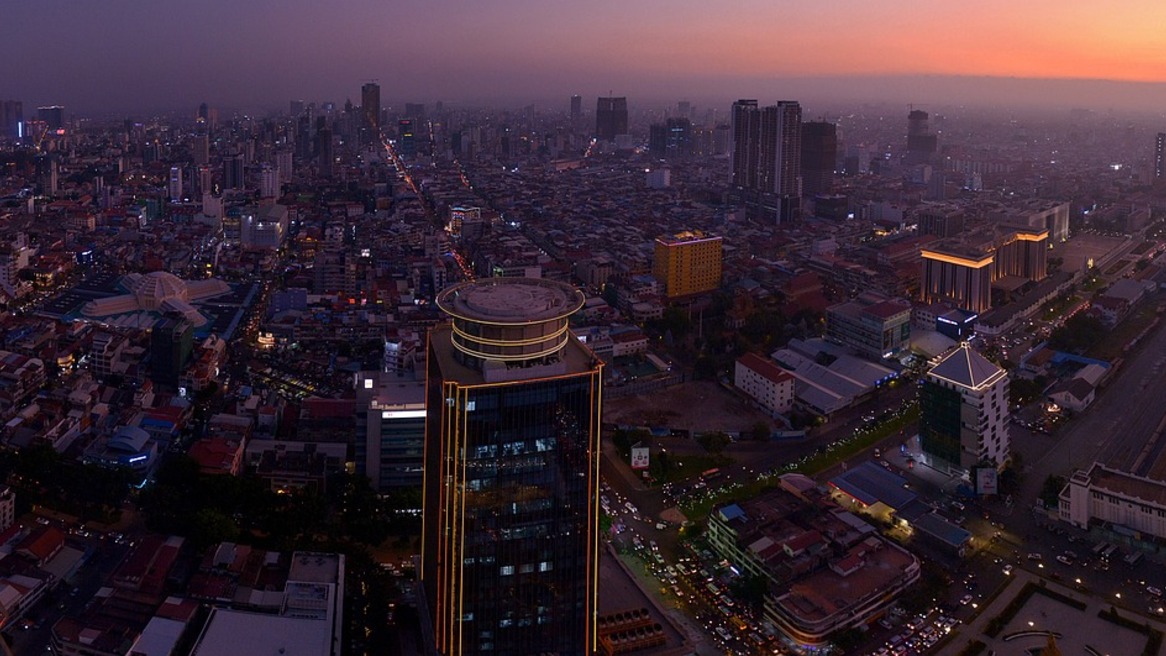 Image by allPhoto Bangkok from Pixabay
BKK 1 is Phnom Penh’s most multicultural neighbourhood, home to many expats, with a culinary and cultural scene to match. This is a great place to find fancy spa hotels, fancy condominiums, fancy restaurants and bars, and fancy shopping (expect international luxury brands). It’s easy to get around, because most of the accommodation, both hotel and long-term, is high-rise. BKK 1 isn’t all fancy shopping and spa hotels; there are a couple of important local landmarks, the main one being the Independence Monument, which is in the geographic centre of the neighbourhood. BKK 1 has its own nightlife districts on Street 302 and Street 308, where there are some great jazz bars, as well as rooftop bars and beer gardens. One of the nice things about this neighbourhood is the number of ‘locally grown’ restaurants, built up by local chefs, and doing very well in the more international environment. BKK 1 is quieter than the Riverside, but also less ‘Cambodian’.
Did you know? BKK 1 sits within four key thoroughfares: Sihanouk Boulevard to the north; Mao Tse Tung Boulevard to the south; Norodom Boulevard to the east; and Monivong Boulevard to the west.
Ideal for: city breaks, sightseeing, foodies, night owls, party people, shopping
 By Flickr user Mohd Fazlin Mohd Effendy Ooi
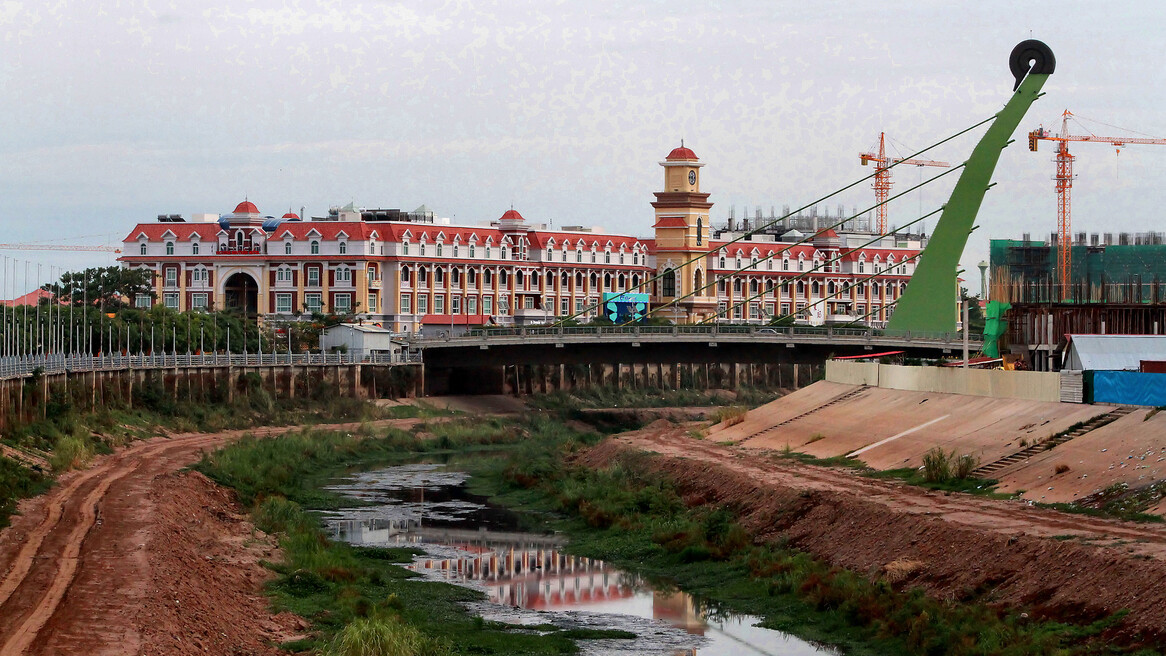
Tonlé Bassac borders BKK 1 on Street 308 (the other name used for this neighbourhood). Street 308 is one of the hip evening districts of BKK 1, but head off it into Tonlé Bassac proper, and there are alleys offering even more in the line of relaxed, but high-end, bars and cocktail lounges, and bijou dining spots. Like BKK 1, there’s a good mix of local Khmer restaurants and international cuisine, but the overall atmosphere is less glitzy, with a more relaxed social scene. There’s an excellent local market called Phsar Kapko, some interesting Khmer architecture and temples, and a number of new, air-conditioned shopping malls and large hotels.
Did you know? Local island, Koh Pich, or Diamond Island, is actually man-made. It's worth visiting for many reasons, including its replica of Paris's Arc de Triomphe.
Discover our recommended hotels near Tonlé Bassac
Explore more >
View all hotels in Tonlé Bassac
Explore more >
Ideal for: first-time visitors, city breaks, sightseeing, shopping, longer stays, living like a local, foodies, hipsters
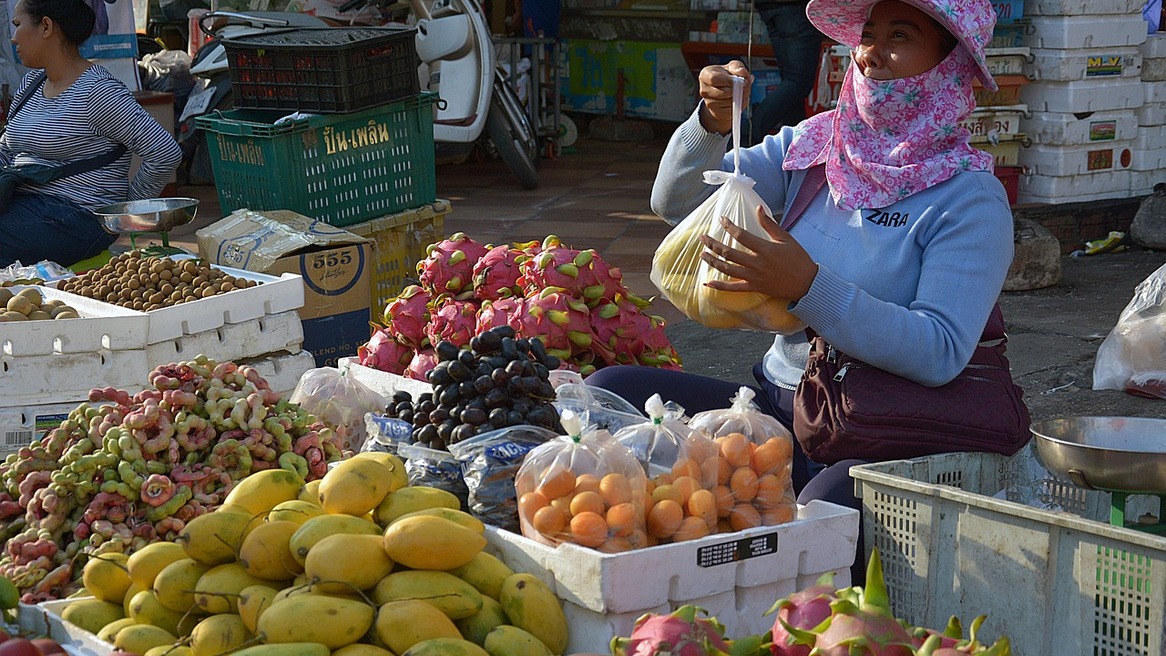 Image by allPhoto Bangkok from Pixabay
Toul Tom Poung, or Russian Market, or TTP Town, isn’t close to being the most luxurious of Phnom Penh’s neighbourhoods, and it’s not the most central, or the most touristy, or the most historic. But it is a really enjoyable mix of these things: a neighbourhood that’s still living and evolving, whilst still being central, and interesting and well-set-up for visitors. It’s low-rise and walkable, with street food that local people buy, and a market used by residents which is also one of the most interesting and varied markets in the city. The market (called Psar Toul Tom Poung) is well worth looking up even if you don’t stay in the neighbourhood. It’s stocked with an assortment of everything, and organically presented in a colourful warren. This is the sort of place you need to visit with a willingness to haggle. Around the market are cool cafes, bars and restaurants, some of them part bar, part gallery, or part cafe, part bookshop, etc. There’s a night market too. Toul Tom Poung is a good area to consider if you’re planning a longer stay, or if you like to stay in a more residential district, but still like to be in the thick of things. Toul Tom Poung has an interesting collection of accommodation options as well.
Did you know? This is one of the best places in Phnom Penh for breakfast: on the outskirts of the market, before 09.00, you'll find loads of local Khmer people gathering to eat their first meal of the day.
Discover our recommended hotels near Toul Tom Poung
Explore more >
View all hotels in Toul Tom Poung
Explore more >
Ideal for: first-time visitors, city breaks, sightseeing, arts and crafts lovers, shopping
The neighbourhood around Street 240 is a great choice for sightseers and first-time visitors to Phnom Penh. It’s close to the Royal Palace, the Silver Pagoda, the National Museum and Wat Botum Park. But what it’s best known for is its arts and crafts shops. There are traditional galleries and contemporary ones, and places in which to buy locally produced fabrics and handicrafts. And it’s not just galleries and boutiques; many have workshops attached, so you can see the production of the items on sale. These are interspersed with cafes and restaurants, and the whole area feels calm, pleasant, green and shady — noticeably so, because not many Phnom Penh neighbourhoods have as many trees as this one. The larger neighbourhood, Daun Penh has many of the city’s major historic sights, and architecture, which include the Central Market, Wat Phnom and the Riverside neighbourhood.
Did you know? This is a great neighbourhood for charming French Colonial architecture.
Discover our recommended hotels near Daun Penh
Explore more >
View all hotels in Daun Penh
Explore more >
Ideal for: families, relaxed breaks, foodies, luxury lovers, longer stays, living like a local
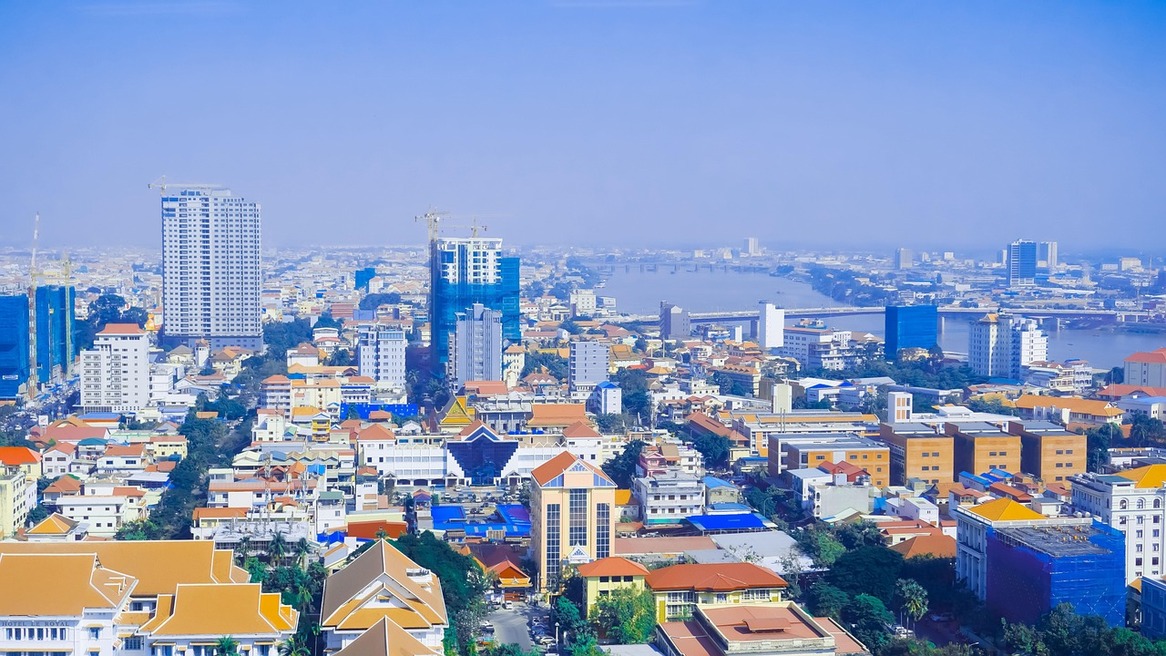 Image by THA CHEAN from Pixabay
Toul Kork was a fairly quiet, suburban neighbourhood on the outskirts of what was central Phnom Penh, but as the city expanded it became an obvious place to develop, and it’s now dotted with contemporary builds. It’s not all high-rise, though; there are many private villas and gated communities of family homes, and it still feels a lot more spacious than the traditionally central neighbourhoods. The streets here are wide, and the atmosphere is relaxed. Yes, there are some great places to eat and drink — ranging from street food to hip restaurants — but it’s not a neighbourhood with a lot of nightlife. Toul Kork’s fancy villas are one of the local sights, but some are here for the shopping malls and markets, while others are here for the green spaces. It’s easy to get to, too, and easy to get around. This is a popular residential neighbourhood, and plenty of Phnom Penh's elite society opts to live here.
Did you know? Toul Kork translates to "Ground Hill" in Khmer
Discover our recommended hotels near Toul Kork
Explore more >
View all hotels in Toul Kork
Explore more >
Ideal for: water views, families, longer stays, sightseeing, luxury lovers
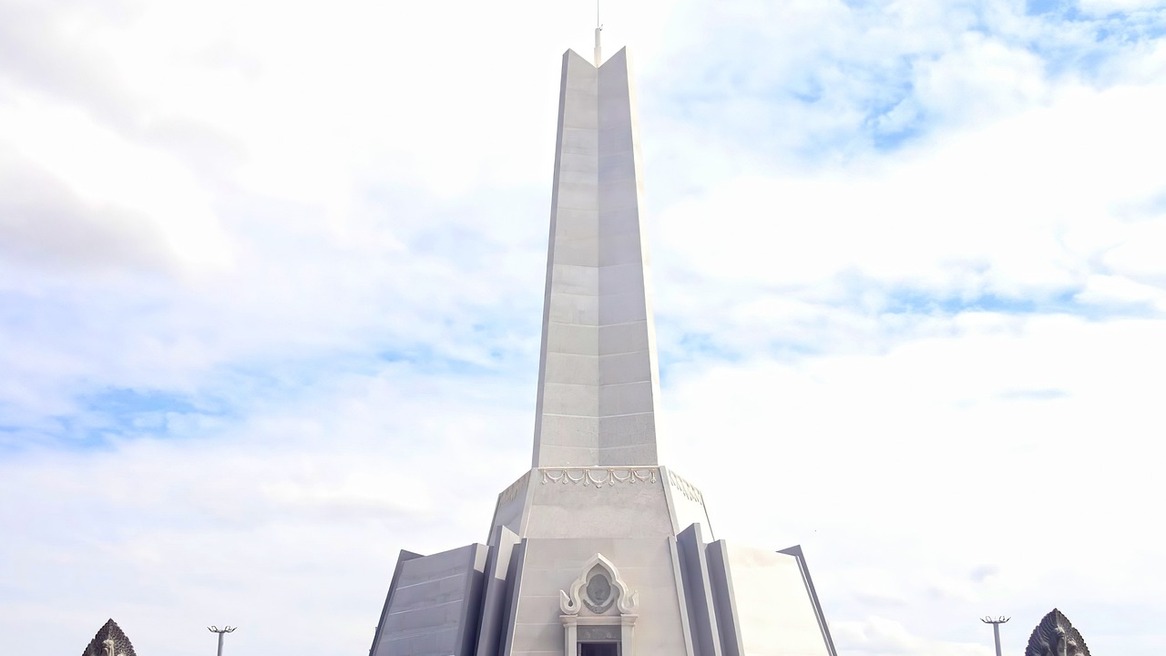 Image by Piseth Mao from Pixabay
Chroy Changvar is a rapidly developing neighbourhood on a peninsula between Phnom Penh’s two rivers: the Mekong and the Tonle Sap. The views are fantastic, especially from the rooftops of some of the newest developments, and you’re not cut off by staying here; there are a series of bridges connecting Chroy Changvar to the Riverside neighbourhood, including the Cambodia-Japan Friendship Bridge, the Cambodia-China Friendship Bridge, and the Russey Keo Bridge. It takes about 20 minutes to walk across. There are ferries too. Chroy Changvar has plenty of places to eat and drink, and a few nightlife options. The real highlight of Chroy Changvar is the views, so some of the best bars and restaurants are those on the rooftops. The sports centre, built in 2023, is another highlight, and the golf club is popular too. Many people cite the cooler temperatures as a draw.
Did you know? The Cambodia-Japan Friendship Bridge was originally built in the 1960s and was paid for by the Japanese government. Unfortunately, the bridge was damaged in the civil war; however the Japanese government helped to fund the repairs again.