
 Image by Poswiecie from Pixabay
Where to start describing about Rio de Janeiro? with the beach? the bustling neighbourhoods or the bossa nova cafes? or in the jungles that fringe the city? It’s all Rio and it’s all teeming with life - 24/7. Rio is a fantastic one-stop destination, but it’s also the entry point into Latin America for many, and there’s accommodation to please those who’re having all their eggs in this glorious basket, and those who want to eek out their eggs for as long as humanly possible. The trick is knowing which neighbourhoods to start looking for accommodation in, from bustling Botafogo, to Copacabana’s beaches, or culture-rich Lapa. The surfers stay in Arpoador, Leblon is perfect for high-end shopping beside the beach, and hilltop Santa Teresa has fantastic views, and a bohemian atmosphere.
 Neighbourhood map from Miss To
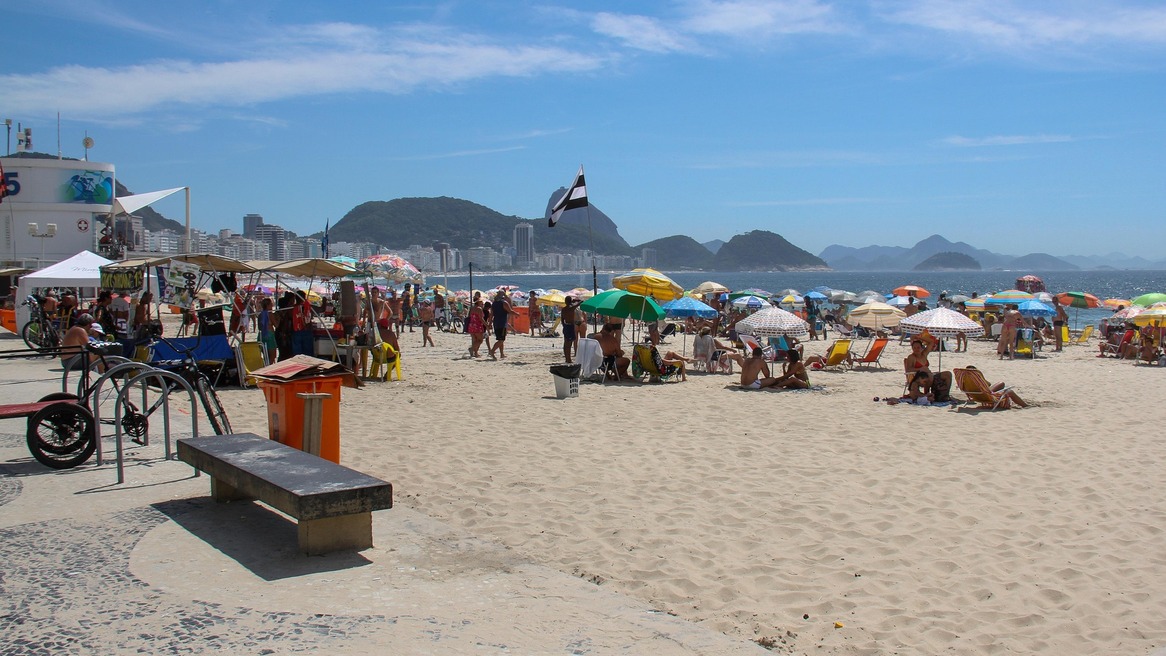
Copacabana is a neighbourhood as well as a beach, though the four kilometres of sand that mark the neighbourhood’s Atlantic border is one of its best-known assets. Officially, Copacabana stretches from Princess Isabela Ave to the lifeguard tower at Posto Seis. There are small, historic forts at either end, and a rather beautifully decorated promenade in between, lined with lots of bars, cafes, restaurants, hotels and other accommodation. Behind the beaches, Copacabana is a lively, yet glamorous neighbourhood, and very well connected to other parts of Rio by subway, road, and on foot. Copacabana’s architecture is mid-rise, with not a lot in the way of houses.. The Copacabana Palace Hotel is one of the best-known properties here; it’s both old and big, with exemplary service. Visitors staying in Copacabana have fantastic beach access and are close to the historic forts. And it’s The Place to Be come New Year's Eve!
Ideal for: City break, beach break, families, party people
Discover our recommended hotels near Copacabana
Explore more >
View all hotels in Copacabana
Explore more >
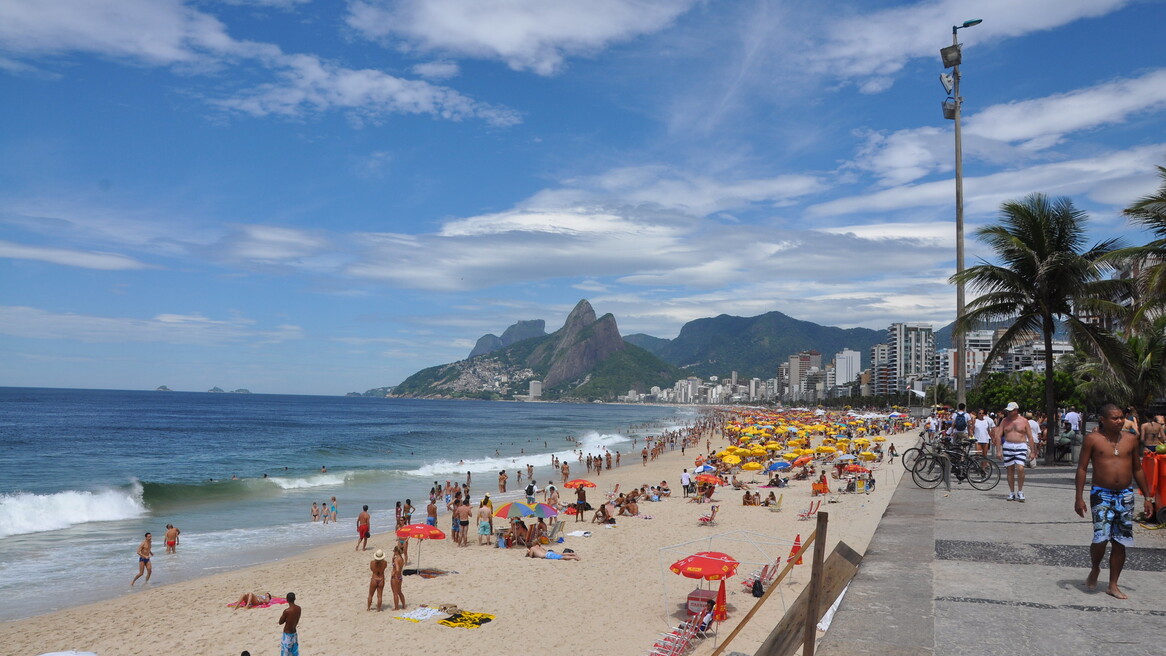
Ipanema is another of Rio's best known and glamorous beaches, a beautifully pale sandy stretch next door to Copacabana and Leblon beaches. The neighbourhood of Ipanema occupies the beach’s hinterland, a neat grid system of streets all leading towards the sea. On Sunday the road that runs alongside the beach is closed to cars, and is taken over by roller skaters, cyclists and skateboarders. And people practising capoeira. There’s also a local hippie market — the Feira Hippie de Ipanema. On other days expect a lot of surfboards — during the Winter season the surf has been known to swell to three metres — beach volleyballers, footballers, and folk playing the local hybrid: footvolley. Ipanema is one of the most expensive parts of Rio to live in, with the correspondingly upmarket cafes, bars and restaurants. It also has its own street parade at carnival, as well as an impressive collection of small museums and galleries, and its own local university. Ipanema is also known for being one of the best places to shop in Rio, notably on the Visconde de Piraja, where there are plenty of high-end brands, as well as super trendy ones. Accommodation in Ipanema does leans to the high end, but there are some very wallet-friendly mid-range options too, as well as a few aparthotels.
Ideal for: Beach breaks, luxury lovers, city breaks
Discover our recommended hotels near Ipanema
Explore more >
View all hotels in Ipanema
Explore more >
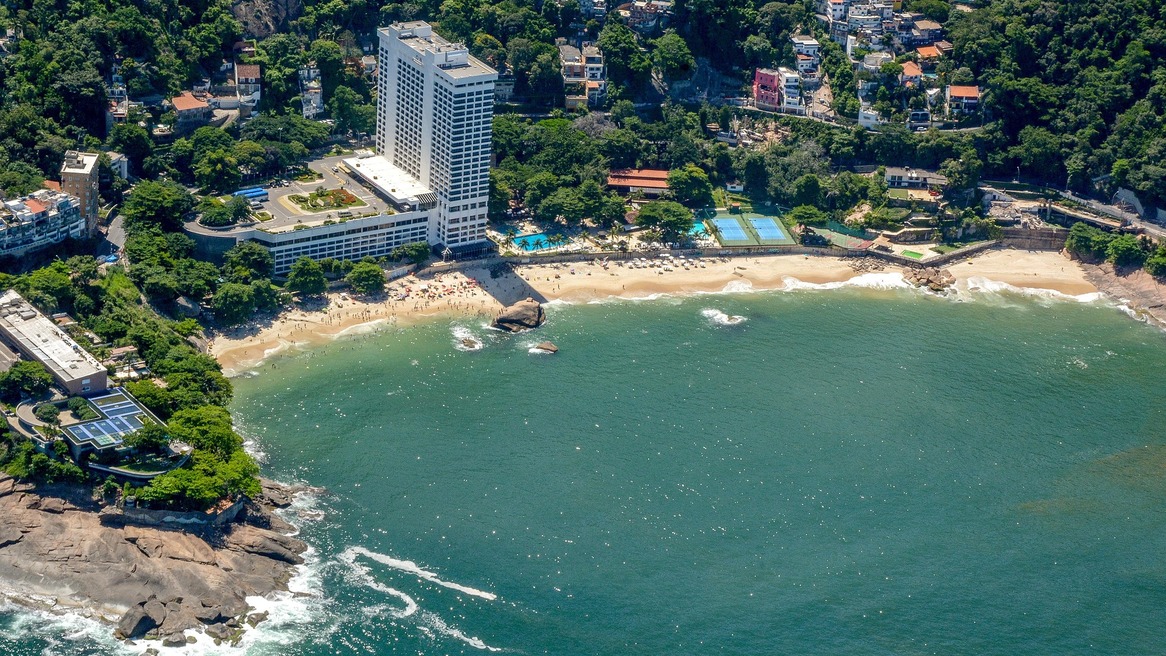 Image by Jose Guertzenstein from Pixabay
Leblon is another beach/neighbourhood combo, on the other side of Ipanema from Copacabana. Like its neighbours, it’s affluent and beach-chic, with great cafes, bars, restaurants and botequim (the local version of a pub), laid out on a neat grid of streets and boulevards. It’s also known for its nightclubs and music venues. Sunset is when Leblon beach starts to liven up, it’s a popular spot for practising capoeira. The Alto Leblon part of the neighbourhood is almost entirely residential, while Baixo Leblon is where most of the cafes, bars, restaurants and nightclubs are located. Leblon has a farmers' market once a week — a proper one that starts very early in the morning and is all wound up by about 1400 hrs. As with its housing, the accommodation in Leblon is some of the most desirable in Rio, and there’s not a huge amount of it, but if you enjoy the finer things and you’re happy to pay, then you’ll find some really beautiful hotels and aparthotels here. Leblon is a good place to shop too, though it can be expensive.
Ideal for: Luxury lovers, beach breaks, foodies, party people
 Image by NakNakNak from Pixabay
Santa Teresa is a central, but inland neighbourhood, at the top of Santa Teresa Hill, often referred to as Rio’s Montmartre. One of the nicest things about this area is the narrow winding streets and varied architecture; it's a huge contrast to the neat grids closer to the ocean. There’s also plenty of greenery, established trees and pocket parks. When the villas here were built, they were the height of luxury and sophistication, but Santa Teresa is no longer the well-to-do neighbourhood it started out as, and these lovely villas have come into the hands of artists, galleries, art schools, fashion studios and other creatives. The very best views are had from the top of Santa Teresa, just before you start the ascent of Corcovado. Santa Teresa’s food and drink culture is varied, to complement its eclectic population.
Important: Art lovers, foodies, city breaks, sightseeing, living like a local
Discover our recommended hotels near Santa Teresa
Explore more >
View all hotels in Santa Teresa
Explore more >
 By Alejandro from Mexico City, MEXICO - Rio de Janeiro, Brazil, CC BY 2.0
Rio’s Centro neighbourhood is the financial heart of the city, an often surprising mix of historic buildings, residential buildings and commercial buildings. This is where you’ll find Rio’s cathedrals, old and new, the São Bento Monastery, the National Historical Museum, the National Museum of Fine Arts, the Museum of Rio Art, the Theatre Municipal, the main public gardens, the Carioca Aqueduct, and Rio’s oldest sweet shop. The best way to explore Centro is on foot; expect uneven ground and for it to be hotter than the beach, but there’s a lot packed into a small space. Start in the main square, Praça XV de Novembro, and go on from there. The majority of the residential buildings are along Rue do Riachuelo and Castelo, and this is where you’ll find some of the smaller hotels and aparthotels too, though there are also large hotels in the more business-centric parts of Centro.
Ideal for: City break, sightseeing, families
 Image by Jose Guertzenstein from Pixabay
Lapa is another very central Rio neighbourhood, probably best known for its historic landmarks — the Acros da Lapa aqueduct is probably the most famous of them — and for its nightlife, especially Brazilian music venues. This has always been the sort of neighbourhood where intellectuals and arty types meet up. There’s lots of variety when it comes to music, food and drink — from chamber music to bossa nova beats, and all the regional foods you can imagine. The most popular clubs, Rio Scenarium, Arco Iris and Asa Branca, are the type of places it’s worth booking in advance.
Ideal for: City breaks, sightseeing, party people, arty types, music lovers
 By Leandro Ciuffo - Flickr, CC BY 2.0
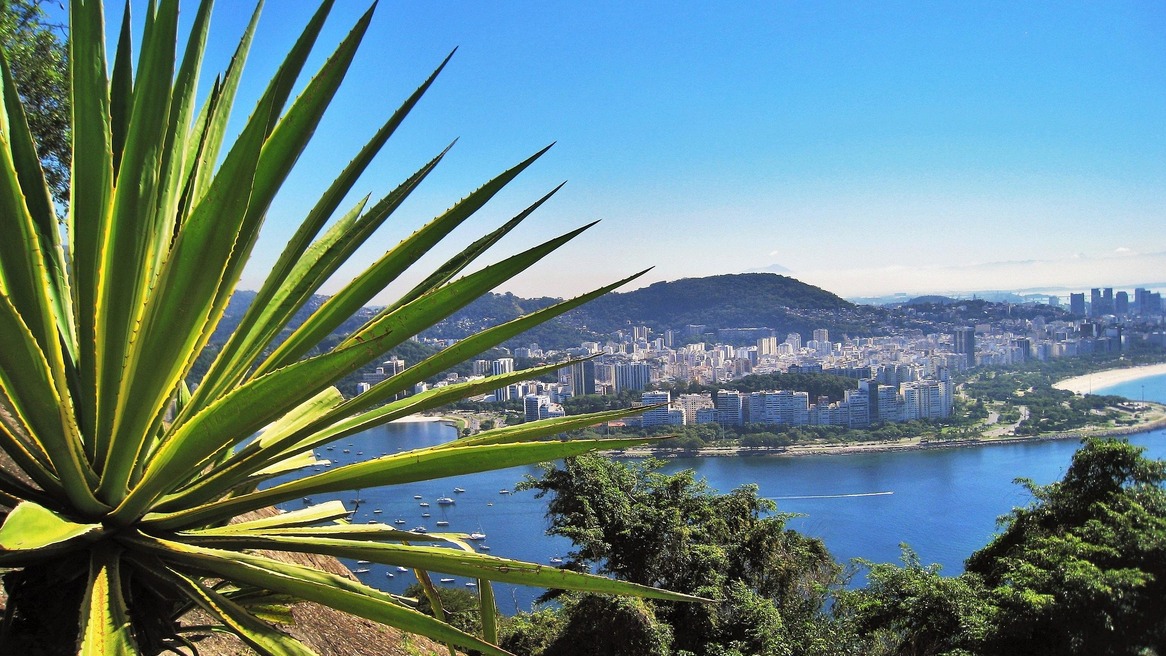
Botafogo is the picturesque neighbourhood on Botafogo Bay, overlooked by Sugarloaf Mountain. Beyond the bay and the mountain, Botafogo’s best known landmark is probably the Rio de Janeiro Yacht Club, which has a huge pier and marina. This neighbourhood is beach-y and hip, with a collection of quirky new bar openings, and a casual, welcoming vibe. It boasts great transport links, and relatively affordable beachfront prices when compared to Copacabana or Ipanema.
Ideal for: Hipsters, families, city breaks, beach breaks
Discover our recommended hotels near Botafogo
Explore more >
View all hotels in Botafogo
Explore more >
Neighbouring Botafogo, Flamengo is a relaxed neighbourhood with a number of historic landmarks while also offering guests great views of Guanabara Bay from its white sandy beach. Flamengo Park is the other jewel at the centre of this green and historic crown, a huge park, with paths, palm trees and botanical odds and ends — the perfect place for a picnic, slacklining and skateboarding. If you’re looking for Flamengo’s nightlife, head over to Marquês de Abrantes street. This is a fairly well-to-do part of town, with accommodation that varies from the relatively simple to quite grand. It’s a lot quieter and more affordable than Copacabana or Ipanema.
Ideal for: Beach break, families, city breaks, living like a local