
 Image by Dorian Lee from Pixabay
First time in Seoul? We recommend you stay in Myeongdong, Insadong or Yongsan
Want to see the sights of Seoul? Stay in Gangnam, Insadong, Dongdaemun, Sinchon, Yongsan or Bukchon Hanok Village
Planning some serious Seoul shopping? You might like to stay in Gangnam, Myeongdong, Hongdae, Itaewon, Sinchon or Yongsan
Here to explore the city? We recommend you stay in Insadong, Dongdaemun, Gangnam, Sinchon or Yongsan
Hoping to eat your way around Seoul? Stay in Myeongdong, Insadong or Itaewon
Bringing your whole family to Seoul? Consider staying in Yongsan or Bukchon Hanok Village
Want to experience Seoul's nightlife? Look for accommodation in Hongdae, Sinchon, Myeongdong or Itaewon
Where to stay in Seoul for Luxury Lovers? Gangnam
K-pop fan? You might enjoy staying in Gangnam or Hongdae
Where to stay in Seoul for Great Value? Sinchon
Seoul is known for being a hip and glittering metropolis of good times, but as well as being incredibly cool, Seoul is a destination with a rich cultural history. The city's neighbourhoods are as varied as your reasons for visiting: whether you’re on the hunt for Gangnam style; ancient treasures in Insadong or Bukchon Hanok Village; a musical good time in Hongdae, or shopping paradise in Myeongdong. You probably already know there’s always something happening here, but we’re guessing you might not quite have imagined the breadth and variety of Seoul’s offering — the incredible cuisine, the fantastic museums and exhibitions, the live music scene and nightlife… in Seoul there’s always time for another tteokbokki or a round of karaoke.
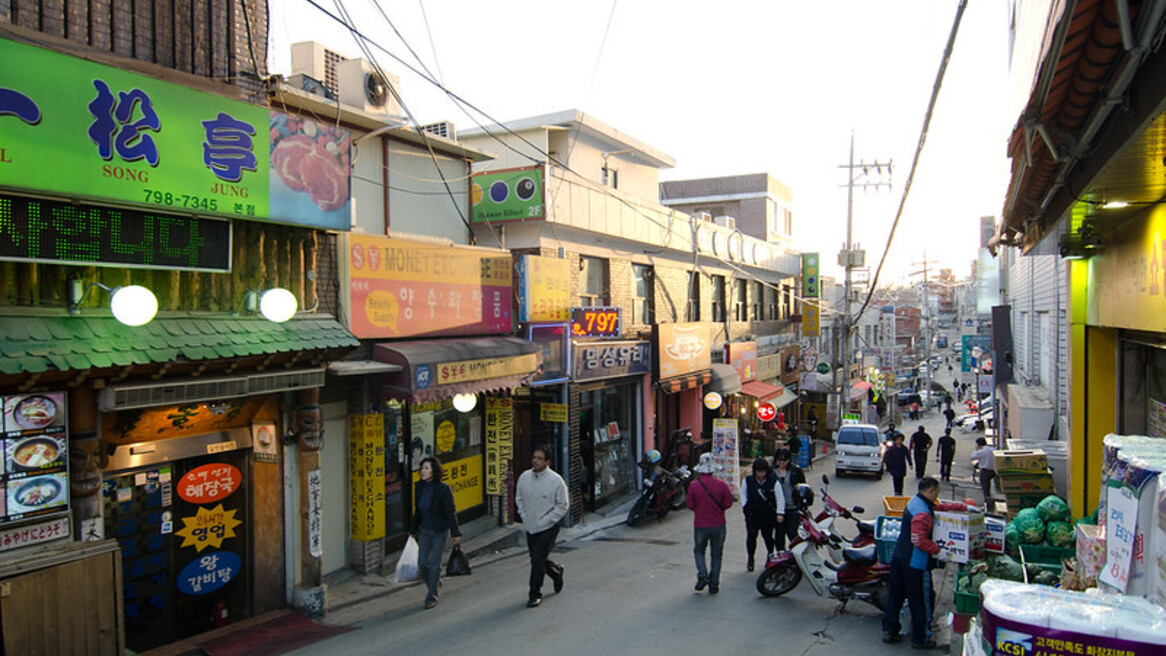
Myeongdong is known for being one of the biggest shopping neighbourhoods in a city known for its shopping. It’s not just boutique-lined streets, Myeongdong has malls, stalls and markets and underground shopping precincts. The opening hours are impressive too, with some stores remaining open until 11pm. Unsurprisingly this means there are a myriad of places to eat, drink and stay too, with a range that encompasses street food through to Michelin stars. Around two million people hang out in Myeongdong each day, which equates to a lot of buzz, especially in the evening. For most of the day, the area is entirely pedestrianised (most deliveries have to take place overnight). In addition to the opportunity of buying one of just about everything, Myeongdong offers visitors the Myeongdong Cathedral, and the Myeongdong Theatre. This district is also where you’ll find the main offices for many major financial institutions, so it’s a huge transport hub.
Ideal For: Shoppers; foodies; party people; night owls; city breaks
Discover our recommended hotels near Myeongdong
Explore more >
View all hotels in Myeongdong
Explore more >
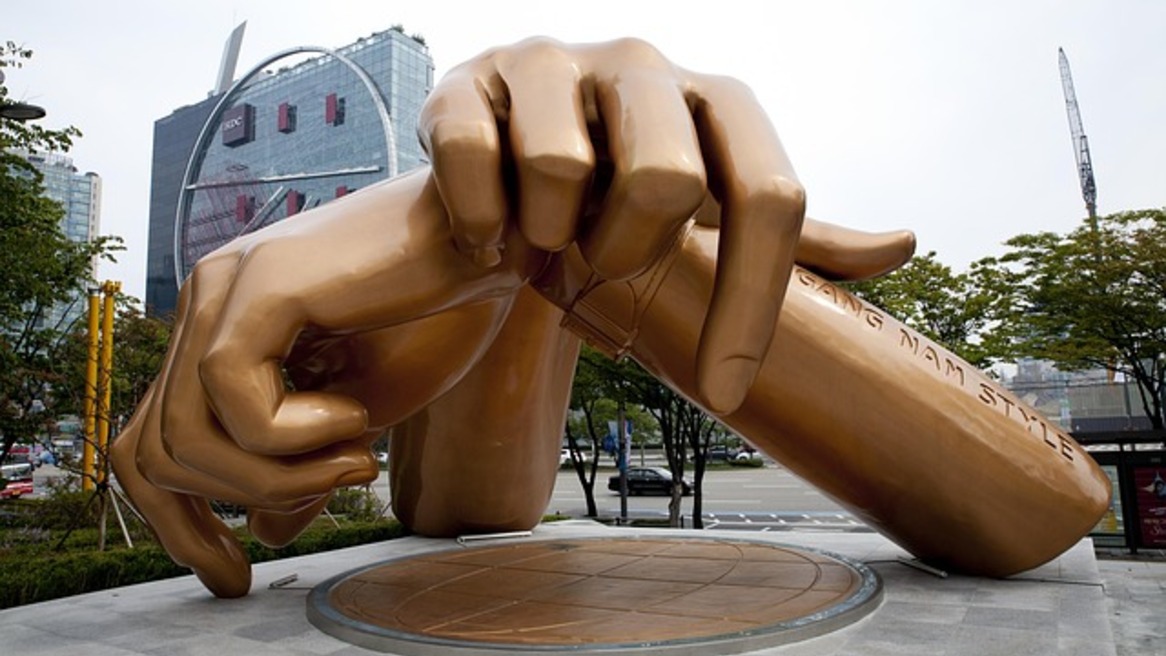 Image by HeungSoon from Pixabay
Thanks to Psy’s song, Gangnam is probably one of the world’s most recognisable neighbourhood names. This is a large area — the third largest district in Seoul — and is widely known as Seoul's Manhattan, so it is also synonymous with luxury. But it’s not just about high-end shopping, Gangnam is also where you’ll find ancient treasures like the royal tombs of the Joseon Dynasty — in the peacefully picturesque Seonjeongneung Park — and the Bongeunsa Temple. And there are casinos and an aquarium...Many companies have their headquarters in Gangnam too, especially music, entertainment and gaming companies, and Gangnam Station is the busiest subway station in Seoul. Gangnam offers an incredible array of restaurants, cafes and bars, as well as rich pickings when it comes to street food, street life, and, of course, opportunities to enjoy a musical interlude. Gangnam can be a hard neighbourhood for visitors to stay in, it’s hectic, and while the [public transport is excellent, it’s busy. There are certainly some truly fantastic accommodation options here, though!
Ideal for: Luxury lovers; shoppers; city breaks; k-pop fans
Discover our recommended hotels near Gangnam
Explore more >
View all hotels in Gangnam
Explore more >
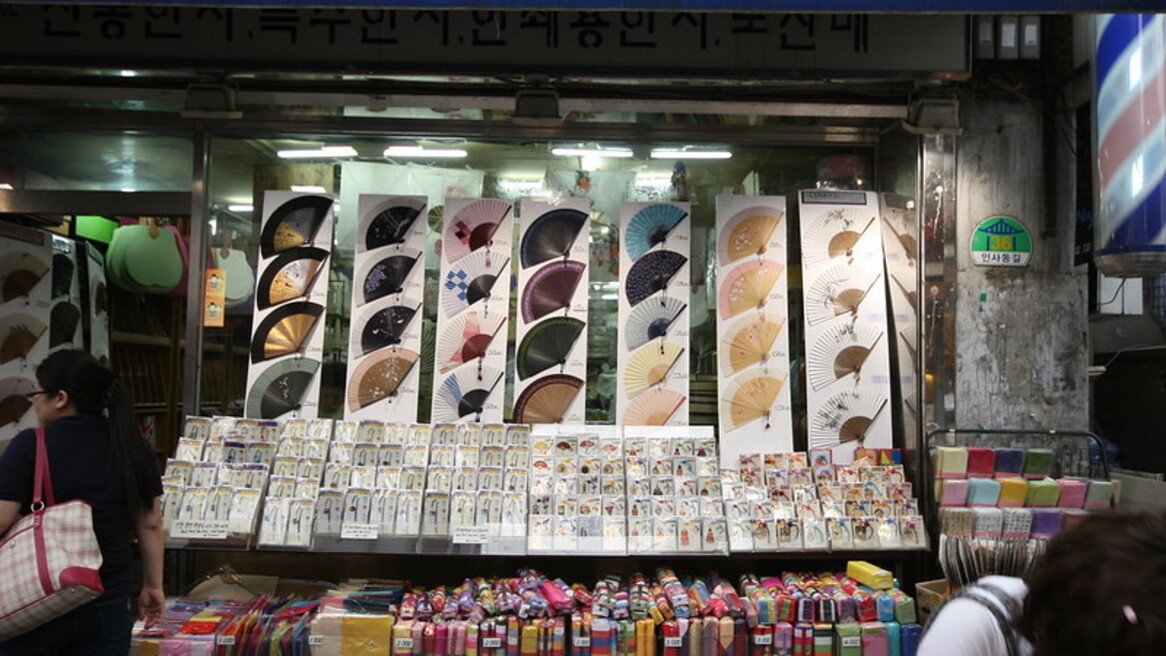
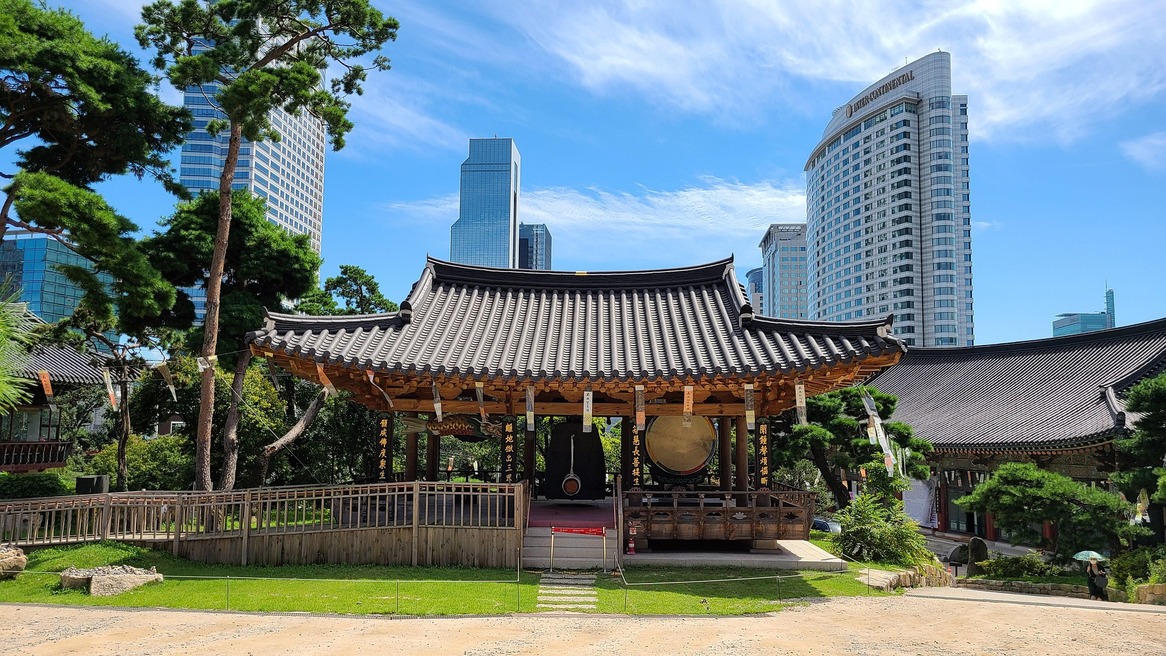
Insadong is one of the oldest, and most historic, parts of Seoul, a place to discover Korean arts and crafts, and to do some antique and market shopping. This is an unmissable neighbourhood to visit, because it so encapsulates beautifully Seoul’s embracing of the past, present and future. This is typified by Insadong’s galleries: you’ll see contemporary Korean art on one side of the street, and traditional art on the other. And the architecture housing the galleries often matches the art perfectly. While you’re in Insadong, it’s worth visiting a tea house and a traditional restaurant, as well as sampling the fantastic array of street food. This is also a fantastic place for discovering Korea’s traditional stationery and calligraphy. Insadong has some major sights too — including Jongno Tower and the Bosingak bell pavilion. As well as more contemporary hotels, and some chic boutique offerings, Insadong is a good place to find traditional, pension-style accommodation.
Ideal for: History lovers; art lovers; romantics; foodies; city breaks; sightseeing
Discover our recommended hotels near Insadong
Explore more >
View all hotels in Insadong
Explore more >
 By Flickr user Chelsea Marie Hicks
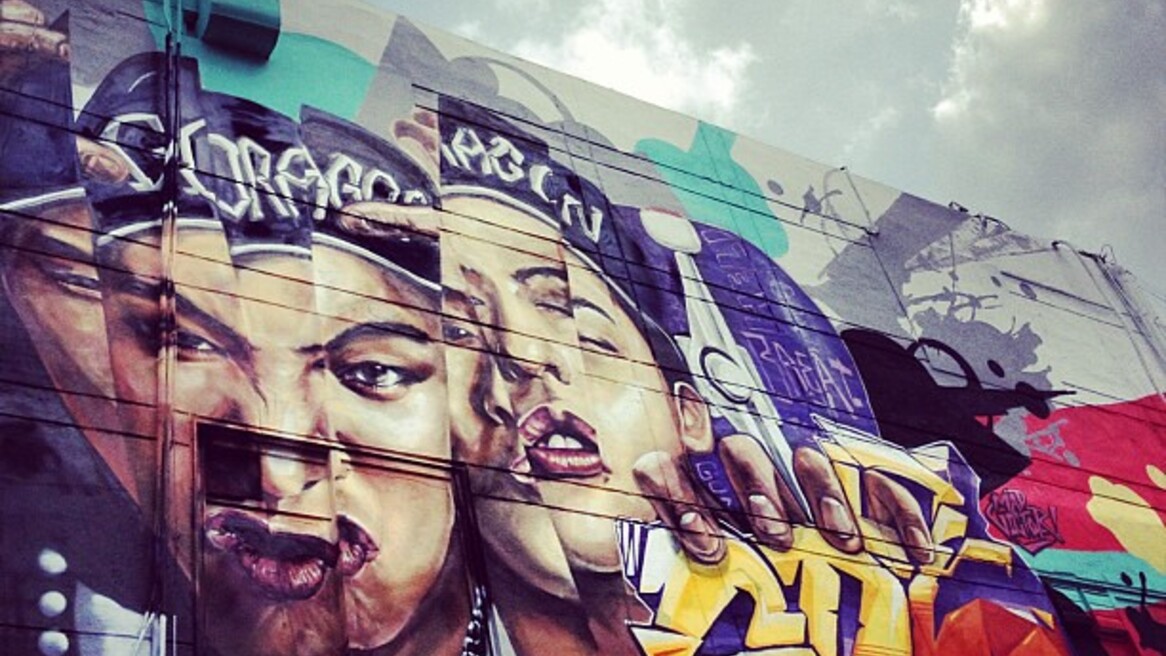
Hongdae, and Hongdae Park, are probably the best places in the world for listening to new K-pop acts. Hongdae Park, Hongdae Street and Festival Street are the place for K-pop buskers, and the neighbourhood is rich in clubs and music venues featuring both pop and indy music. There are street art festivals and street performances, and an abundance of graffiti, street art and other cultural expressions, and Hongdae often appears on lists of the world’s best neighbourhoods for clubbing. Unsurprisingly this also makes it a great spot for spotting killer fashion, and for buying it. Hongdae is also well known for its themed cafe culture — if you’re looking for a cat cafe, or a Harry Potter themed cafe, this is the place to find it! Hongdae is a university neighbourhood, which feeds the incredible youth culture here, and it has lovely green spaces as well as an excellent range of places to eat and drink, and shop. Last but not least it's one of the best neighbourhoods in Seoul for vintage and second-hand shopping, and markets. And karaoke.
Ideal for: Music lovers; youth culture fans; party people; shopping; city breaks; art lovers
Discover our recommended hotels near Hongdae
Explore more >
View all hotels in Hongdae
Explore more >
Multicultural and culturally rich, the Itaewon neighbourhood is known for its nightlife, shopping and for its fantastic array of international cuisine. Its narrow streets are lined with an incredible number of cafes, bars and restaurants, offering food from all over the world — and an impressive number of international festivals are celebrated here too. Want to celebrate St. Patrick’s day, or Thanksgiving while in Korea? Itaewon is the place to find the party. For that reason, you may sometimes hear it called “The International District” or “Western Town”. This is also the place to come to shop for books in your home language, or brands from home. Or very high quality knock-off good. Itaewon is conversely both a LGBT+ friendly part of Seoul, and has a strong Muslim community - this is where you’ll find Seoul’s central mosque.
Ideal for: Party people; foodies; shopping
Discover our recommended hotels near Itaewon
Explore more >
View all hotels in Itaewon
Explore more >
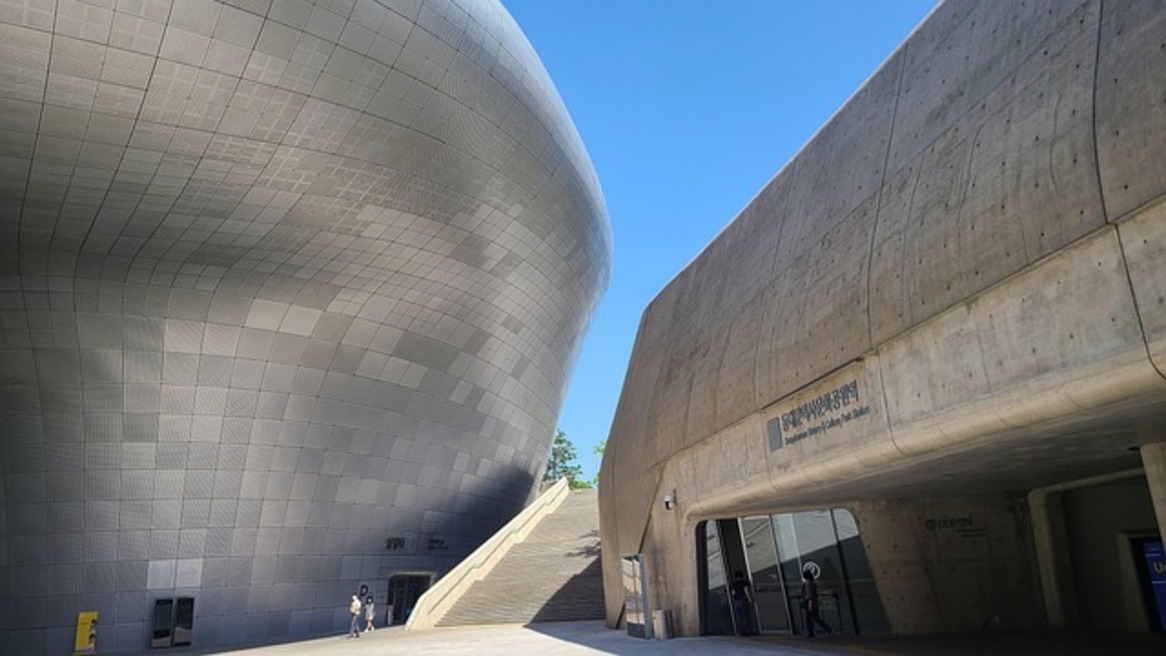 Image by nemoeye00 from Pixabay
Dongdaemun isn’t the most obvious base for visitors to Seoul, which is why we’ve included it. It is slightly off centre, but has its own charms and attractions — including Dongdaemun Dewsign Plaza — a space age urban space; the Gyeongdong Market — which is one of the largest herbal medicine and produce markets in South Korea; Dongdaemun Market; Dongdaemun Gate — which is one of the original gates of the city; and the King Sejong Memorial. Dongdaemun also has a huge shopping mall, a large park, and the L’atelier art museum/ park. There are numerous places to eat and drink here and when it comes to accommodation there’s a good variety, despite it not being the most obvious tourist base.
Ideal for: City explorers, sightseeing
Discover our recommended hotels near Dongdaemun
Explore more >
View all hotels in Dongdaemun
Explore more >
Sinchon is another great pick for anyone wanting to experience Seoul’s nightlife. Situated between several universities, and popular with cool students, it is an ideal base for visitors wanting to catch the latest K-pop bands, sing karaoke, meet up with the locals over drinks, or dance all night. Sinchon is also a great place for youth fashion and people watching! The smaller streets and alleyways are where you’ll find some of the coolest haunts — coffee houses, flower shops, patisseries, and small, trendy boutiques. Sinchon is also relatively close to the Seodaemun Independence Park and Museum of Natural History, the Independence Gate, the Bongwon-sa Buddhist Temple and a historic prison. There’s a wide range of accommodation in Sinchon, including some good value options.
Ideal for: Travellers on a budget; city exploring; party people; cool kids; shopping
Discover our recommended hotels near Sinchon
Explore more >
View all hotels in Sinchon
Explore more >
 By Flickr user Sharon Hahn Darlin
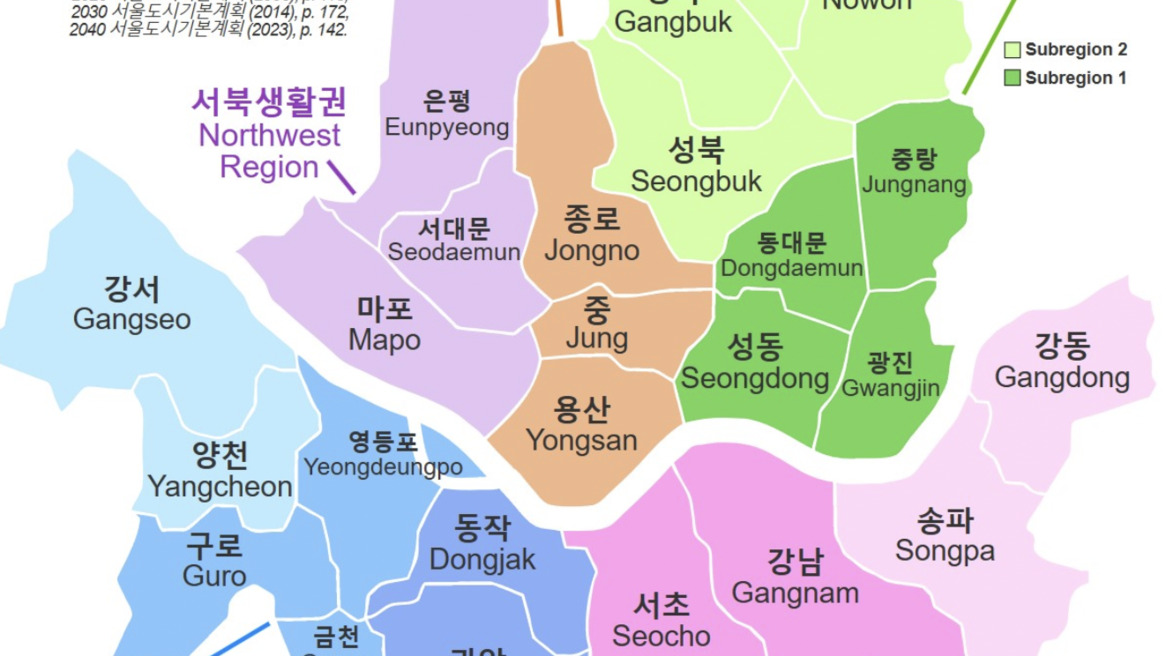
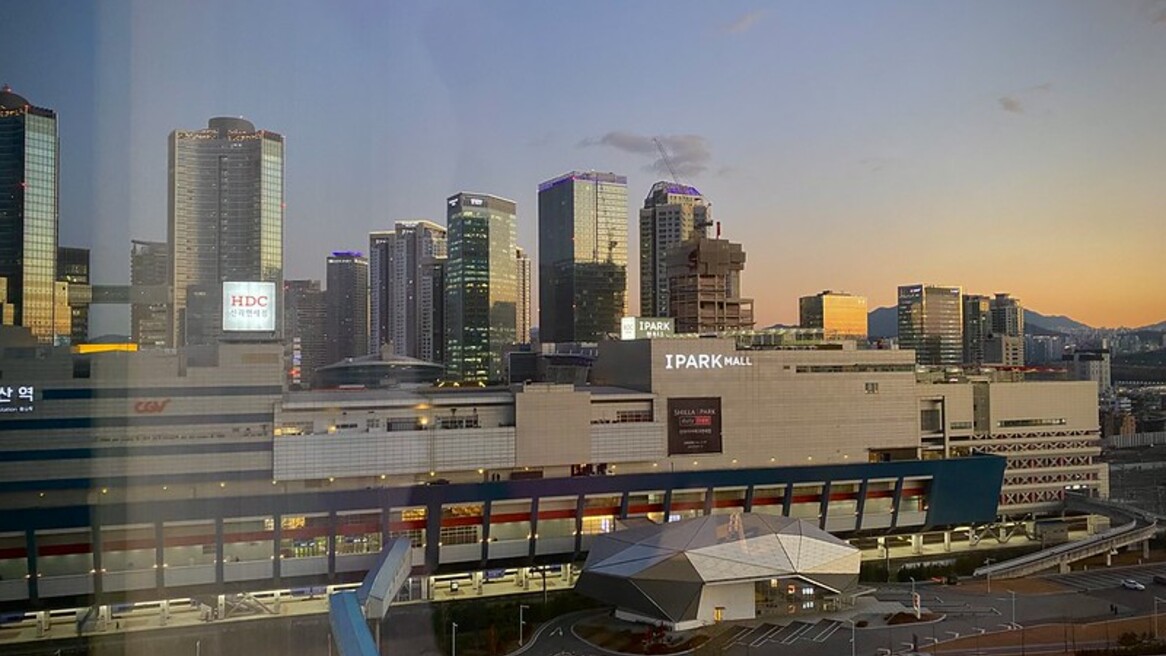
Close to the historic centre of Seoul, Yongsan is a district, rather than a neighbourhood — in fact the neighbourhood of Itaewon is within Yongsan. As well as this multicultural pocket, Yongsan also has a huge electronics market, the official residence and office of South Korea’s President, and a raft of foreign embassies and government buildings. Yongsan USED to be known for its huge US army base, but the huge space the base occupied is now being transformed into a park: Yongsan Park, which will end up being just a shade smaller than New York’s Central Park. Close to the park and Itaewon are the neighbourhoods of Hangangjin and Hannamdong, which are both upmarket areas, known for their restaurants and galleries, high-end boutiques and hotels. Because it’s so central and important, this district is very well connected by public transport.
Ideal for: City breaks; sightseeing; shopping; families; travellers on a budget
Discover our recommended hotels near Yongsan
Explore more >
View all hotels in Yongsan
Explore more >
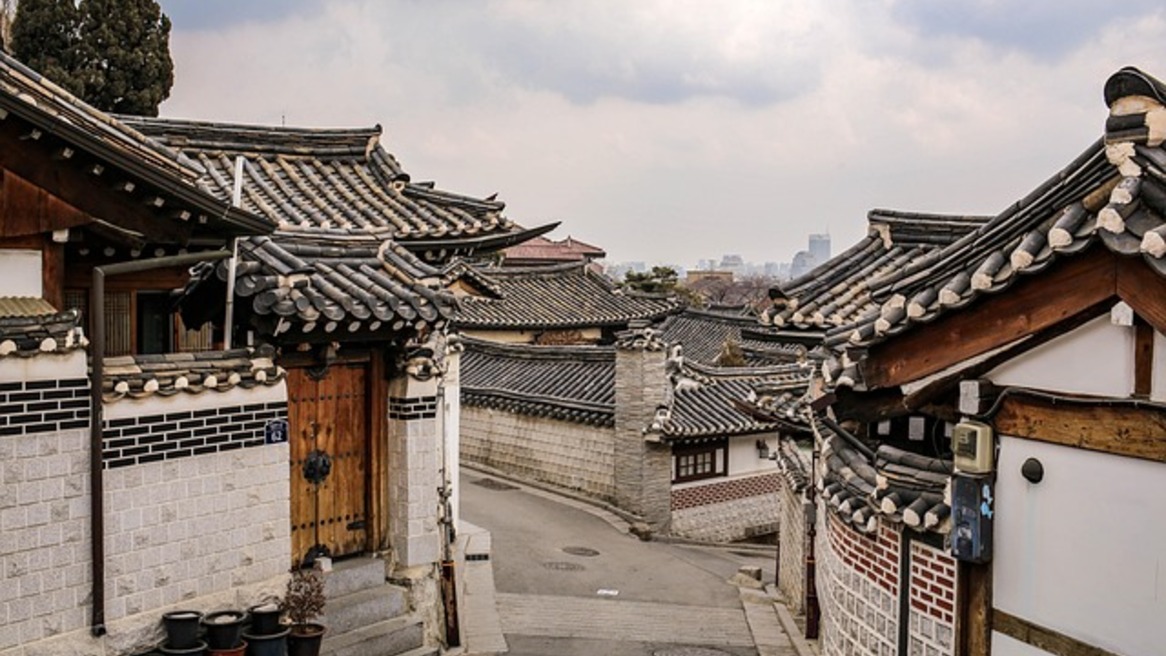 Image by Herbert Lee from Pixabay
The ‘hanok village’ part of Bukchon Hanok Village refers to the architecture of this neighbourhood, the hanok part describing the traditional houses, with their high windows, tiled exteriors and pitched roofs. The numerous restored hanoks in this part of Seoul have made this a visitor destination, though it is still a residential neighbourhood (if you’re interested in spending any real time here the best way is to stay in one of the converted hanok guesthouses). If you aren’t staying the night, there are restrictions for visitors, who are asked to visit between 10am and 5pm. Around a thousand of Bukchon’s hanoks have a commercial use, and while some are guesthouses, others are traditional shops, cafes, bars or little restaurants. In addition to the traditional homes, Bukchon Hanok Village is close to the Gyeongbokgung Palace, the Changdeokgung Palace and the Jongmyo Shrine, so there are plenty of historic sights to visit if you choose Bukchon Hanok Village as your base.
Ideal for: History lovers; romantics; families; sightseeing