
 Image by Monika Neumann from Pixabay
Strasbourg is a picturesque French city, close to the German border in the Alsace region. Strasbourg’s historic heart, the Grande Île, was the very first city centre to be UNESCO Listed in its entirety, and you can see why: the ornate Gothic cathedral, the half-timbered buildings, the waterways and their many bridges. And of course, today, Strasbourg is also home to the European Court of Human Rights and the European Parliament. It’s also beloved by foodies.
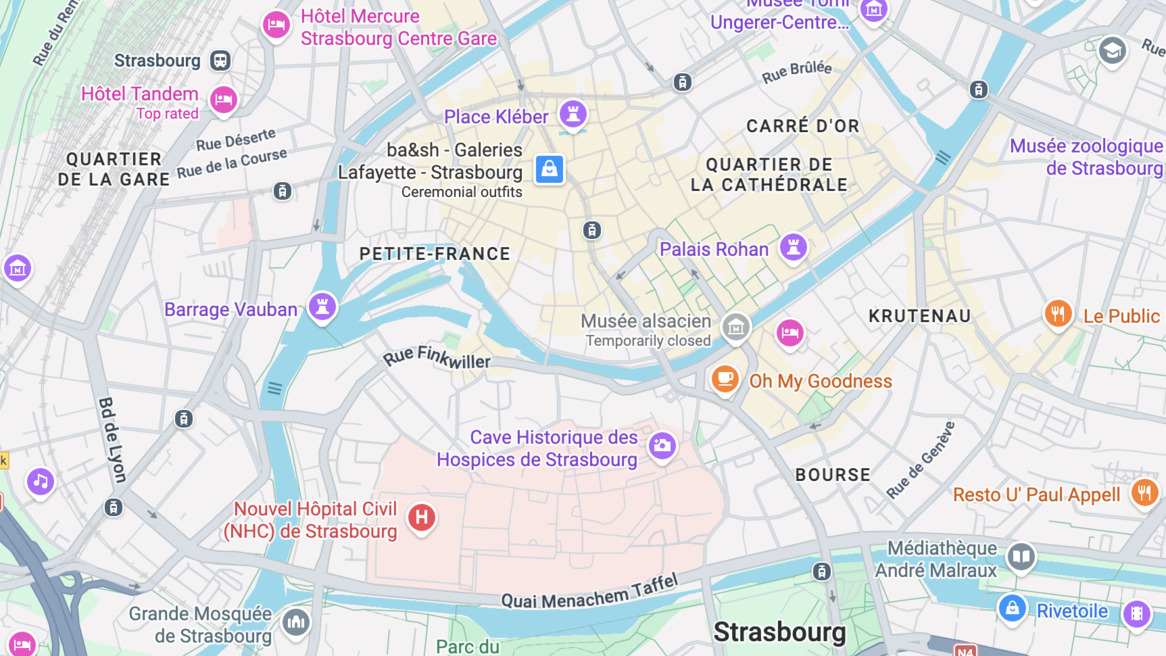
The Grande Île is a delightfully historic place to stay, as is Petite France. They’re both extremely central, convenient neighbourhoods for seeing the sights of Strasbourg. If you only have a short time to spend here, you may also want to consider Gare Centrale, close to the central station. For a cooler vibe consider staying in Kurtenau, or Bourse-Esplanade, which is also a wallet-friendly pick. Orangerie is a leafy neighbourhood with a huge park, and elegant 29th and 20th century architecture. It's a great choice for families, or for anyone here to see the European Parliament.
Ideal for: city breaks, sightseeing, short breaks, photographers, history lovers, families, romantics
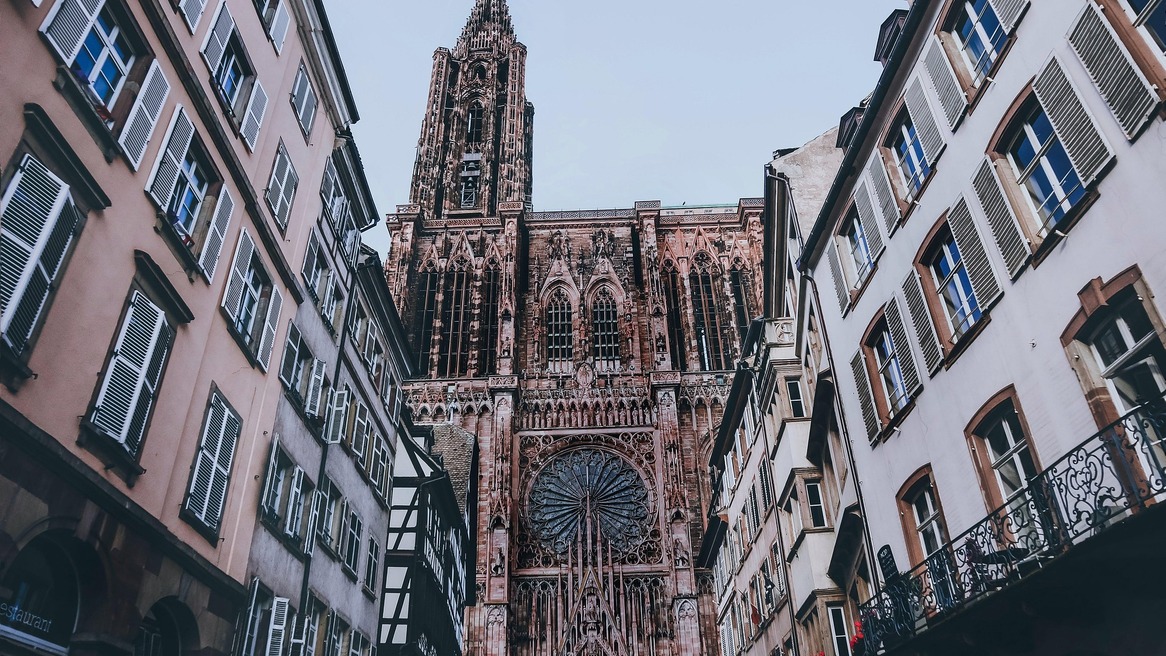 Image by Baraa jalahej from Pixabay
Grande Île, or the ‘large island’, is the UNESCO listed, largely pedestrianised, historic centre of Strasbourg. It’s not technically an island, but it is bordered by the River Ill, and the Canal du Faux-Rempart, and it is run through with canals. This is where you’ll find Strasbourg’s ornate, 15th century Gothic cathedral, and the Place Kleber, Strasbourg’s central square, and four other notably historic churches. Grande Île is also where you’ll find the 18th century Palais Rohan, which houses several museums; the City Hall; and the Hôtel des Deux-Ponts (currently the military residence of the governor of Strasbourg). Just to the west is Petite France.
Did you know? Grande Île's Christmas market, the "Christkindelsmärik", has been running since 1570, making it the oldest Christmas market in Europe!
Discover our recommended hotels near Grande Île
Explore more >
View all hotels in Grande Île
Explore more >
Ideal for: city breaks, sightseeing, historic architecture, romantics, photographers, families, history lovers
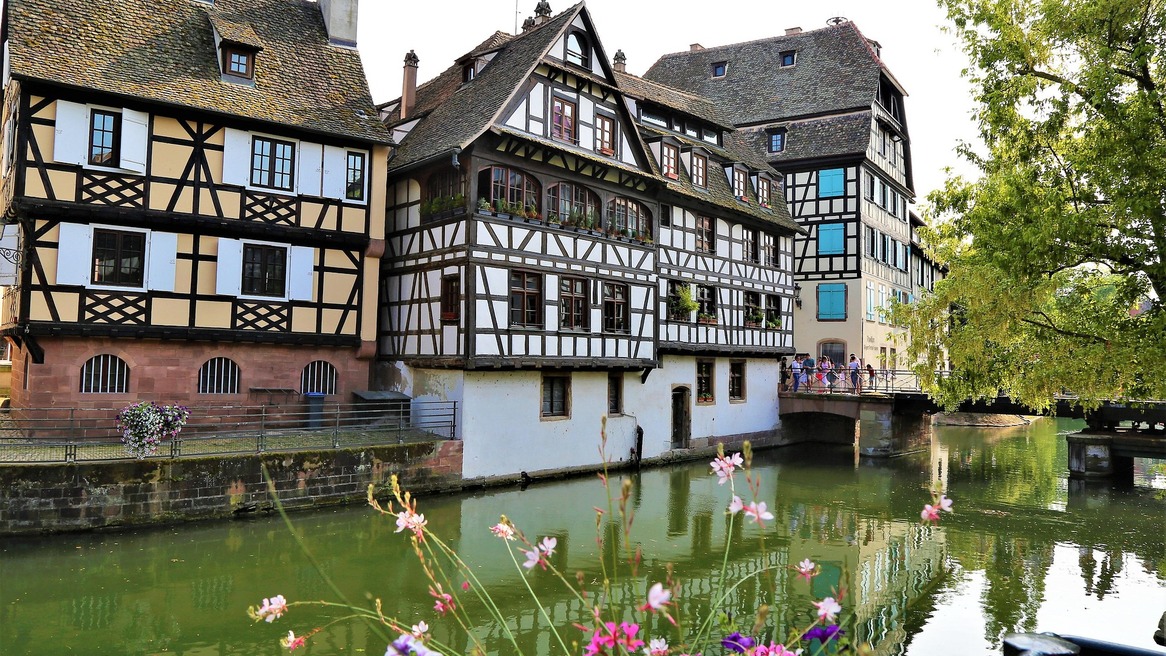
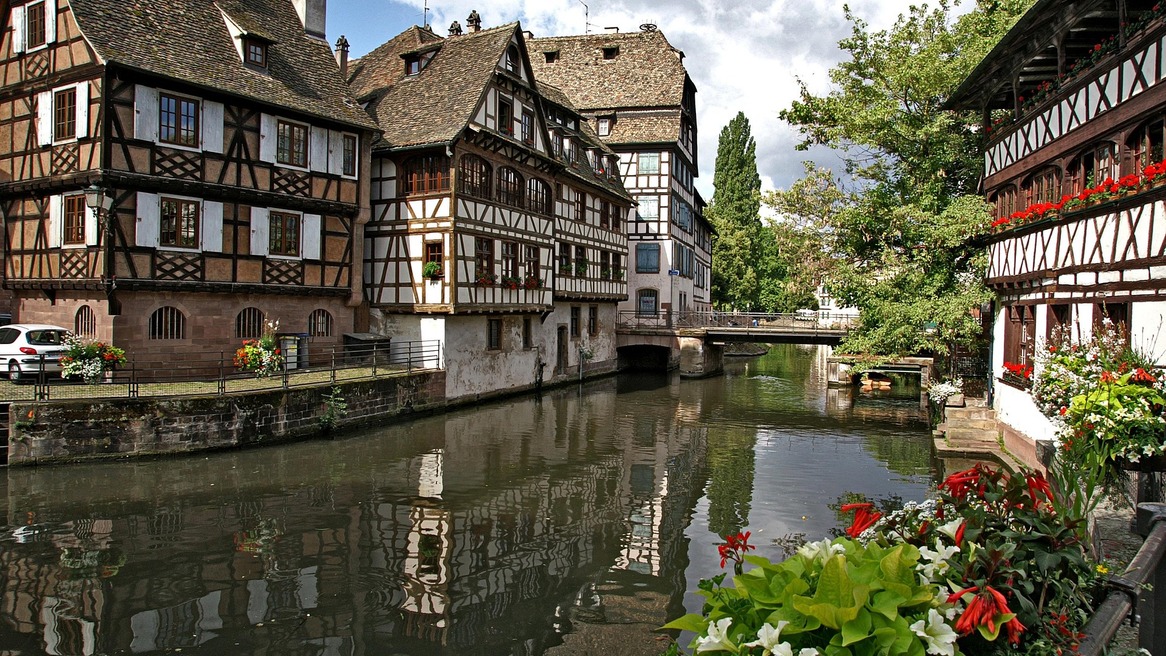
La Petite France is either part of, or neighbouring Grande Île. It’s on the western side of the historic, largely pedestrianised area, but this district has a very particular look to it: in Petite France the majority of the buildings are the half-timbered, canal-side charmers beloved by illustrators of fairytales. Here, the river Ill splits into five arms, so there are plenty of waterways, gardens and parks. In spring and summer, the window boxes of the area are incredible. Squares and gardens provide plenty of places to sit and admire the view, but if you want to do a bit more than that, seek out the Rue du Bain-aux-Plantes, the 12th century Gothic Saint Thomas’ Church, the Pont Tournant (a bridge that swivels to let river traffic pass), the pretty Saint Martin Bridge, and the three towers of the Eternal Covered Bridges, which used to be part of the old city walls.
Did you know? You might notice how steep the roofs are here, or that some of the attics are open. This is because many houses in the area belonged to tanners, and the top floors were used to dry animal skins.
Discover our recommended hotels near La Petite France
Explore more >
View all hotels in La Petite France
Explore more >
Ideal for: city breaks, sightseeing, short stays, large hotels
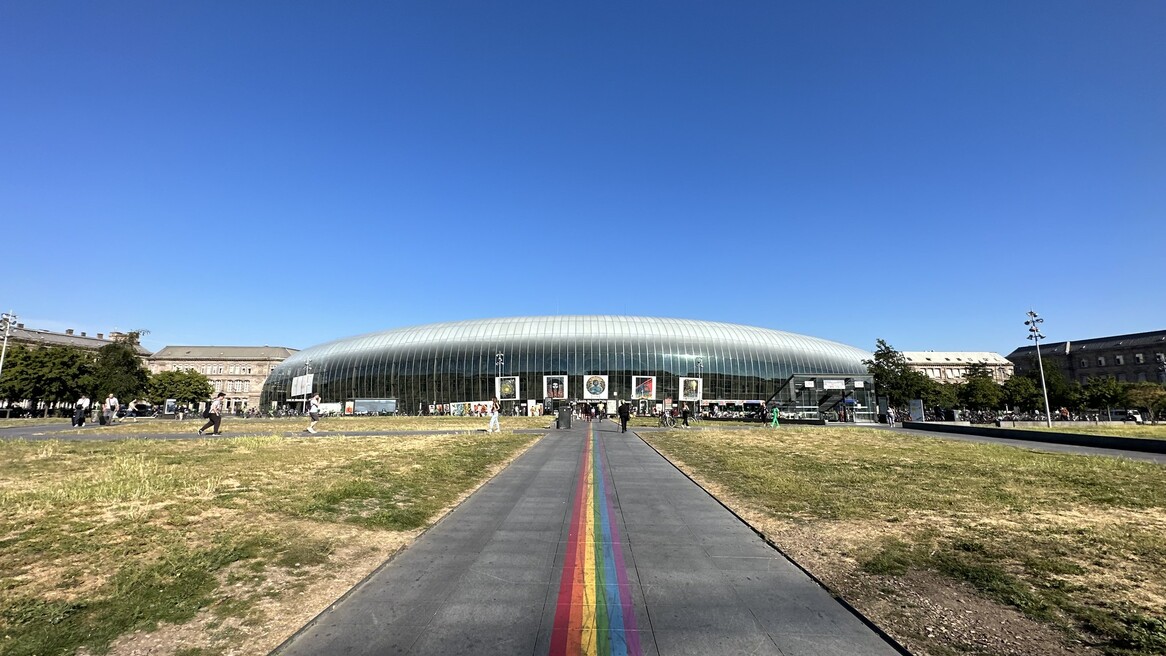
The station itself, Gare Centrale, or Strasbourg Central Station, is an impressive landmark. Opened in 1883, the original Gothic building has been covered in a glass canopy, and all the station facilities, including shops and cafes, are protected within. Surrounding the station is a pedestrianised space with plenty of grass, which is ideal for picnicking and watching the world go by. Beyond the station is a district with shops, hotels, cafes and restaurants, but also residences. People still live here, as attested by the regular weekly markets. As you might imagine, Gare Centrale is a very well-connected base, served by trams as well as trains, so it’s an easy pick for anyone staying in Strasbourg for a short time.
Did you know? The station still has an 'Imperial Waiting Room', built for Kaiser Wilhelm II, which has chandeliers, stained glass and every comfort.
Discover our recommended hotels near Gare Centrale
Explore more >
View all hotels in Gare Centrale
Explore more >
Ideal for: great value accommodation, young travellers, night owls, arty types, cool kids, living like a local
 By Flickr user Tristan Schmurr
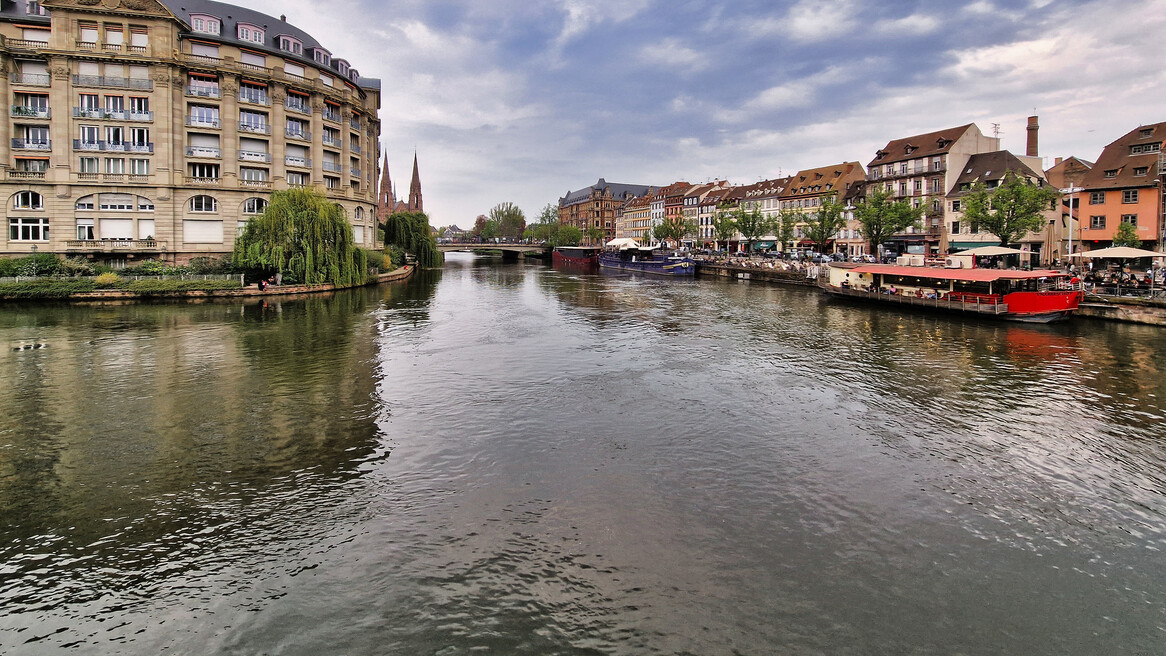
Bourse-Esplanade is a varied neighbourhood with charming, residential pockets and industrial areas. Esplanade, especially, is a popular neighbourhood for students and arty types, because it’s close to the university and the Museum of Modern and Contemporary Arts. It's got some great street art and it's close to the picturesque Rhône-Rhine Canal.
Krutenau was historically a neighbourhood of fishermen; today, it still has a village feel, yet it’s one of the hippest neighbourhoods in Strasbourg, better known for its cafes, bars and restaurants, and for its impressive art school. All three of the neighbourhoods of Bourse, Esplanade and Krutenau have great public transport links.
Did you know? Kurtenau means cabbage meadow.
Discover our recommended hotels near Bourse-Esplanade & Kurtenau
Explore more >
View all hotels in Bourse-Esplanade & Kurtenau
Explore more >
Ideal for: families, relaxed breaks, political interests, lovers of green space, photographers, architecture lovers
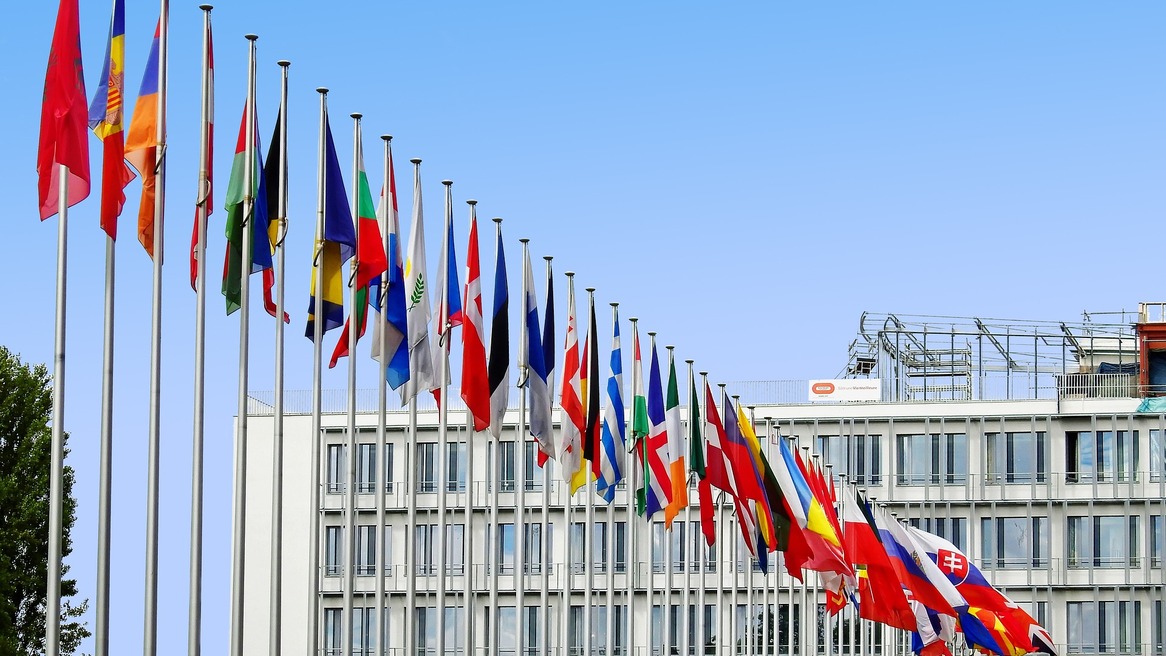
Orangerie is a popular neighbourhood for families: it’s green and leafy, with elegant properties and an excellent range of aparthotels, and with anyone visiting the European Parliament. Parc de l’Orangerie is the centre of the neighbourhood; it’s big, with everything from cafes and meadows to a boating lake and a library. Radiating outwards from the park are streets of elegant 19th and 20th century architecture. Orangerie is just to the northeast of the city centre, a bit too far to walk, but an easy journey on public transport.
Did you know? As well as the zoo and the library and the boating lake, the Parc de l'Orangerie hosts a dedicated centre for the protection and reintroduction of Alsatian white storks.