
First time in Kyoto? We recommend Southern Higashiyama, Gion, or Downtown Kyoto.
Looking for traditional, historic Kyoto? You may enjoy staying in Gion, Southern Higashiyama, Fushimi, or Arashiyama.
Only have a few days to enjoy Kyoto? Downtown Kyoto is convenient, as are Southern Higashiyama and Gion.
Visiting Kyoto with your family? Stay in Arashiyama, Southern Higashiyama or Northern Higashiyama.
Hoping to have a romantic time in Kyoto? We recommend Gion or Arashiyama.
Prefer to stay close to green space? Stay in Arashiyama, Fushimi, or Northern Higashiyama.
Want to taste the delights of Kyoto? Consider Downtown Kyoto, Southern Higashiyama or Gion.
Japan’s ancient capital Kyoto is an important destination for travellers seeking the mysteries and beautiful traditions of old Japan. Teahouses, bright torii gates, cherry trees and blossom, and geisha are all here to be discovered; some of them clearly marked on the map, others needing a little more effort to find! Kyoto is a city of many temples and shrines, and numerous palaces and castles, many set in exquisitely maintained gardens. But it’s not just a relic, Kyoto is a vibrant city with an incredibly rich food scene, and a cultural life that lives with its past, but looks forward too — the shopping is great! It’s also well-connected by train (hop on the bullet train from Tokyo and you'll be here in a couple of hours). Our guide to the neighbourhoods of Kyoto will help you work out which district you want to be based in.
 Created by Asia Odyssey Travel
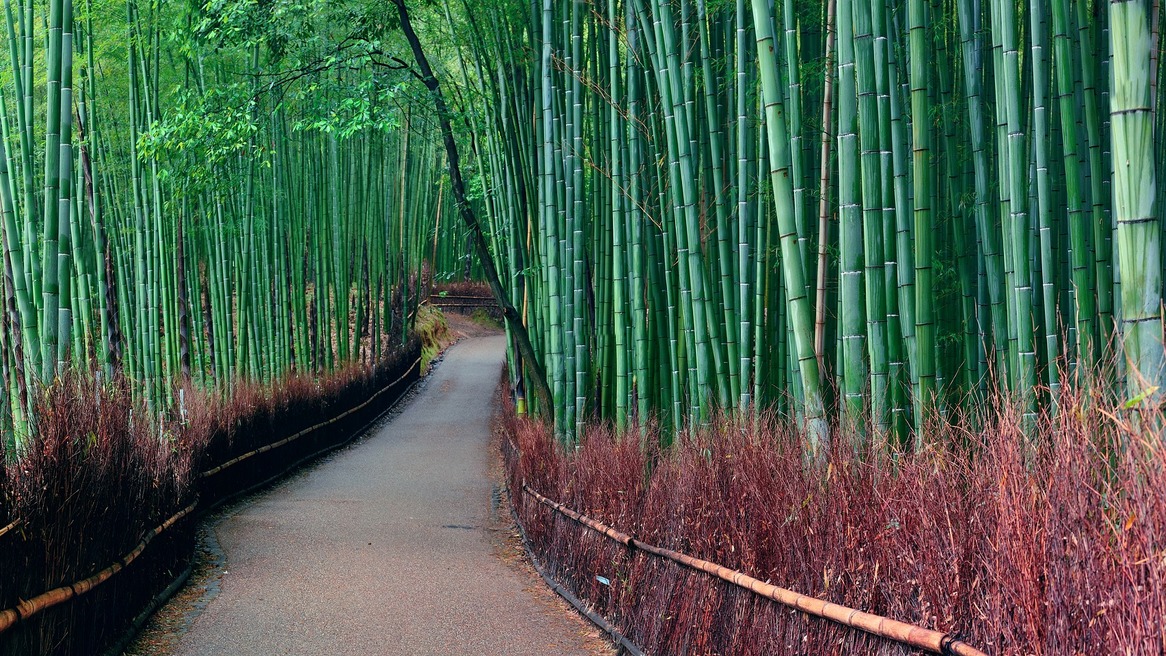
Gion and Higashiyama offer visitors many bucket list highlights, including shrines and teahouses — but not everything! Even the more contemporary neighbourhood of Downtown Kyoto has its historic treasures, including Nishiki Market, Pontocho Alley, which is known as a place to spot geisha, and Nijo Castle. Fushimi is one of Kyoto’s greener areas, probably best known for the Fushimi Inari-Taisha shrine and its thousands of orange torii gates — this is a great Kyoto neighbourhood for hikers — while Arashiyama has the famous bamboo forest.
Downtown Kyoto is only a small area, but it’s got thousands of restaurants and shops, as well as really convenient and easy public transport links. This is one Kyoto's more contemporary districts, but it certainly has its historic haunts too: the atmospheric alley of Ponto-chō, for example, with its paper lanterns and traditional drinking venues, and Nishiki Market, which is probably the best traditional food market in the city. It's also located close to the food hall of Daimaru, which is one of the most impressive contemporary food markets in the city. Plus, Downtown Kyoto has the International Manga Museum.
Ideal for: foodies; shoppers; night owls; party people; short breaks; cool kids
Discover our recommended hotels near Downtown Kyoto
Explore more >
View all hotels in Downtown Kyoto
Explore more >
Gion has been known for its traditional arts since the Edo period (which started around 1600), and it has been well known for its hospitality for just about as long. If you’re hoping to catch a glimpse of women in a kimono, Gion is the place to stay. You can still visit a teahouse or dining establishment and be entertained by a geisha or maiko, but it’s still reassuringly difficult to set up, and you might have to fall back on the Gion Corner cultural show, which is aimed at visitors. Shrines and teahouses line its narrow and historic streets, and there are plenty of accommodation options, especially if you’re interested in trying a traditional ryokan or similar lodging. Gion is within a very pleasant stroll of central Kyoto, and just across the river from Higashiyama and Ponto-chō,
Ideal for: first time visitors; sightseeing; foodies; couples; history lovers; romantics; night owls; families
Arashiyama is an ideal choice for anyone visiting Kyoto for its green assets: its gardens and forests, and the incredible temples and shrines that have been built within the bamboo and acers. It’s popular with walkers and hikers, and is also known for having some very well thought of traditional ryokan, with serene green views. And while it’s not the most popular neighbourhood to stay in, it becomes so during the cherry blossom season, and during the Autumn change of colours! The Togetsukyo Bridge is the neighbourhood’s major man-made landmark, and there are lots of shops and restaurants around it, along with places to rent bicycles and boats. Arashiyama is on the western outskirts of Kyoto, and a more rural neighbourhood to stay in than the others mentioned.
Ideal for: nature lovers; peace seekers; walkers; photographers; families
Discover our recommended hotels near Arashiyama
Explore more >
View all hotels in Arashiyama
Explore more >
 Evangelos Bountaniotis from Pixabay
Fushimi’s most famous landmark is the Fushimi Inari-Taisha, the temple with the thousands of orange-red torii gates, all lined up and running five kilometres through a tunnel of cedar trees to small shrines and temples in the forest. The gates have been here for hundreds of years; it takes a pilgrim about 45 minutes to pass through them all, but at the end of your surprising walk, you will arrive at the Fushimi-momoyama Castle. You can walk up the whole mountain too (it’s around 230 metres at its peak), and takes two or three hours to summit, on a criss-cross of walking trails. But it's worth the effort...the views over Kyoto are quite something. Aside from gates, shrines and temples, it’s known for its sake breweries, and it’s got a good foodie scene. Fushimi is on the river, on the southern side of Kyoto, on the way to Osaka.
Ideal for: sightseeing; families; walkers; history lovers; photographers; romantics
Discover our recommended hotels near Fushimi
Explore more >
View all hotels in Fushimi
Explore more >
 Kanenori from Pixabay
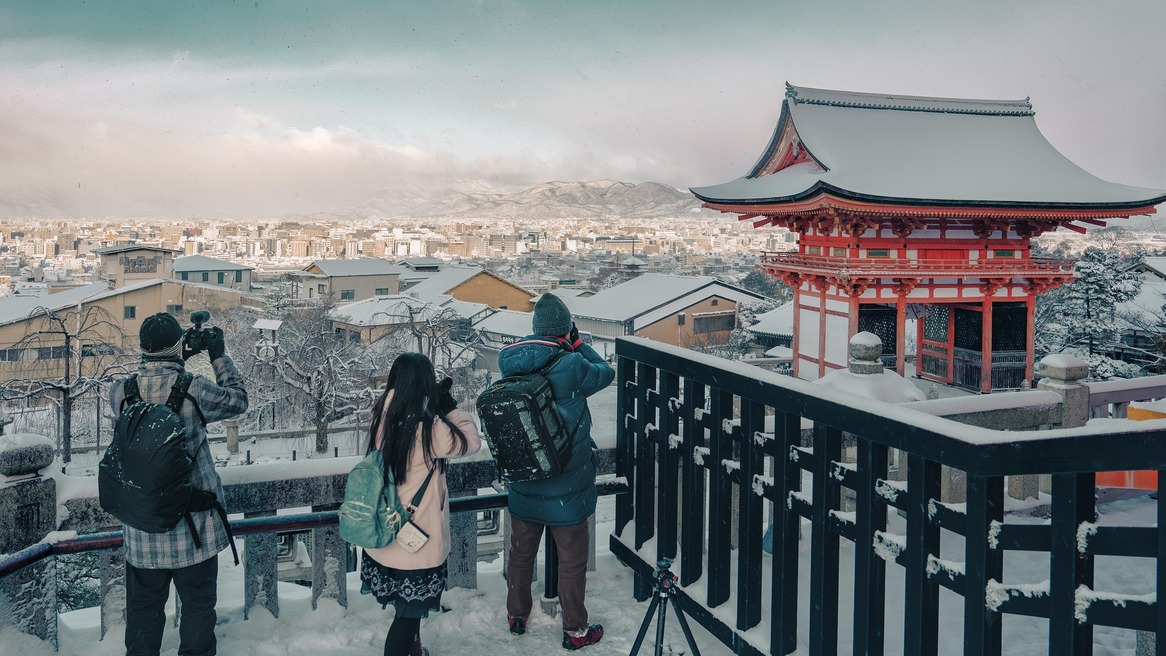
Home to many of Kyoto’s major sights, and close to the main station and the traditional nightlife of Gion, Southern Higashiyama is an easy choice for visitors staying in Kyoto for three days or more. Its streets and lanes are atmospheric come evening, once the day trippers have left, and strolling around admiring the temples in the late afternoon light is a real Kyoto pleasure. The Sanjusangen-do Temple and Kiyomizu-dera Temple are highlights, as is the Kyoto Museum, but there are a number of other temples that are less popular with day visitors and equally magical. Being close to Gion means there are plenty of places to eat and drink locally. As well as hotels and ryokans, Southern Higashiyama has a nice range of machiya, which are traditional townhouses that have been converted into places to stay.
Ideal for: first time visitors; sightseeing; history lovers; families; on-foot explorers; couples; photographers
Discover our recommended hotels near Southern Higashiyama
Explore more >
View all hotels in Southern Higashiyama
Explore more >
 Jordy Meow from Pixabay
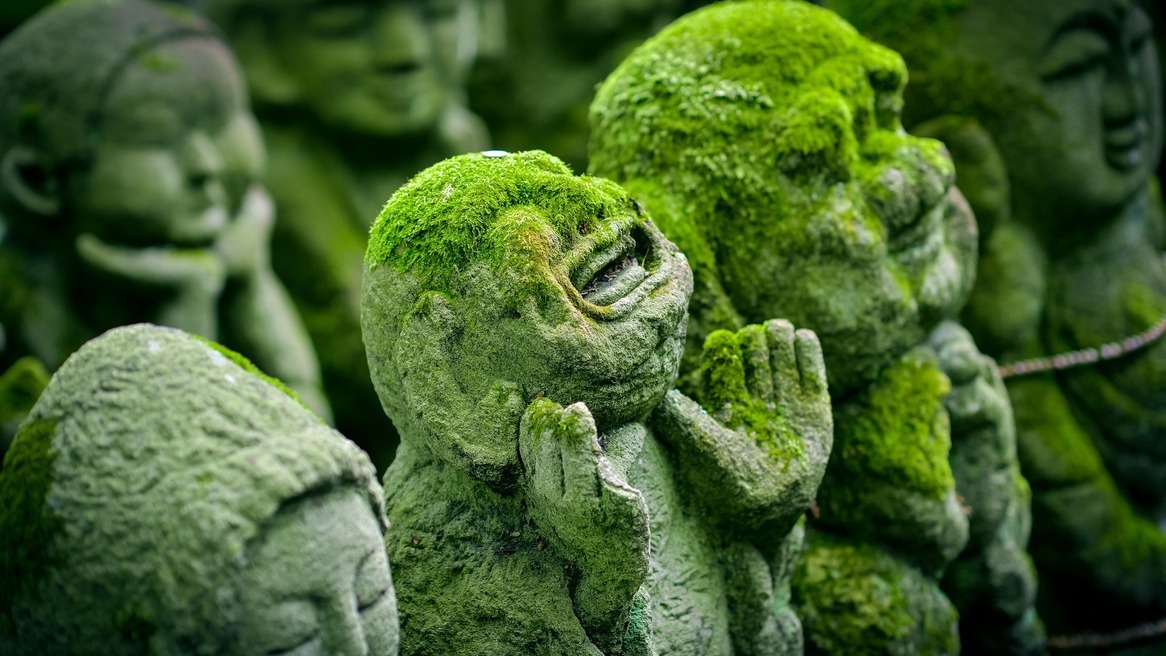
Further away from the centre of Kyoto than Southern Higashiyama, Northern Higashiyama is what’s called a ‘historic district’, because of the beautifully preserved wooden architecture arranged on narrow lanes. The area between Yasaka Shrine and Kiyomizudera is particularly historic. Northern Higashiyama is a good choice for travellers who like to be close to green spaces, or like exploring a city by bike. The Path of Philosophy is a famous local walking route that takes you past some of the neighbourhood’s most impressive shrines and temples, and atmospheric gardens; but if you stroll into the lanes, you will find traditional shops — selling local sweets, pickles and pottery — restaurants and teahouses. This is a part of town that closes early, so check opening hours for restaurants — you may need to head for Southern Higashiyama for your evening meal, or take it in your accommodation.
Ideal for: history lovers; sightseeing; couples; families; photographers; serenity seekers
Discover our recommended hotels near Northern Higashiyama
Explore more >
View all hotels in Northern Higashiyama
Explore more >