
 Image by Andrea Castello from Pixabay
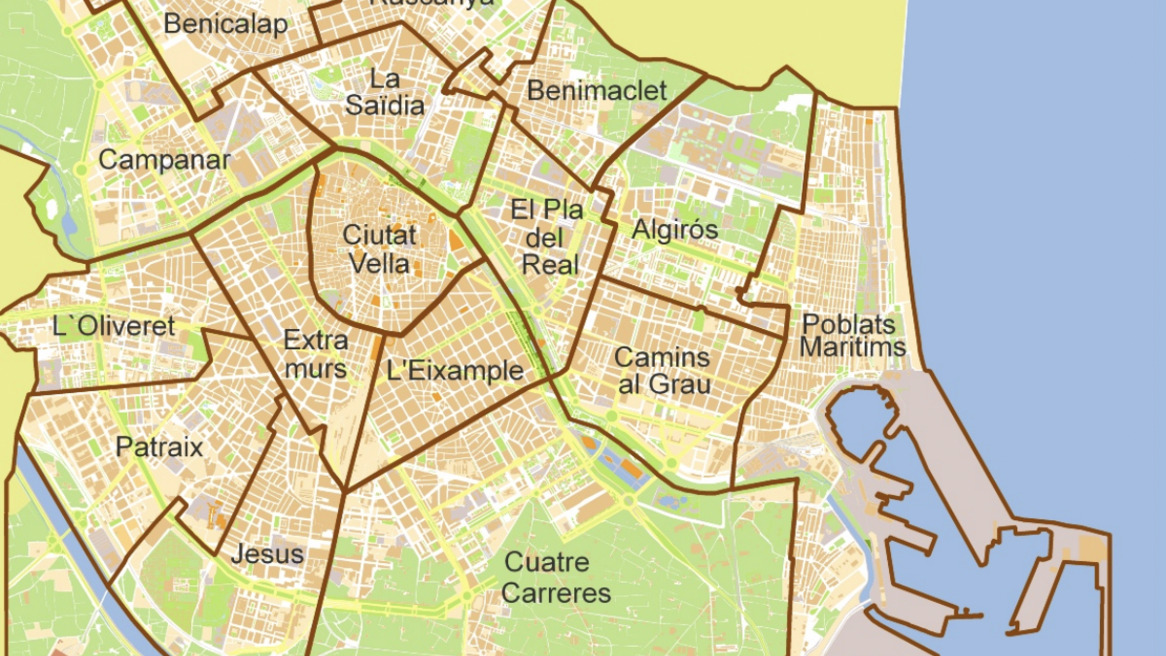
Valencia makes for a lively city break destination: packed with historic architecture, oranges and paella, and, reflecting its position as a key Mediterranean port, (and more important than other factors for some!) with a beach. This is the sort of city to explore on foot, with plenty of treasures you can just ‘run into’ in passing, but there are some key neighbourhoods you’ll not want to forget to explore.
El Carmen and the Old Town, also called Ciutat Vella, are where you’ll discover many of the really historic architectural treasures, while neighbouring L'Eixample has more Modernist architectural highlights along with some great shopping opportunities, and plenty of great places to eat and drink. Ruzafa is another central neighbourhood foodies should pay attention to, with great bars, cafes and restaurants. Quatre Carreres, which is also referred to as the City of Arts and Sciences, is where the super-modern and innovative art and architecture can be found, and some great contemporary hotels. El Cabanyal (part of Poblats Maritimes on the map above) is our pick for beach breaks.
Ideal for: city breaks, sightseeing, first-time-visitors, romantics
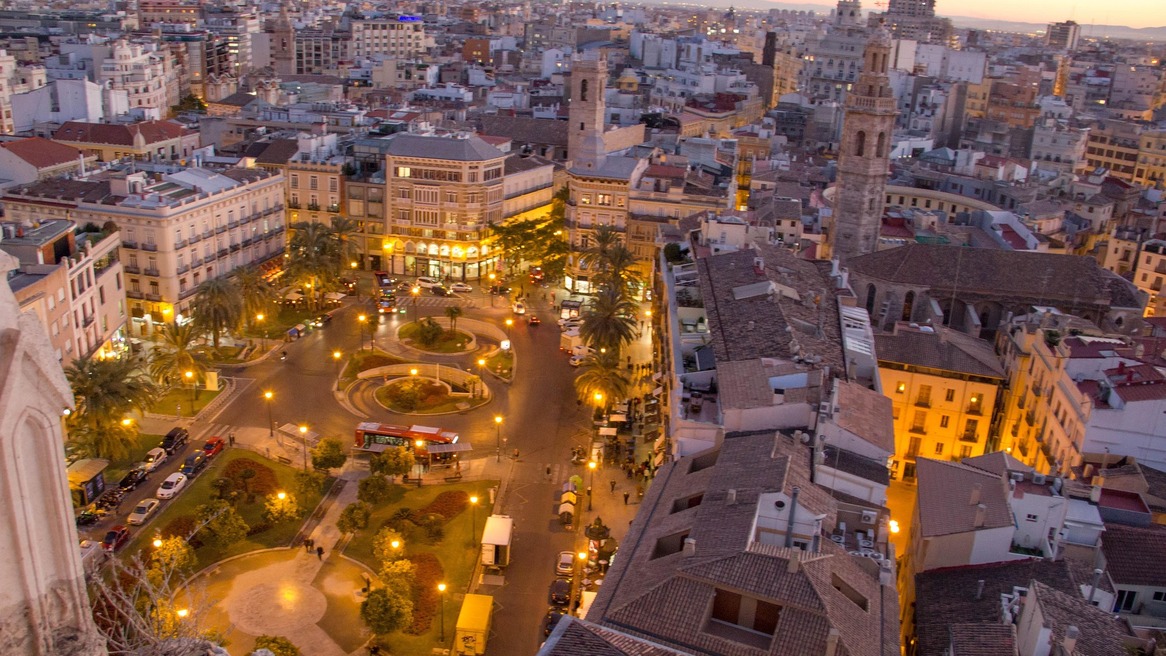
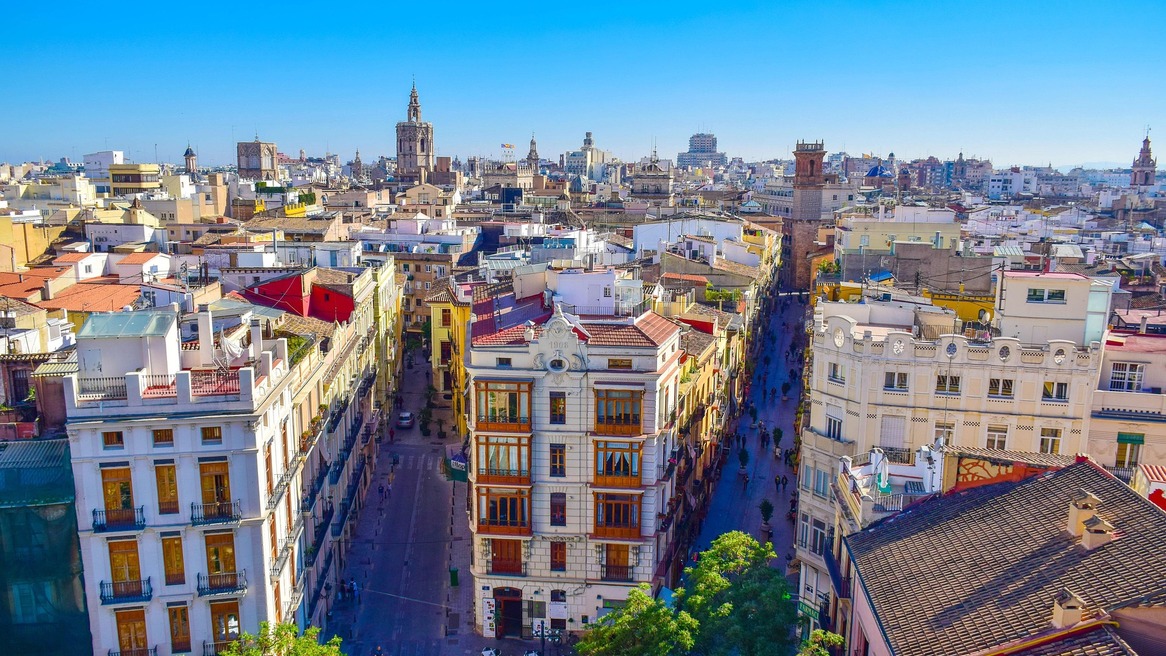
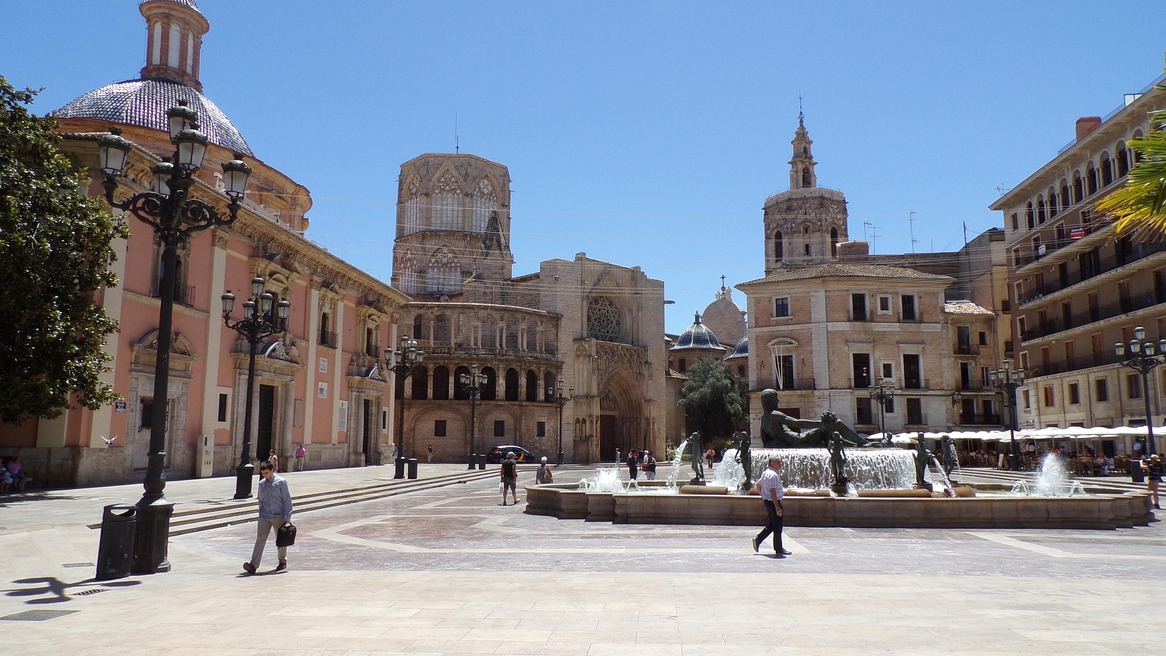
Valenica’s Old Town, or Ciutat Vella, is among the oldest in Europe, based on town planning that was laid out by the Romans around 2000 years ago, and then added to by Arab and Medieval architects and civil engineers. Some of the highlights of any tour around the Ciutat Vella include the cathedral, the main market (Mercado Central), the silk exchange ( Lonja de la Seda), and the two ancient gates (Torres de Serranos and Quart). There are lots of little lanes and alleys, which open onto surprising squares, lined with visit-worthy churches, charming boutiques and galleries, and gorgeous views. We’re treating El Carmen as a separate neighbourhood, but it’s within the boundaries of the Old Town, and one of the best places to hang out of an evening, with some great places to eat and drink. Definitely try the hot chocolates and array of tapas!
Did you know? Two of the Old Town's towers, the Torres de Serranos and Torres de Quart, only survived being destroyed because someone suggested they should be turned into prisons.
Discover our recommended hotels near Valencia's Old Town
Explore more >
View all hotels in Valencia's Old Town
Explore more >
Ideal for: history lovers, foodies, sightseeing
In the northwest of the Old Town, El Carmen is one of the best known of Valencia’s neighbourhoods. It's very popular amongst foodies, it boasts magnificent medieval architecture and much, much more besides! Today, as well as food, visitors come here for the museums and churches, with many travelling great distances to see the Church of San Nicolás de Bari and San Pedro Mártir, which you may have seen referred to as Valencia’s Sistine Chapel, because of its incredible painted ceiling. The central market and the silk exchange are also in El Carmen.
Did you know? El Carmen grew and flourished between two sets of Valencia's old walls: the 11th century Muslim walls, and the 14th century Christian walls.
Discover our recommended hotels near El Carmen
Explore more >
View all hotels in El Carmen
Explore more >
Ideal for: foodies, shoppers, hipsters, on-foot explorers
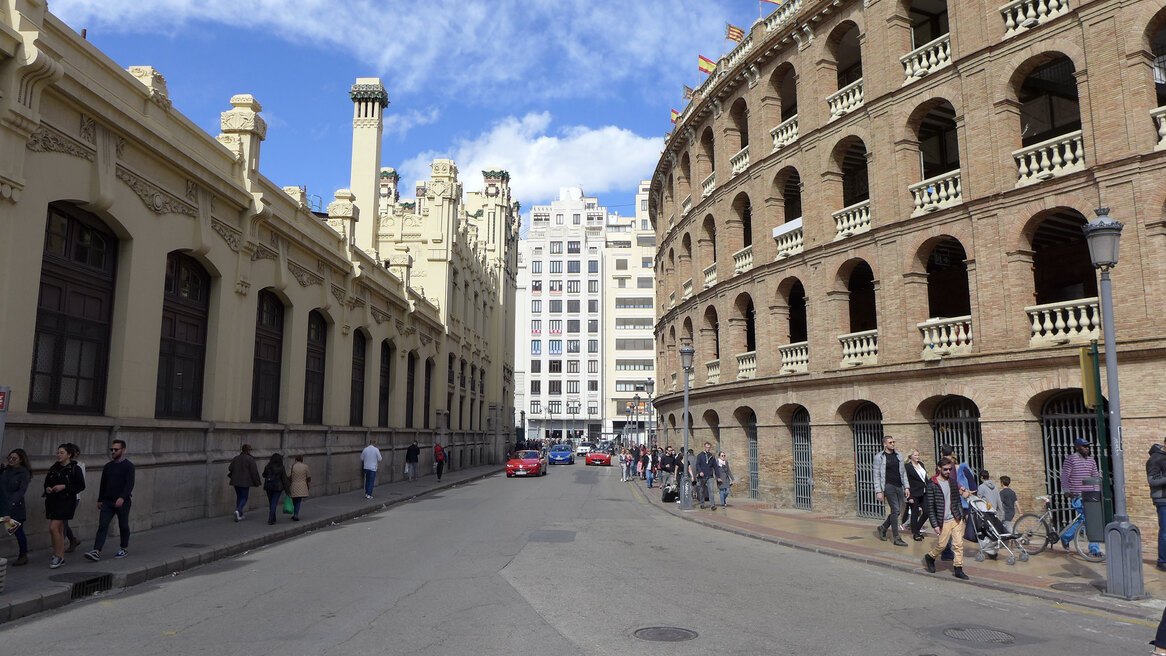
Ruzafa is one of the hippest neighbourhoods of Valencia, known for its creative gastronomy and lively culture. This is where the hipsters hang out, and it's a great neighbourhood for foodies, photographers (or anyone who appreciates the way different styles of architecture play out together), and shopping for vintage, arty or local treasures. You may be surprised by the bullring, which hosts both concerts and bullfights, and the Brutalist market. The fun lasts well into the evenings here!
Did you know? This neighbourhood began as a pleasure garden for a Moorish Prince, attached to his 9th century palace.
Ideal for: a romantic city break, luxury lovers, foodies, sightseeing, shopping
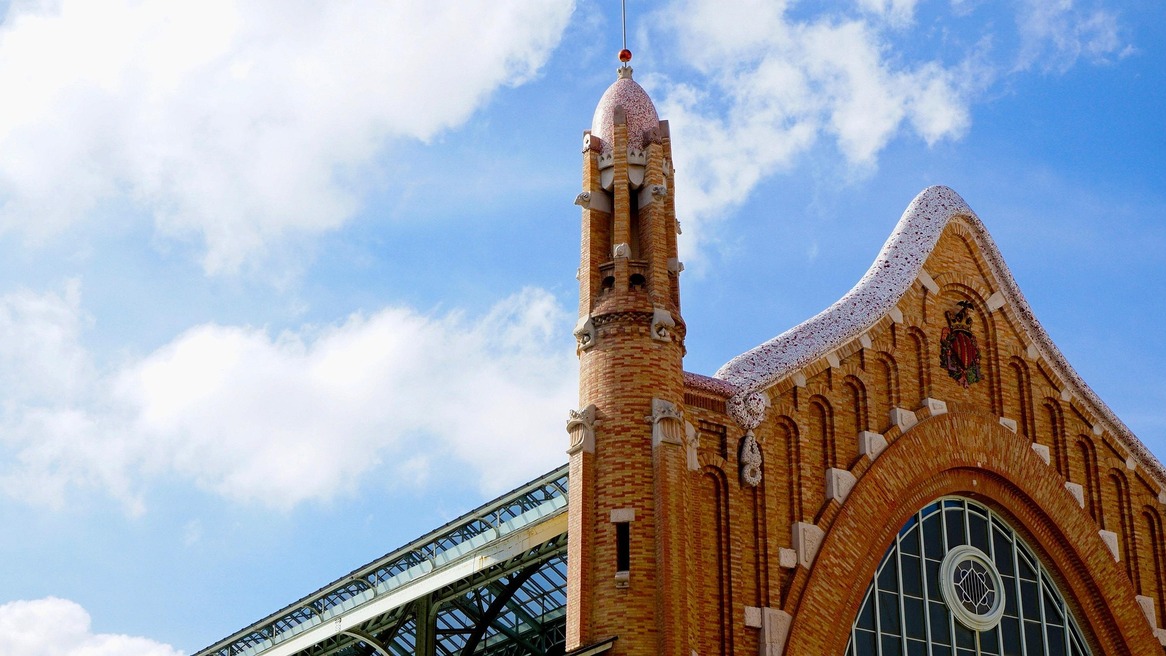
L'Eixample is quite an upscale neighbourhood laid out in a grid of streets and long avenues, including the grand shopping streets of Calle Colón and Marqués del Túria Avenue. L'Eixample incorporates the mini-neighbourhoods of Ruzafa (above), Gran Via (which is a luxurious choice) and Pla del Remei, which is chic, quiet and safe, and is where you’ll find the Colón Market. The Colón Market is one of the architectural highlights of the neighbourhood, as well as a foodie highlight, known for its brick and iron facade built in 1916, and its gourmet food, tapas bars and cocktail bars. L'Eixample is one of the most expensive residential neighbourhoods in Valencia, and there are plenty of luxury hotels here too, as well as high-end shopping.
Did you know? L'Eixample means 'extension' or 'enlargement', and this neighbourhood was just that, the enlargement of the historic heart of Valencia. Its modern, grid-style, street layout was designed for better traffic flow.
Discover our recommended hotels near L'Eixample
Explore more >
View all hotels in L'Eixample
Explore more >
Ideal for: contemporary comforts, families
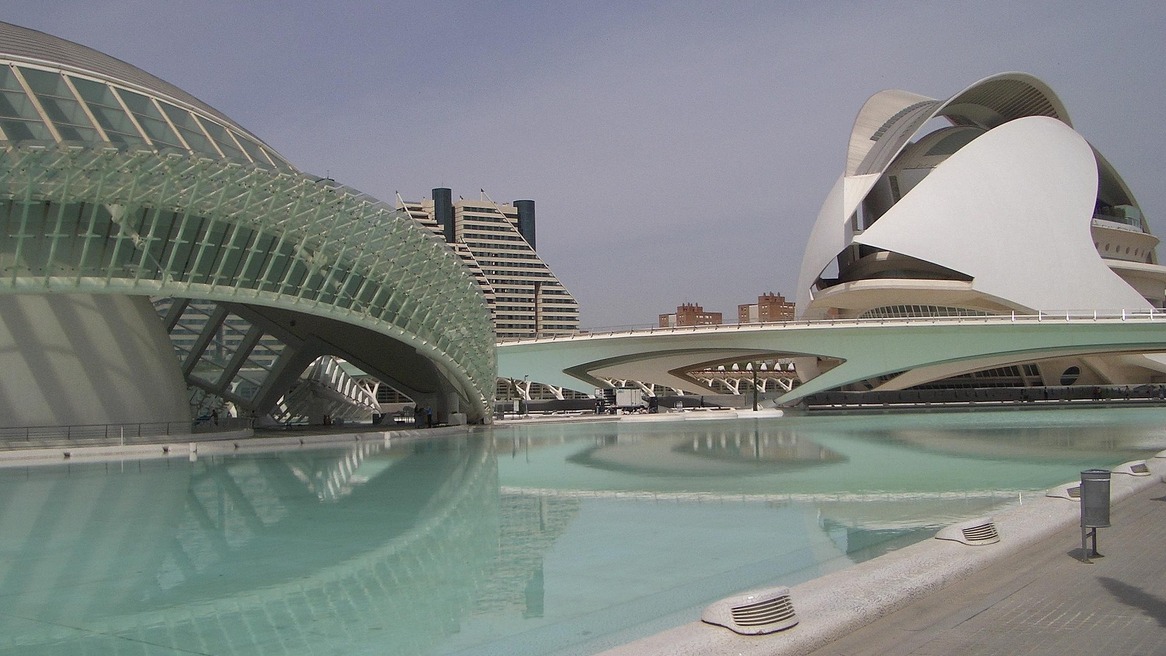
Quatre Carreres is a district dominated by the extravagant, contemporary Arts and Sciences Complex, a space-age wonder which has its own IMAX theatre, an aquarium, a performing arts complex and a landscaped park. The whole district is sometimes called The City of Arts and Sciences. Parts of the district are quite residential, but some neighbourhoods within it are well-suited to visitors and within a short walk of Ruzafa.
Did you know? The Oceanogràfic is Europe's largest aquarium.
Discover our recommended hotels near Quatre Carreres
Explore more >
View all hotels in Quatre Carreres
Explore more >
Ideal for: city beach breaks, foodies, relaxed stays, living-like-a-local
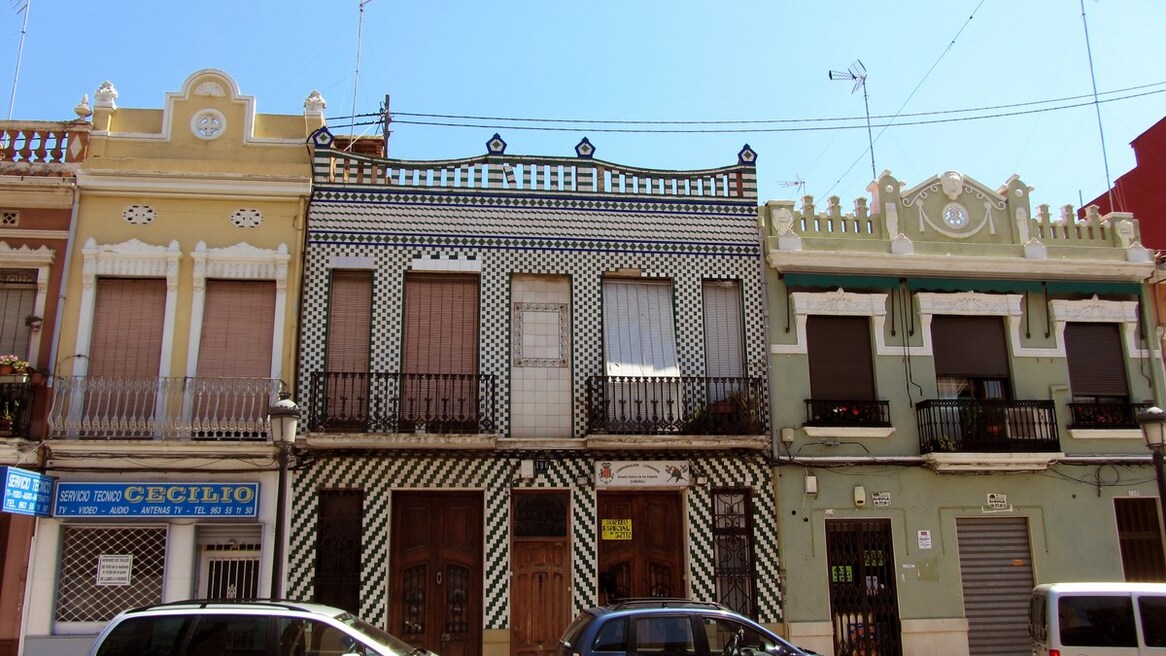 santiago lopez-pastor via Flickr
El Cabanyal is Valencia’s old fishermen’s neighbourhood, known for its historic residential layout of huts and cabins, its tiled facades, and its seafood market. As well as the fish market, El Cabanyal is home to a wealth of seafood restaurants, the best, or most touristy, of which can afford the rents closest to the water, and Las Arenas beach. But the neighbourhood is packed with fantastic and affordable places to eat and drink. If your Spanish is good enough, you can even skip the market and buy direct from the fishermen at the fishing port in the harbour. This is an arty area too, with studios and theatres, and other arts groups and environments.
Did you know? The neighbourhood layout, with its straight streets, was designed so that it was easier to pull your boat up and down from the beach.