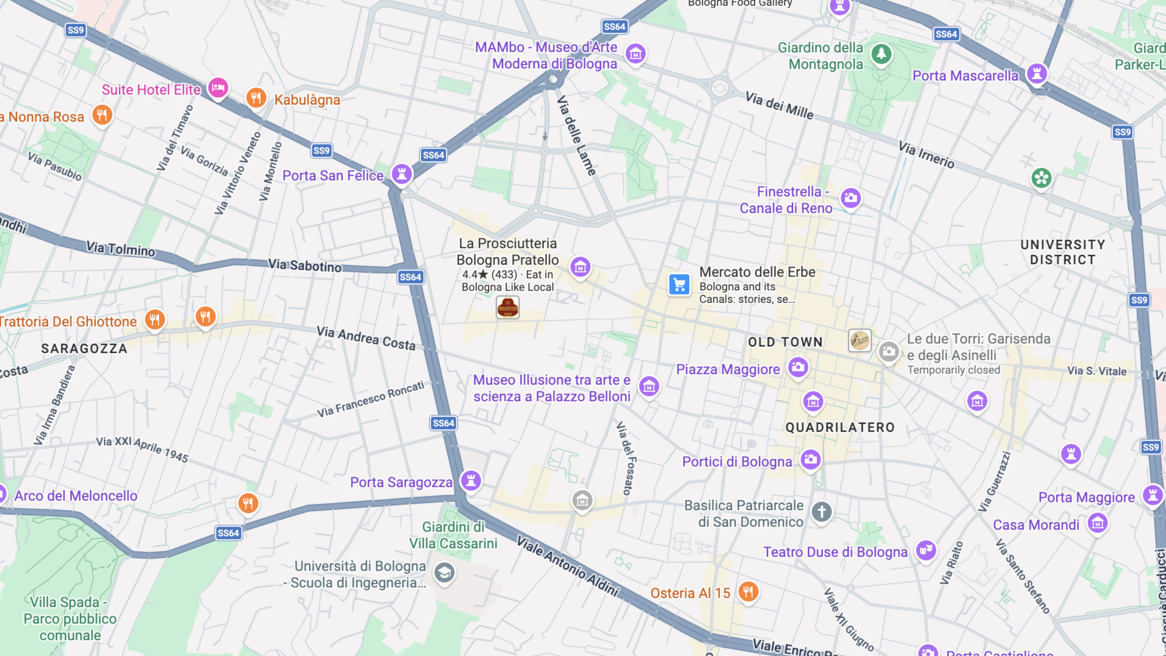

Despite being a large city, the historic heart of Bologna, where you’ll uncover many of the city’s charms, is very walkable. And its many covered porticoes make it a pleasant place to explore in any weather! The majority of Bologna’s sights are in the Centro Storico: think medieval towers, impressive churches, elegant palazzos, museums and galleries, and lots of streets and squares lined with little shops, bars, cafes and restaurants. The most central square is the Piazza Maggiore, lined with beautiful, historic palazzos and one of the best places in Bologna to come for an aperitivo, a nightcap, or your morning espresso.
If you want to explore beyond Bologna’s historic heart, you could consider hiring a bike or using the city’s excellent public transport system. If you stay in the neighbourhoods of Centro Storico, or even the Ghetto Ebraico, you may find you’re within walking distance of everything. There are many pedestrianised streets, to make it even easier. Saragozza is another walkable option; it’s just outside of the historic centre, but still feels very close. The University District is livelier, but still within a pleasant walk of many of Bologna’s highlights. Bolognina and Santo Stefano are quiet neighbourhoods, with a more residential atmosphere, where you'll find green space, good transport links, and a broader range of accommodation options.
Ideal for: city breaks, first-time visitors, sightseeing, architecture aficionados, foodies, history lovers, shopping
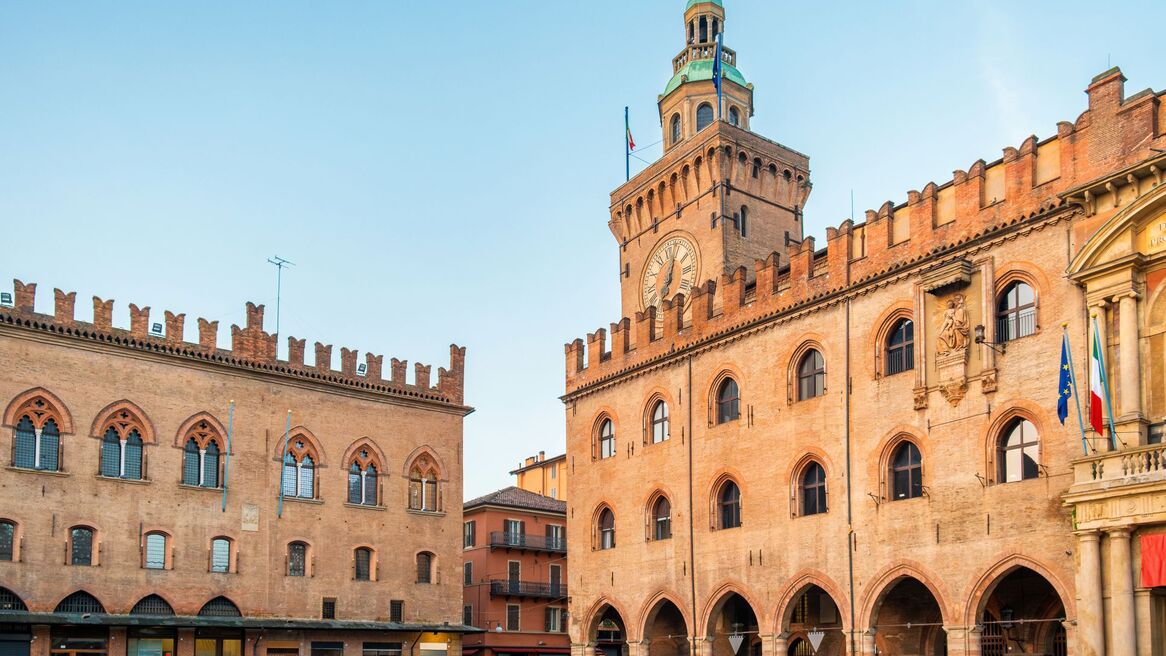
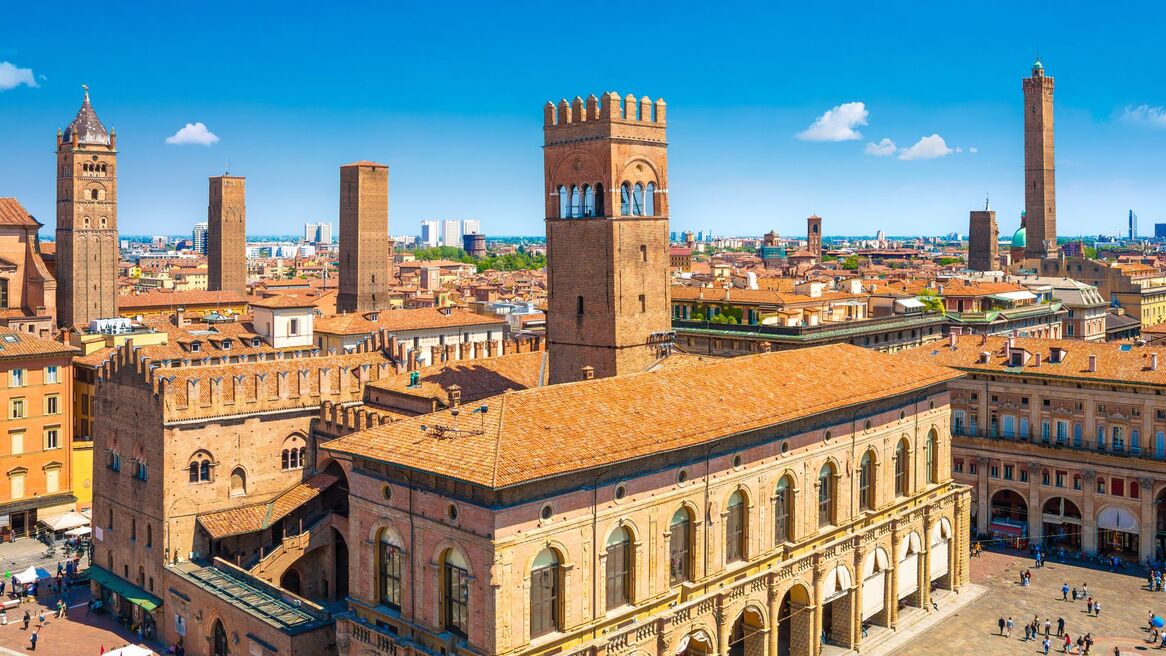
Bologna’s Centro Storico is still a neighbourhood today, in that it’s still got local residents who call it home. This gives the area a life that historic centres don’t always have. Within the city gates, amongst the historic architecture, museums and galleries, are people’s homes, and functional things like supermarkets, gyms, clinics, etc. This is all laid out along tiny alleyways and streets that open out onto surprise squares, so it can be difficult to navigate at first. Bologna isn’t as popular as cities like Milan, Venice and Rome, so it’s not as busy. The Centro Storico has sights galore, but some of the headliners are the Palazzo d’Accursio; the Basilica San Petronio (which has incredible artwork and stained glass windows); Piazza Nettuno and the Fountain of Neptune; the Biblioteca Salaborsa (which is now the public library, but definitely worth poking your head inside); the Quadrilatero, or old market; and the two towers: the higher one, Torre deli Asinelli, and the Torre Garisenda. If you pay attention, you might spot some of Bologna’s canals; it’s a large network but mostly underground.
Did you know? Bologna's two towers are an unescapable sight of the city. But did you know that one of them, the Garisenda Tower, leans at a 4° angle, which is a steeper lean than the Leaning Tower of Pisa?!
Discover our recommended hotels near Centro Storico
Explore more >
View all hotels in Centro Storico
Explore more >
Ideal for: city breaks, sightseeing, history lovers, romantics
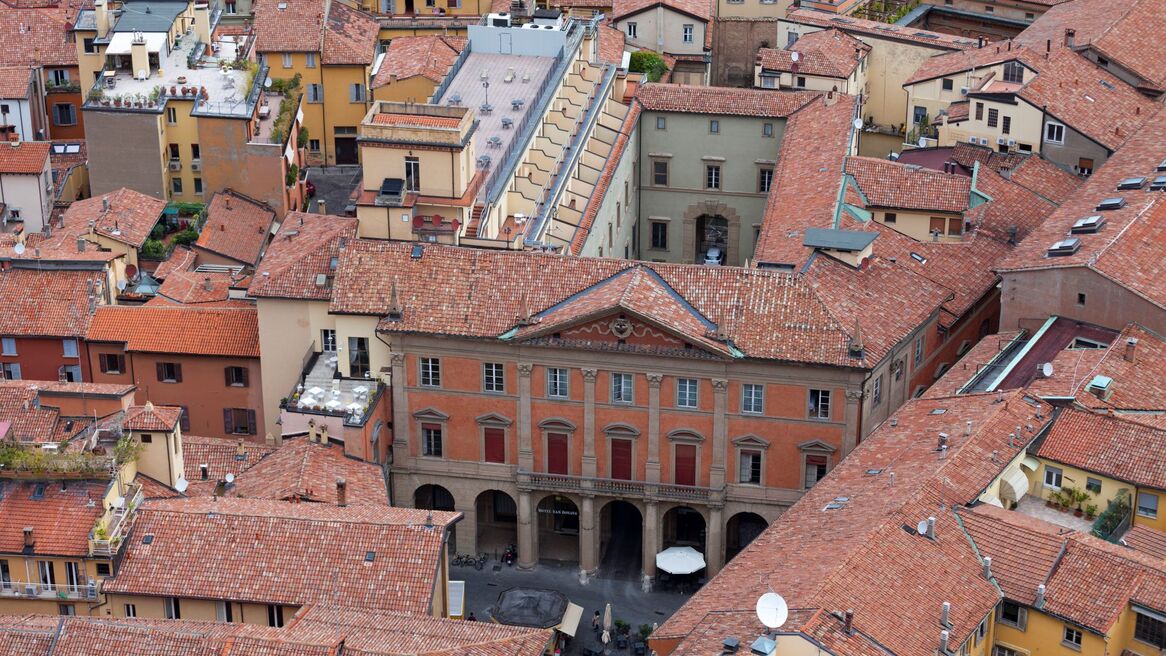
The Ghetto Ebraico is the medieval Jewish quarter of narrow passageways, hanging and arched bridges and tall, thin windows. This part of the Centro Storico is the easiest to get lost in; the streets are narrow and twist and turn everywhere you look. The hanging passageways and covered bridges were designed for protection: you could see who was coming, but the tall, thin windows were to prevent people from escaping. The ghetto used to be closed up overnight, and the guarded gates were really quite something. There’s only one entrance still visible today, the Voltone of Palazzo Manzoli-Malvasia. Today the ground in front of some houses in the Ghetto Ebraico is augmented with “stumbling stones”, which are small, brass plaques that note where Jewish people from Bologna were taken from during WWII, and where they ended up. There are also numerous impressive homes and commercial spaces, and the Jewish Museum of Bologna to explore. The museum has arranged plaques around the neighbourhood too, so that you can see significant spots. These days this is a particularly picturesque and unique part of the Centro Storico. Expect guesthouses and other bijou accommodation options.
Did you know? Keep your eyes peeled for a symbol that looks like an open hand; this is the Hamsa symbol, an ancient Middle Eastern symbol that explains the commercial activities of the local area.
Discover our recommended hotels near Ghetto Ebraico
Explore more >
View all hotels in Ghetto Ebraico
Explore more >
Ideal for: city breaks, sightseeing, young travellers, history lovers, night owls, party people
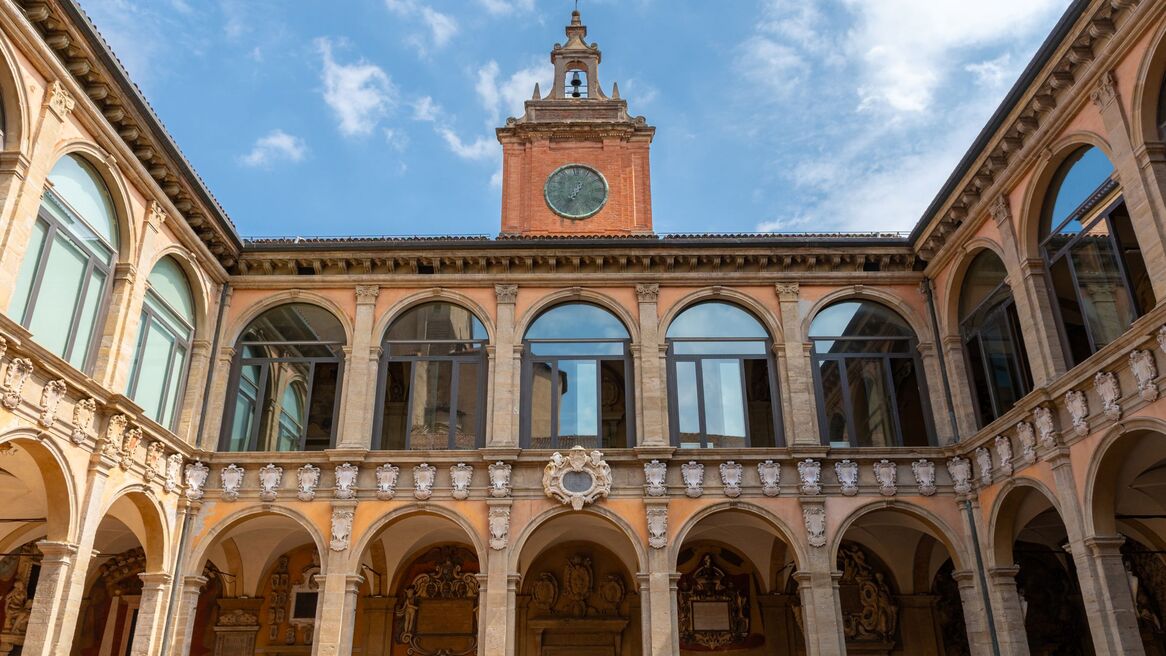
The University District is a smaller neighbourhood within the Centro Storico, starting at via Zamboni, and encircling the University of Bologna, which was founded in 1088 and is considered one of the oldest universities in Europe. But of course it’s still a university, so it’s filled with young people — around 85 thousand a year! You can expect incredible architecture: medieval libraries and lecture halls housed in incredible palazzos, but also student cafes and trattorias, lively nightlife, and streets lined with bookshops. The university has been around long enough to amass a truly prodigious collection of books and other treasures, and it has a number of fascinating museums, many of which are housed in the Palazzo Poggi. This is a real warren, so you might want to consider joining a tour to properly explore the area.
Did you know? Unlike many great and historic universities, the University of Bologna wasn't founded by a monarch or the church; it was founded as a guild of law students, who got together and hired their own teachers, and set up the rules. If you haven't finished your degree yet, don't walk under the Portico del Pavaglione on Strada Maggiore — the students here are a pretty superstitious bunch, and believe that if you do walk underneath it you won't finish your studies...
Discover our recommended hotels near the University District
Explore more >
View all hotels in the University District
Explore more >
Ideal for: families, relaxed breaks, luxury lovers
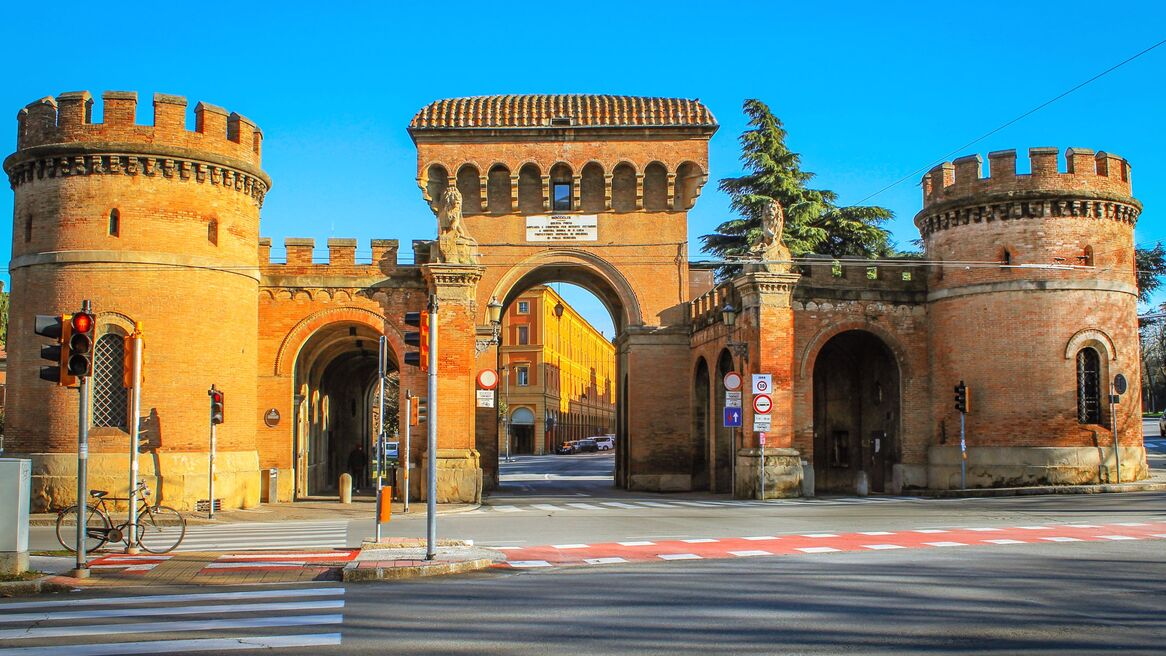
Saragozza, Colli and Murri are upmarket neighbourhoods rising into the Bologna Hills, known for their green spaces and elegant, historic villas. Saragozza is probably the best known of the three, because of its 3.8km long porticoed walk, which leads up the hill to the Sanctuary of Madonna di San Luca. It’s not only a UNESCO World Heritage Site (it was built in 1433) and a spiritual pilgrimage route, but it's also a very pleasant, and shady, way to get a great view of the city. Start at the medieval gate, Porta Sargozza, and, as you ascend, you’ll pass through lush gardens and green spaces. It takes between one and two hours, depending on how many times you stop to take photos! Saragozza’s other attractions include the Villa Ghigi and its park and the Parco della Chiusa, which are both vast green spaces. Colli is a chic and affluent neighbourhood, as is Muri. The big difference between them is the architecture: Colli offers more spacious, traditionally Italian-style architecture, while Muri has a midcentury feel. Both neighbourhoods are around 30 minutes walk to Piazza Maggiore, but there are local buses too. And lots of green space and charming boutiques.
Did you know? As well as being the longest portico in the world, the covered walk between Porta Saragozza and the Sanctuary of the Madonna di San Luca is famous for having 666 arches... which means it is often called The Devil's Portico. The number of arches was actually chosen because it represents a serpent, with the sanctuary at the top crushing its head...
Discover our recommended hotels near Saragozza, Colli & Murri
Explore more >
View all hotels in Saragozza, Colli & Murri
Explore more >
Ideal for: travellers on a budget, foodies, younger travellers, living like a local
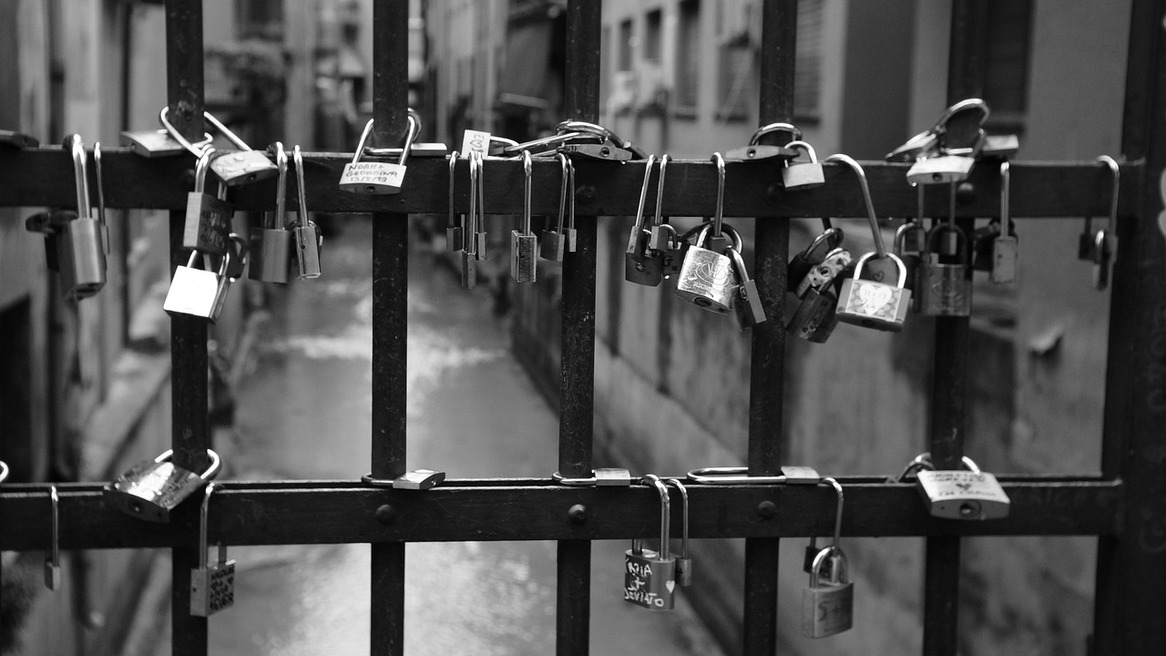 Image by awsloley from Pixabay
Youthful and multicultural, the Bolognina neighbourhood is close to the station and known for its international fusion food and street art; it’s the only local neighbourhood to have streets named after artists, both contemporary and historic. Via Alessandro Tiarini is named after a 17th century painter known for his religious themes, who was responsible for much of the art inside the local basilica, the Basilica di San Petronio.The area's largest church is known for having the largest congregation in the whole of Bologna. From a visitor’s point of view, the church’s dome, which is 60 metres tall, is a major local landmark. Other places to visit include the Mercato Bolognina food and produce market, and a meaningful holocaust memorial.
Did you know? Bolognina means "Little Bologna"
Discover our recommended hotels near Bolognina
Explore more >
View all hotels in Bolognina
Explore more >
Ideal for: city breaks, luxury lovers, foodies, sightseeing, history lovers, romantics, shopping
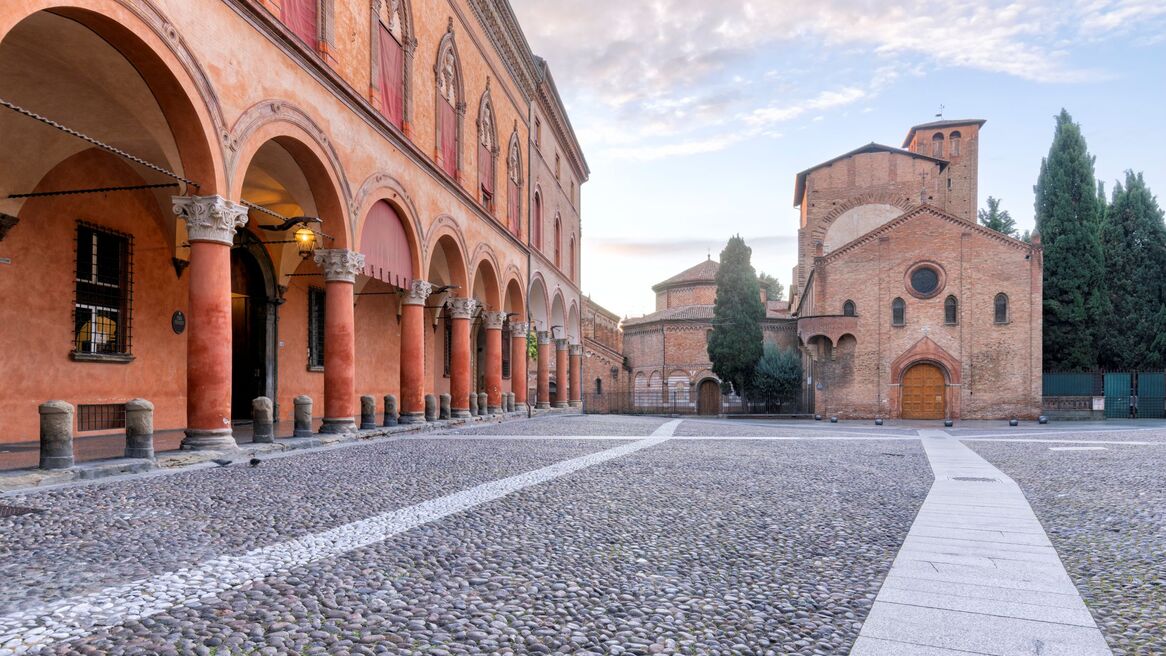
The neighbourhood of Santo Stefano is right beside the Centro Storico. Its boundaries start close to the edge of the Piazza Maggiore, so you can’t really be much more central, but the reason it deserves a separate mention is that it spreads all the way to the city's southern hills. On some maps it incorporates Colli and Murri. This is a good neighbourhood for luxury lovers, with luxurious accommodation, but also luxurious residences, and some of the fanciest boutiques and restaurants in town. The central part of the neighbourhood centres around the Piazza Santo Stefano, which is full of great places to eat and drink housed in wonderful Renaissance palazzos. This is also where you can find the area's main sight, the Sette Chiese, or Seven Churches, which is what its name suggests: seven churches in one complex, and an artistic and architectural masterpiece created over hundreds of years — each church is from a different time period. Off the Piazza Santo Stefano run covered porticos, which protect shoppers from the elements while they peruse some seriously lovely boutiques. If you stay here and you want to visit other parts of Bologna, you’ll find many of the main sights within a pleasant stroll, and good public transport links if you can't be bothered!
Did you know? Just off the Piazza Santo Stefano is a bar/restaurant called Le Stanze, which occupies the private, Renaissance-era chapel of the aristocratic Bentivoglio family. They advertise it as the opportunity to have a spritz in church, in this case beneath some impressive, centuries-old frescoes.
Discover our recommended hotels near Santo Stefano
Explore more >
View all hotels in Santo Stefano
Explore more >
Ideal for: night owls, party people, living like a local, younger travellers, meeting the locals
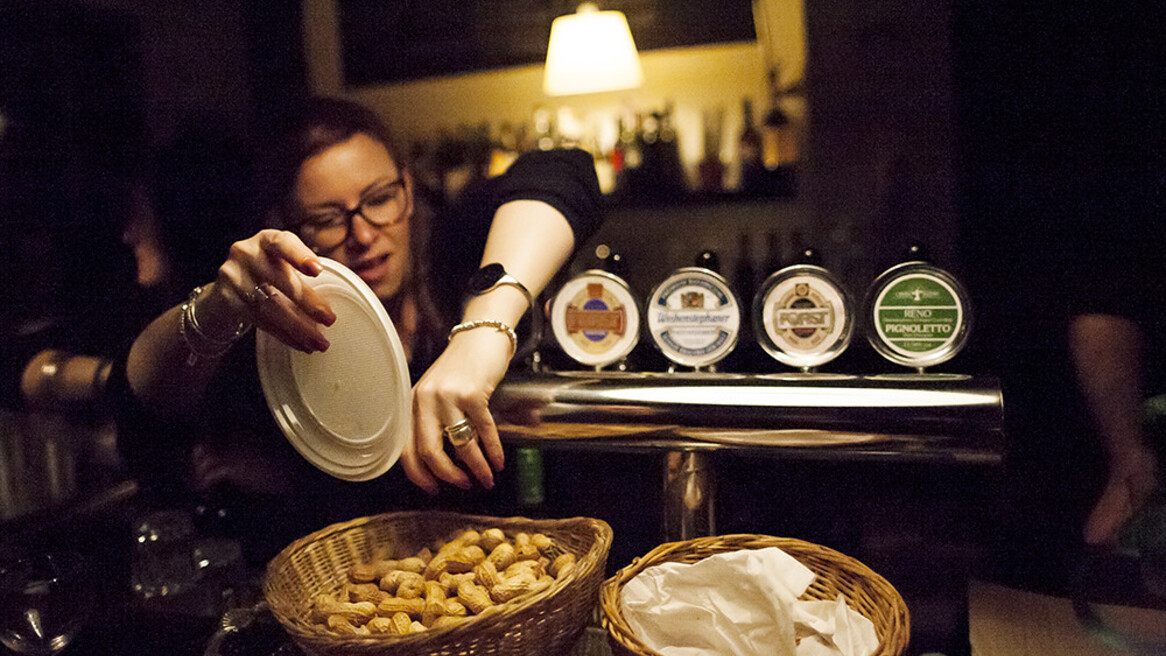
The Via Del Pratello neighbourhood is another area within the Centro Storico. It's a street, but also the area around it, which has its own special character. In this neighbourhood there are no banks or boutiques or touristy facilities; there are record shops, book shops, social clubs, pubs and bars, and a lived-in, progressive atmosphere. This is also a neighbourhood where things are made; there are studios, workshops, arts spaces and music venues. The real magic of Via Del Pratello happens in the evenings, when it becomes a living reminder of the traditions of nightlife in Bologna. Expect the sharing of ideas and good humour!
Did you know? There's a Juvenile Court and Prison in the middle of the street, at 34-36, housed in a former Franciscan convent.