
 Image by Satish5459 from Pixabay
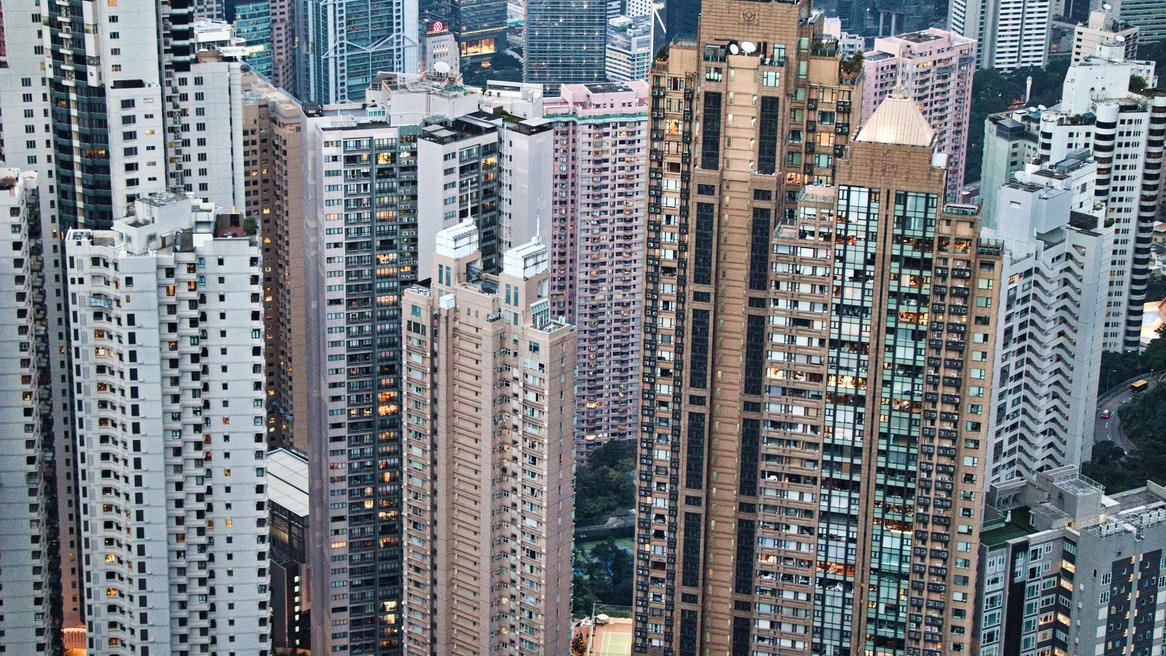
Always bright and exciting, Hong Kong is a city of great contrasts. Frenetic with human activity and commerce, it also has its pockets of serenity. Even within the whirl of shopping and eating and exploring, you’ll discover Tai Chi in the park, and time for a formal afternoon tea. Despite being one of the most densely populated places on the planet, Hong Kong’s forest of glittering skyscrapers isn’t its only forest; around 70% of Hong Kong’s land is country parks — some pretty mountainous and covered with trees.
The city part runs along the Kowloon Peninsula and the opposite stretch on Hong Kong Island. Tsim Sha Tsui, on Kowloon Island, is one of the key neighbourhoods for visitor attractions. Hong Kong Island is where you’ll find more of Hong Kong’s colonial-era attractions, including the tram to Victoria Peak, and where you’ll hear the most English spoken. Kowloon has the traditional markets, the temples and Kowloon Park.
There’s a huge range of accommodation on both sides of the bay, and Hong Kong’s neighbourhoods are very different from each other, so it’s worth shopping around for the right neighbourhood, as well as the perfect accommodation.
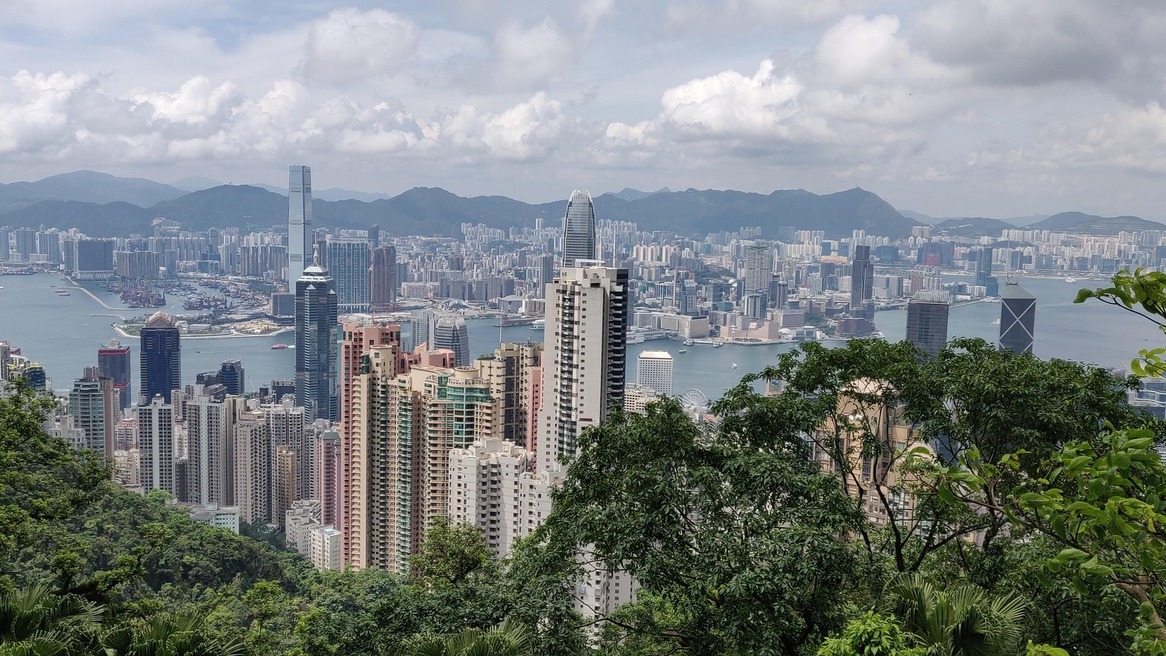
Central, or Central District, is Hong Kong’s main business hub, and home to some iconic architecture. The International Finance Centre is futuristic, the Court of Final Appeal Building may sound staid, but looks anything but! City Hall, Flagstaff House and the Theatre Royal were all built early on, between 1880 and 1860. And then there are the skyscrapers! There are a huge number of corporate headquarters in Hong Kong’s Central, but there are also some great hotels. Central is also a major transport hub. And there are a myriad of places to eat, drink and shop. Start at the Central Market, or the former police compound at Tai Kwun, which is also a great place to see some live art, or static art. When it comes to major local sights don't miss the Hong Kong Maritime Museum, the Zoo and Botanical Gardens, and don’t feel as if you’re too cool to try out the Central to Mid-Levels escalator, which is the world’s longest covered escalator, or miss out on the ride up to Victoria Peak — the views of the city and its harbour are incredible! Central is the sort of place where you’ll find something new to see with every visit.
Ideal for: City breaks, foodies, first-time visitors, sightseeing
Discover our recommended hotels near Central Hong Kong
Explore more >
View all hotels in Central Hong Kong
Explore more >
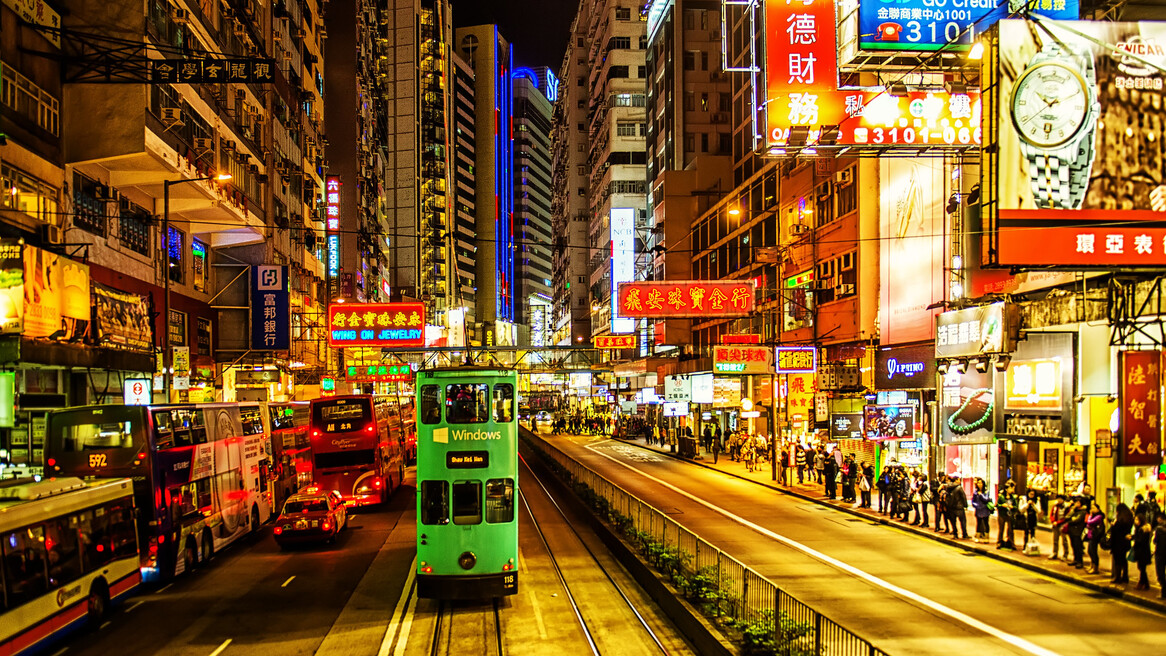
If Hong Kong is a shopper’s city, Causeway Bay is its commercial heart, a lively, rainbow-coloured hub of malls, boutiques and plenty of glittering, sky-scrapers. From high fashion to street style from street markets, Causeway Bay knows style. And electronic gadgets, and toys, and everything you can imagine. You don’t need to restrict your retail trawling to the daylight hours; in Causeway Bay nighttime opening hours are perfectly normal, and there are a myriad food and drink offerings dotted throughout to make sure you don’t actually shop until you really drop. From Michelin-starred restaurants to street food, Causeway Bay has the full range, and in a range of cuisines just as varied. But Causeway Bay isn’t entirely awash with the exciting and new; there are still a few remnants of when this was a fishing village, including a temple dedicated to the Goddess of the Sea, and Hong Kong’s largest public park, Victoria Park. There’s also a bronze statue of Queen Victoria, and the old cannon, the “Noon Day Gun” to spot.
Ideal for: Shopping, city breaks, foodies, first-time visitors
Discover our recommended hotels near Causeway Bay
Explore more >
View all hotels in Causeway Bay
Explore more >
 By WiNG - Own work, CC BY-SA 3.0
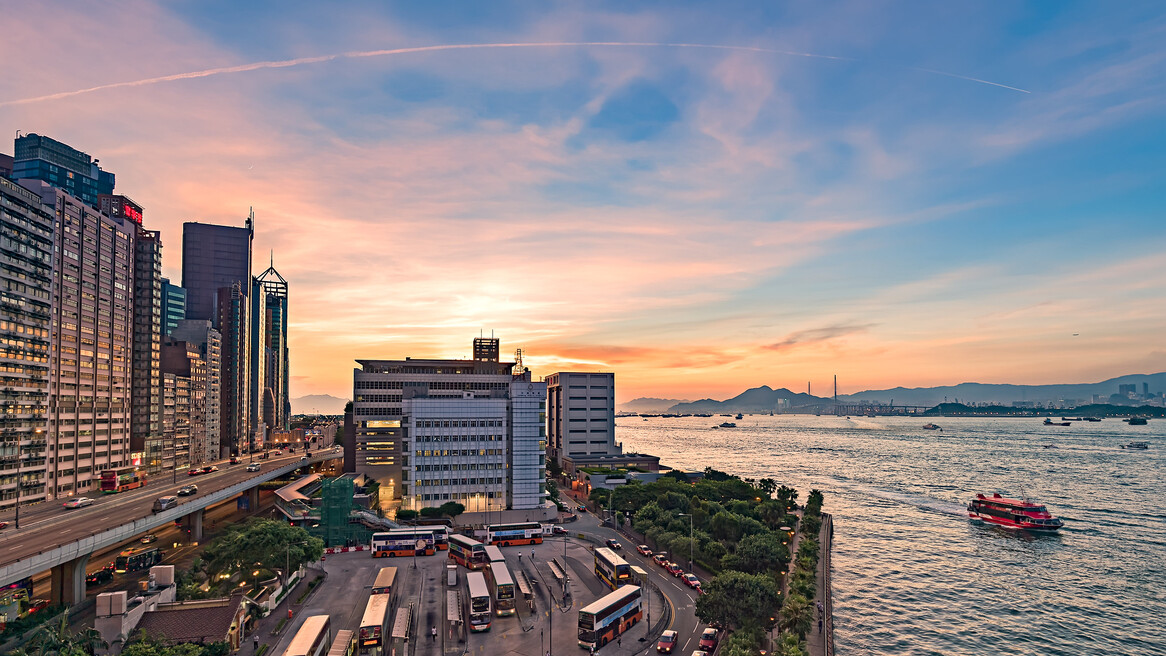
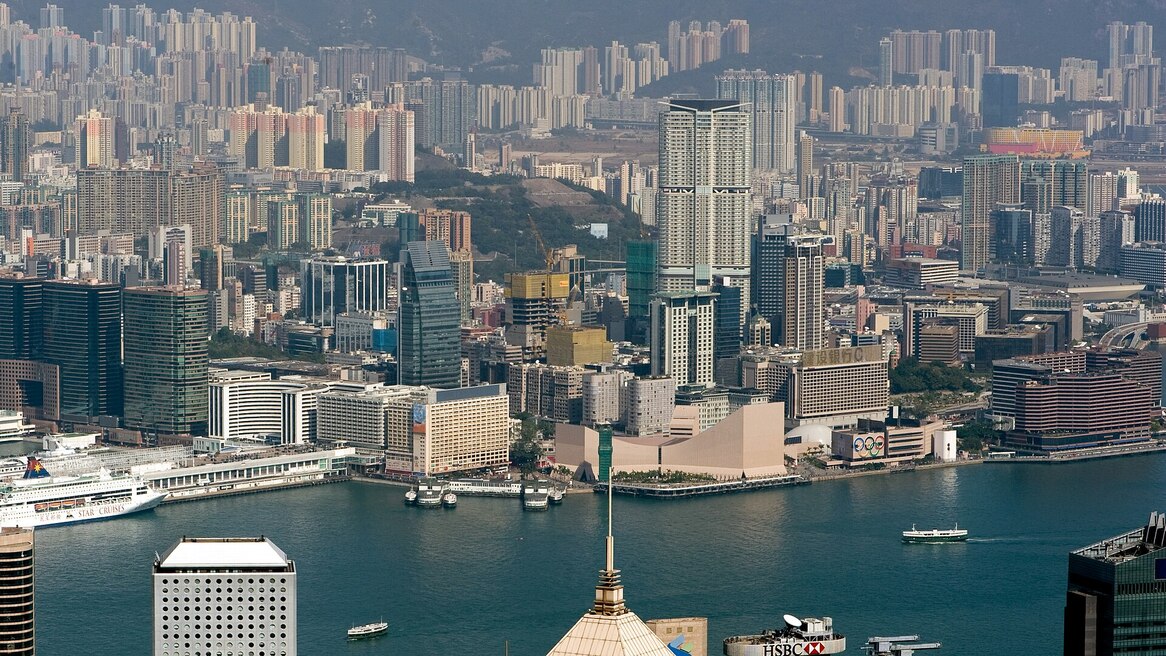
Tsim Sha Tsui sits directly opposite Causeway Bay, offering incredible views of the water, and the skyline of Central. This is a good place to stay if you want to see Hong Kong’s major sights: the Hong Kong Museum of Art, the Hong Kong Space Museum, the Avenue of Stars and the Railway Clock Tower. And of course Tsim Sha Tsui Promenade’s own ‘Symphony of Lights’ at 8pm — the world’s largest permanent sound and lighting show, that lights up Hong Kong harbour. And you’re just a ferry ride from Hong Kong Island’s highlights too. Tsim Sha Tsui is another great foodie base; great because of the range of cuisines, and format, from street market stalls to Michelin-starred restaurants. Tsim Sha Tsui is a good choice if you want to start with a Michelin-starred meal and stay in a five star hotel — there are lots of lovely luxury hotels in this neighbourhood.
Ideal for: City breaks, sightseeing, luxury lovers, shopping, families
Discover our recommended hotels near Tsim Sha Tsui
Explore more >
View all hotels in Tsim Sha Tsui
Explore more >
Wan Chai used to be the red light district, but it’s a reformed character now: lively, but trendy and desirable. While still being just a few blocks from the skyscrapers of Central. The colonial-era architecture feels graceful again, and the markets now have a traditional, rather than seedy edge. Wan Chai Market is one of Hong Kong’s best wet markets, very popular with foodies; while Spring Garden Lane is great for fashion, and Tai Yuen Street is good for toys. When it comes to local sightseeing, keep your eyes peeled for the Blue House, a beautifully preserved tenement block, the Pak Tai Temple, and the Hong Kong Arts Centre. Wan Chai’s view-rich waterfront promenade is popular with families. Wan Chai is well known for its coffee houses and boutique hotels now too, and it’s a good neighbourhood for strolling around and seeing what's around the next corner; expect plenty of stairs and steep inclines, though.
Ideal for: Living like a local, families, foodies, city breaks
Discover our recommended hotels near Wan Chai
Explore more >
View all hotels in Wan Chai
Explore more >
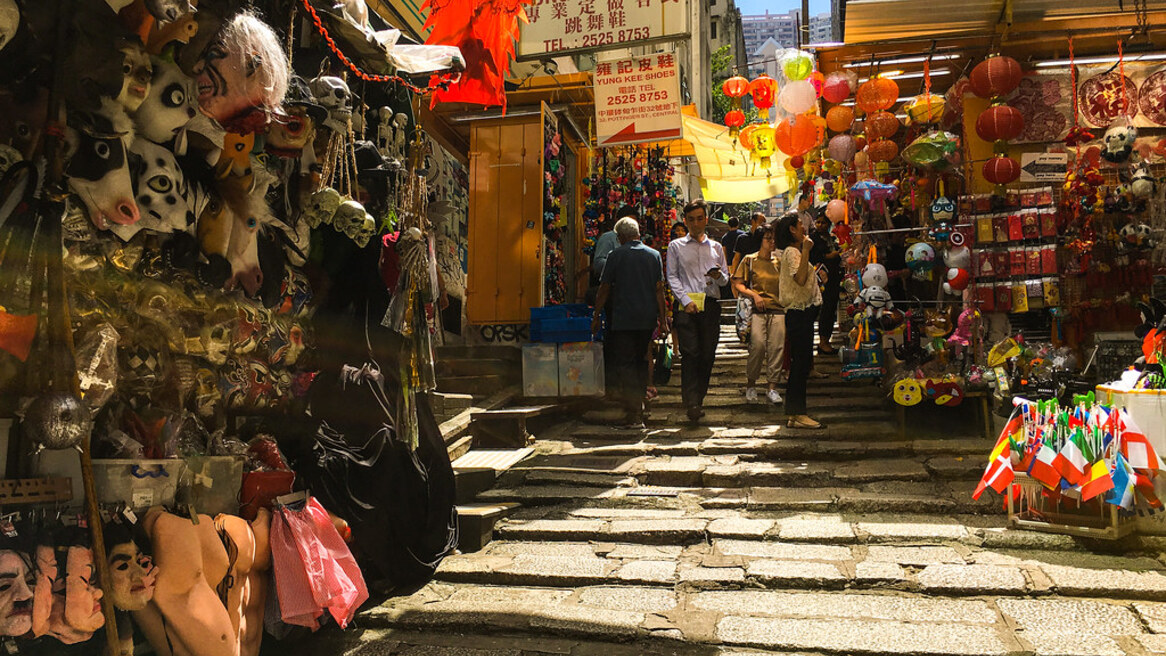
Sheung Wan is a trendy neighbourhood neighbouring Central, with lots going on and lots to look at (including 30+ buildings of historic architectural note).This is one of the oldest neighbourhoods in Hong Kong; it was once the coffin-store district, but now it’s one of Hong Kong’s most up-and-coming neighbourhoods with galleries, boutiques, antique and vintage shops, contemporary design stores and a raft of trendy places to eat and drink whatever the time of day. It’s the exciting blend of contemporary and traditional elements that makes Sheung Wan: street art in the alleyways between historic buildings, and a market that does just as well at dried seafood as it does hip coffee.If you want to sightsee further, visit Man Mo Temple, and the Liang Yi Museum, which is one of the largest private museums in Hong Kong. Accommodation is as varied as everything else in this district, but this is a good neighbourhood for boutique hotels and aparthotels.
Ideal for: Hipsters, living like a local, art and design lovers, foodies
Discover our recommended hotels near Sheung Wan
Explore more >
View all hotels in Sheung Wan
Explore more >
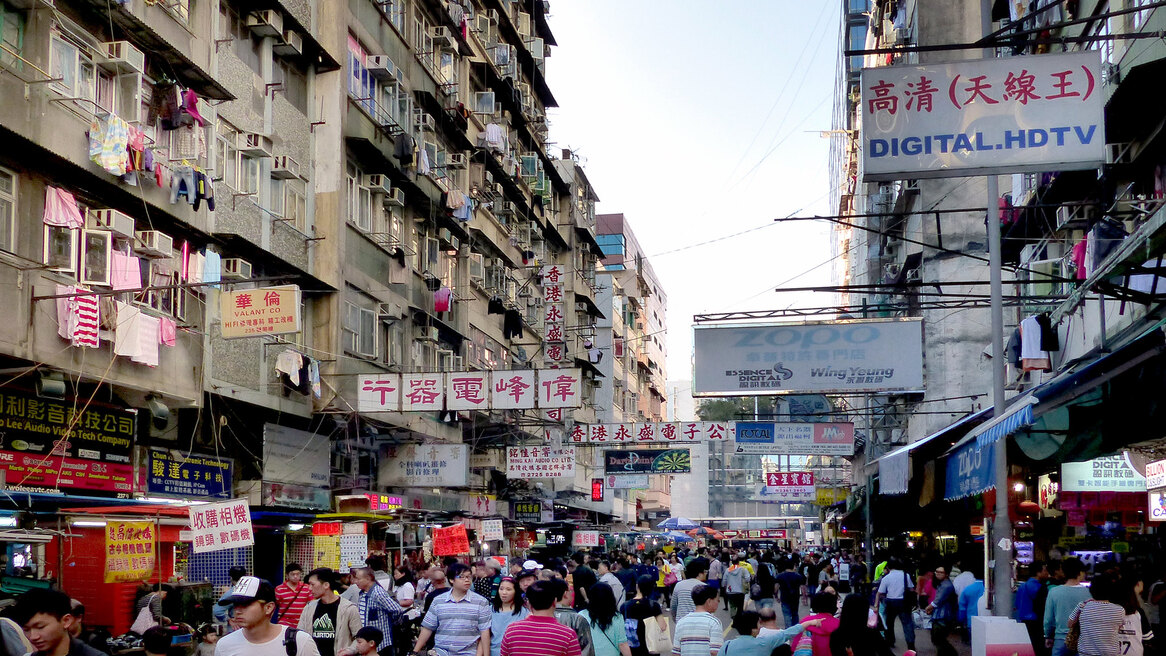
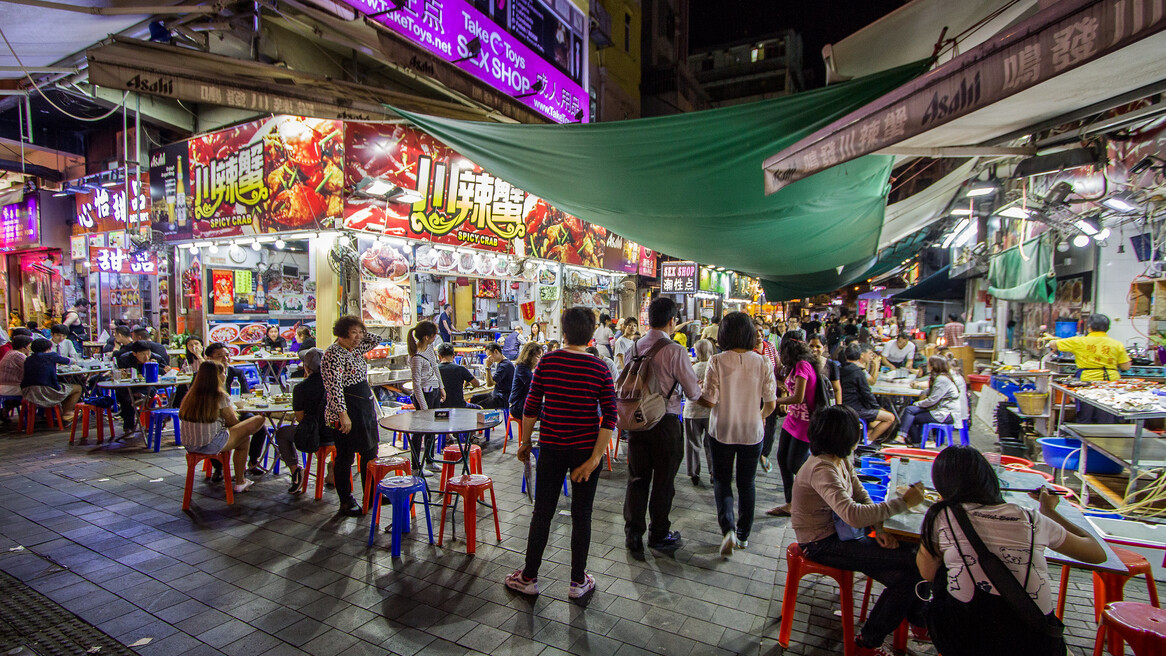
Mong Kok has a reputation for being one of Hong Kong’s best value neighbourhoods, from its accommodation, to food to shopping. It may overwhelm at first — this is where locals shop too.The rainbow-coloured neon signs and bustle, when mixed with steaming street food, are a heady concoction. But stick with it and you’ll soon find your way around. Mong Kok is the antithesis of Hong Kong’s glittering air-conditioned shopping malls; this is a low-rise maze of colourful street markets and buzzing bazaars. The perfect place to shop for live animals (try Yuen Po Street Bird Garden, or Goldfish Street) or beautiful silk clothing (try Tung Choi Street, the Ladies Market).
Ideal for: Travellers on a budget
Discover our recommended hotels near Mong Kok
Explore more >
View all hotels in Mong Kok
Explore more >
If you’re looking for the traditionally Chinese neighbourhoods of Hong Kong, Yau Ma Tei should be around the top of your list. This is an area of old family-run businesses, Chinese medicine stores, and colourful old street markets. The Jade Market is a great example, as is the Temple Street Night Market. Local sights include the Tin Hau Temple (one of Hong Kong’s largest and best known), the Sky100 Observation Deck, the Reclamation Street Market, the Yau Ma Tei Theatre, and the Yau Ma Tei Police Station. Yau Ma Tei is only a short walk from the harbour, too.
Ideal for: Living like a local, night owls, travellers on a budget, staying somewhere different
Discover our recommended hotels near Yau Ma Tei
Explore more >
View all hotels in Yau Ma Tei
Explore more >
Lan Kwai Fong comes to life at night! After dark all of Hong Kong seems to flow through its streets, dipping into the fresh new bars, clubs and restaurants of this neighbourhood. Expect to meet expats, city workers, tourists and hipsters alike, as folk unwind on their way from one place to another. The neighbourhood centres around one street: Lan Kwai Fong, but expands into the streets and passages around it, running up the hill so that some of the venues have fantastic views from rooftop bars and balconies.
Ideal for: Night owls, party people
Discover our recommended hotels near Lan Kwai Fong
Explore more >
View all hotels in Lan Kwai Fong
Explore more >
Sai Ying Pun is a slowly gentrifying neighbourhood that’s quietly become one of the coolest in the city. Reasonable rents and a great location mean that hipsters and young professionals have moved in, and the cafes, bars and restaurants haven’t been long behind. This is easily one of the best neighbourhoods for coffee in Hong Kong. Sai Ying Pun has a really great offering of old and new, so amongst the design stores, galleries and trendy boutiques, you’ll find wet markets and traditional sellers, like the Bamboo Steamer Company. Don’t skip Art Lane, either.
Ideal for: Hipsters, travellers on a budget, living like a local