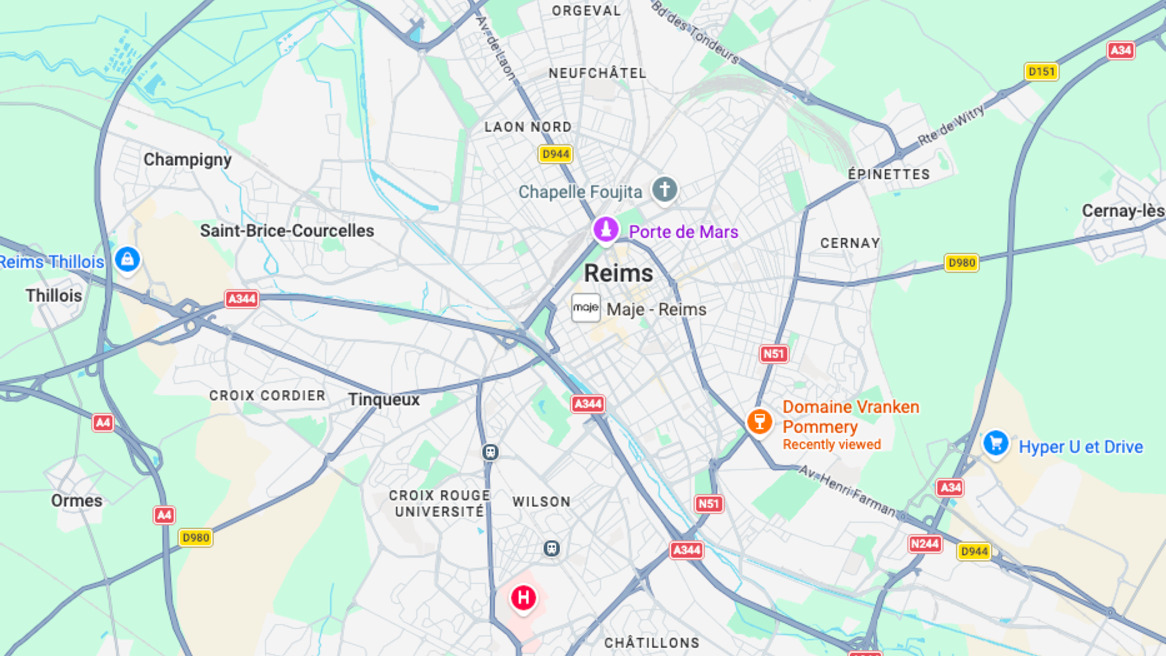

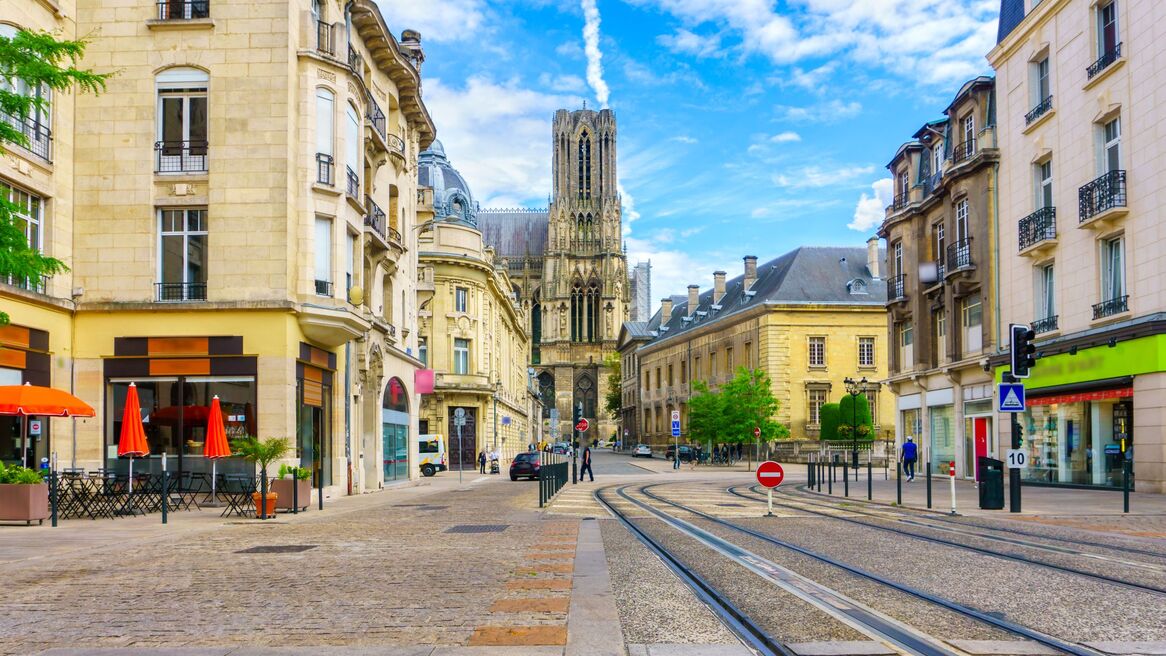
Reims is a lively city at the heart of Champagne, with a mix of grand history, Art Deco architecture and, of course, lots of bubbles. The magnificent Notre-Dame Cathedral is a big draw, while the city’s Champagne houses offer tours and tastings in underground chalk cellars. There are great restaurants, leafy parks and easy access to the surrounding vineyards, making Reims a fun base for exploring the region. Fun fact: around 30 French kings were crowned here (though only 25 in the current cathedral).
Reims is small and easy to explore, but each of its neighbourhoods has a slightly different feel. The Cathedral Quarter is the most obvious choice for first-timers, with Notre-Dame, the Palais du Tau, pretty squares and plenty of restaurants on your doorstep. Hotels here range from smart boutique stays to upmarket options, making it the most convenient base for sightseeing. Around Place d’Erlon and the Station, things are livelier, with cafe terraces, bars, shops and the pedestrianised square providing plenty to do after dark. The station is close by too, so this is a practical spot for short stays, and generally has a good mix of mid-range and more affordable hotels. Butte Saint-Nicaise (Saint Remi/cellar area) is all about Champagne. Wander around the basilica and museum, then visit famous underground cellars including Pommery, Ruinart and Veuve Clicquot. Accommodation is quieter and more luxurious here, with fantastic options for couples and Champagne-focused trips. Over towards Pommery and Saint-Marceaux, you’re closer to the big Champagne houses and Parc de Champagne, with a greener, more residential feel. It’s a good option if you want peace and space, with a handful of stylish hotels rather than a huge choice.
Ideal for: Historic architecture, champagne tastings, cultural trips, foodies, cathedral sightseeing
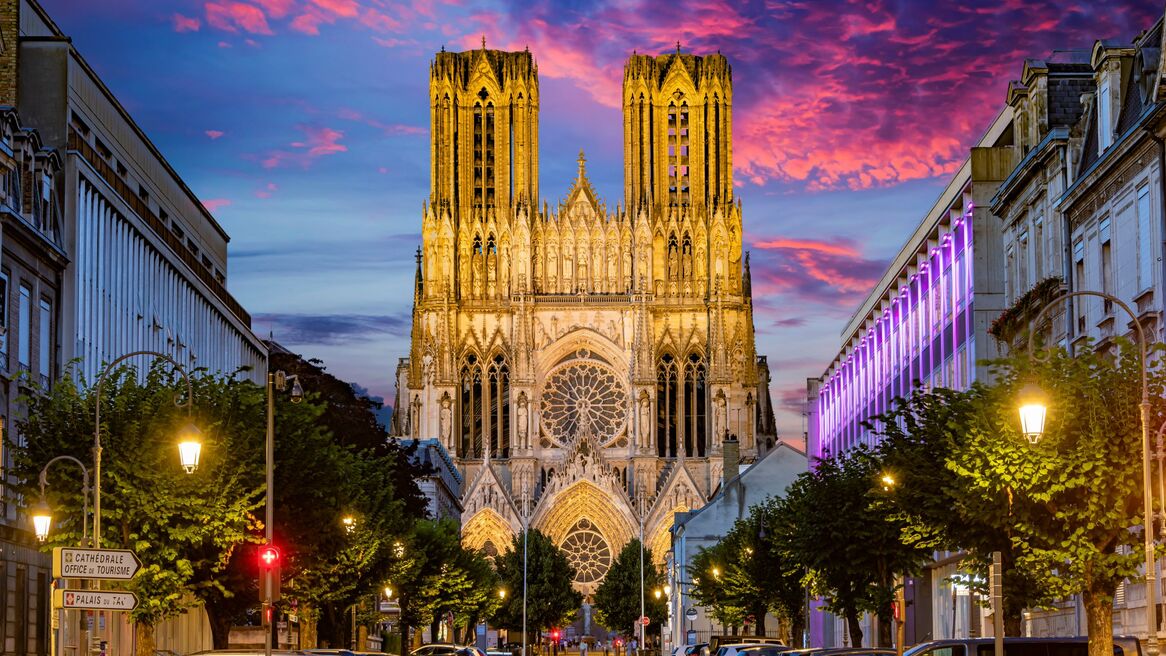
Did you know? Reims Cathedral was the traditional coronation site of French kings, with 25 monarchs crowned here between 987 and 1825. The cathedral was also badly damaged during the First World War and later restored.
Ideal for: Nightlife, shopping, train trips, cafe culture, dining out
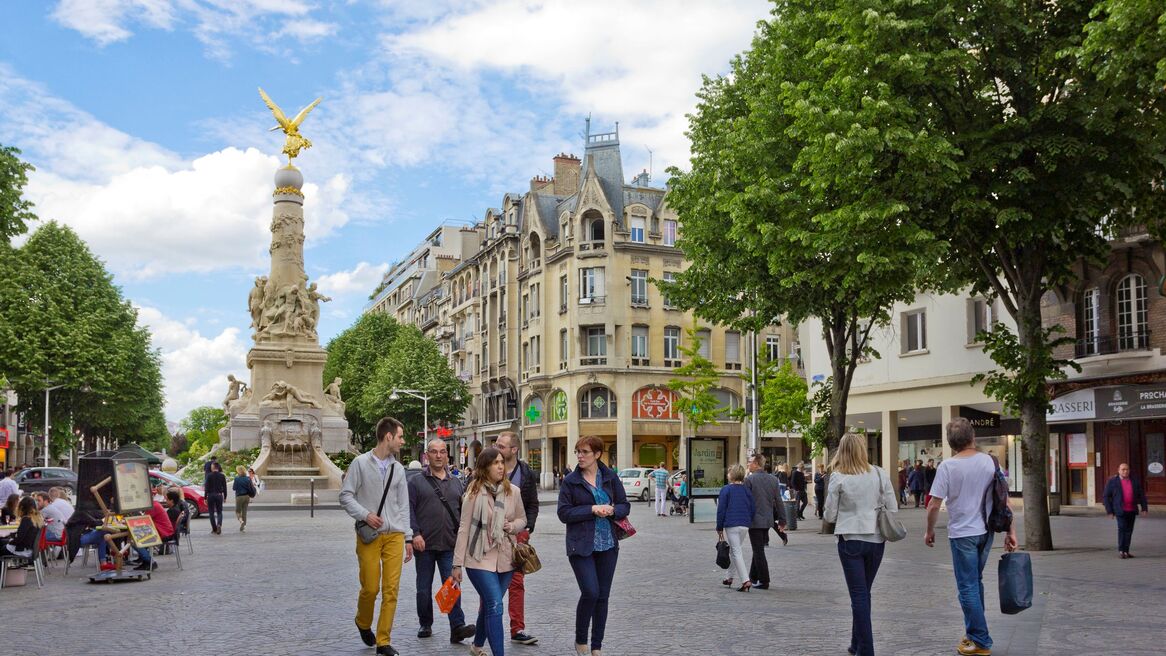
Did you know? Reims’ main railway station opened in 1858 and was built as part of the railway line connecting Reims with Paris, helping turn the city into an important transport hub for the Champagne region.
Discover our recommended hotels near Place d’Erlon/Station Area
Explore more >
View all hotels in Place d’Erlon/Station Area
Explore more >
Ideal for: Champagne tastings, cellar tours, history buffs, wine lovers, peaceful stays
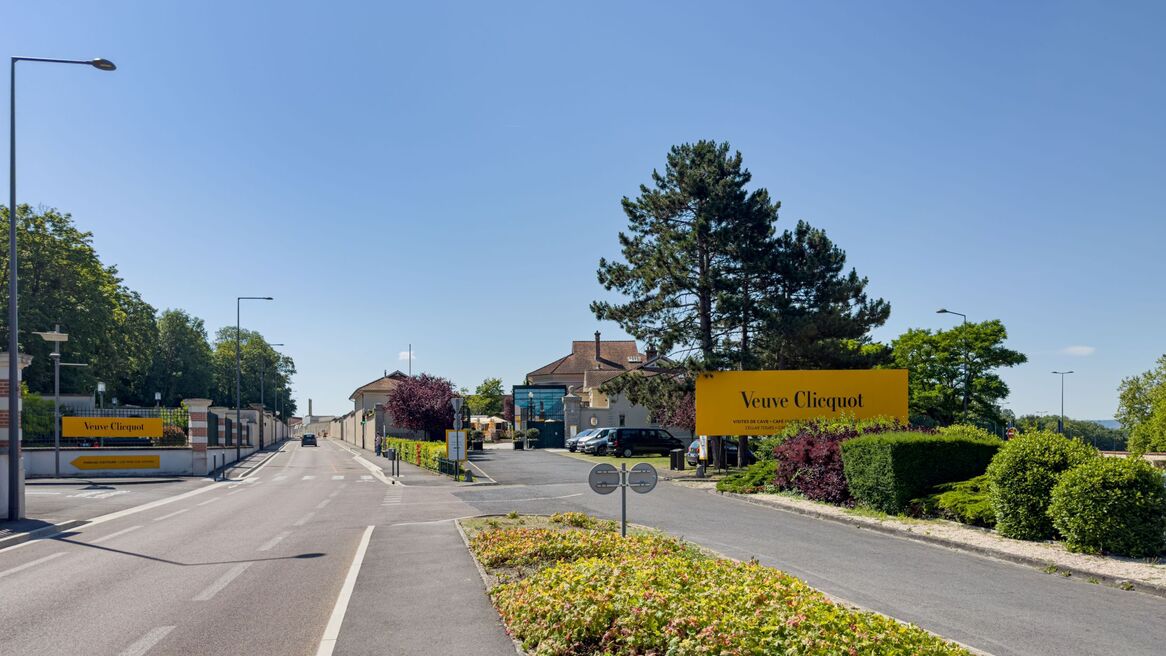
Ideal for: Cellar tours, Champagne houses, quiet stays, park walks, luxury hotels
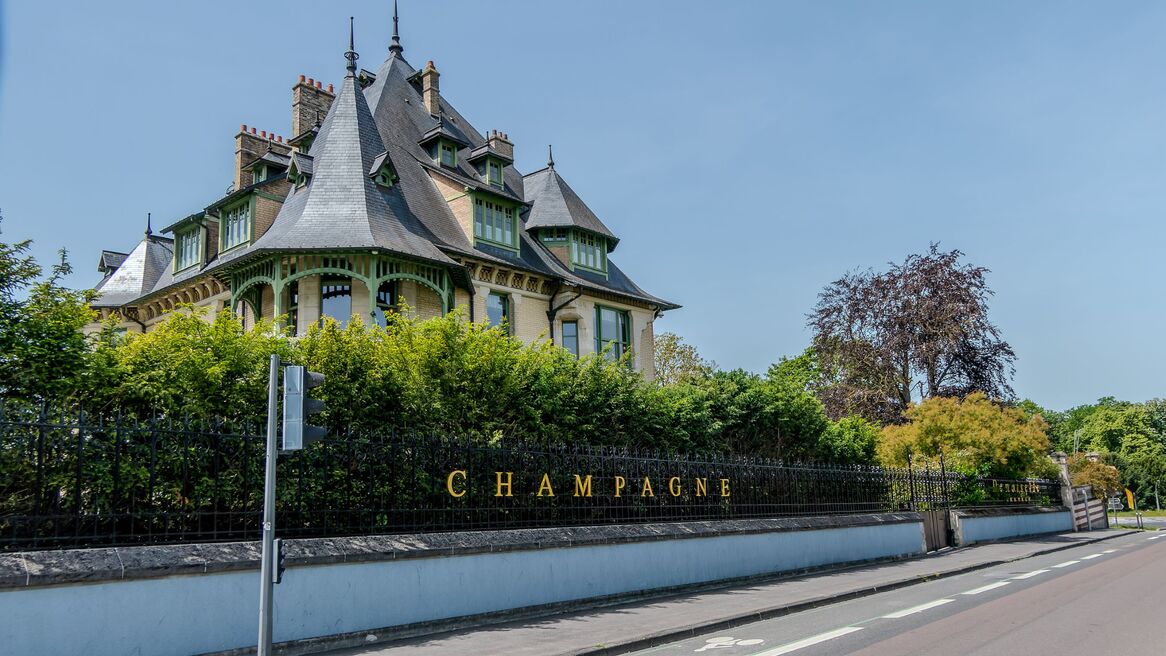
The Pommery/St Marceaux area is a good fit for Champagne lovers, couples and travellers who prefer a quieter, greener base. It’s home to famous Champagne houses including Pommery and Ruinart, where you can tour the impressive underground cellars, while the nearby Parc de Champagne is ideal for a relaxing stroll. Here you'll find mostly upmarket and stylish hotels, with a few elegant boutique options.
Did you know? Pommery’s famous estate is known for its striking blue and white Elizabethan-style château, built in the 19th century by Madame Louise Pommery. She helped establish the Champagne house’s reputation for producing the drier “brut” style that became popular internationally.