
Turin, VERY UNFAIRLY, has a reputation for being a bit work-a-day and industrial. Italy is obviously spoiled for choice when it comes to historically significant cities with incredible art and architecture, but Turin’s graceful Art Nouveau boulevards and Baroque squares and palazzos are far from dull. Turin has lots of Michelin-starred restaurants, and many just plain fantastic ones. Plus the region around the city is picturesque
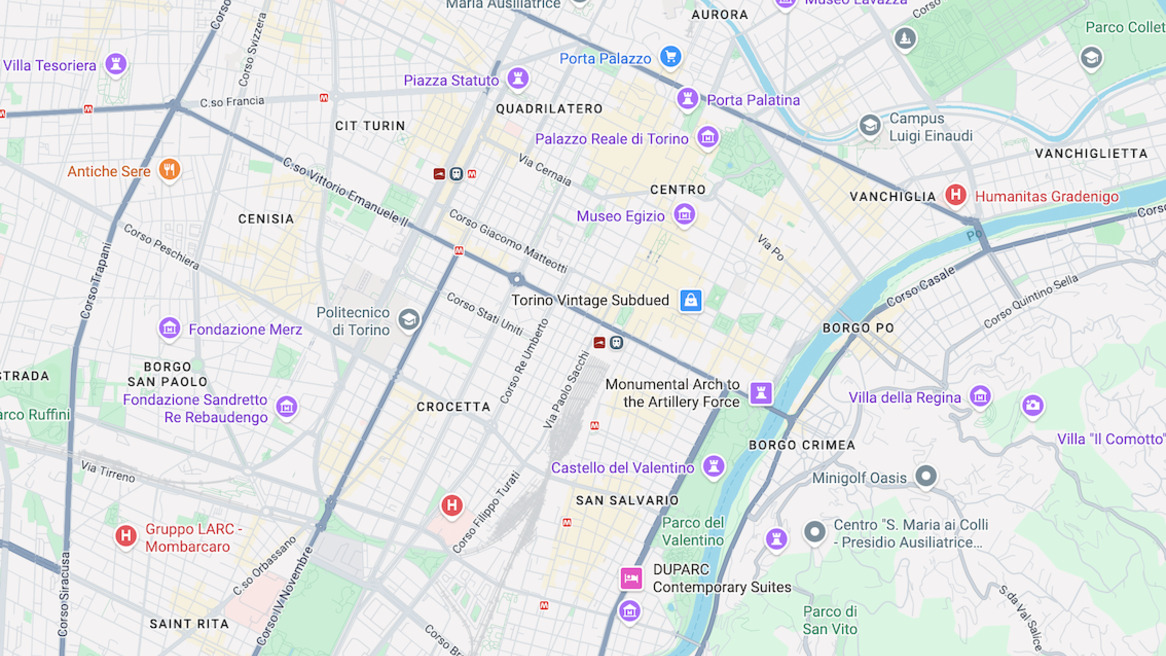
Turin is a living and working city, rather than a huge museum to itself, so there is plenty of variation between neighbourhoods. The Centro Storico is the obvious place for first-time visitors to stay, and for anyone else who wants to be within a short walk of many of the major sights, and surrounded by elegant architecture. Quadrilatero Romano is another very central and historic neighbourhood, but instead of grand boulevards and arcades, Quadrilatero Romano has narrow, cobbled alleyways lined with fantastic bars and restaurants. Foodies may also want to consider San Salvario, which is known by locals for its aperitivo scene and its impressive neighbourhood trattorias. Vanchiglia is a good neighbourhood for hipsters, with more local-loved places to eat and drink, a lively student population, and great value accommodation options. Families, or anyone looking for a peaceful area to stay in, might like Crocetta. If you like market shopping, then Aurora is definitely for you; its Porta Palazzo hosts Europe’s largest open market, and there’s a famous flea market in the Borgo Dora quarter.
Ideal for: first-time visitors, city breaks, families, romantics, luxury lovers, shopping, sightseeing
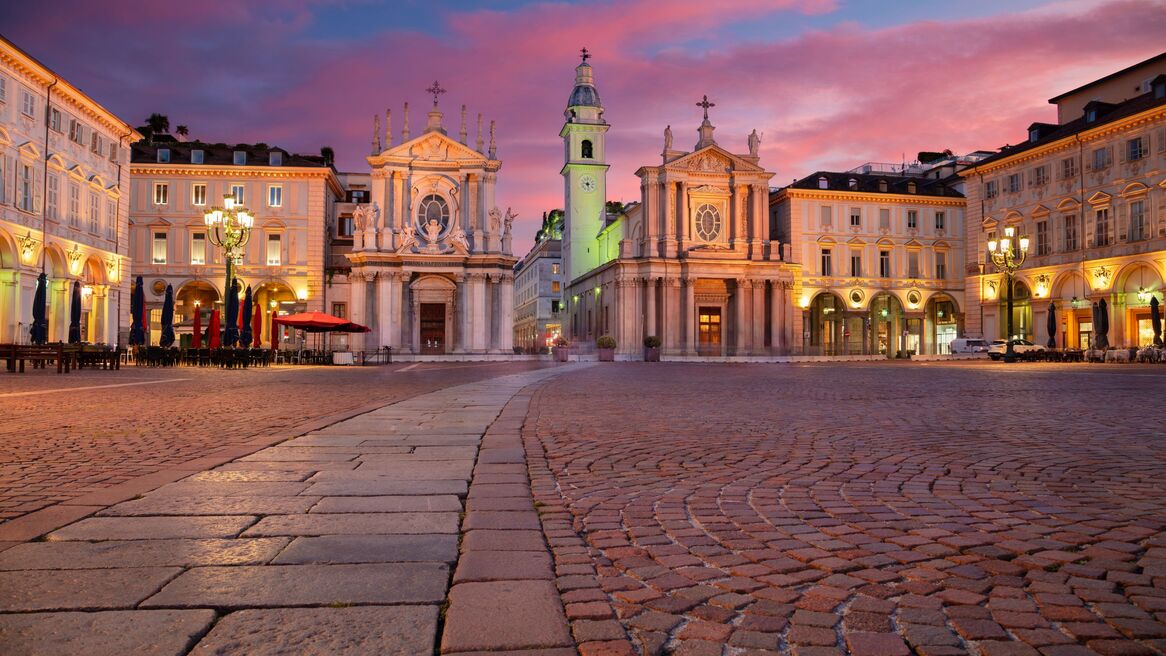
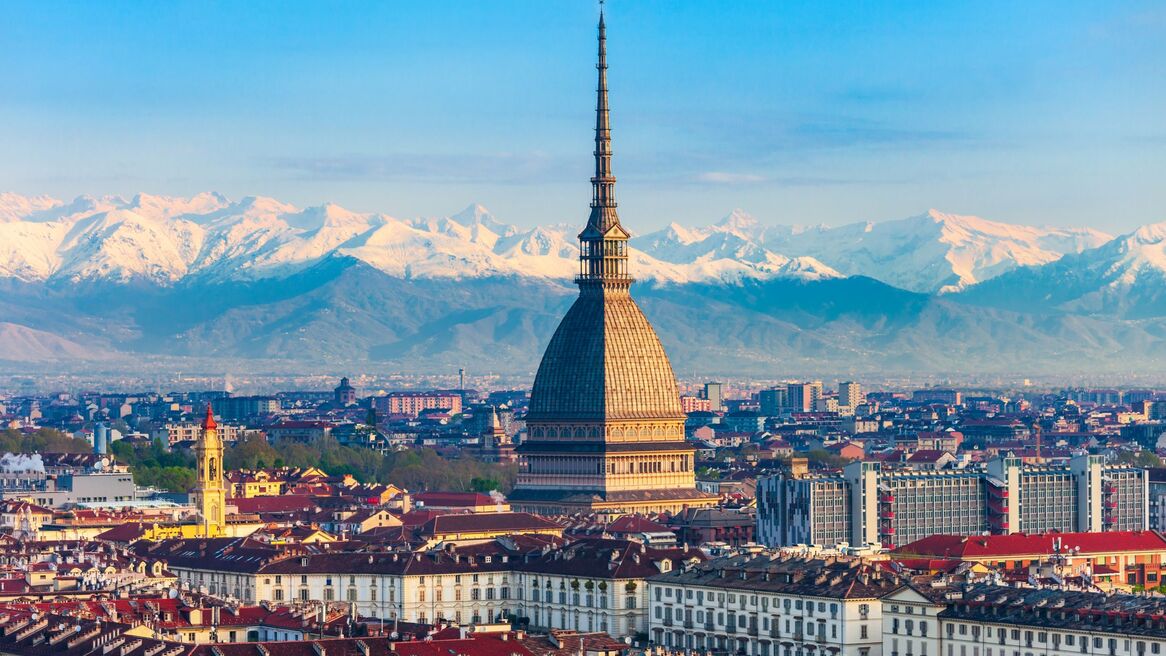
Unlike many historic centres, Turin’s Centro Storico is laid out on an almost perfectly square grid of streets, originally laid down by the Romans. Its 18 kilometres of covered arcades and porticos are probably better known, and were designed so that people could stroll around the city centre shaded from the sun, and protected from the rain. As well as the Roman influence, Turin has also been influenced by French culture; the arcades and porticos have a French Baroque look, and there’s evidence of the presence of the House of Savoy in the dialect too. Many of the palazzos in the Centro Storico were built by, or lived in by, the Savoy family, including the Palazzo Madame, which now houses an ancient art museum. Other sights to tick off your list include the Royal Palace and Gardens; the Duomo; the Opera House; the Royal Church of San Lorenzo; the Palazzo Carignano (inside which is the National Museum of the Italian Risorgimento); the Mole Antonelliana (inside which is the Museum of Cinema); the Museum of Oriental Art of Turin; Valentino Park, and the Piazza San Carlo, off which run some of the most beautiful of Turin’s arcades, filled with upscale shops. The liveliest place for an aperitivo in the Centro Storico is Piazza Vittorio Vento.
Did you know? Turin's Museo Egizio houses the world's second most important collection of Egyptian artefacts after the Egyptian Museum of Cairo. It was founded in 1824, which makes it the earliest Egyptology Museum.
Discover our recommended hotels near the Centro Storico
Explore more >
View all hotels in the Centro Storico
Explore more >
Ideal for: sightseeing, city breaks, couples, families, foodies, history lovers, photographers
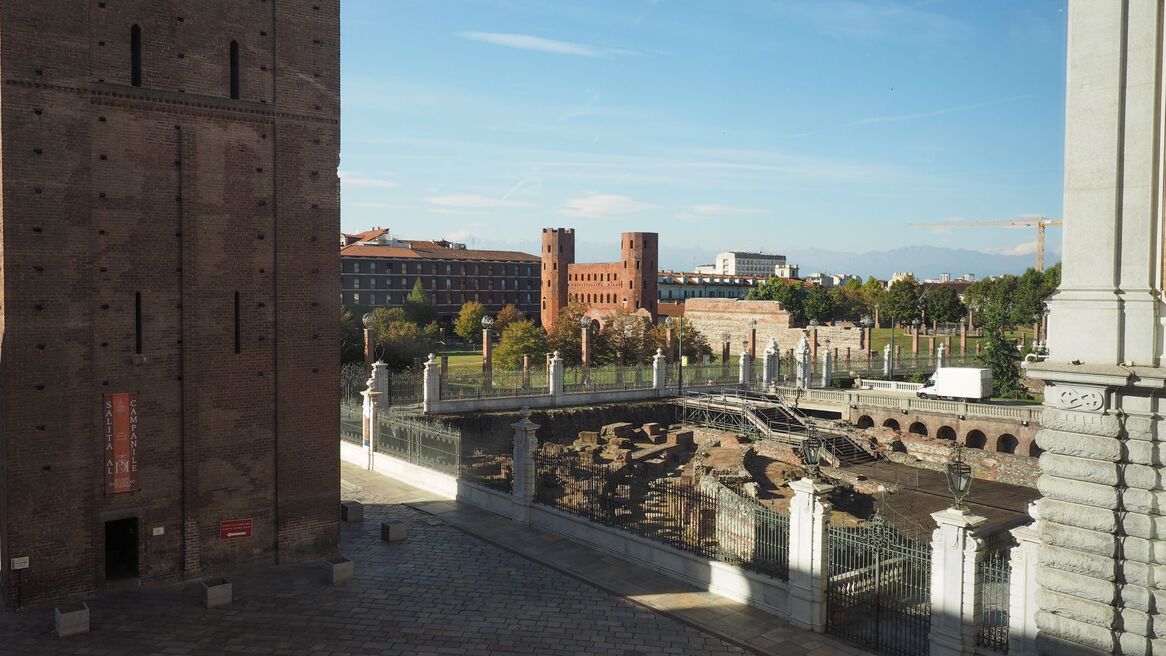
Quadrilatero Romano is part of, or adjacent to, the Centro Storico. It’s the oldest part, with 1st century foundations and Turin’s most significant Roman remains: the Porta Palatina archway, and the ancient Roman theatre. It’s also the part of the Centro Storico with the liveliest nightlife starting from aperitivo-o'clock at around 1800, and running through the evening meal - which you can take at many restaurants or traditional trattorias or osterias. The Roman grid is very present here, but the alleyways developed organically, and this is the one part of the Centro Storico where you might end up feeling a bit disorientated, but that’s definitely part of the neighbourhood’s charm. A tip is that you’ll often find a bakery at a major intersection…
Did you know? Quadrilatero Romano is where Turin's traditional bicerin comes from: a drink of liquid chocolate and espresso, and milk or cream, served in layers or separately.
Discover our recommended hotels near Quadrilatero Romano
Explore more >
View all hotels in Quadrilatero Romano
Explore more >
Ideal for: living like a local, longer stays, value seekers, sightseeing, photographers, history lovers, families, night owls
 By Flickr user Riccardo Cambiassi
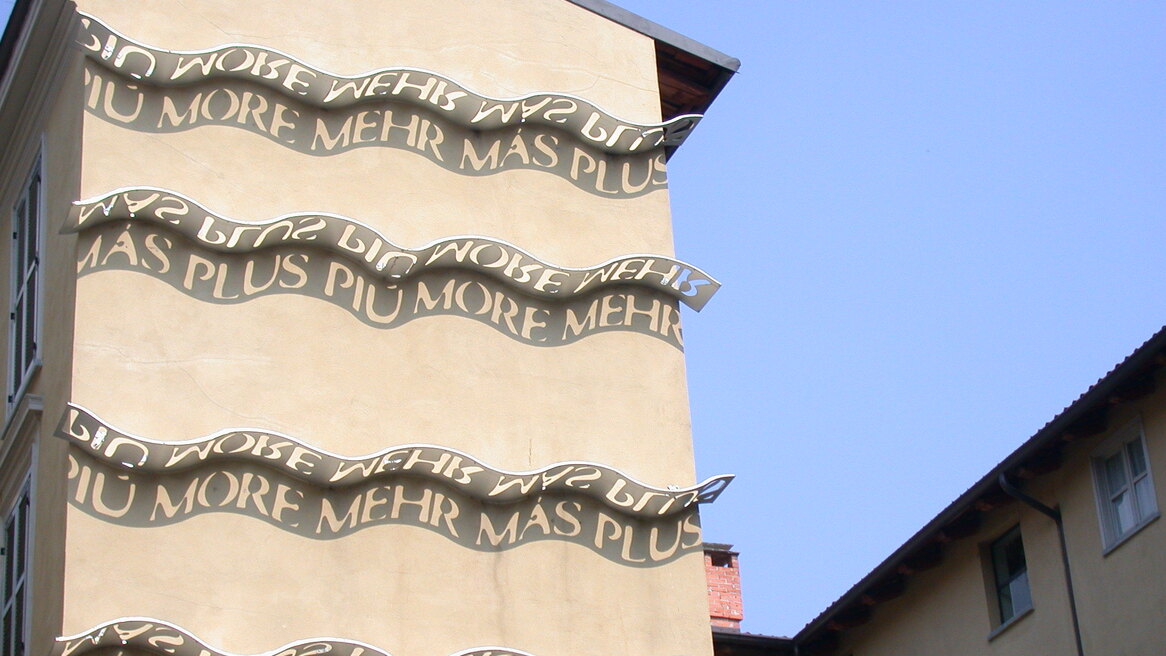
Vanchiglia is another historic neighbourhood of Turin, on the other side of the River Po from the Centro Storico. Because it’s on the opposite side of the river, it gets far fewer visitors, and offers a much less visitor-centric experience. This is a lived-in neighbourhood, with functional features, as well as gorgeous churches and squares, and plenty of memorable architecture. The trattorias, osterias and pasticcerias want customers to come back time and time again, and there’s a lively student population to serve here too. Authentic establishments rarely have an English menu, but they will explain their dishes to you with great care and pride. Vanchiglia’s alleyways are also dotted with chocolate shops and street art, and the layout here is medieval rather than a Roman grid, so you may need to draw yourself a map if you spot anywhere you’d like to come back to. Street art here follows a code: walls that look toward the river are for global issues, while the alleyways address Italian politics. It’s ever-changing, but most murals here do have a political edge.
Did you know? If you start to feel a bit lost, there's a slight slope here; up is towards the hill, and down is the river.
Discover our recommended hotels near Vanchiglia
Explore more >
View all hotels in Vanchiglia
Explore more >
Ideal for: night owls, party people, living like a local, value seekers, younger travellers, sightseeing
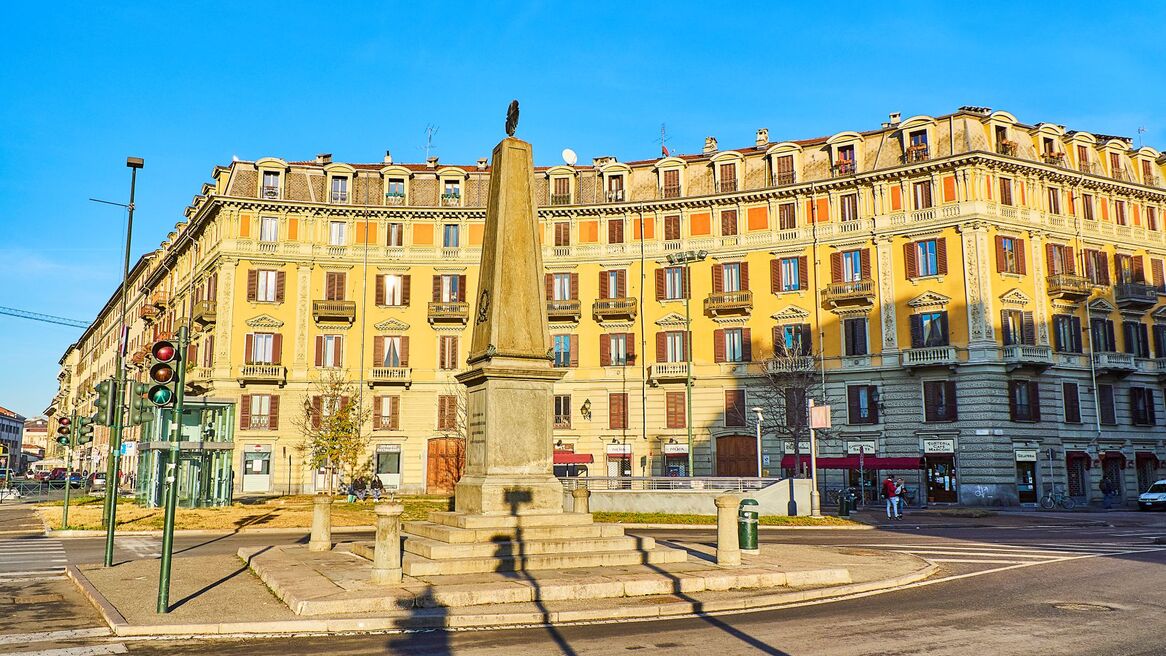
San Salvario is another popular neighbourhood for international students, with easy access to the green spaces of Valentino Park, affordable accommodation and food and drink options, and lively nightlife that’s fairly centralised to Via Madame Cristina and Via Saluzzo. If you’re thinking more towards aperitivo, go to Via Sant’Anselmo and Via Giuseppe Baretti. Being close to Valentino Park connects you to the Centro Storico, which is just past the botanical gardens, or you can stroll along the river. So this is a good base for sightseers too. You can start by seeing the Valentine Castle, now home to the university’s Faculty of Architecture, and the Cesare Lombroso Museum. San Salvario’s open-air market in the Piazza Madame Cristina is worth checking out; some days you’ll find produce, while on others there are vintage treasures and antiques.
Did you know? The San Salvario neighbourhood is actually an official open-air art museum, called the Urban Art Museum; many of the works here are designed to be part of the scenery, not always jumping out at you.
Discover our recommended hotels near San Salvario
Explore more >
View all hotels in San Salvario
Explore more >
Ideal for: city breaks, relaxed breaks, luxury lovers, living like a local, shopping opportunities
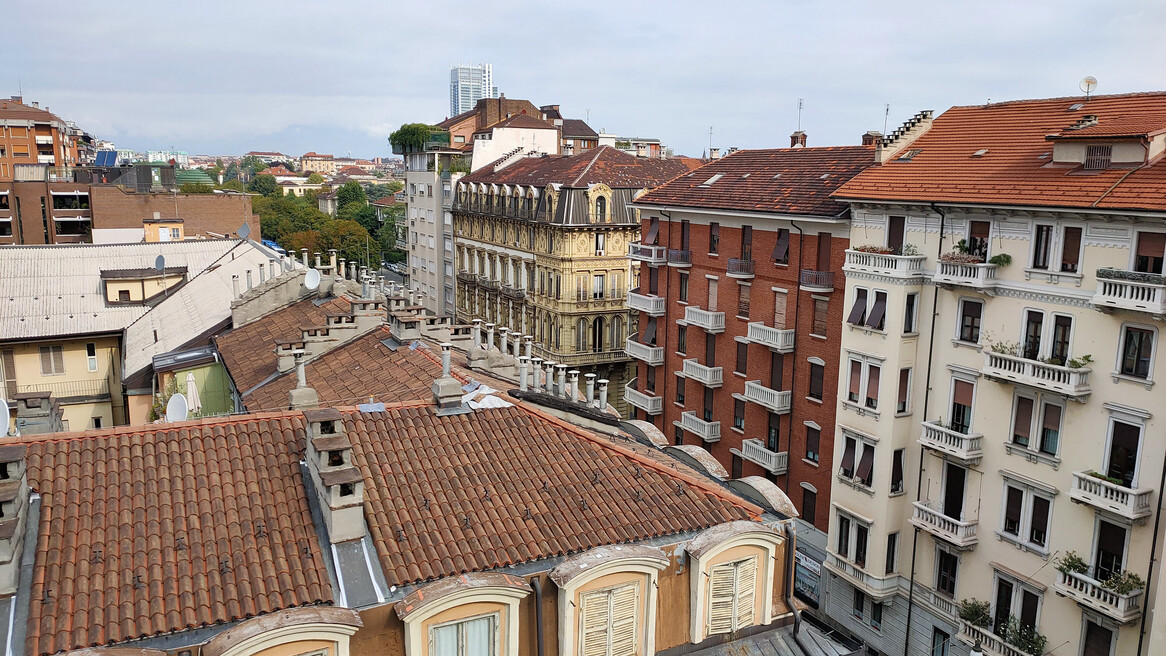
Crocetta is a neighbourhood to the south of the Centro Storico of elegant, generously proportioned, 20th century Art Nouveau/ Liberty architecture, situated on wide, tree-lined boulevards. This is the neighbourhood for gourmet delis and fancy restaurants and cocktail bars, as well as the open-air market on the Corso De Gasperi, which has produce, local products and high-end fashion and accessories. One of Crocetta’s main formal attractions is the Galleria Civica d'Arte Moderna e Contemporanea, which is Italy’s oldest contemporary art gallery.
Did you know? In WWII, Crocetta was a base for the Italian Resistance, and there are 18-metre deep bunkers you can still see here, where local people could take shelter.
Discover our recommended hotels near Crocetta
Explore more >
View all hotels in Crocetta
Explore more >
Ideal for: foodies, shopping, sightseeing, families, value seekers, younger travellers
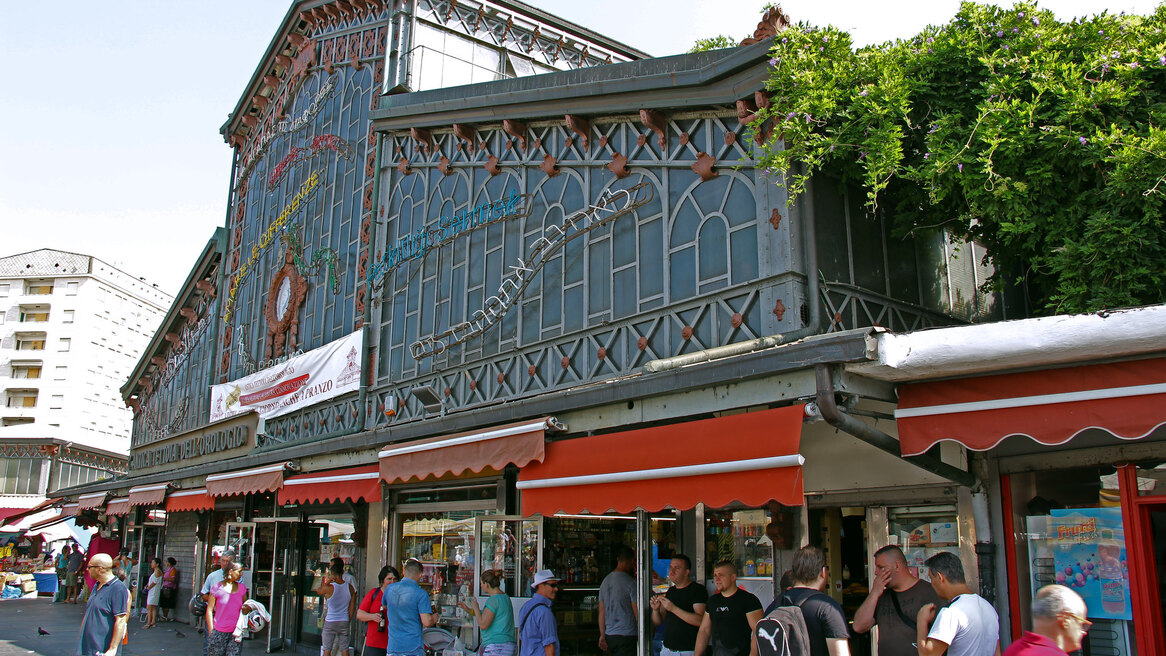
Neighbouring the city centre, Aurora is a varied neighbourhood, with historic pockets along the Dora River, elegant pockets around the Sanctuary of Mary Help of Christians, and industrial pockets. Aurora also has university campus buildings and student accommodation. What the neighbourhood is probably best known for is its markets. Porta Palazzo has a huge daily market (claiming to be Europe’s largest) and definitely one of the best-stocked and busiest in Turin; every Saturday, and every second Sunday, Aurora’s Borgo Dora area hosts the Balon, a vast antiques and flea market. There’s no point listing the sorts of things you could find here, because it’s virtually anything! If you’re looking for local sights, there’s the Basilica di Santa Maria Ausiliatrice, which has a fantastic frescoed ceiling, the 50-metre-long Ponte Mosca, and the Turin Eye (which isn’t a ferris wheel with a view; it’s a hot air balloon that rises150 metres to offer a fantastic view of the city). Because there’s a student population in Aurora, this is a good place to come for a well-priced meal, or good value accommodation. But there are some higher-end trattorias too, and lively nightlife.
Did you know? Aurora's Lavazza Museum is exactly what it suggests: a museum, and multi-sensory experience celebrating Lavazza coffee.