
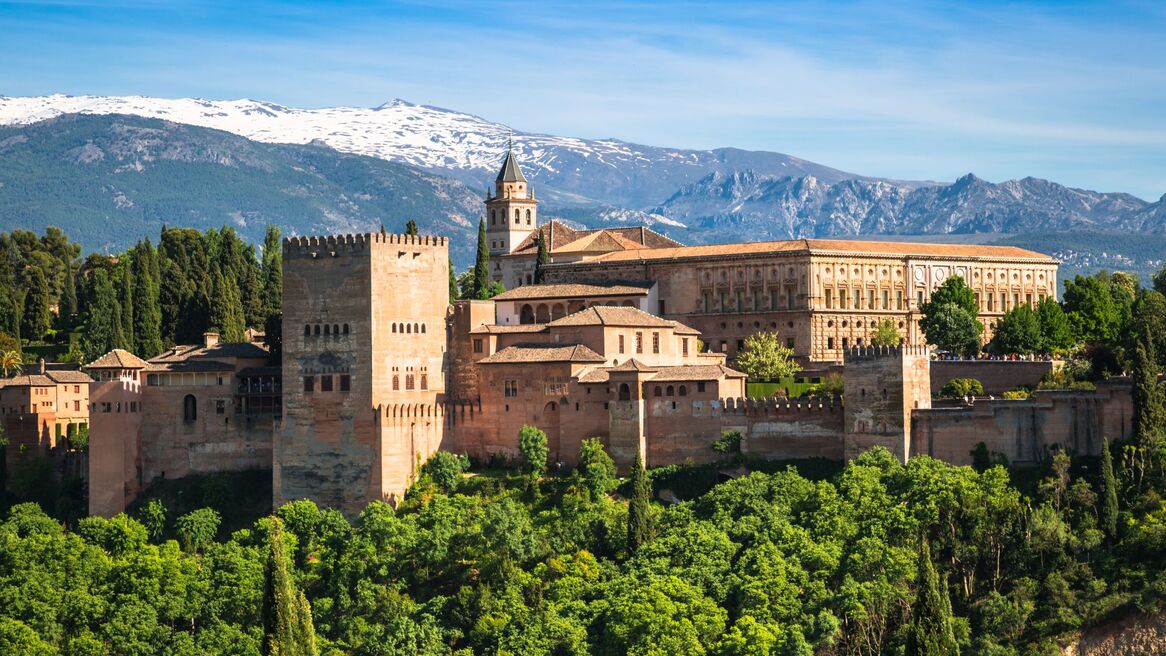
Si tu idea de un gran destino incluye historia fascinante, arquitectura memorable, gastronomía y cultura local únicas, y clima mediterráneo, Granada es prácticamente ideal para ti.
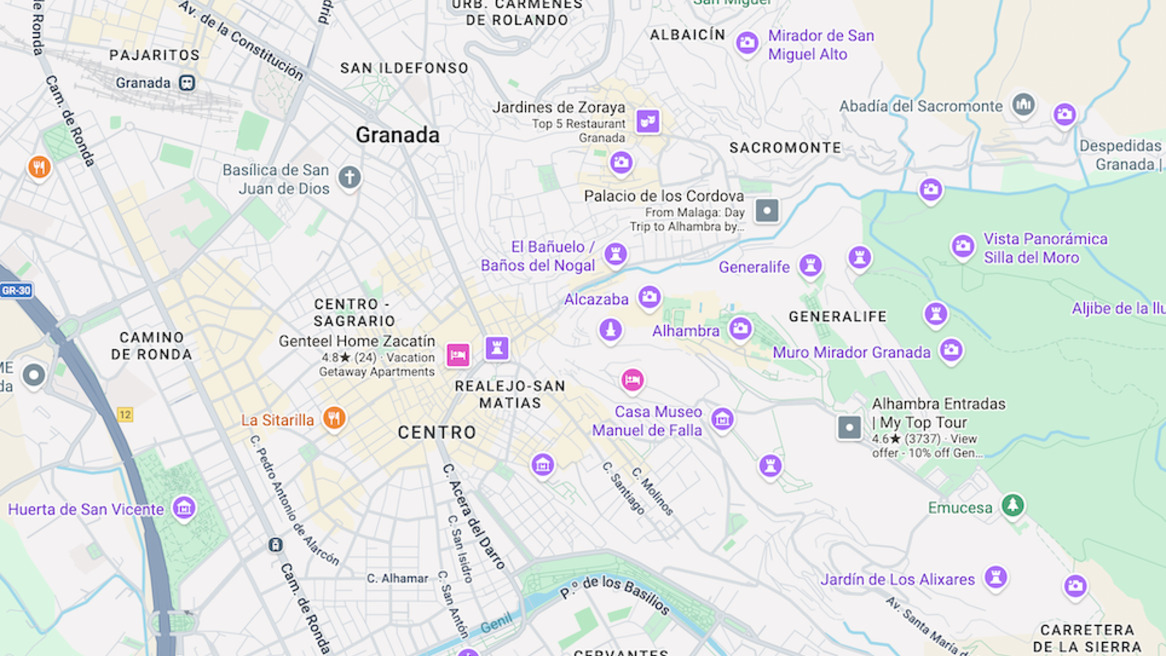
Granada es una ciudad compacta, y si disfrutas caminando por calles históricas, realmente puedes alojarte en cualquier lugar, ya que la mayoría de las atracciones principales están a poca distancia unas de otras. Si prefieres caminar un poco menos y en terreno más llano, el barrio del Centro es definitivamente el mejor lugar para hospedarse. Este es el casco antiguo, por lo que tiene la mayor parte de los principales lugares de interés. También está bien preparado para los visitantes, con muchas opciones de alojamiento, excelentes lugares para comer, beber y comprar, etc. Espera la Catedral, bares de tapas a cada paso y marcas de lujo. Si buscas una sensación más auténtica, considera los barrios del Albaicín o Sacromonte. El Albaicín es el antiguo barrio árabe, con románticas calles estrechas y empedradas y casas blancas, y algunas de las mejores vistas de la Alhambra en la ciudad. Sacromonte es menos céntrico, pero tiene las fascinantes cuevas de las que quizá hayas leído, ¡y es un lugar maravilloso para disfrutar del flamenco! Si te encanta salir por la noche, el barrio del Realejo es una buena opción; también es conocido por su escena culinaria y arte callejero.
Ideal para: visitantes primerizos, escapadas urbanas, turismo, familias, amantes de la gastronomía, compras, personas que no les gustan las colinas.
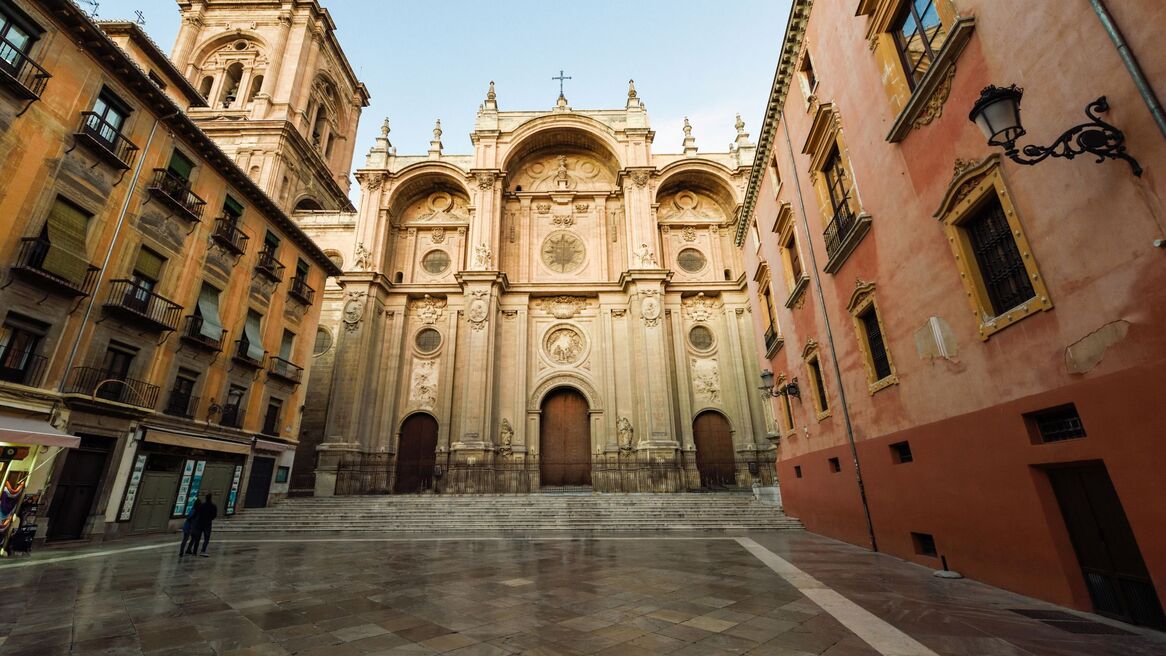
El barrio del Centro de Granada, o Centro-Sagrario, es bullicioso, histórico, transitable y plano. Aquí encontrarás la Catedral de Granada y la Capilla Real, así como el mercado principal de Granada, el Mercado de San Agustín, calles comerciales y animados bares de tapas, restaurantes y cafés. El Centro es un gran barrio para las compras vintage y para admirar la arquitectura histórica.
Si deseas estar cerca de la Alhambra, probablemente el Centro sea el mejor barrio a considerar. Hay solo un puñado de hoteles que están realmente cerca de la entrada (está en un terreno ligeramente más alto). Si estás muy enfocado en la Alhambra, en realidad puedes alojarte dentro de sus muros, en el Hotel Alhambra Palace.
¿Sabías que? La Catedral de Granada fue construida sobre la principal mezquita de la ciudad (después de las conquistas cristianas). La Reina Isabel quería que se construyera en el sitio de la Alhambra, ¡pero supuestamente era demasiado pequeño!
Descubre nuestros hoteles recomendados cerca de Centro-Sagrario
Explora más >
Ver todos los hoteles en Centro-Sagrario
Explora más >
Ideal para: alojamiento único, familias, turismo, amantes de la música
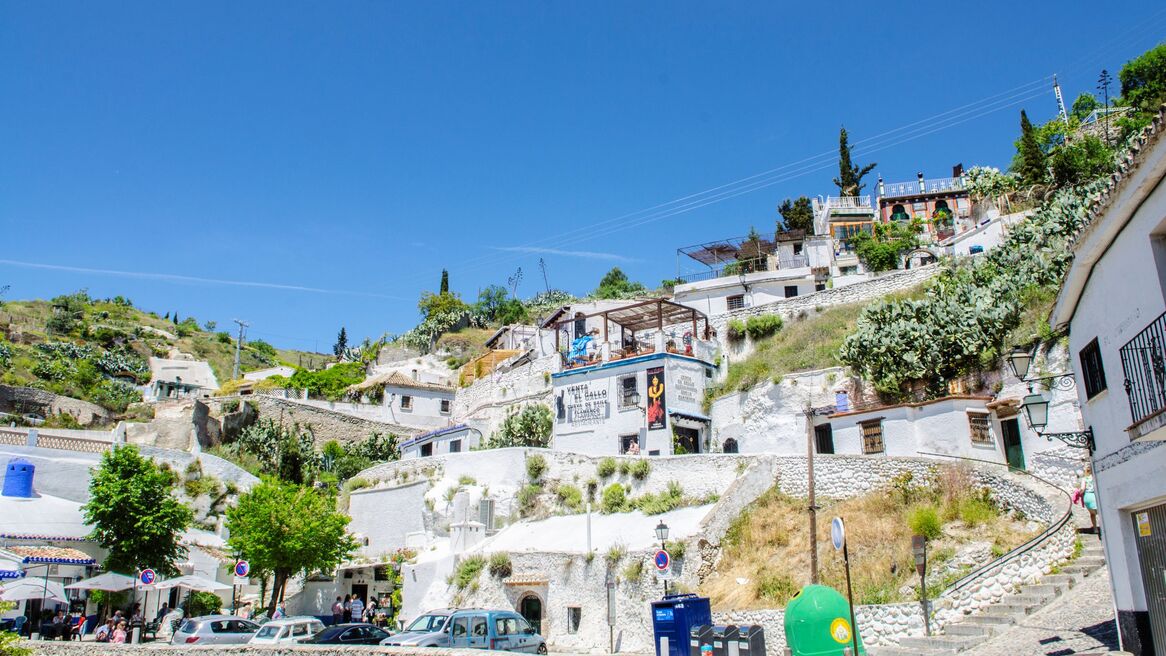
Sacromonte es mejor conocido por sus viviendas en cuevas: hogares encalados tallados en cuevas en la colina de Valparaíso. Estas fueron hogares de los gitanos locales desde que comenzaron a ser excavadas en el siglo XV, y todavía hay una presencia cultural gitana rica aquí, probablemente más notablemente audible... el sonido de la música flamenca es un sonido de fondo casi siempre presente en Sacromonte! El Museo de las Cuevas del Sacromonte es el lugar obvio para profundizar un poco más en la vida en cuevas; hay cuevas tradicionales reconstruidas para explorar, de varios períodos de tiempo. Las tradiciones flamencas gitanas son el otro gran atractivo aquí; hay un par de cuevas convertidas en locales, donde puedes experimentar su vibrante singularidad. Otra atracción imperdible local es la Abadía de Sacromonte, que se encuentra en la cima de la colina y tiene vistas fantásticas. Aquí también encontrarás increíbles catacumbas del siglo XVII. Si eliges quedarte en Sacromonte, prepárate para el terreno montañoso y los horarios de comida que pueden parecer tardíos para algunos de nosotros.
¿Sabías que? Una de las grandes ventajas de las casas cueva es que mantienen una temperatura constante durante todo el año; están enfriadas y calentadas por la colina circundante.
Descubre nuestros hoteles recomendados cerca de Sacromonte
Explora más >
Ver todos los hoteles en Sacromonte
Explora más >
Ideal para: turismo, amantes de la arquitectura, aficionados a la historia, familias, parejas, fotógrafos
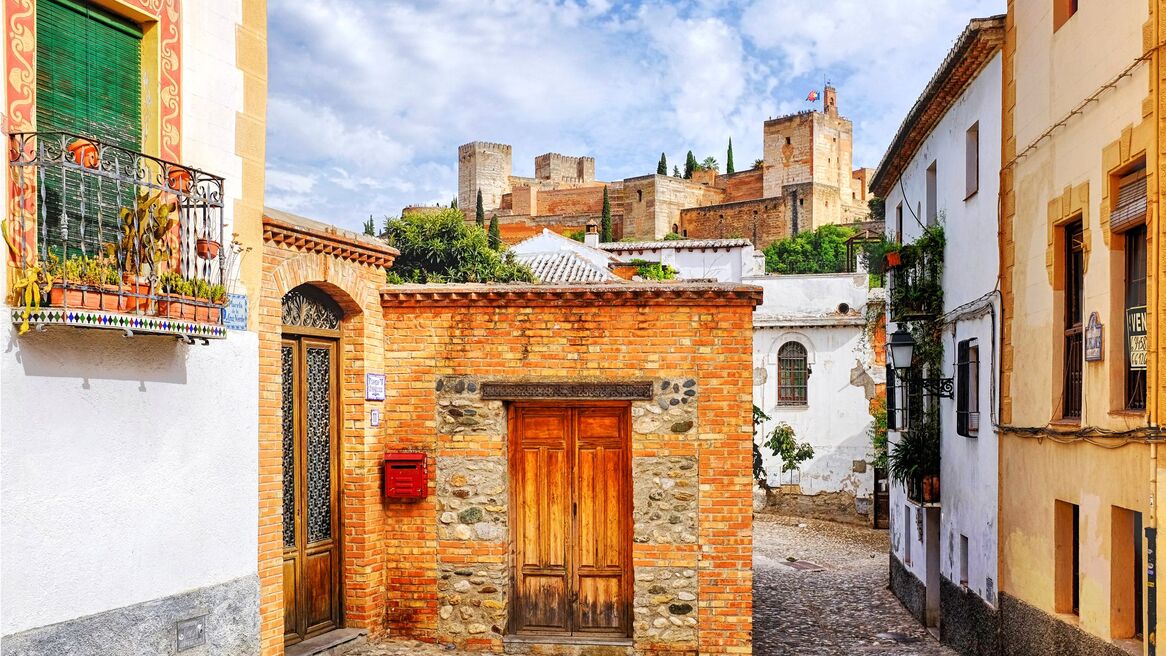
La arquitectura morisca del Albaicín y sus antiguas mezquitas han sido preservadas lo suficientemente bien como para que todo el barrio obtuviera una inscripción como Patrimonio de la Humanidad por la UNESCO en 1984. Hoy, el barrio es un laberinto de casas encaladas, todas apretujadas juntas, pero con patios y plazas sorprendentes. La mayoría de estas casas tienen un jardín amurallado, a menudo con árboles frutales antiguos y vides de uva. Puedes sentir la naturaleza orgánica de su nacimiento y crecimiento; hay callejones sin salida que hacen fácil perderse, de hecho, esa era parte de la idea: ¡los invasores también se perderían! Una de las calles más conocidas del barrio se llama coloquialmente Calle de las Teterías, porque aquí puedes encontrar muchas teterías árabes tradicionales. Después de tomar tu té, vale la pena visitar las iglesias del Albaicín, porque muchas de ellas fueron convertidas de mezquitas.
¿Sabías que? El Albaicín tiene uno de los mejores miradores de Granada, llamado El Mirador de San Nicolás.
Descubre nuestros hoteles recomendados cerca de Albaicín
Explora más >
Ver todos los hoteles en Albaicín
Explora más >
Ideal para: amantes de la gastronomía, escapadas urbanas, turismo, noctámbulos, fiesteros, aficionados a la historia
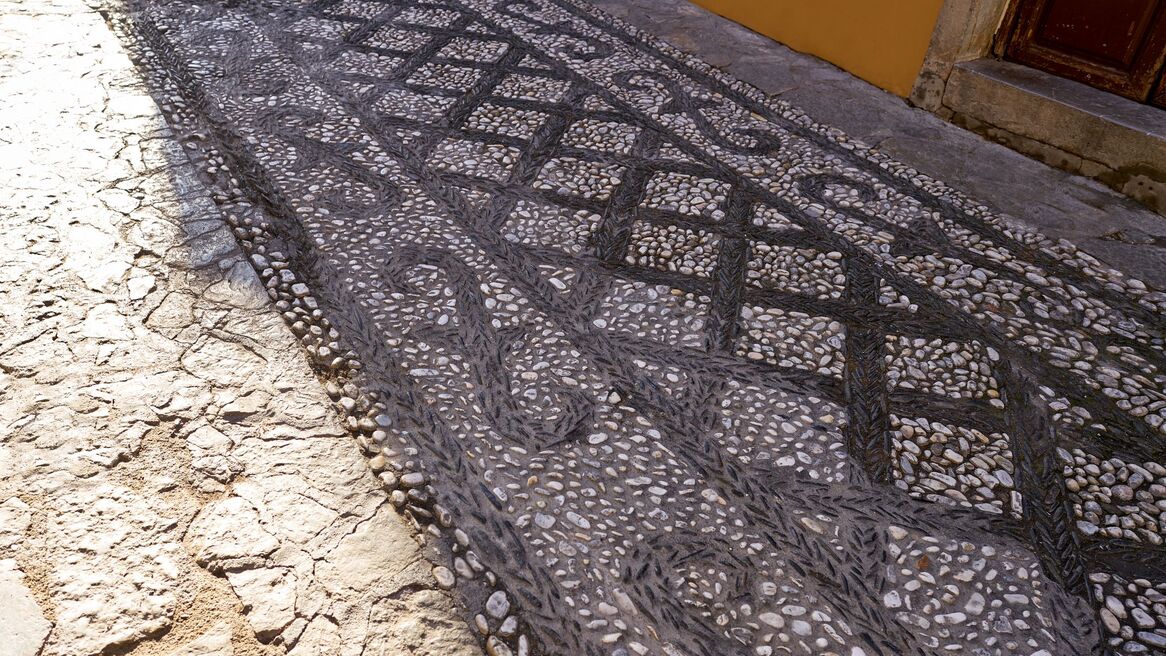
El Realejo tiene un aspecto diferente a las otras partes históricas de la ciudad. Este era el barrio judío, y la arquitectura en estas calles estrechas, sinuosas y empinadas parece más reconociblemente medieval, con elementos renacentistas y góticos también notables. Bastante de él ha sido decorado aún más con arte callejero y murales, especialmente en el 'terreno más alto' del barrio, cerca de los muros de la Alhambra, donde puedes ver muchas obras de un famoso artista local del grafiti. Para muchas personas, la verdadera razón para visitar, o quedarse, en el Realejo es la comida. Este es uno de los mejores lugares en Granada para tapas; algunas calles están interminablemente llenas de bares de tapas. La vida nocturna también es animada. El Realejo tiene una serie de lugares de interés notables, incluidos varios palacios, iglesias y monasterios impresionantes, además del único lavadero y casa de baños medieval que sobrevive en la ciudad, que vale la pena visitar si estás interesado en cómo la gente intentaba mantenerse limpia en el período medieval…
¿Sabías que? La plaza principal del Realejo tiene una estatua de Cristo llamada el Cristo de los Favores, y el Viernes Santo a las 3 p.m., los locales se reúnen para golpear la base de la estatua y pedir tres favores.