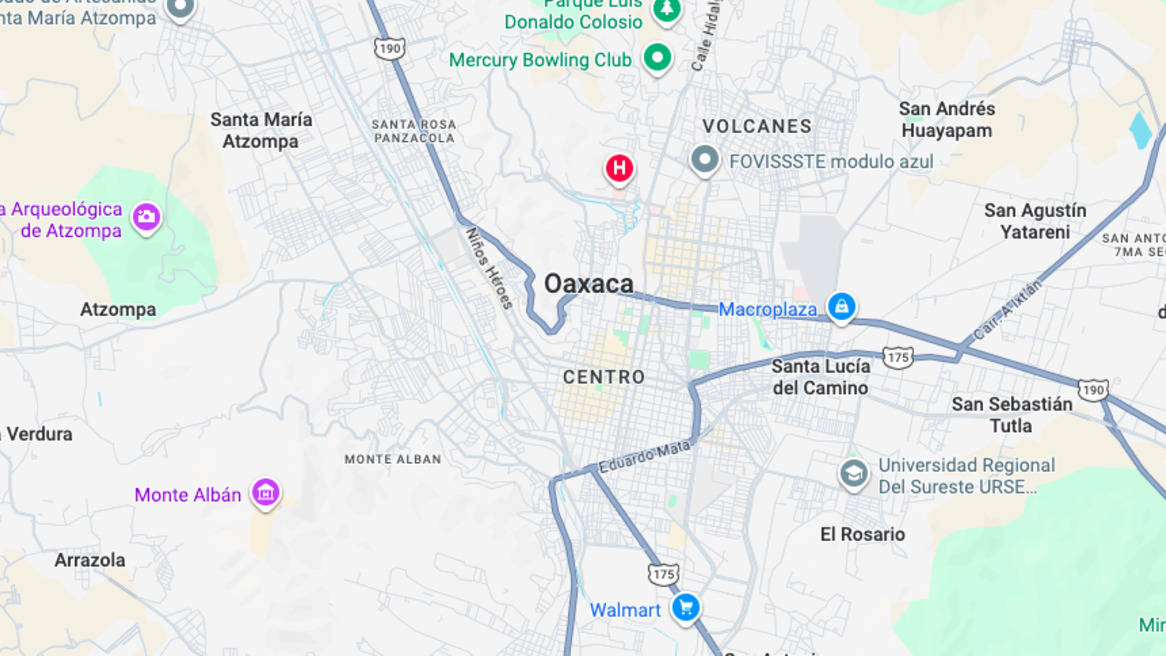

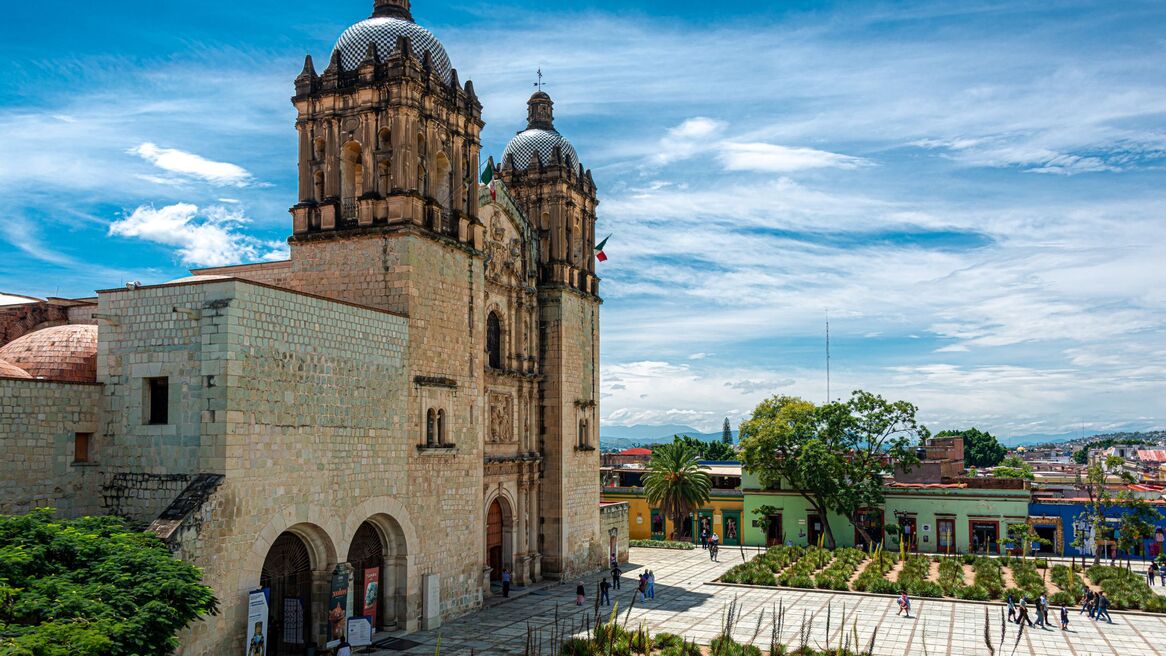
Oaxaca City is a colourful, character-filled city in Oaxaca State, southern Mexico, known for its beautiful colonial centre, lively markets and seriously good food. Spend your days wandering cobbled streets, visiting churches and museums, browsing artisan shops or heading out to nearby ruins and mountain villages. It’s also the birthplace of mezcal, so expect plenty of opportunities to try the local spirit alongside some of Mexico’s best regional cooking.
Centro Histórico is the best neighbourhood for first-timers, putting the Zócalo, Santo Domingo, markets, museums, galleries and mezcal bars within easy walking distance. Barrio de Jalatlaco is quieter and wonderfully colourful, with cobbled streets, murals, cafes and independent restaurants, while Barrio de Xochimilco feels more residential, with old textile workshops, craft shops and the historic aqueduct. For green space and a more relaxed pace, El Llano/Llano Park is a great base, with the park itself, shady walking paths and plenty of cafes and restaurants nearby. Colonia Reforma has a more modern, local feel, with wider streets, shops, restaurants and contemporary cafes, and is a good option if you want to be away from the tourist hustle and bustle. There’s a good variety of hotels across these areas, from converted colonial homes and boutique properties in Centro and Jalatlaco to quieter, better-value options around Xochimilco, Llano and Reforma.
Ideal for: Historic sights, mezcal tasting, nightlife, foodies
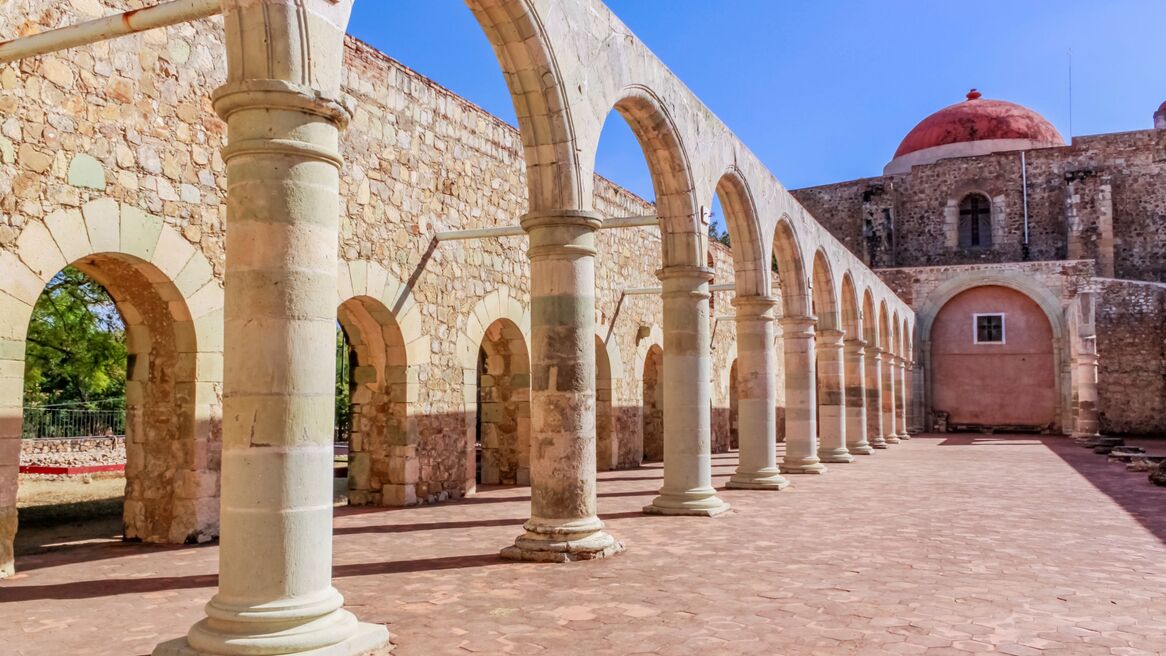
Centro Histórico is the best base for first-time visitors and culture lovers, putting Oaxaca City’s biggest sights right on your doorstep. Wander around the Zócalo, admire the baroque Santo Domingo church and explore the city’s museums, galleries and colourful markets, with lots of mezcalerías, cafes and restaurants for breaks along the way. It’s small and easy to explore on foot, and the lively streets stay buzzing well into the evening. Stay here if you want to be in the thick of Oaxaca’s historic, food-loving and wonderfully atmospheric city centre.
Did you know? Oaxaca’s Centro Histórico is a UNESCO World Heritage Site, recognised alongside the nearby archaeological site of Monte Albán for its beautifully preserved colonial architecture and rich cultural heritage.
Discover our recommended hotels near Centro Historico
Explore more >
View all hotels in Centro Historico
Explore more >
Ideal for: Street art, photography, boutique stays, local cafes, foodies
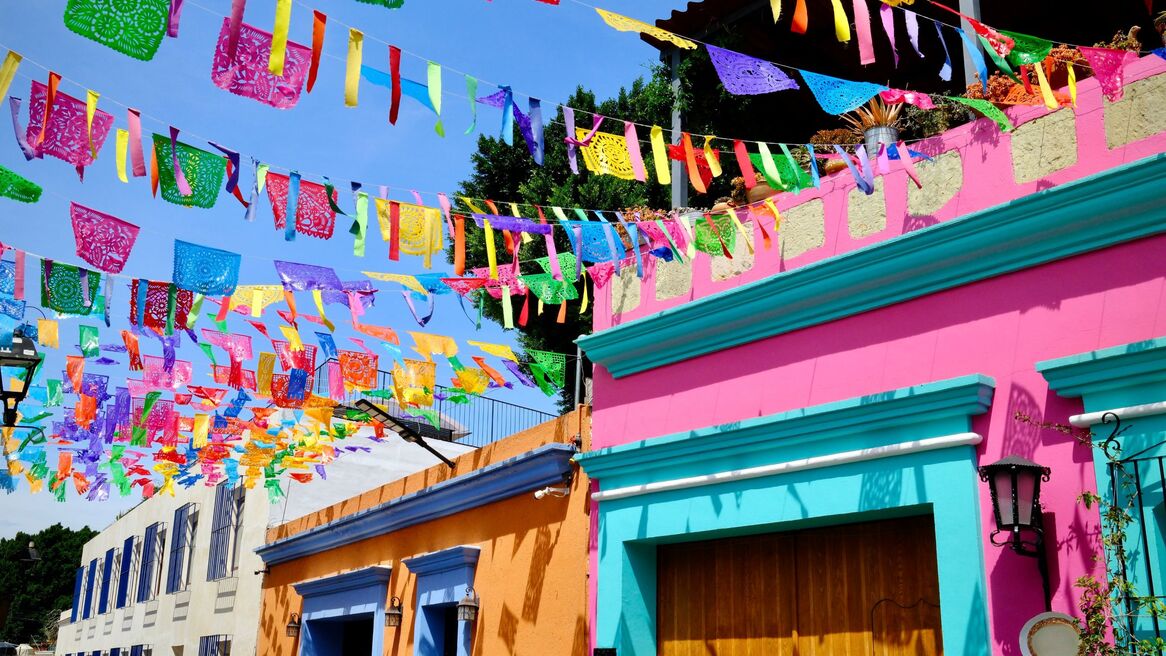
One of Oaxaca’s oldest neighbourhoods, Barrio de Jalatlaco is known for its cobbled lanes, brightly painted houses and colourful street art. Spend your time wandering the photogenic streets, popping into little cafes and independent restaurants, or admiring the murals around the neighbourhood. It’s relaxed by day but still close enough to walk into Centro Histórico for the city’s main sights and nightlife.
Did you know? Barrio de Jalatlaco is one of Oaxaca City’s oldest neighbourhoods, dating back to the 16th century.
Discover our recommended hotels near Barrio de Jalatlaco
Explore more >
View all hotels in Barrio de Jalatlaco
Explore more >
Ideal for: Craft lovers, local culture, photography, quiet stays
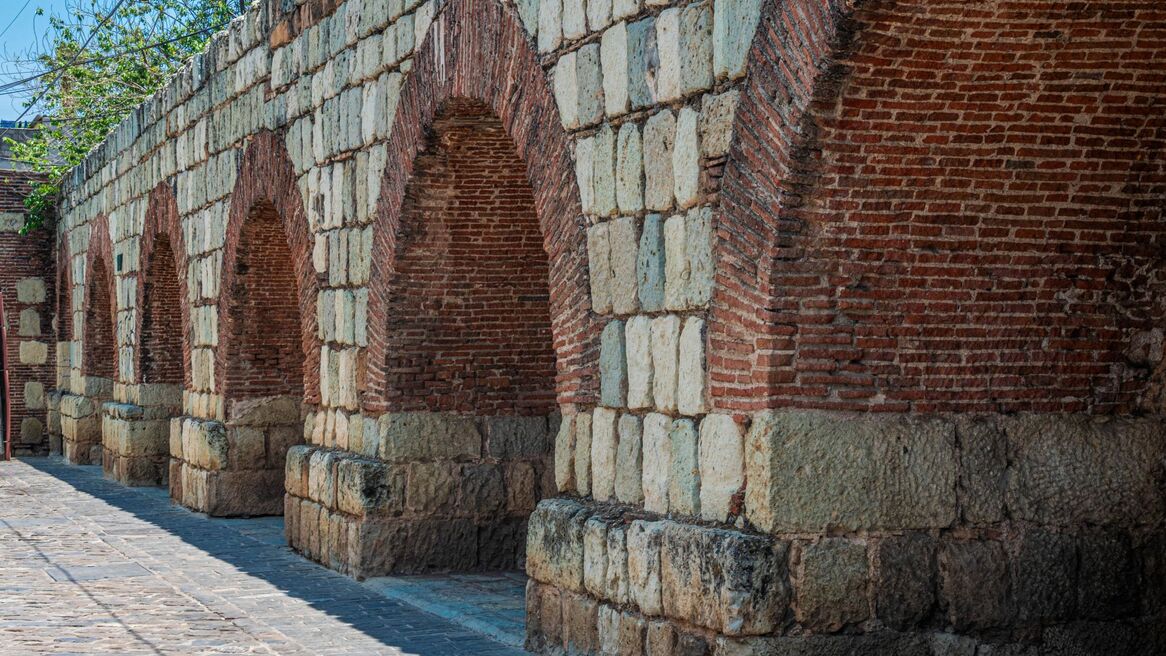
Another of the city’s oldest neighbourhoods, Barrio de Xochimilco is known for its colourful homes, traditional crafts, narrow cobbled streets, and old stone aqueduct. Wander past artisan workshops, browse small galleries and cafes, and look out for colourful murals as you explore. It feels more residential than Centro Histórico, but you can still walk into the historic centre when you fancy its museums, markets and nightlife.
Did you know? Barrio de Xochimilco is home to Oaxaca’s oldest surviving aqueduct, built in the 18th century to bring water into the city. Parts of the stone aqueduct still run through the neighbourhood today.
Discover our recommended hotels near Barrio de Xochimilco
Explore more >
View all hotels in Barrio de Xochimilco
Explore more >
Ideal for: Green space, families, people-watching, local cafes
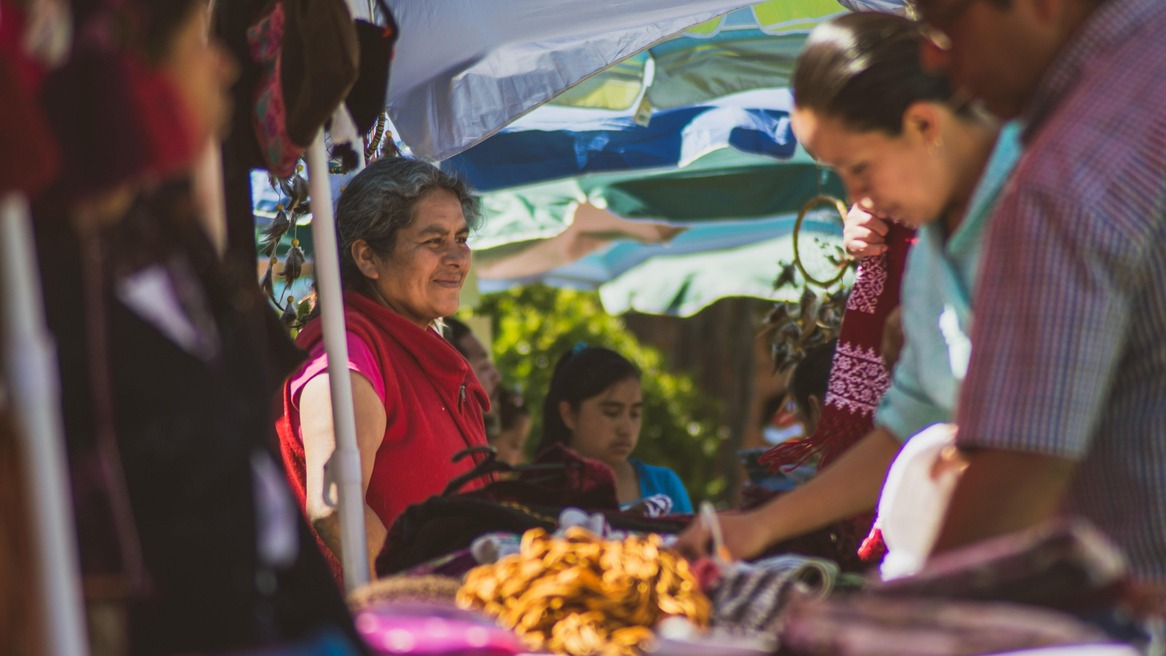
El Llano is a good choice for families, couples and travellers who like having a bit of green space nearby. The neighbourhood centres on leafy Llano Park, a popular spot for an easy stroll, people-watching and local life, with food stalls and cafes set around the edges. You’re also within walking distance of Santo Domingo, the botanical garden and Centro Histórico, while the surrounding streets are packed with restaurants and bars. It’s a little calmer than the heart of Centro, but still close enough to dip into Oaxaca’s sights and nightlife whenever you fancy.
Did you know? El Llano Park is officially named Paseo Juárez El Llano, in honour of Benito Juárez, the former Mexican president who was born in Oaxaca state and is one of the country’s most important historical figures.
Discover our recommended hotels near El Llano/Llano Park
Explore more >
View all hotels in El Llano/Llano Park
Explore more >
Ideal for: Local restaurants, shopping, longer stays, quiet nights
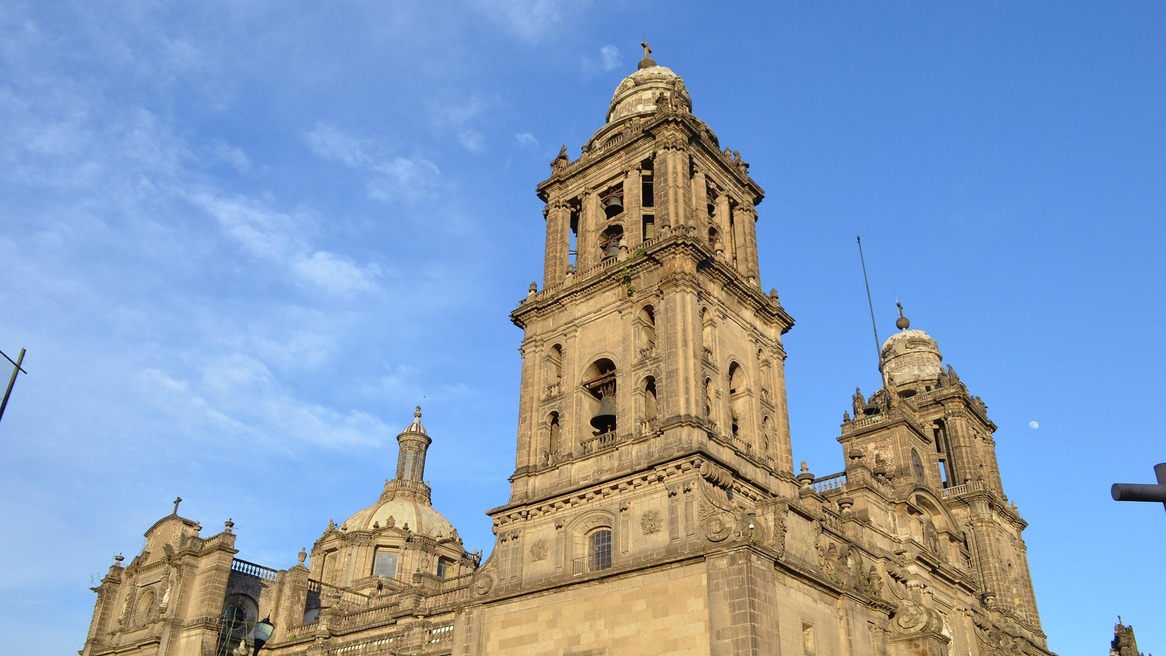
Colonia Reforma is a good fit for travellers who prefer a more modern, local side of Oaxaca, particularly longer-stay visitors and those who don’t mind being a little removed from the tourist centre. The neighbourhood is known for its wide streets, smart cafes, restaurants, shops and everyday local life rather than historic sights. It’s a handy base for exploring the city, with the Botanical Garden and Santo Domingo within walking distance, while the Centro Histórico is around 20 minutes away on foot. Stay here for a quieter evening atmosphere and a good choice of contemporary restaurants and cafes without being far from the action.
Did you know? Colonia Reforma is known for its tree-lined streets and is home to the Fuente de las Ocho Regiones, a fountain featuring eight figures representing Oaxaca’s eight regions and their traditional dress.