
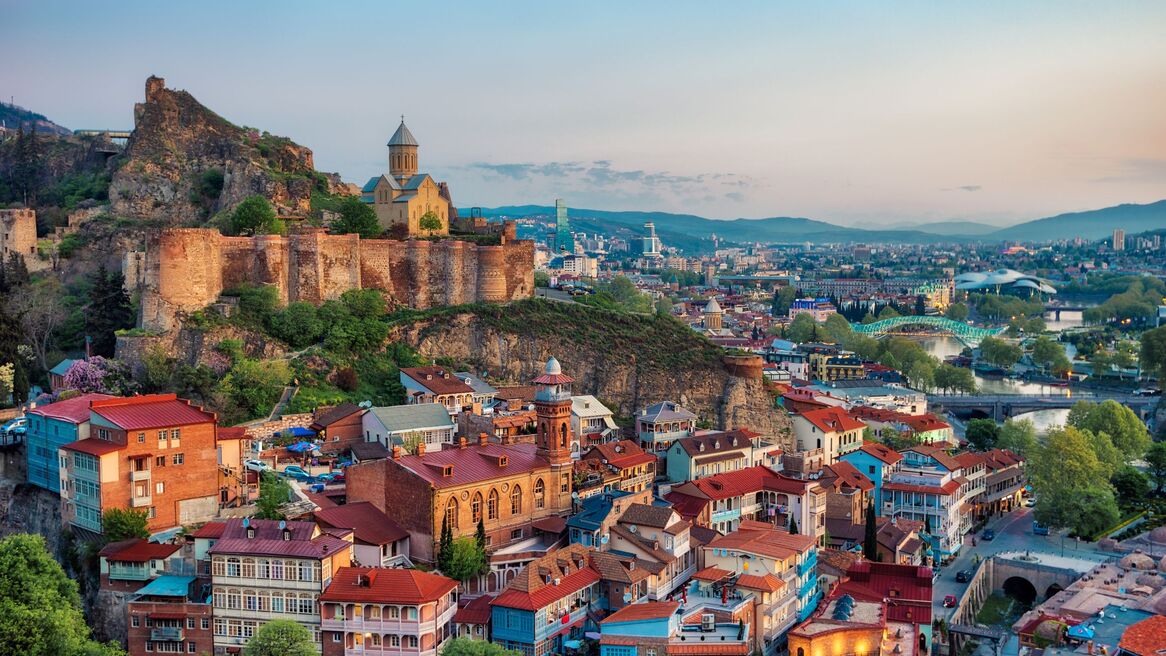
Tbilisi in Georgia, is a wonderfully easy-going city, with a jumble of old townhouses, wooden balconies, ancient churches and grand Soviet buildings. Spend your days wandering the cobbled Old Town, exploring Narikala Fortress, soaking in the famous sulphur baths or stopping for Georgian food and wine. It’s hilly, a little scruffy around the edges and full of character.
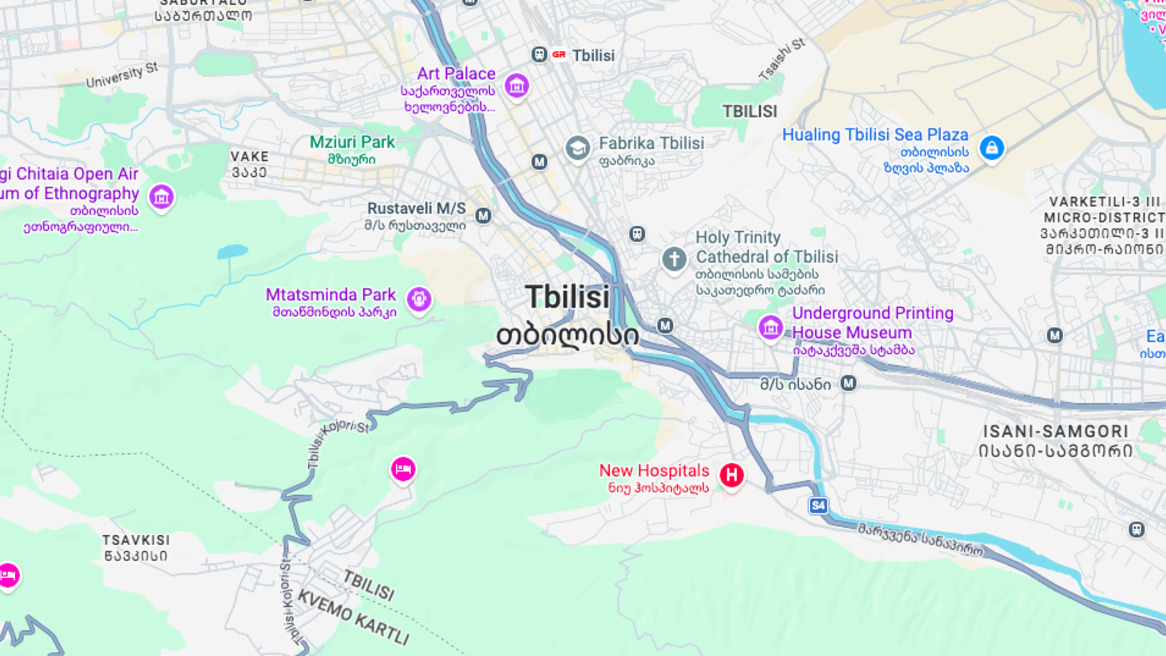
Tbilisi is a compact, hilly city where each neighbourhood has its own character, from historic lanes and grand architecture to lively bars and residential streets. Kala/Old Town is the classic choice for first-time visitors, with Narikala Fortress, the sulphur baths, Sioni Cathedral and photogenic wooden balconies right outside your door. Sololaki, just above it, is quieter and packed with grand 19th century townhouses, charming courtyards, cafes and wine bars. Across the river, Avlabari has excellent views back towards the Old Town, with Metekhi Church and Sameba Cathedral to explore. Chugureti, Marjanishvili and Plekhanovi are more local and creative, centred around Fabrika, street art, independent cafes and restaurants. Vera is leafy and relaxed, known for its cafes, small restaurants and trendy wine bars. For museums, theatres and grand city architecture, look around Mtatsminda/Rustaveli, where the National Museum, Opera House and funicular are all nearby.
Ideal for: Sightseeing, sulphur baths, wine bars, old-world charm
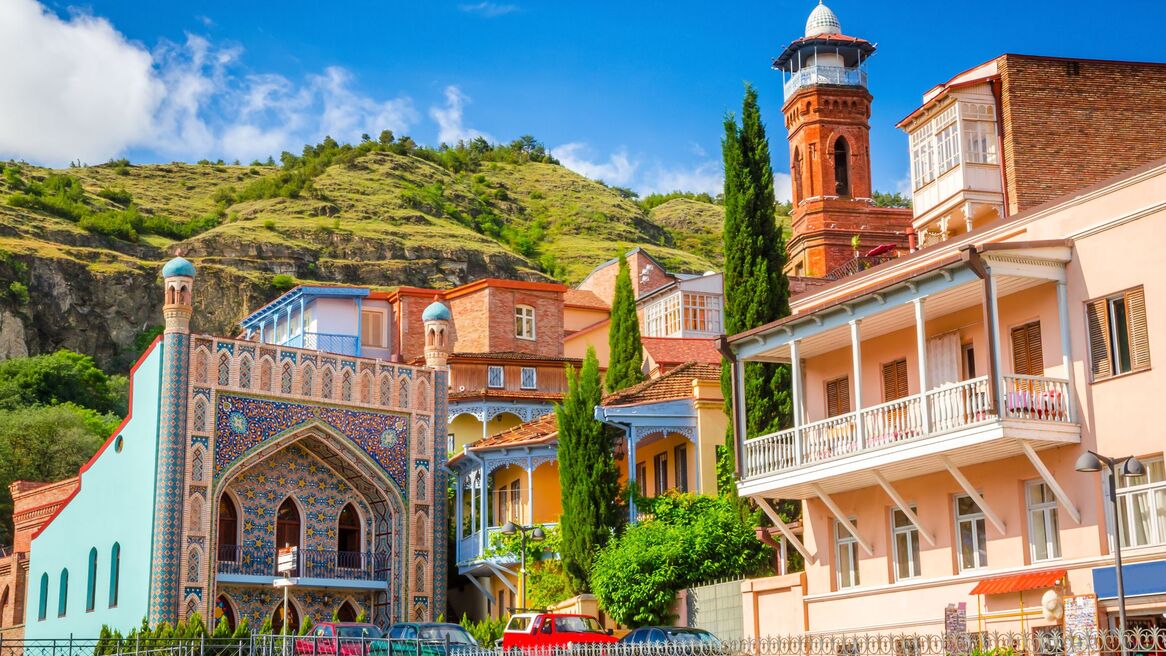
Staying in Kala/Old Town puts Tbilisi’s most atmospheric sights right on your doorstep. This is the historic heart of the city, with winding cobbled lanes, colourful wooden balconies, ancient churches and the imposing Narikala Fortress above it all. Spend an afternoon wandering between Sioni Cathedral, the Abanotubani sulphur baths and the old town’s little wine bars and restaurants, or cross the Metekhi Bridge for views back across the rooftops. It’s also one of the best areas for boutique hotels and charming guesthouses, although expect hills, steps and plenty of uneven streets.
Did you know? Tbilisi’s famous sulphur baths in Abanotubani are fed by natural hot springs, and the city’s name comes from the Georgian word tbili, meaning ‘warm’ — a nod to the hot water bubbling beneath the Old Town.
Discover our recommended hotels near Kala/Old Town
Explore more >
View all hotels in Kala/Old Town
Explore more >
Ideal for: Creative stays, nightlife, street art, cafes, budget hotels
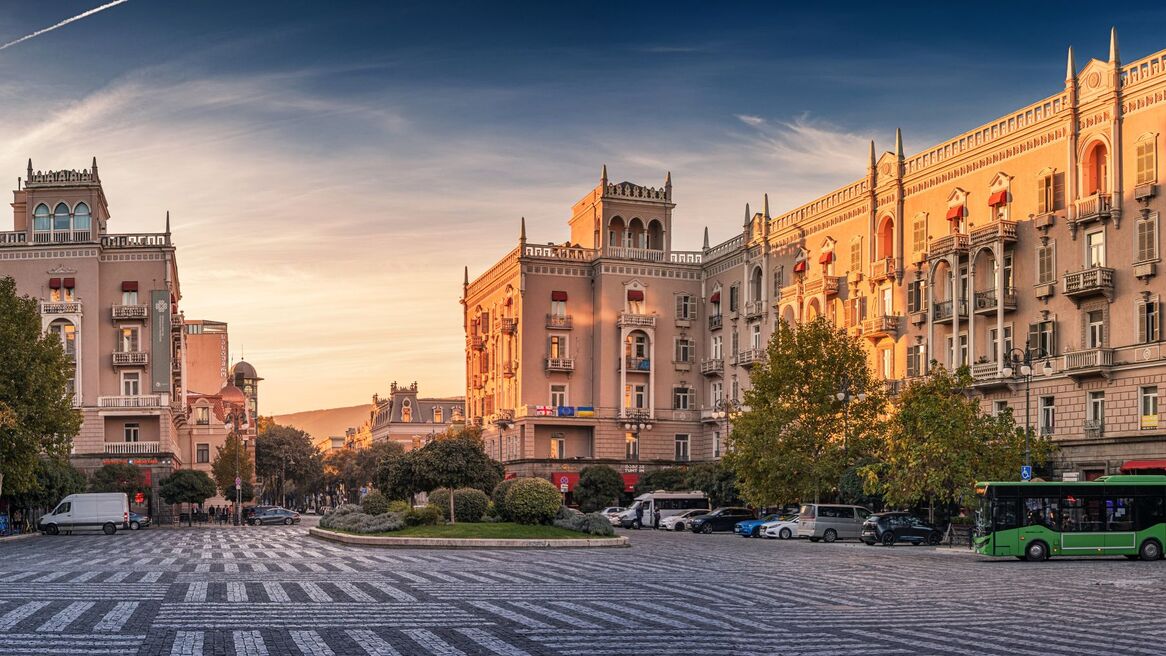
Chugureti, Marjanishvili and Plekhanovi are ideal for younger travellers, foodies and anyone who wants to experience a more creative, local-feeling side of Tbilisi. The area centres around lively Marjanishvili Square and Fabrika, a former Soviet sewing factory turned buzzing hub of bars, cafes, shops and courtyards. Wander the colourful streets, browse independent boutiques and galleries, or head to the Dry Bridge Market for antiques. It’s also a good base for trying Georgian food and wine without being right in the tourist centre, with a variety of casual restaurants and bars around the neighbourhood. Accommodation tends to be good value, with hostels, guesthouses and cool boutique hotels.
Did you know? Chugureti was historically home to one of Tbilisi’s largest German communities. German settlers arrived here in the early 19th century, leaving their mark on the neighbourhood’s architecture and streetscape.
Discover our recommended hotels near Chugureti/Marjanishvili/Plekhanovi
Explore more >
View all hotels in Chugureti/Marjanishvili/Plekhanovi
Explore more >
Ideal for: Architecture, boutique hotels, wine bars, quiet stays, cafes
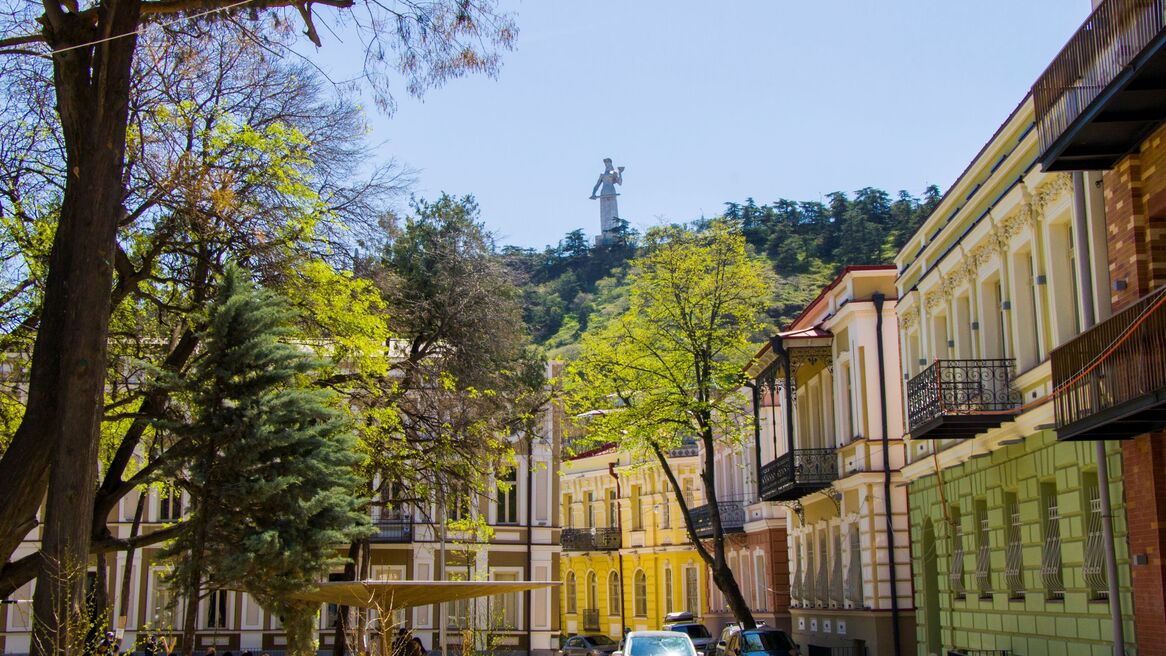
Sololaki's leafy streets are lined with grand 19th century townhouses featuring ornate balconies and courtyards, many of them beautifully faded around the edges. Spend an afternoon wandering the backstreets, stopping at independent cafes and wine bars, or climb towards Mtatsminda for stunning city views. It’s close enough to walk into the Old Town but feels more residential, with a good selection of guesthouses and boutique hotels tucked into historic buildings.
Did you know? Sololaki is home to the Kaleidoscope House, a colourful former merchant’s house known for its stained-glass staircase.
Discover our recommended hotels near Sololaki
Explore more >
View all hotels in Sololaki
Explore more >
Ideal for: Foodies, nightlife, cafes, wine bars, boutique hotels
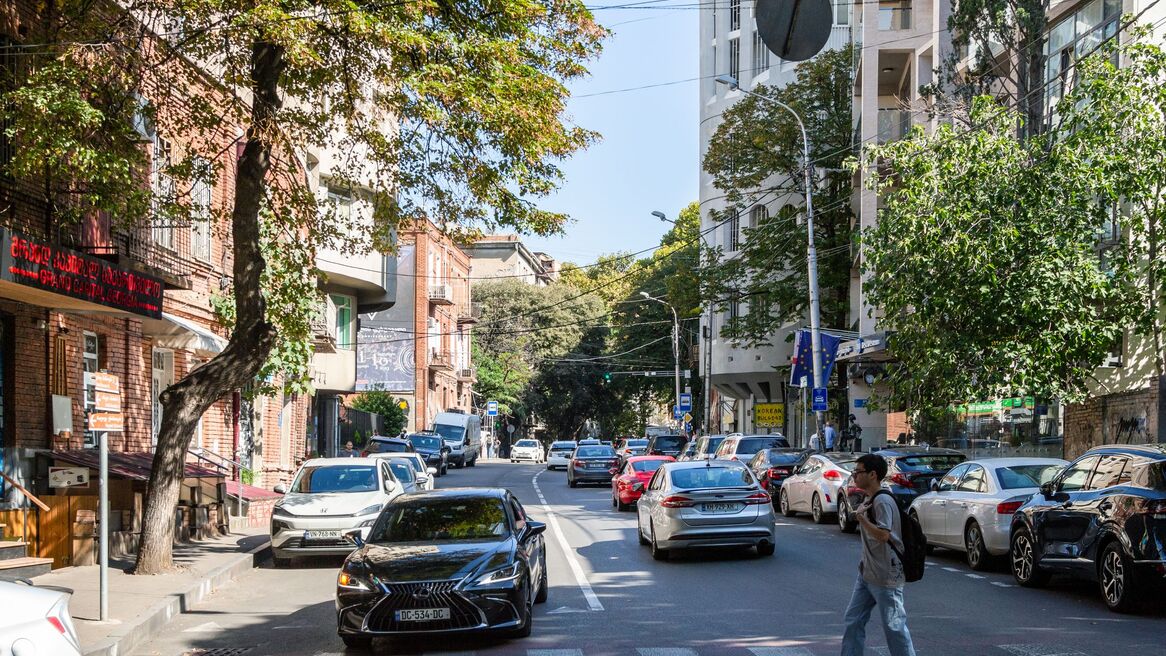
Vera is the ideal spot for foodies, couples and travellers who prefer lively neighbourhoods to the tourist centre. This leafy, laid-back part of town is teeming with independent cafes, Georgian restaurants, wine bars and little shops, making it easy to spend a day wandering and stopping wherever looks good. The neighbourhood is also close to Rustaveli Avenue and Mtatsminda, so Tbilisi’s major sights are still within easy reach. Stay here for stylish boutique hotels and guesthouses, plus a more local feel without being too far from the action.
Did you know? Vera was once famous for its vineyards and gardens, and the neighbourhood’s name is thought to come from the Georgian word vera, meaning “truth”.
Ideal for: City views, families, historic sights, Old Town access, travellers on a budget
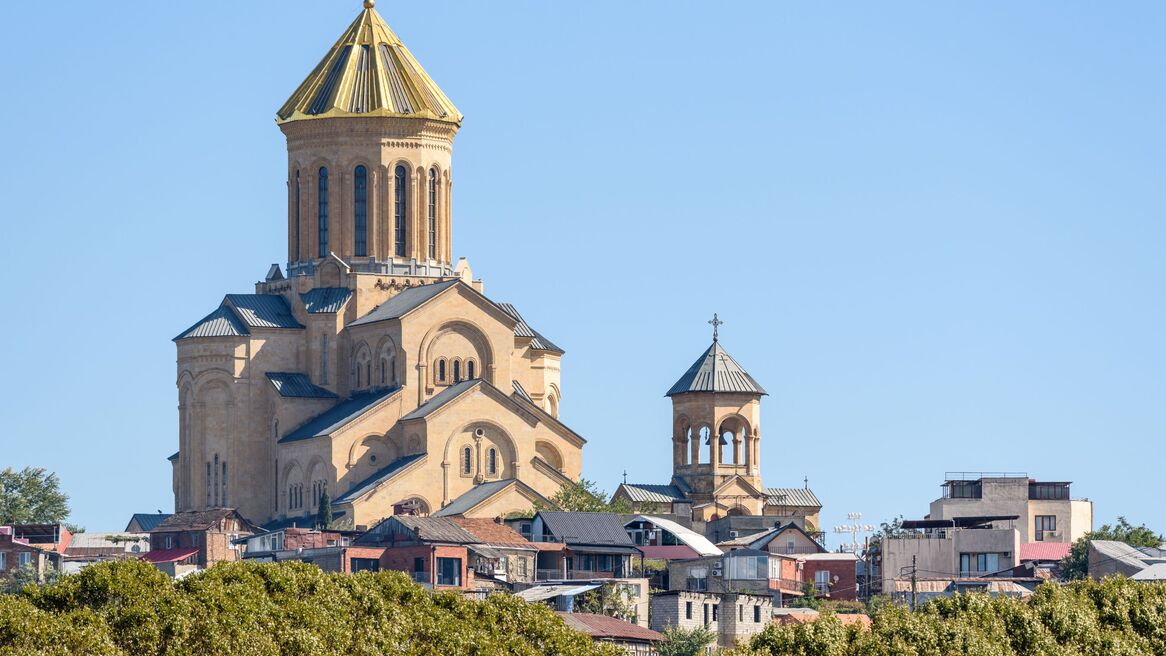
Sitting across the river, Avlabari is best known for the striking Sameba Cathedral and Metekhi Church, with lovely views across the river towards Tbilisi’s historic centre. The neighbourhood is easy to explore on foot, with the Old Town just across the bridge, while the metro makes getting further afield straightforward. Hotels here tend to be more affordable than in Kala, with various comfortable guesthouses and smaller hotels.
Did you know? Avlabari is home to the giant Sameba Cathedral, one of Georgia’s largest religious buildings. Its golden dome is one of the most recognisable features of the Tbilisi skyline and can be spotted from across the city.
Discover our recommended hotels near Avlabari
Explore more >
View all hotels in Avlabari
Explore more >
Ideal for: Culture lovers, museums, theatre, city views, grand hotels
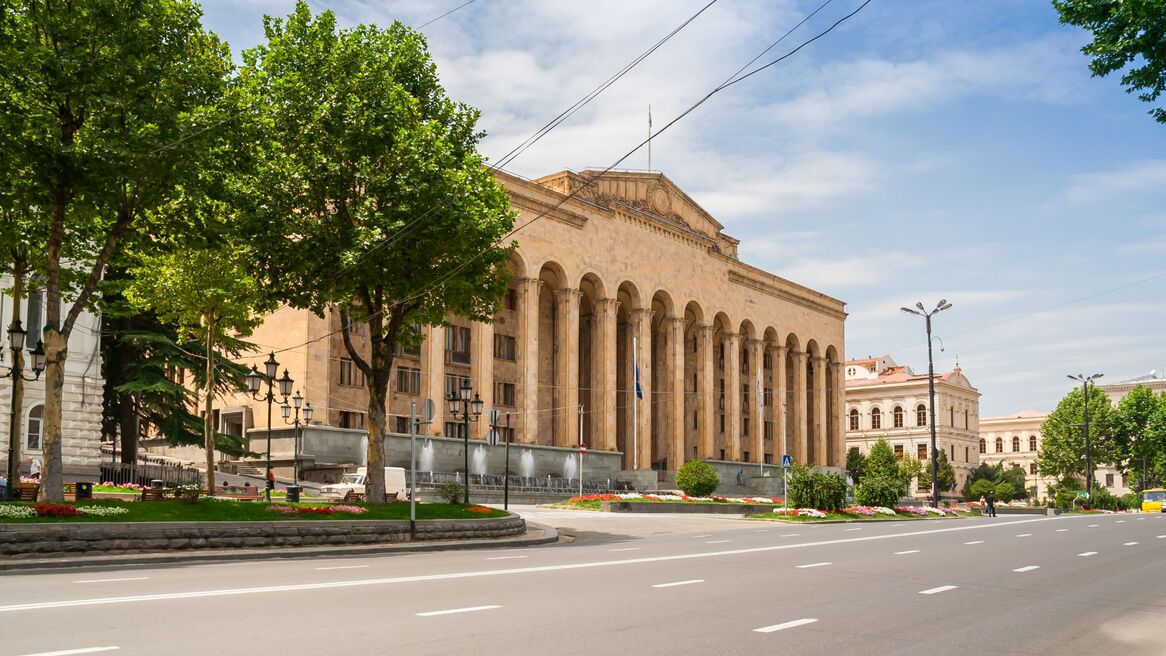
Mtatsminda/Rustaveli is the perfect base for culture lovers, with some of Tbilisi’s grandest buildings, museums and cultural institutions along its main boulevard. Wander Rustaveli Avenue to see the Georgian National Museum, Opera and Ballet Theatre, Rustaveli Theatre and the grand Parliament building, then take the funicular up Mtatsminda for panoramic city views and a stroll around the hilltop park. There’s a mix of larger hotels and stylish boutiques here, plus lots of cafes and restaurants for when you need a break from sightseeing.
Did you know? The Tbilisi Funicular has been climbing Mtatsminda since 1905. It was built to connect the city centre with the hilltop, and the short ride still gives you some of the best views over Tbilisi.

 family