
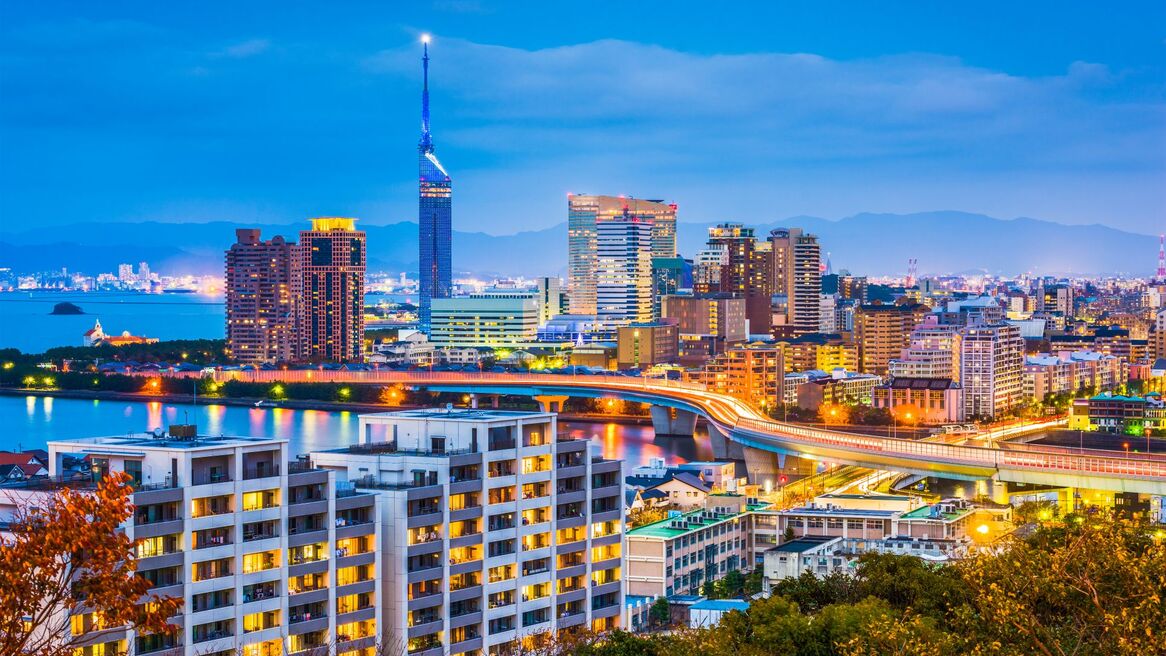
Fukuoka is a laid-back city with a lively food scene, sandy beaches and plenty of history packed into a surprisingly easy-going destination. Spend the day exploring temples and shrines, wandering the canals of Hakata or heading out to the coast, then join the locals at a yatai street food stall after dark. It’s also famous for tonkotsu ramen, and is supposedly one of Japan’s best places to eat it.
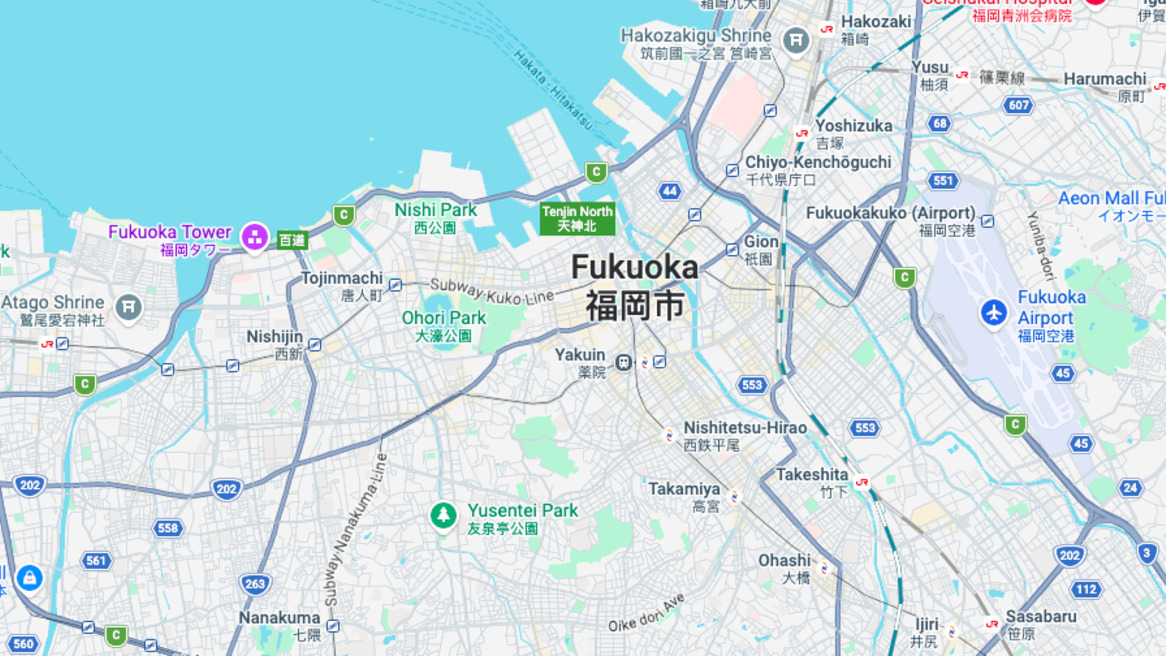
Fukuoka is Kyushu’s biggest city, with a relaxed coastal feel, lively food scene and a handful of neighbourhoods that each offer a different take on the city. Hakata is the obvious choice for first-time visitors, centred around the station and close to temples, shrines, Canal City and the old merchant district. Tenjin is busier and more contemporary, with department stores, underground shopping, bars and restaurants, while nearby Nakasu Kawabata is all about nightlife, neon-lit streets and riverside yatai serving late-night ramen and other local dishes. For a more residential feel, Yakuin is a great option, known for its independent cafes, fashionable restaurants, small shops and relaxed streets. It’s close enough to Tenjin to walk, but feels much less hectic. Around Ohori Park & Ropponmatsu, the pace slows down even more. The huge park is one of Fukuoka’s prettiest green spaces, with a lake, walking paths, a Japanese garden and an art museum, while Ropponmatsu has a growing collection of cafes, restaurants and cultural spots. There’s a good choice of hotels throughout these areas, from convenient chain hotels around Hakata to smart boutique stays around Tenjin and Yakuin. Fukuoka’s small centre and excellent subway make it easy to explore from almost anywhere.
Ideal for: City breaks, temple hopping, shopping, foodies
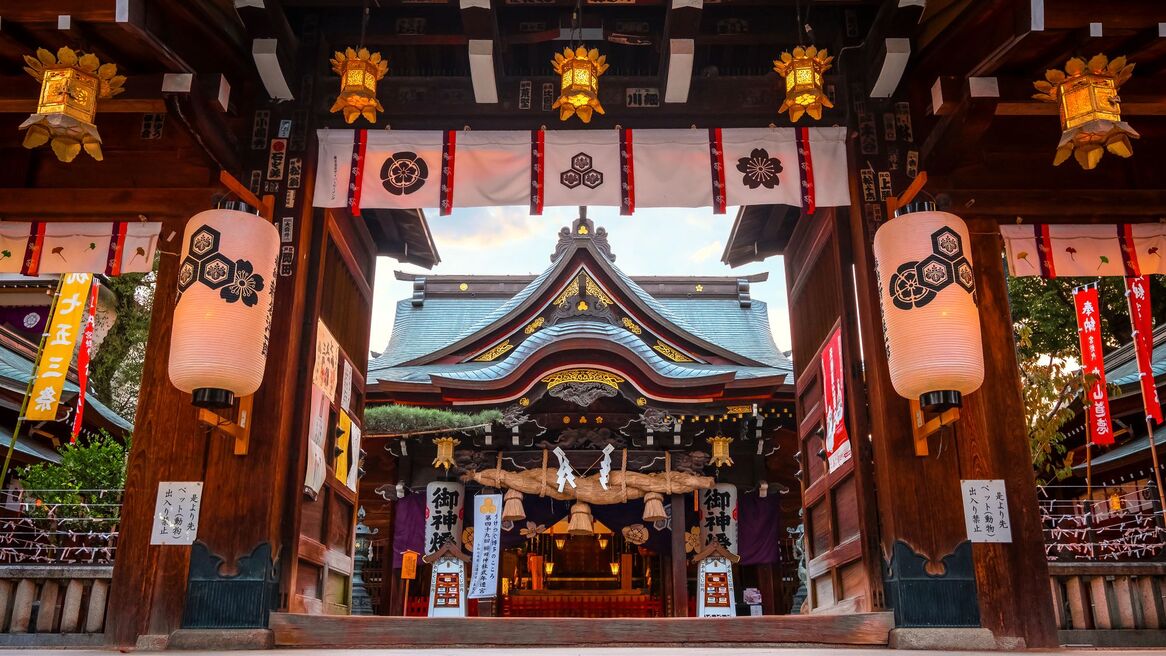
Did you know? Hakata is the birthplace of tonkotsu ramen. The rich pork bone broth was reportedly created here in 1937, and Hakata-style ramen is now one of Japan’s most famous regional dishes.
Ideal for: Shopping, nightlife, foodies, cafe hopping, city breaks
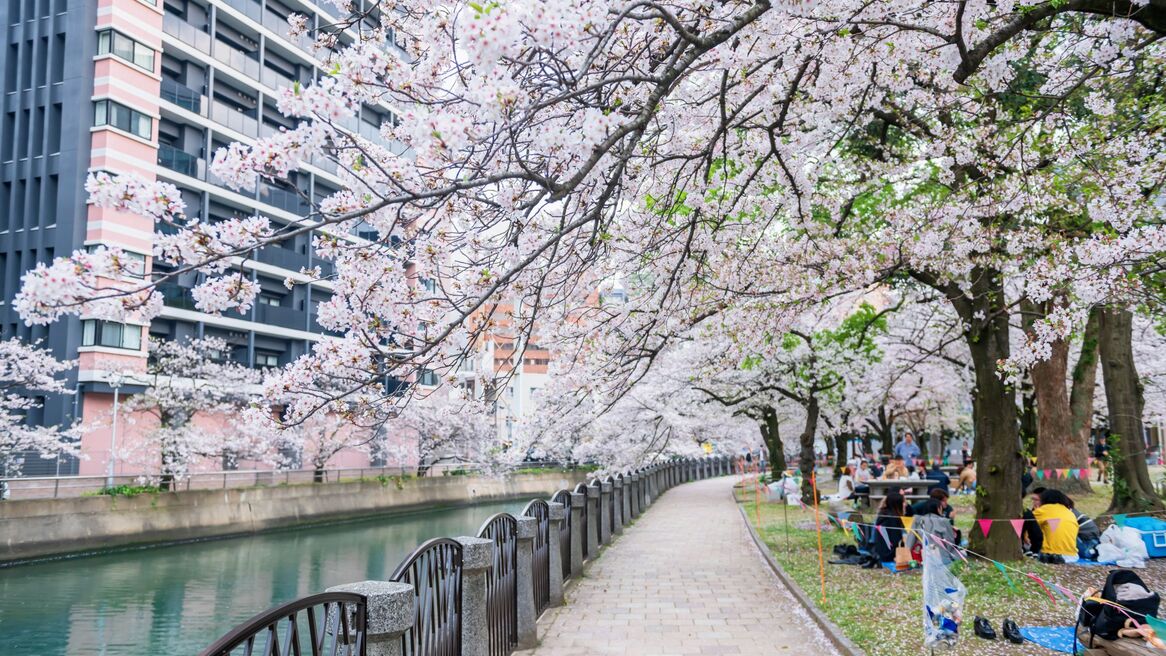
For those who like their city breaks lively, Tenjin is the area to stay, with Fukuoka’s main shopping, dining and nightlife districts all packed into a walkable central area. Browse the department stores and underground shopping streets, wander the vibrant lanes of Daimyo, or stop for coffee and people-watching around Kego Park. In the evening, the area fills up with izakayas, bars and restaurants, while nearby Nishi Park offers a quieter escape. It’s particularly good for foodies, shoppers and visitors who want to be in the middle of the action, with excellent subway connections making it easy to get around.
Did you know? Tenjin is home to Fukuoka’s famous Tenjin Underground Shopping Mall, which stretches for around 150 metres beneath the city and has more than 150 shops, cafes and restaurants.
Ideal for: Street food, festivals, nightlife, foodies, shopping
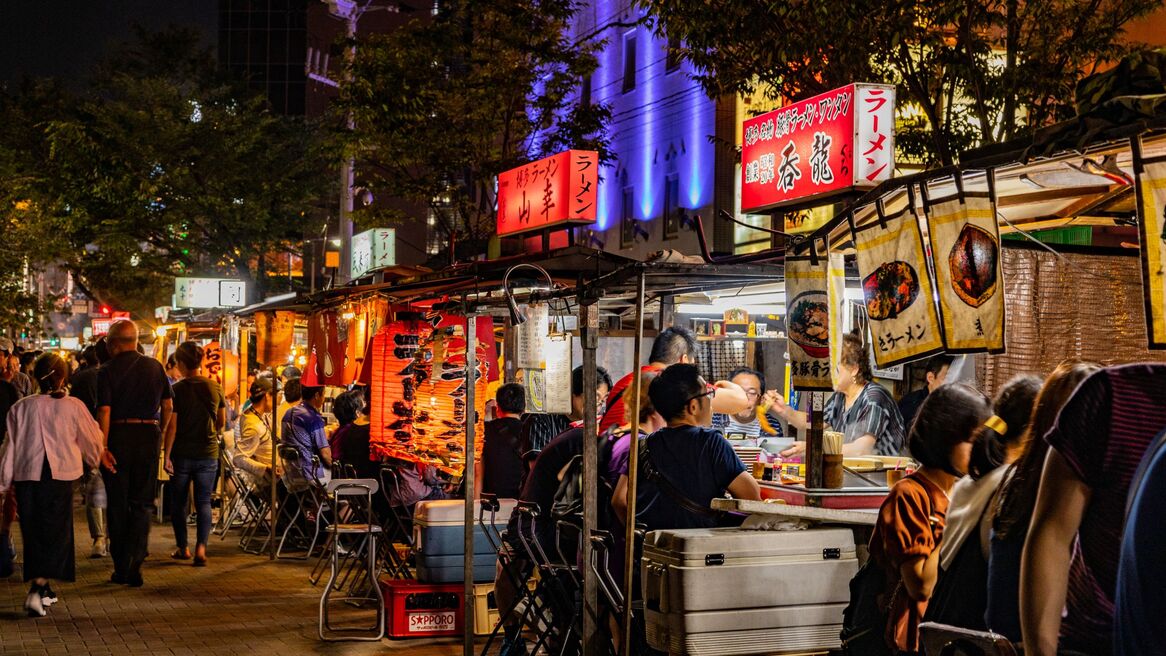
Nakasu Kawabata is a great place to stay for night owls, foodies and visitors who want to be close to Fukuoka’s action. The neighbourhood sits between the Naka and Hakata Rivers, with the lively Nakasu entertainment district on one side and the more traditional Kawabata Shopping Arcade on the other. Spend the day browsing local shops, visiting the Kushida Shrine and Hakata Machiya Folk Museum, then come back after dark when the yatai stalls fire up. There’s plenty of ramen, yakitori and local seafood to try, while Canal City Hakata is just a short walk away for shopping and entertainment. It’s one of Fukuoka’s best areas for experiencing the city after dark, though it can get lively and noisy at night.
Did you know? Nakasu is one of Fukuoka’s three traditional entertainment districts, and the island is home to more than 2,000 businesses, making it one of the biggest nightlife areas in western Japan.
Discover our recommended hotels near Nakasu Kawabata
Explore more >
View all hotels in Nakasu Kawabata
Explore more >
Ideal for: Boutique stays, cafe hopping, local life, foodies
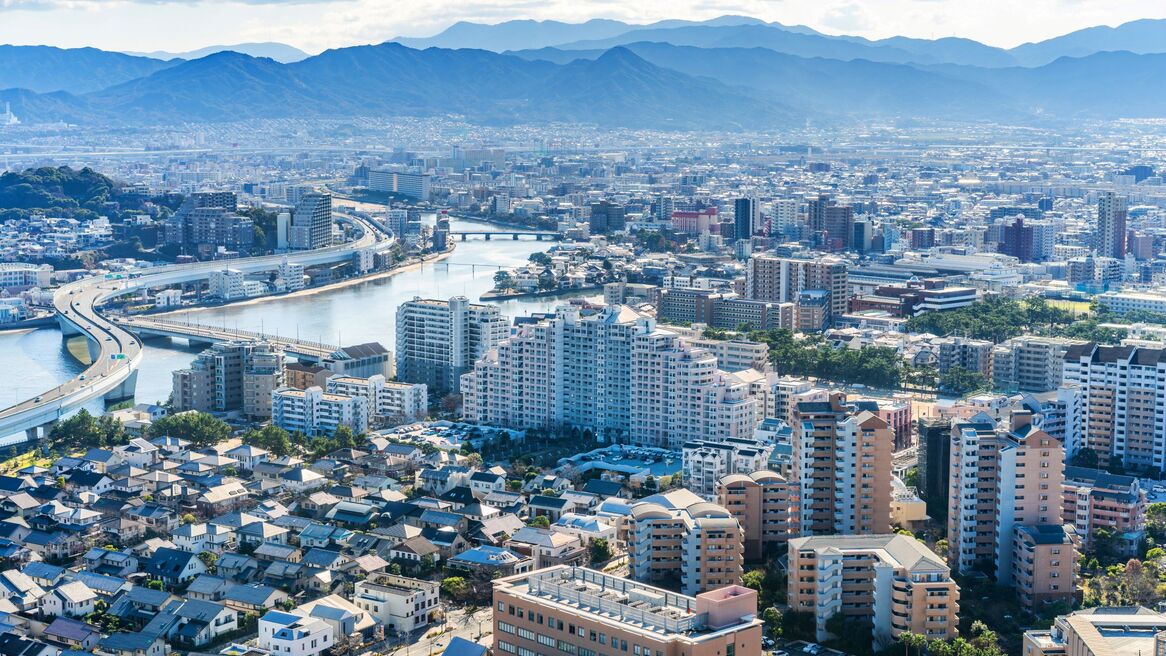
Did you know? Yakuin was once home to a temple called Yakuin Monzeki, which was destroyed during the Sengoku period. Today, the neighbourhood’s name is one of the few reminders of its Buddhist past.
Ideal for: Art & culture, park walks, sightseeing, local life, cafes
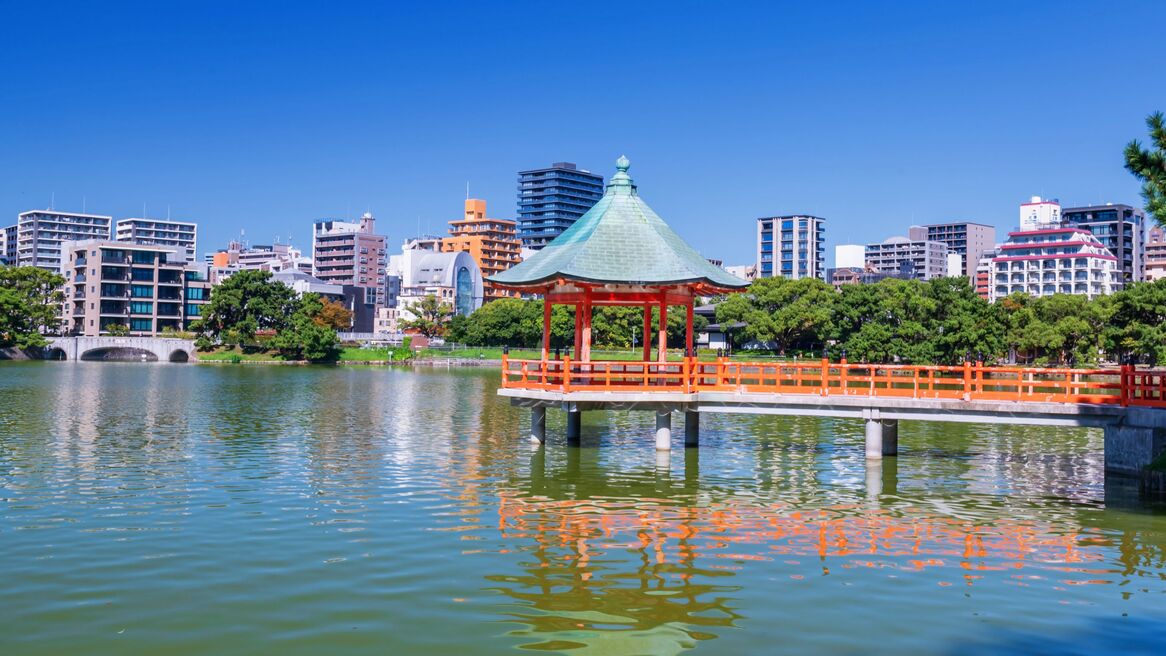
Families, couples and travellers who prefer green space and a slower pace (while still being close to central Fukuoka) will enjoy staying in Ohori Park & Ropponmatsu. Ohori Park is the star attraction, with a large lake, walking paths, a traditional Japanese garden and plenty of space for a stroll or picnic. Nearby, the Fukuoka Art Museum is worth a look, while Ropponmatsu has a good selection of restaurants, cafes and cultural spots. It’s a much calmer base than Tenjin or Nakasu, with a more residential feel and easy access to the city centre by subway.
Did you know? Ohori Park was once part of Fukuoka Castle’s outer moat. Today, you can still spot traces of the old castle grounds nearby, including the ruins of Fukuoka Castle in Maizuru Park.