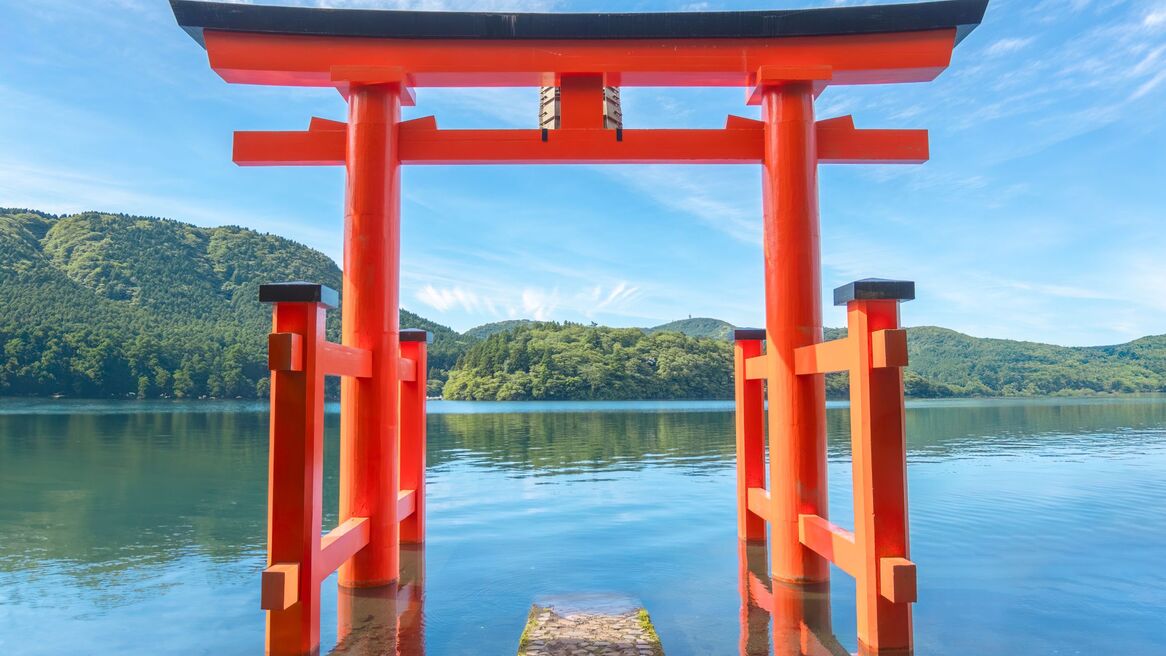
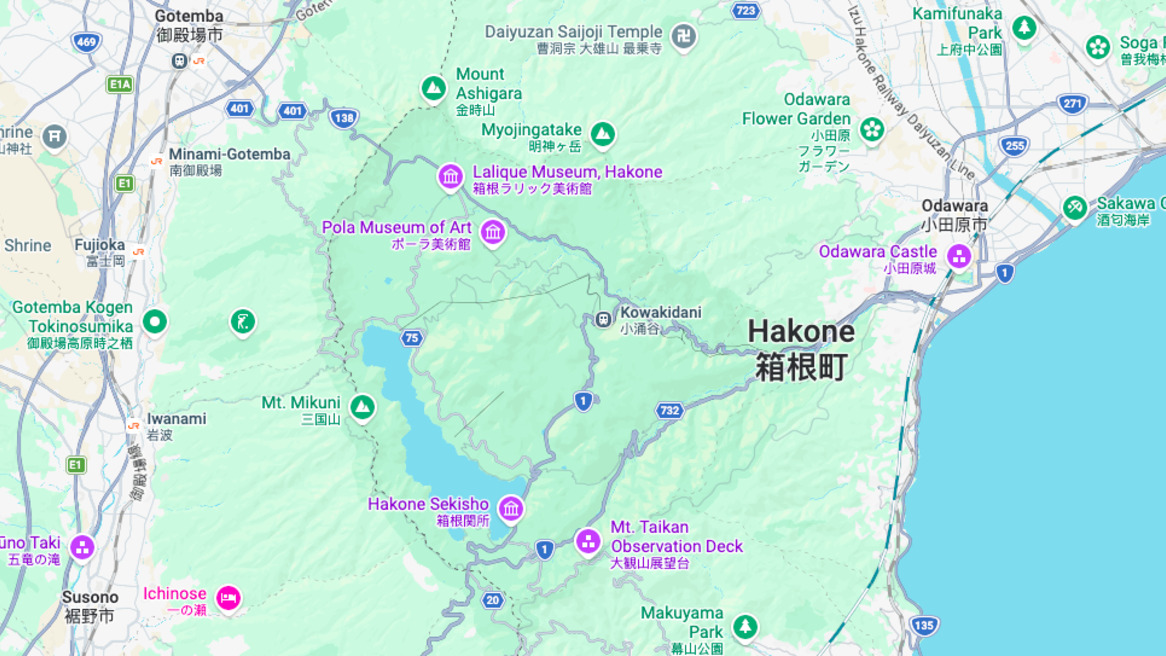
Hakone Yumoto is the liveliest and most convenient area, with a busy shopping street, cafes, restaurants and the gateway to the rest of the region. Miyanoshita feels more old-fashioned, with historic architecture, quirky shops, galleries and cafes, while nearby Gora is the cultural and wellness hub, home to the Hakone Open-Air Museum, Gora Park and the start of the cable car and Ropeway. Sengokuhara is quieter and greener, known for its pampas grass fields, museums and walking trails, ideal if you want to escape the crowds. Around Lake Ashi, Motohakone is the place for picture-postcard views, with Hakone Shrine’s famous torii gate, lakeside walks and sightseeing cruises. Accommodation ranges from simple guesthouses around Hakone Yumoto to traditional ryokans and luxury onsen hotels in Gora, Miyanoshita and the Lake Ashi area, so there’s plenty of choice for all tastes and budgets.
Hakone Yumoto
Ideal for: Onsen stays, shopping, local food, train access, day trips
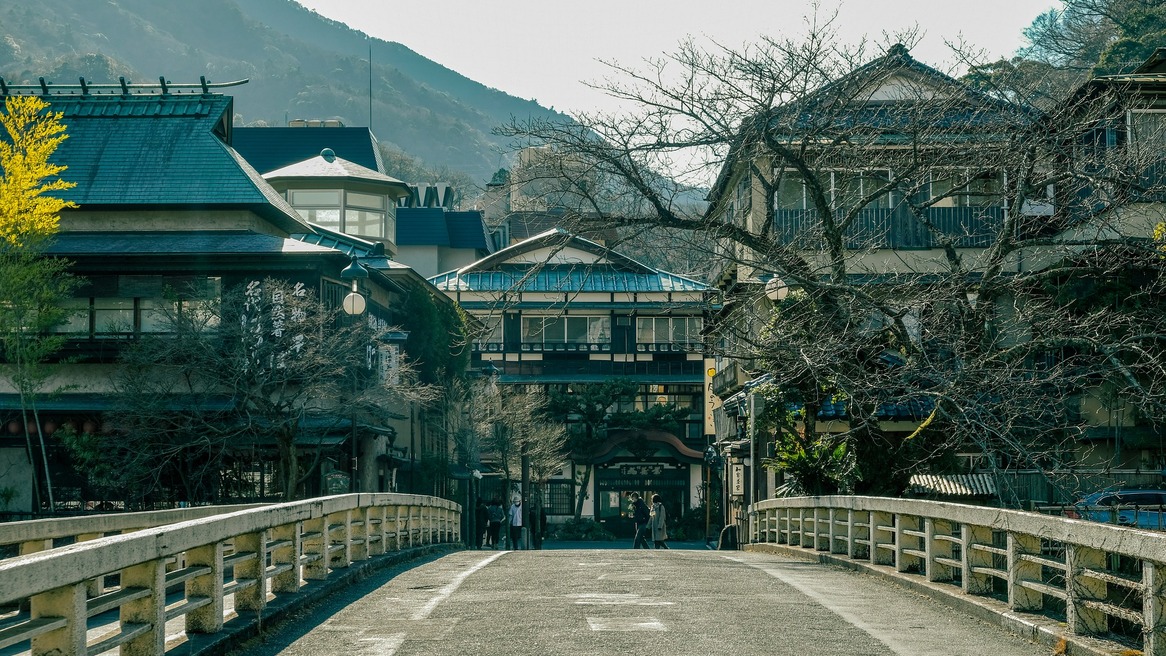
Hakone Yumoto is the best choice for first-time visitors, with Hakone’s main station making it a convenient base for exploring the wider area. The town itself is known for its hot springs, traditional ryokans and lively little shopping street, where you’ll find local sweets, souvenirs, cafes and restaurants. Wander along the Hayakawa River, browse the shops or soak in an onsen before catching a train, bus or the Hakone Tozan Railway into the mountains. It’s particularly good for couples, families and anyone visiting Hakone without a car, thanks to the excellent transport links. There are plenty of places to eat and drink, too, although it’s more about relaxed cafes and local specialities than nightlife.
Pros and cons
-
Pros
- excellent transport links
- walkable town centre
- lots of restaurants & cafes
- good choice of onsen hotels & ryokans
- easy access to wider Hakone
-
Cons
- tourist focused
- can get very busy at weekends
- hotel prices can be high
- steep, hilly streets
Did you know? Hakone Yumoto is the oldest hot spring resort in Hakone; people have been coming here to bathe in its mineral-rich waters for centuries.
Gora
Ideal for: Mountain views, art museums, garden walks, onsen stays
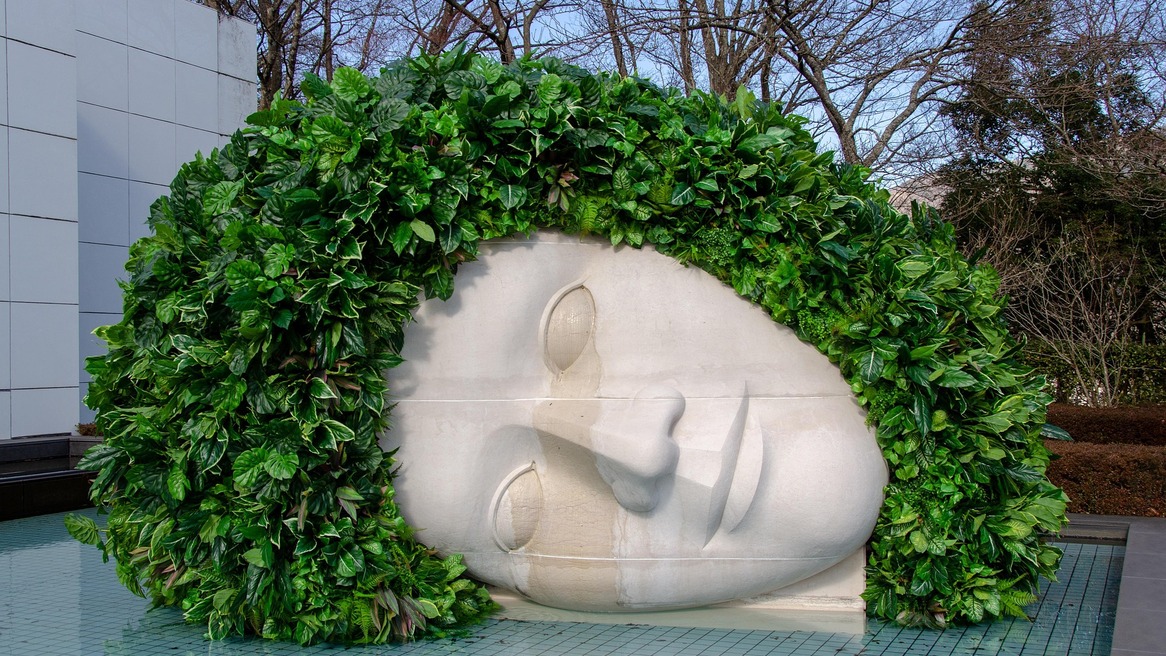 Image by Penny from Pixabay
Set in the mountains, Gora is home to the Hakone Open-Air Museum, where sculptures are displayed among gardens and mountain scenery, as well as Gora Park with its rose gardens, fountains and traditional tea house. It’s also a convenient starting point for the Hakone Ropeway, which heads up towards Owakudani’s volcanic landscape and Lake Ashi. The area is known for its ryokans and onsen, so it’s a good place to slow down with a hot spring soak after a day of sightseeing.
Pros and cons
-
Pros
- good transport links
- plenty of traditional ryokans
- peaceful setting
- close to top museums
- stunning mountain scenery
-
Cons
- can be expensive
- steep & hilly
- quieter after dark
- can get busy around major attractions
- less convenient for exploring on foot
Did you know? Gora is the highest point reached by the Hakone Tozan Railway, climbing to around 540 metres above sea level.
Lake Ashi & Motohakone
Ideal for: Mount Fuji views, lake cruises, shrine visits, lakeside walks, scenic stays
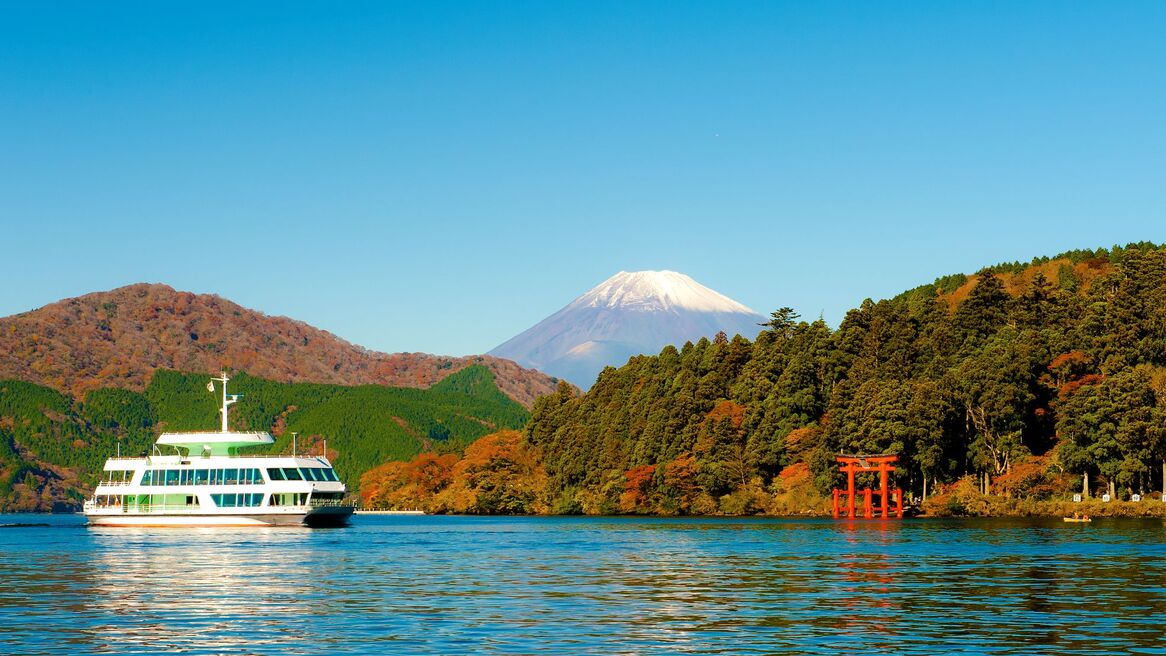
Lake Ashi & Motohakone are ideal for lovers of stunning scenery, couples, and visitors who want Hakone’s picture-postcard views. The big draw is Lake Ashi itself, where you can take a sightseeing cruise or wander the shoreline with views towards Mount Fuji on a clear day. In Motohakone, Hakone Shrine sits among the forest, with its famous red torii standing in the water. You can also walk part of the old Tokaido road, visit the Hakone Sekisho checkpoint and stop at lakeside cafes and restaurants. It’s quieter and more scenic than Hakone Yumoto, with traditional ryokans and hotels geared towards relaxing stays rather than nightlife.
Pros and cons
-
Pros
- beautiful lake scenery
- best area for Mt Fuji views
- historic Tokaido route
- peaceful, rural atmosphere
- great for couples
- Hakone Shrine nearby
-
Cons
- fewer restaurants & shops
- limited nightlife
- can be very busy during the day
- views of Mt Fuji depend on the weather
- accommodation can be pricey
Did you know? The famous red torii of Hakone Shrine stands in Lake Ashi and has become one of Hakone’s most recognisable sights. The shrine itself dates back to 757, making it one of the area’s oldest religious sites.
Sengokuhara
Ideal for: Nature walks, pampas grass, onsen stays, art museums, rural escapes
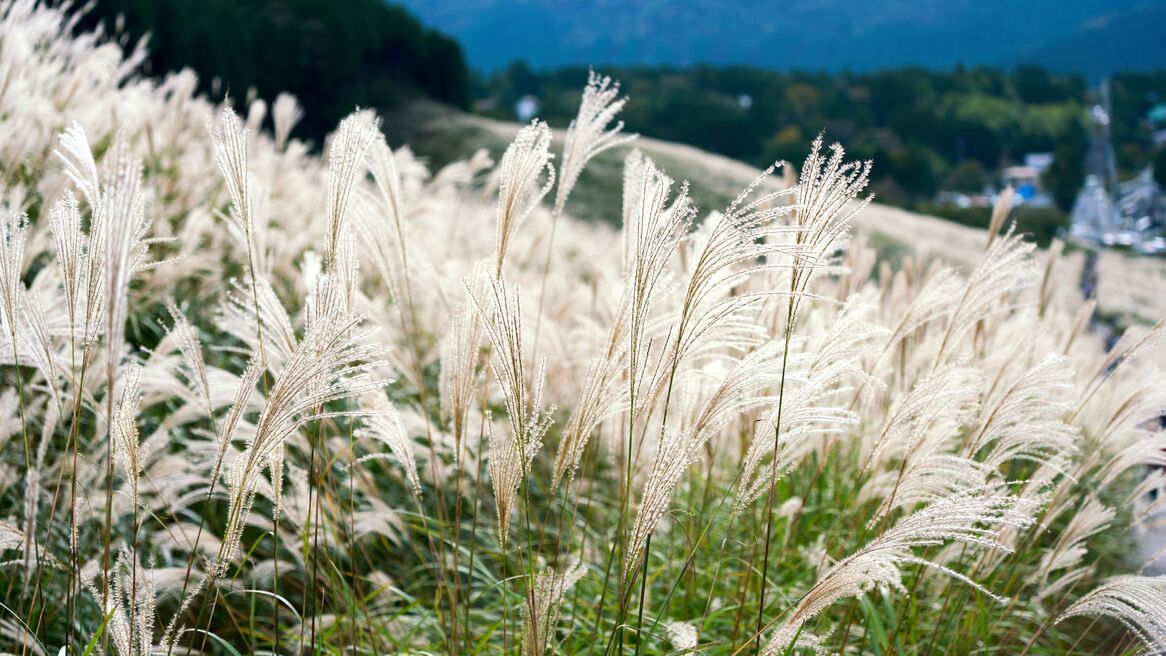
Sengokuhara is best known for its sweeping pampas grass fields, particularly beautiful in autumn, as well as its collection of art museums. Wander through the Hakone Venetian Glass Museum, explore the Pola Museum of Art or follow the trails around the surrounding hills. It’s greener and more spacious than Hakone Yumoto and Gora, with a handful of peaceful onsen resorts and ryokans. There are fewer shops and restaurants here, but that’s part of the appeal if you’re after a slower, more rural stay.
Pros and cons
-
Pros
- great for nature walks
- less touristy feel
- stunning autumn scenery
- excellent art museums
- peaceful setting
- plenty of onsen stays
-
Cons
- attractions are spread out
- busier during autumn
- limited nightlife
- fewer restaurants & shops
Did you know? Sengokuhara’s famous pampas grass fields turn a lovely golden colour in autumn. The area is so well known for them that the annual walking trail through the fields is one of Hakone’s most popular seasonal sights.
Miyanoshita
Ideal for: Historic inns, art galleries, cafe hopping, mountain walks, onsen stays
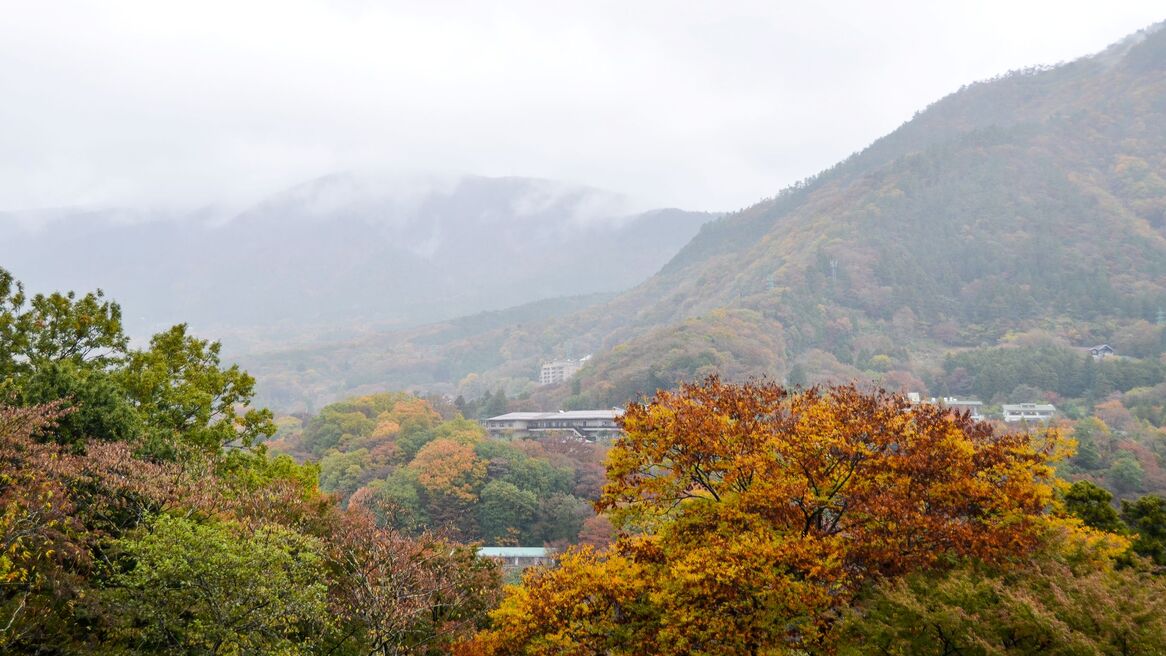
Once a fashionable hot spring retreat, Miyanoshita still has a historic feel, with traditional buildings, independent shops, cafes and small galleries lining the streets. Pop into the quirky NARAYA Cafe, browse the antiques and crafts, or wander through the leafy grounds of Horai Garden. It’s also a handy base for exploring the wider Hakone area, with the Hakone Tozan Railway passing through. The atmosphere is quieter than Hakone Yumoto, but there’s still enough going on to keep you entertained, and it's a lovely choice for couples, culture lovers and anyone who likes a bit of old-world charm.
Pros and cons
-
Pros
- peaceful mountain setting
- traditional ryokans & onsens
- charming independent shops
- historic atmosphere
- good cafes & restaurants
-
Cons
- steep, hilly streets
- can be quiet after dark
- accommodation can be pricey
- fewer attractions than Gora
Did you know? Miyanoshita's historic Fujiya Hotel opened here in 1878 and became one of the country’s earliest Western-style resort hotels, welcoming guests including John Lennon and Yoko Ono.