
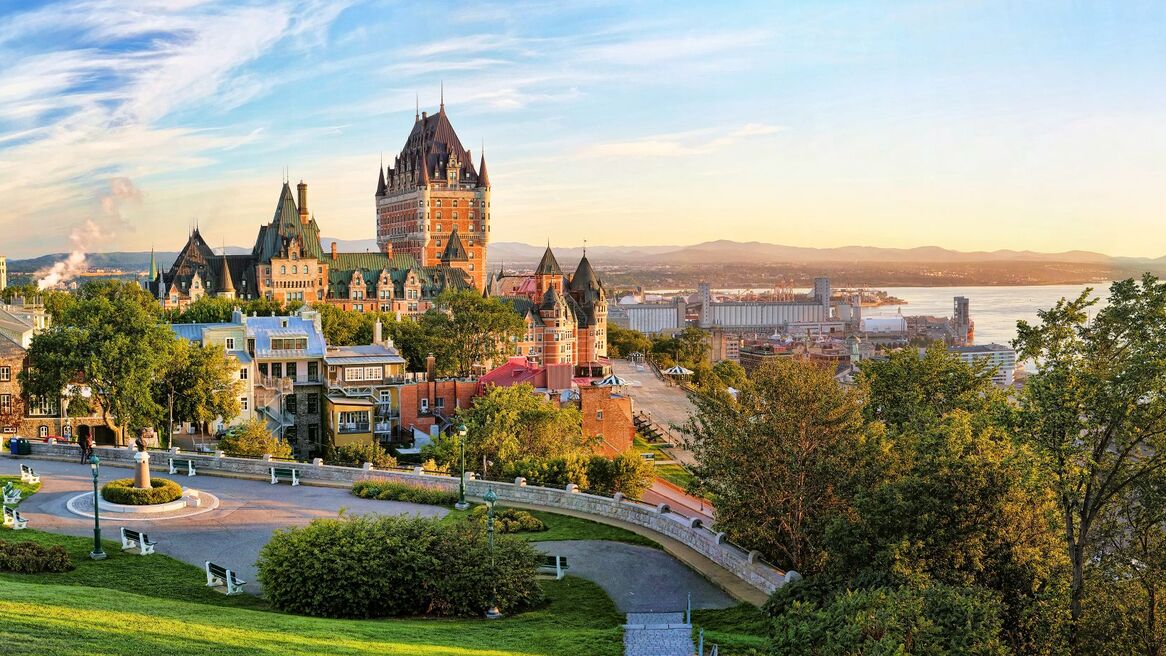
Québec City is the oldest French-speaking city in North America, known for its French culture, but also for its rich and lively culture, architecture, and historic, cobbled streets. Québec City’s old town, Old Québec, with its 17th and 18th century buildings and European-feeling cafes, restaurants, bars, museums and galleries, is UNESCO World Heritage Listed. Contemporary Québec City is also known for its calendar of festivals and events
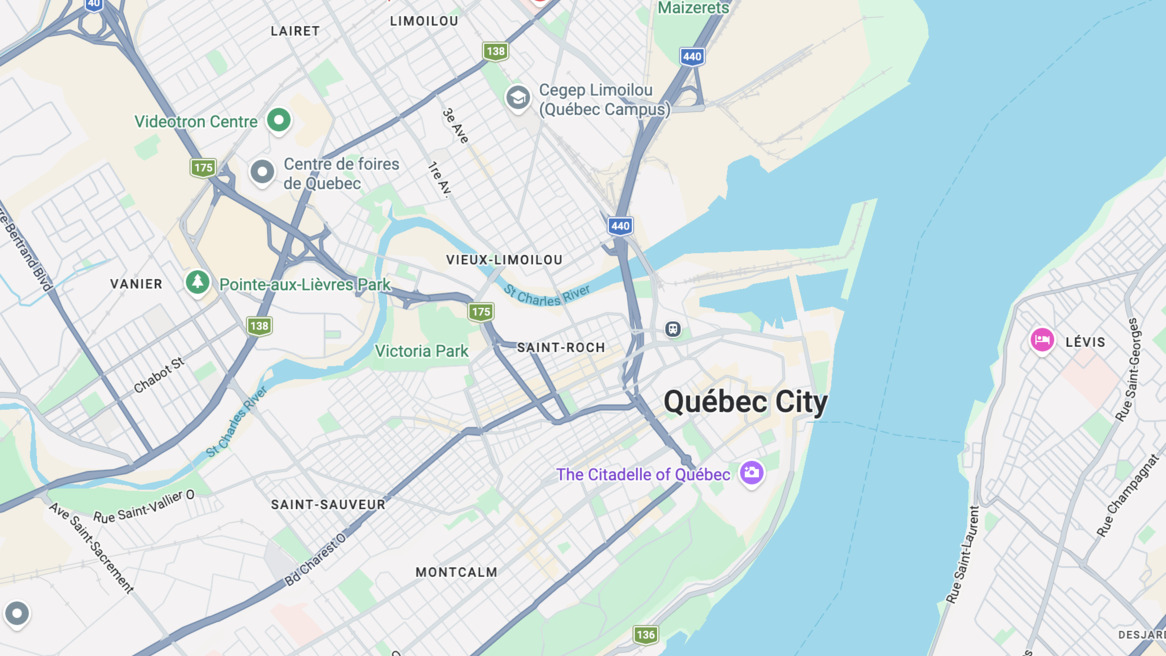
Old Québec is an obvious choice for visitors: walkable, with many of the major local sights, and an excellent range of accommodation options including historic B&Bs and boutique hotels. There’s an upper town and a lower town; the Upper Town is positioned on a cliff, overlooking the St. Lawrence River, and the Lower Town has more accommodation options. The neighbourhoods of Saint-Roch and Saint-Jean-Baptiste offer a more contemporary feel, with hip hotels, cool boutiques, and livelier nightlife. Saint-Roch has the craft breweries and bistros, and Saint-Jean-Baptiste is artier, with vintage shops and plenty to do after dark. Montcalm is even artier, home to a number of excellent art galleries and museums too. Limoilou is another historic part of town, with mature trees, narrow streets, small shops and a gourmet food scene which includes restaurants, delis, cafes and markets. Limoilou is also a good neighbourhood for green space.
Ideal for: city breaks, first-time visitors, sightseeing, romantics, short stays, families, history lovers
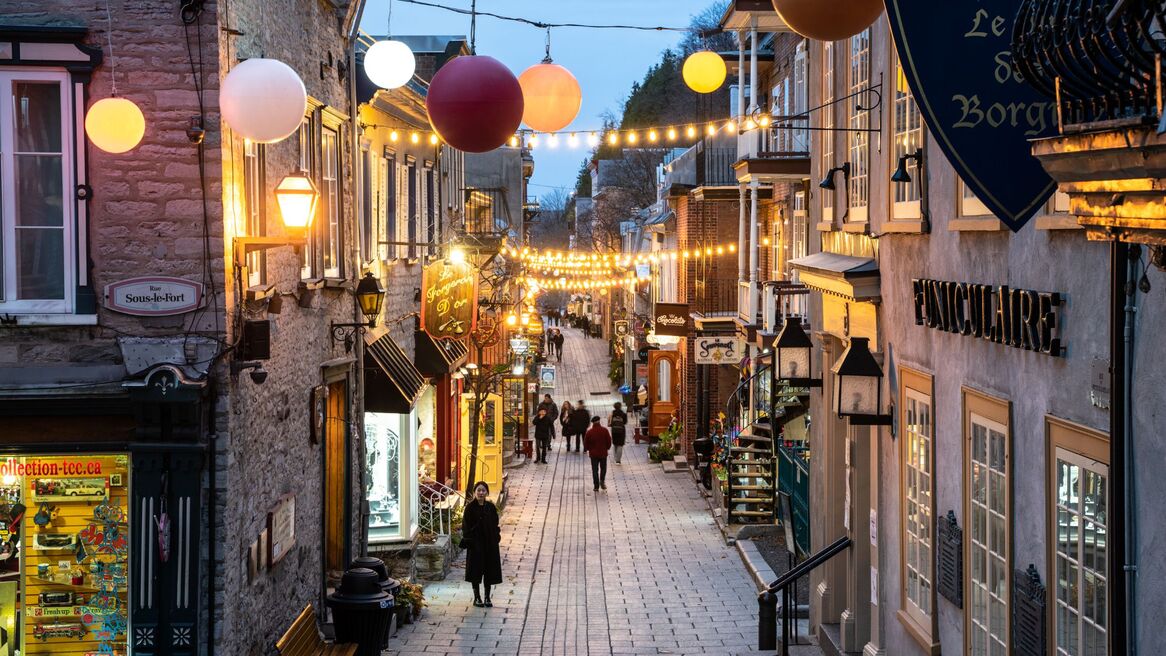
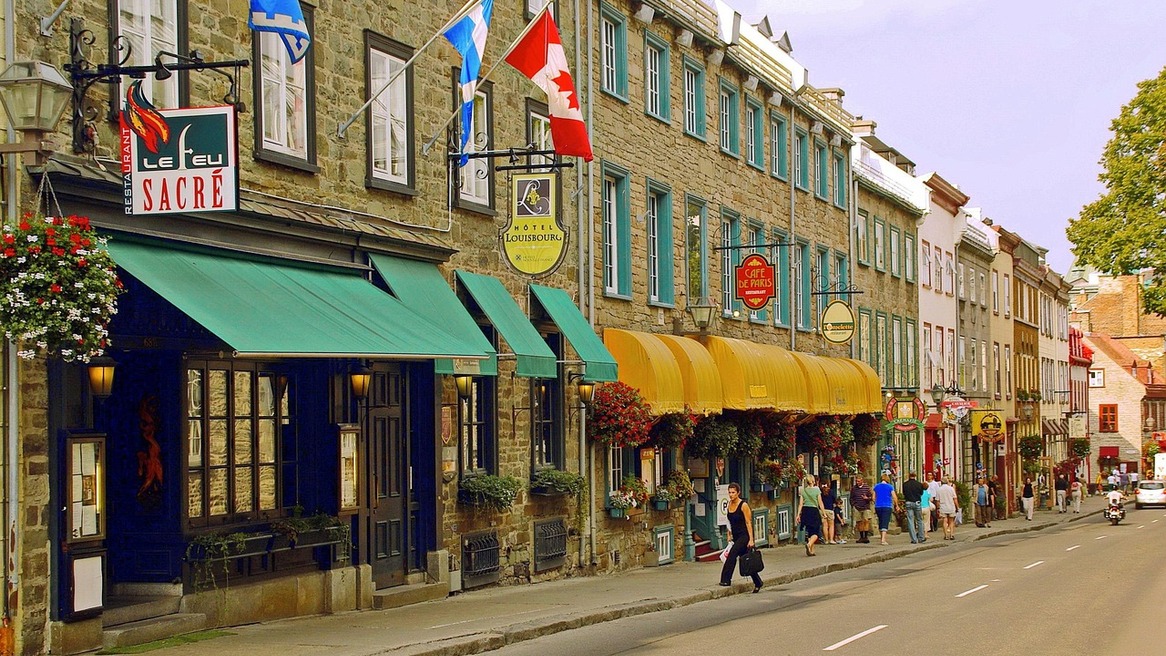
Old Québec is this city’s famously walled and historic heart. It's packed with architectural treasures and is UNESCO World Heritage Listed. Old Québec’s colonial architecture is around 400 years old, and the walls aren’t just walls, they’re a proper fortification, with ramparts and bridges over roads, four gates and gatehouses and three Martello towers, the Citadelle and plenty of cannons. The walled section is often referred to as the Upper Town, and the parts of the district running along the river are the Lower Town. Inside the walls are further architectural treasures, including Château Frontenac (a hotel) and Dufferin Terrace, which is the road that connects Château Frontenac and the Citadelle, and is renowned for its great views. Within the fortifications, the streets are more densely arranged, with the maze-like quality of a city built before cars. There are many streets worth seeking out, but if you’re walking from the Château Frontenac towards the cathedral, you could easily pass through the Artists’ Street, Rue du Tresor, which is lined by covered art stalls, so it’s like an outdoor gallery. Another that's worth mentioning is Rue Saint-Jean: here you’ll find charming architecture filled with shops, cafes, bars and restaurants, plus some very nice historic churches. There’s also Québec’s City Hall, and the Séminaire de Québec. This is a wonderful place to explore on foot; there are so many landmarks and other things to see.
Did you know? Old Québec has an 'oldest staircase', the Escalier Casse-Cou, which is also known for being particularly treacherous, so take its 59 steps with care!
Discover our recommended hotels near Old Québec
Explore more >
View all hotels in Old Québec
Explore more >
Ideal for: foodies, families, night owls, party people
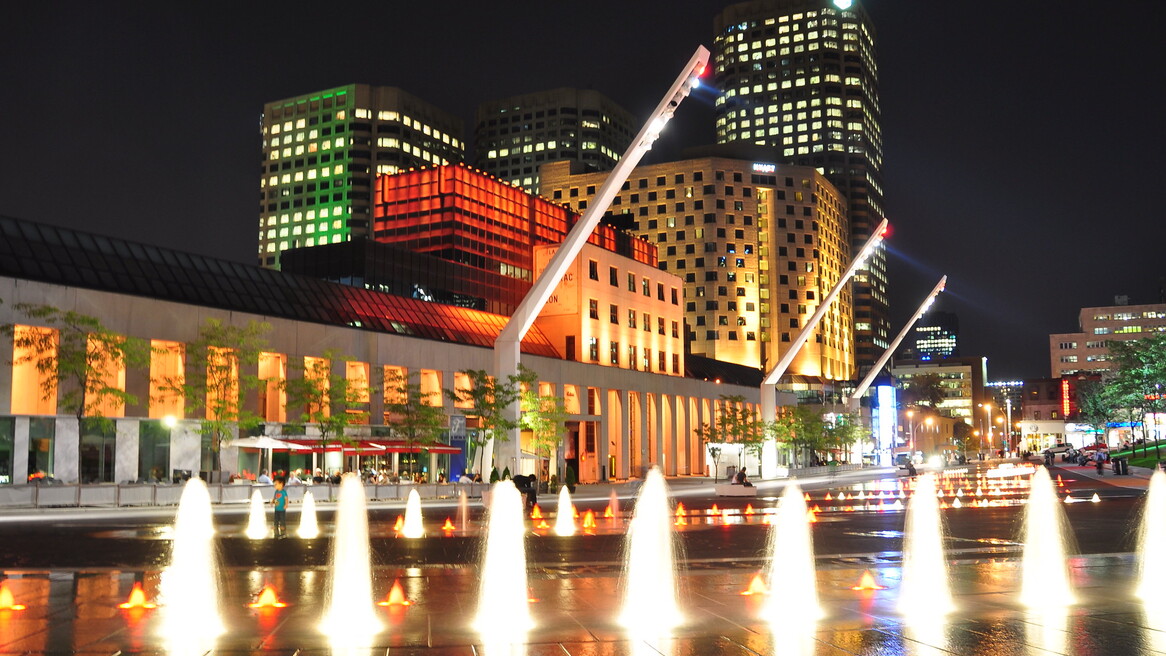
Saint-Roch is Québec City’s contemporary downtown. It spreads outwards from Rue Saint-Joseph, which is a 15-20 minute walk downhill from Old Québec. One of its major landmarks is the Église Saint-Roch, a huge Gothic Revival church. It is also well known for its tech start-ups, design studios, local boutiques, creative cafes and restaurants that spill out onto the pavements, cool cocktail bars, and craft beer. Saint-Roch is a fantastic place for foodies to visit, or stay, with a notably creative culinary scene, and plenty of really successful and delicious options at every price point. If you opt for take-away, the Jardin Jean-Paul-L’Allier is a lovely place for a picnic; it’s got a great waterfall. Expect an arty crowd and some fantastic street art.
Did you know? In the 1960s this was a commercial artery, in first half of the 19th century Saint-Roch was a shipbuilding centre, but it was established by a community of Recollects in 1620, who dedicated their church to Saint-Roch.
Discover our recommended hotels near Saint Roch
Explore more >
View all hotels in Saint Roch
Explore more >
Ideal for: city breaks, sightseeing, foodies, art lovers, romantics, families, shopping, luxury lovers
The Montcalm neighbourhood is one of Québec City’s artiest and most culturally vibrant; think museums, galleries, theatres, shopping, and some of the most-reviewed restaurants in Québec City. It is just outside the city walls, but still packed with historic sights. Grande Allee is one of the area's main streets of Montcalm, and it appears on many a Québec City bucket list, wherever you’re planning to stay, because it’s populated with impressive architecture (lots in grand, Second Empire style, including some truly fancy residences), chi-chic boutiques, and restaurants and bars. Broad and tree-lined, Grand Allee is now the main street for city parades. The other Montcalm street you mustn't miss is Avenue Cartier. This is where you’ll find the bookshops, independent cafes, bars, restaurants and boutiques, and the Cinema Cartier, the only cinema in downtown Québec City. Montcalm is also where you can see Québec’s Parliament, and the edge of the Plains of Abraham Park, the largest green space in Québec City, which runs along the neighbourhood’s edge.
Did you know? The street lights on Avenue Cartier have huge lampshades printed with images from famous paintings from the Musée National des Beaux-Arts de Québec.
Discover our recommended hotels near Montcalm
Explore more >
View all hotels in Montcalm
Explore more >
Ideal for: city breaks, sightseeing, hipsters, foodies, art lovers, families, night owls
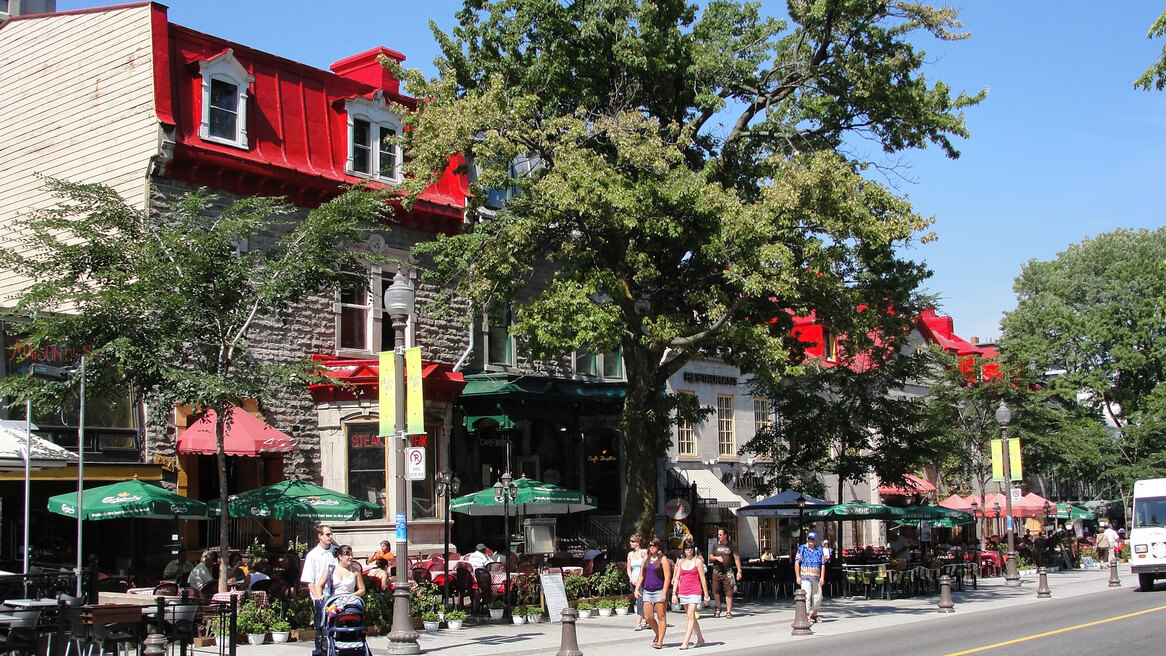
The Saint-Jean-Baptiste neighbourhood runs along Rue Saint-Jean, a cool street which starts just outside the walled, historic part of the city. Rue Saint-Jean doesn’t define the whole neighbourhood, but it’s certainly fair to describe it as the neighbourhood’s main street. It’s lined with cafes, bakeries, local boutiques, bookshops and record shops, independent bars, and cosy bistros and restaurants. As the evenings wear on, you’ll spot the music venues and theatres opening up too. The Grand Theatre de Québec is one of the local landmarks, and you’ll find it easy to spot the rather ornate facade of the Saint-Jean-Baptiste Church. This is a residential neighbourhood, and easily explored on foot, and if you’re here in summer you’ll find some of Rue Saint-Jean pedestrianised. If you walk northwards, you’ll see the neighbourhood's residential side, a traditionally Québecois residential neighbourhood of wooden houses with ornate entrances and oriel windows neatly sandwiched together.
Did you know? Saint-Jean-Baptiste is a good place to keep an eye out for Québec City's famous stairs.
Discover our recommended hotels near Saint-Jean-Baptiste
Explore more >
View all hotels in Saint-Jean-Baptiste
Explore more >
Ideal for: relaxed breaks, families, foodies, living like a local
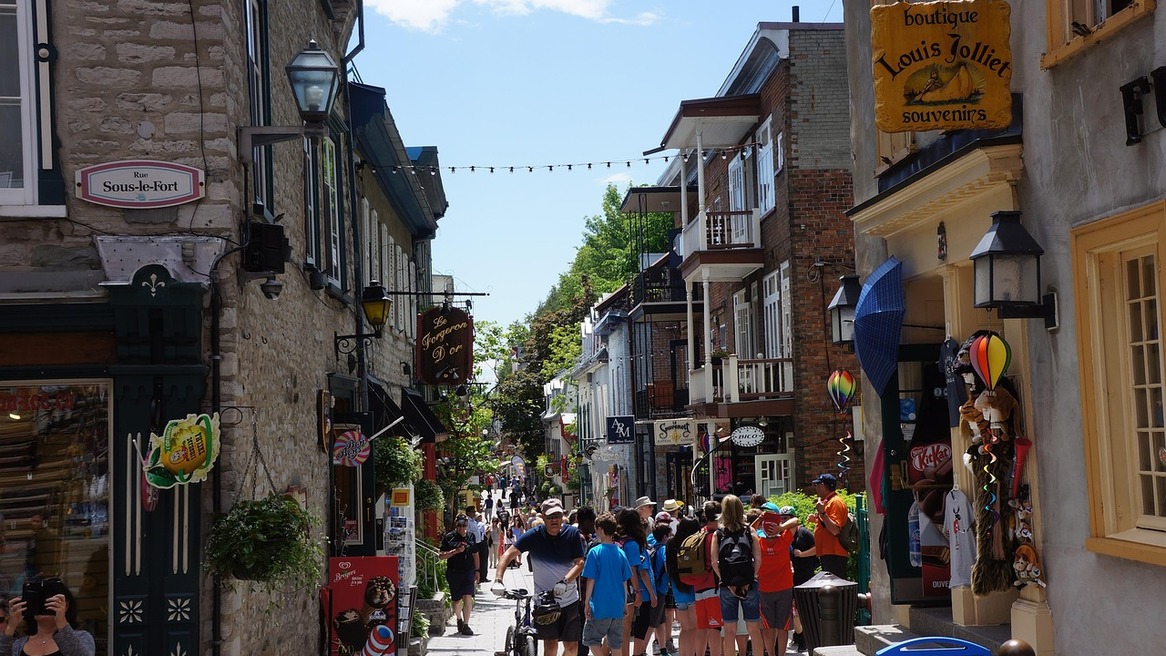 Image by thetsoetns from Pixabay
Limoilou is popular with Québec City locals, as well as visitors to the city, for lots of reasons, some of them being Québec City’s green spaces, its street art, and its fantastic foodie culture, with produce markets, delis, grocers, bakeries and butchers, restaurants, cafes, and microbreweries. Le Grand Marché is a good place to start experiencing Limoilou’s food offerings, while the Cartier-Brébeuf park is a good place to start appreciating Old Québec’s green space. It’s on a bend in the Saint Charles River, and has landscaped, riverside paths and open spaces. Limoilou also has more than its fair share of boutiques and galleries showcasing the arts and crafts of local producers.The area's rich cultural calendar of markets, fetes and festivals complements the wider offering of Québec City, but there’s certainly plenty of reasons to choose Limoilou as a base.
Did you know? Like New York, Limoilou's layout is grid-like, with numeric street names. 3rd Avenue has a lot to offer.