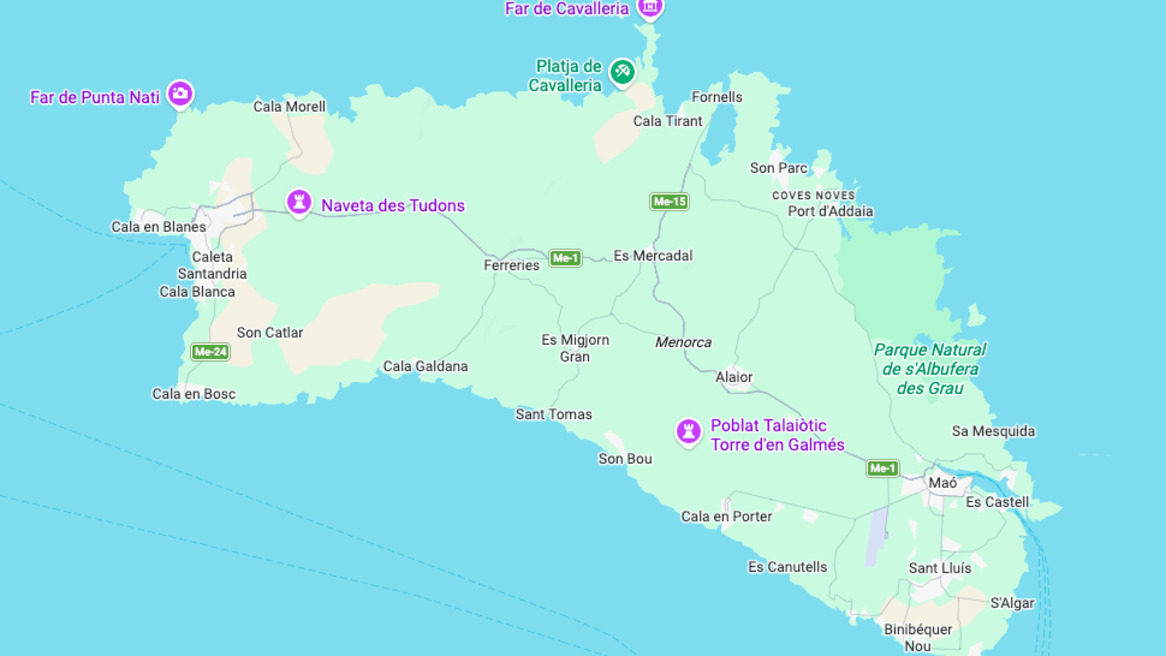

Menorca is easy to explore, but each area has a very different feel, so where you stay can make a big difference. Ciutadella is the place for cobbled lanes, historic buildings, lively squares, the old harbour and a good selection of restaurants and bars. Mahón has a more urban feel, centred around one of the world’s largest natural harbours, with waterfront restaurants, historic streets, markets and museums to explore. For classic beach holidays, Cala Galdana has a beautiful horseshoe-shaped sandy beach, calm swimming water and coastal walks, with a variety of family-friendly resorts nearby. Son Bou is home to Menorca’s longest beach, backed by dunes and wetlands, making it a good base for swimming, walking and water sports. Binibeca is a pretty coastal village with whitewashed houses, little lanes and rocky coves, while the nearby beaches and clear water are great for swimming and snorkelling. For something quieter, Fornells sits around a sheltered bay on the north coast, with a laid-back fishing village feel and plenty of opportunities for water sports and boat trips.
Ideal for: Historic charm, foodie breaks, sunset drinks, harbour strolls
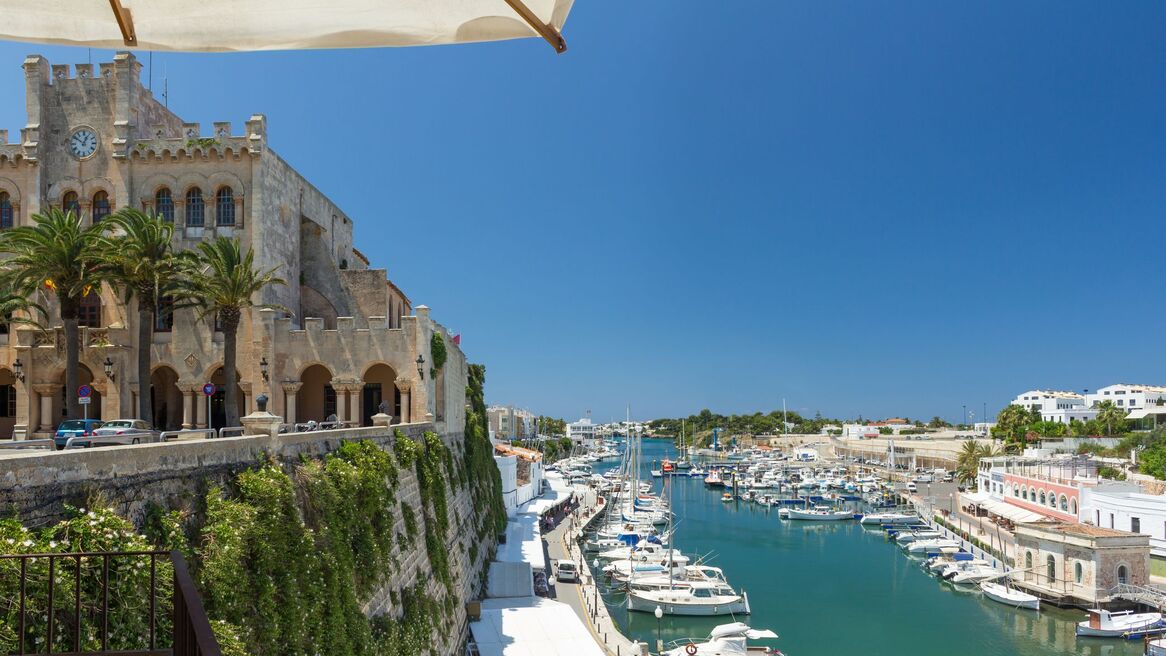
Ciutadella is the most obvious place to stay for first-time visitors and culture lovers who want a bit more than a beach resort. Menorca’s former capital is packed with charming cobbled lanes, handsome palaces, pretty squares and historic churches, while the old harbour is lined with restaurants and bars. It’s small enough to explore on foot, with plenty of spots for a long lunch, evening drinks or sunset by the water. Stay here for boutique hotels, stylish guesthouses and a few historic properties, many within easy walking distance of the old town and harbour.
Did you know? Ciutadella was Menorca’s capital until 1722, when the British moved the island’s capital to Mahón. You can still see its former importance in the grand palaces, churches and historic buildings around the old town.
Discover our recommended hotels near Ciutadella
Explore more >
View all hotels in Ciutadella
Explore more >
Ideal for: Shopping trips, history lovers, harbour views, boutique hotels
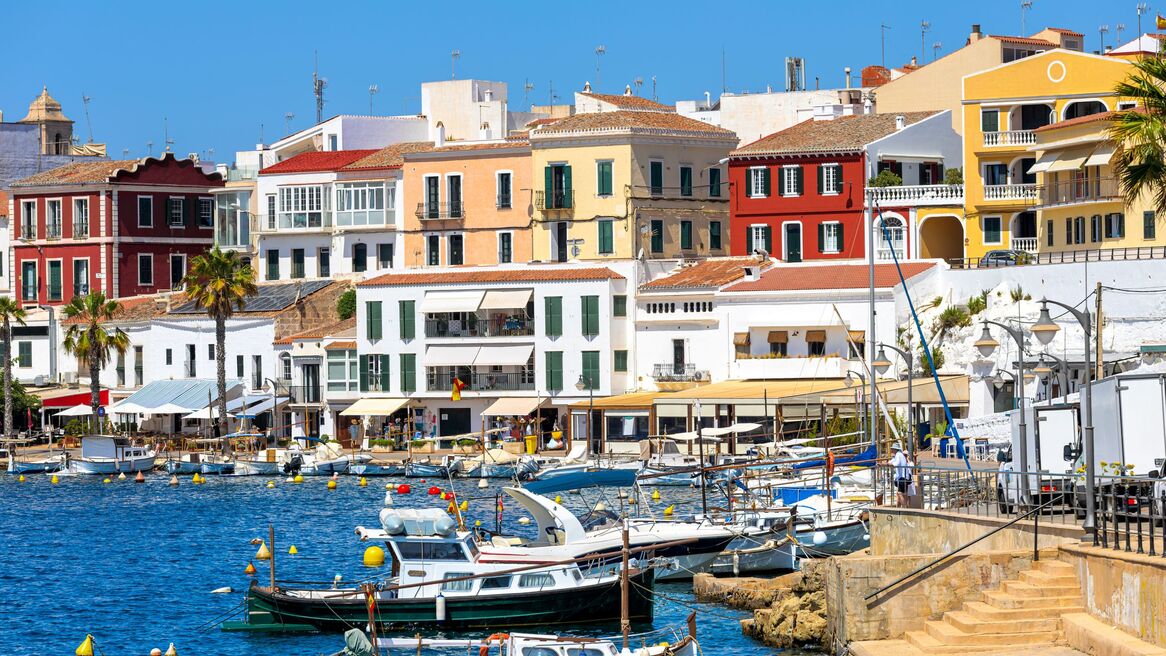
The island’s capital, Mahón is built around one of the world’s largest natural harbours, with waterfront restaurants, historic streets, lively markets and a variety of shops to browse. Stay here for stylish boutique hotels, smart townhouses and a handful of elegant historic properties, with the harbour and old town right on your doorstep.
Did you know? Mahón is where Menorca’s gin tradition began. The drink was introduced during British rule in the 18th century, and you can still visit the historic Xoriguer distillery in the harbour today.
Ideal for: Beach holidays, family breaks, water sports, coastal walks, swimming
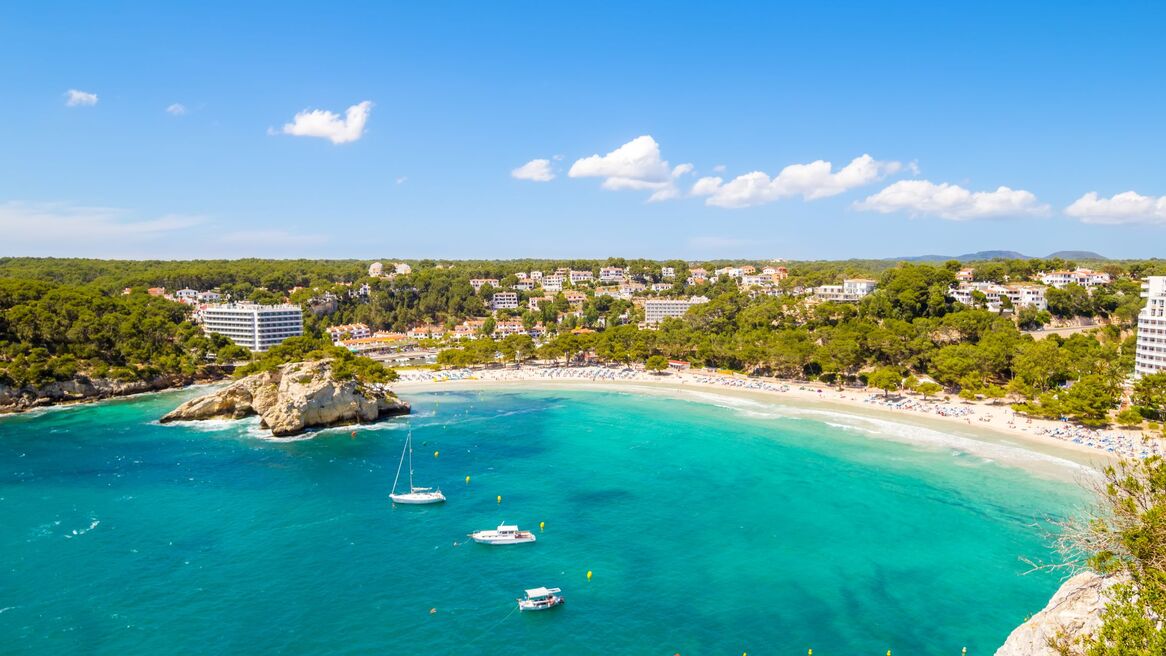
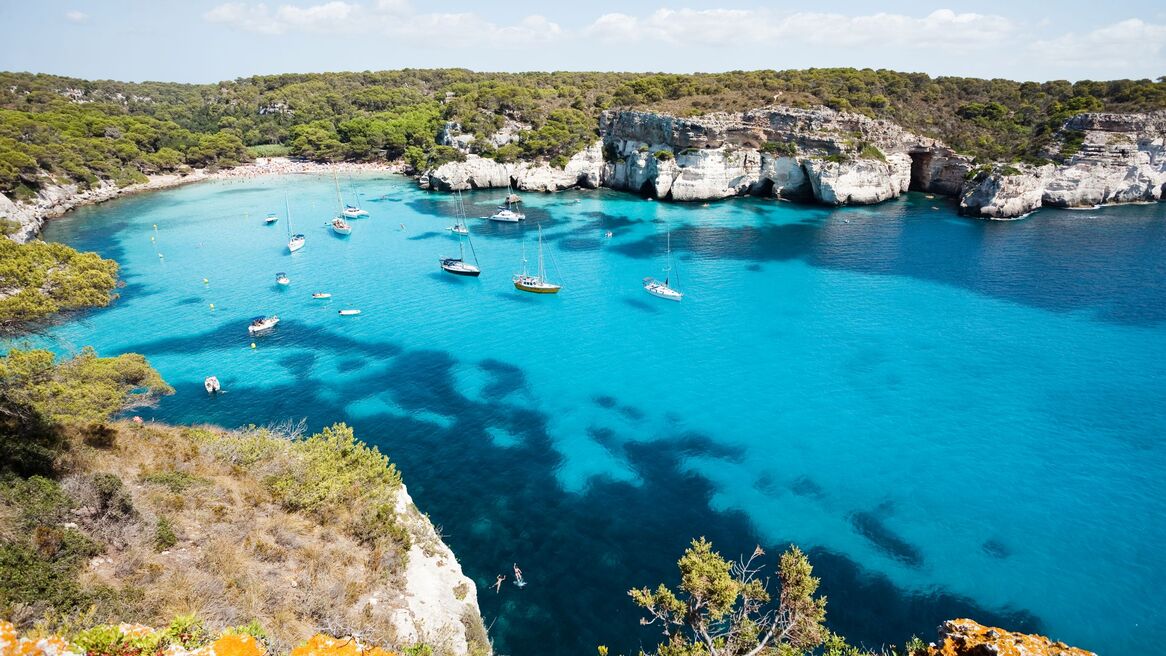
The main draw of Cala Galdana is the beautiful horseshoe-shaped sandy beach, with calm, clear water that’s ideal for swimming and paddleboarding. There are coastal paths to nearby Cala Mitjana and Cala Macarella, plus lots of restaurants and bars around the resort. Hotels here are mainly family-friendly resorts and apartment-style stays, with a few smarter options overlooking the bay.
Did you know? Cala Galdana is sometimes nicknamed the “Queen of the Calas” thanks to its wide, horseshoe-shaped bay, surrounded by cliffs and some of Menorca’s clearest turquoise water.
Discover our recommended hotels near Cala Galdana
Explore more >
View all hotels in Cala Galdana
Explore more >
Ideal for: Resort stays, beach holidays, family breaks, nature walks, water sports
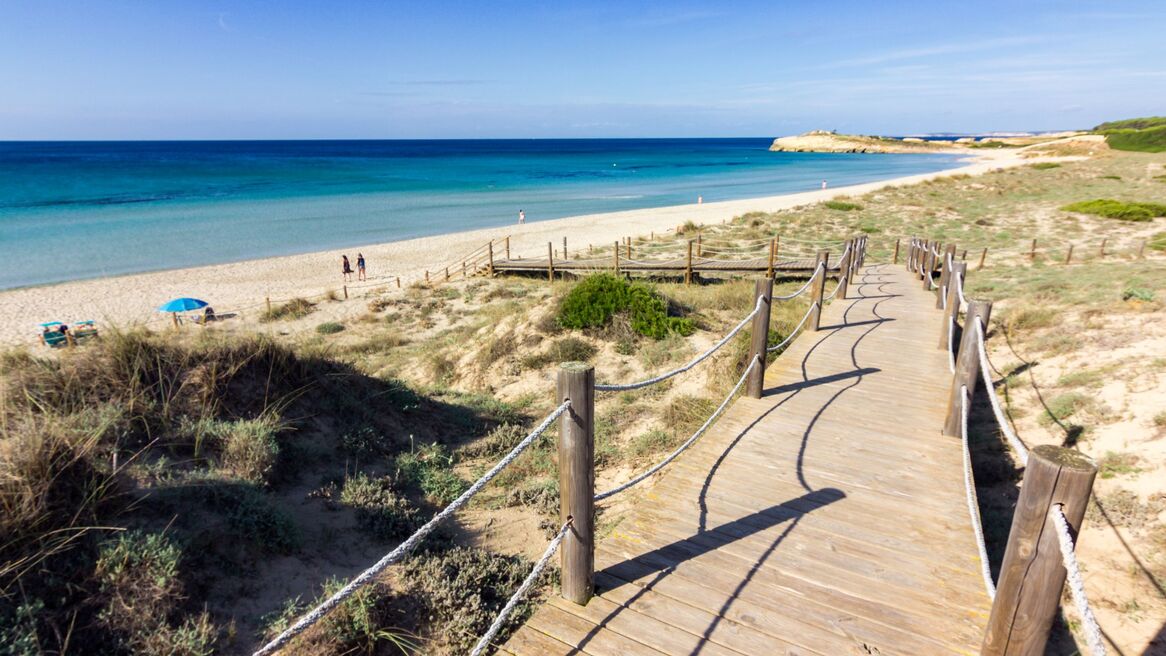
Son Bou's long stretch of golden sand is Menorca’s longest beach, surrounded by dunes and wetlands that are great for walking and birdwatching. There are water sports, restaurants and bars around the resort, while the nearby Torre d’en Galmés adds a bit of history. Hotels are mostly family-friendly resorts, apartments and self-catering stays.
Did you know? Just behind Son Bou beach are the remains of a 5th century Christian basilica, built when Menorca was part of the Roman Empire. You can still see the foundations and stone walls today.
Discover our recommended hotels near Son Bou
Explore more >
View all hotels in Son Bou
Explore more >
Ideal for: Village strolls, snorkelling, couples' breaks, beach escapes
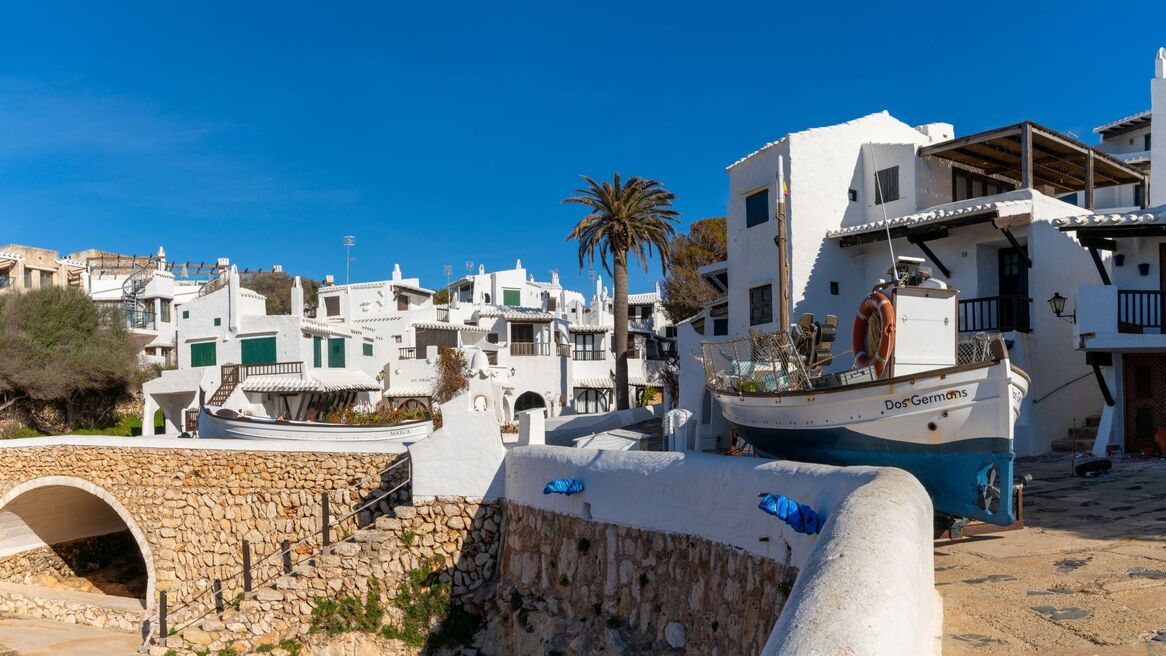
Binibeca is a great spot for couples, families and anyone in search of a pretty coastal base with a laid-back feel. The famous Binibeca Vell is a maze of whitewashed lanes lined with little houses, while nearby Binibeca beach has clear, shallow water for swimming and snorkelling. There are seafood restaurants and relaxed bars around the coast, plus various coves to discover. Hotels are mostly smaller, low-key properties, with apartments and villas being particularly popular.
Did you know? Binibeca’s name comes from the nearby settlement of Binibèquer; the area was once a much quieter fishing community.
Discover our recommended hotels near Binibeca
Explore more >
View all hotels in Binibeca
Explore more >
Ideal for: Quiet escapes, seafood lovers, boat trips, water sports, coastal walks
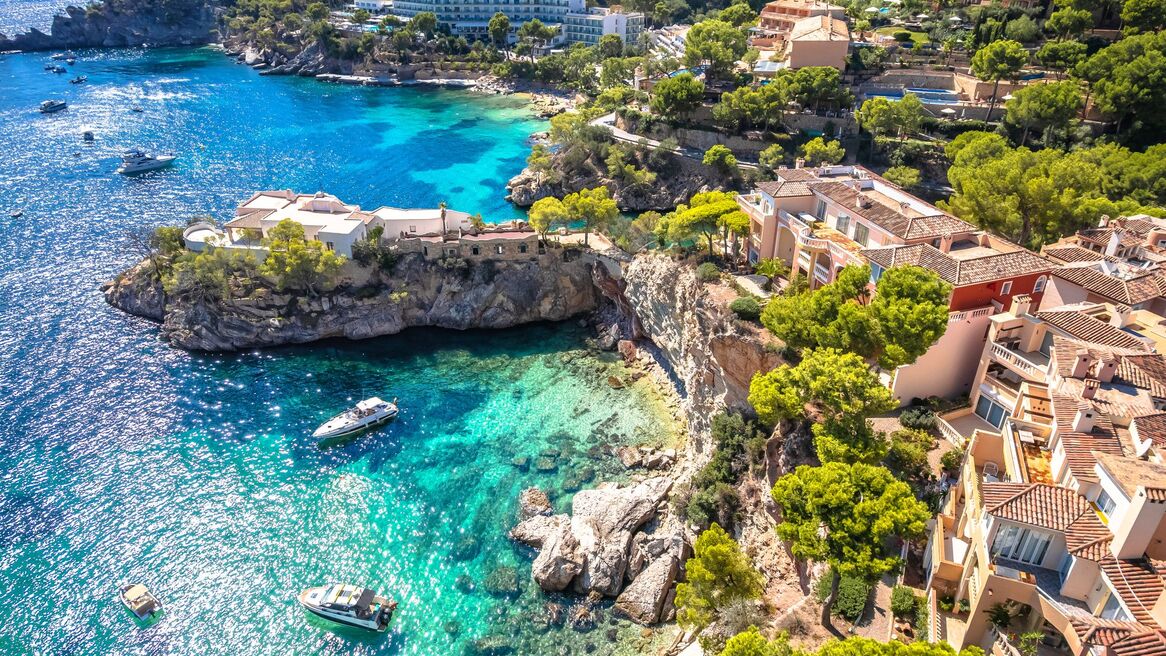
The pretty fishing village of Fornells sits around a sheltered bay, boasting a waterfront lined with seafood restaurants, small boats and relaxed bars. It’s particularly well known for 'caldereta de langosta', Menorca’s famous lobster stew. The surrounding coast is ideal for kayaking, sailing and boat trips. Accommodation is mainly small, characterful properties, with apartments and villas also popular.
Did you know? Fornells’ famous lobster stew, 'caldereta de langosta', was once a humble fishermen’s dish. Today, it’s one of Menorca’s best-known specialities, and the village is considered one of the island’s best places to try it.