
 Image by Magdica Makedonka from Pixabay
Gorgeously historic with its flamboyant Moorish architecture, yet super hip and lauded by foodies, Seville is a wonderful city break destination. Romantic if you want it to be, but fun too, Seville’s compact layout makes it easy to explore, but there’s still plenty of variation between neighbourhoods. The historic centre, Centro Seville, has large pedestrianised areas radiating outwards from the cathedral, and is known for its many landmarks, and five-star hotels — though there’s plenty of variation in accommodation. Santa Cruz is another central neighbourhood, but with a labyrinthine layout, and old residential buildings covered in colourful tiles. Some of these are now guesthouses, hotels and aparthotels, others shops, bars and cafes. Alfalfa is great for foodies, and Alameda is a good pick if you want to experience Seville’s buzzing nightlife. Then there’s The Arenal, the old docks, right by the water; this really is a city with a neighbourhood to suit every visitor!
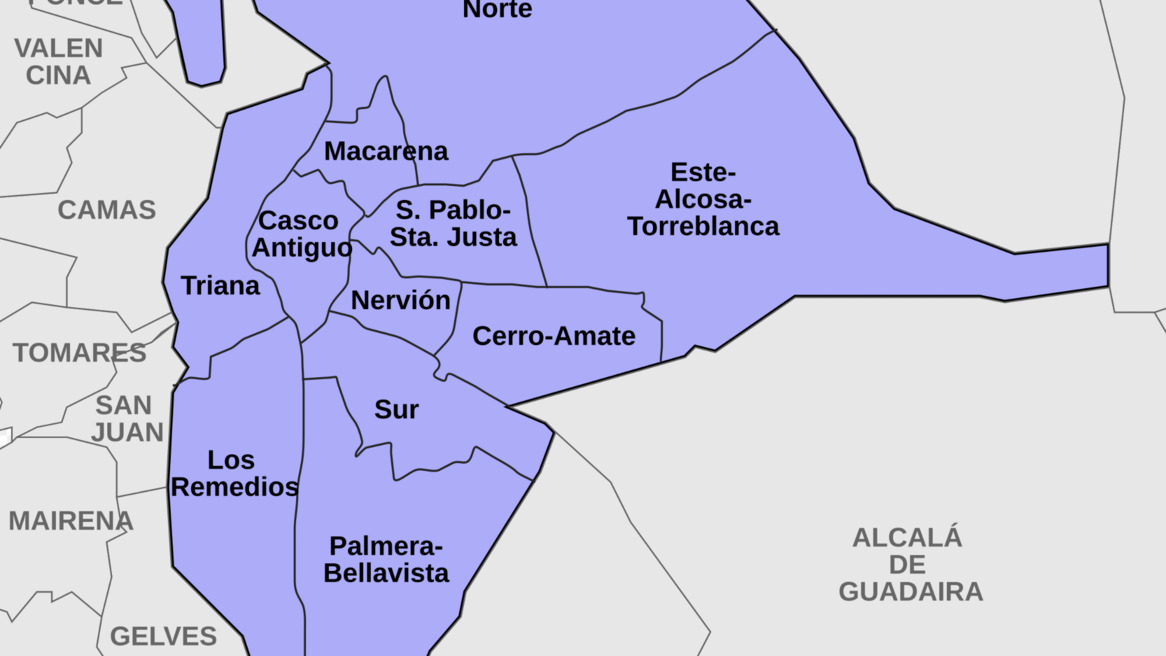 Neighbourhoods of Seville via Wikimedia
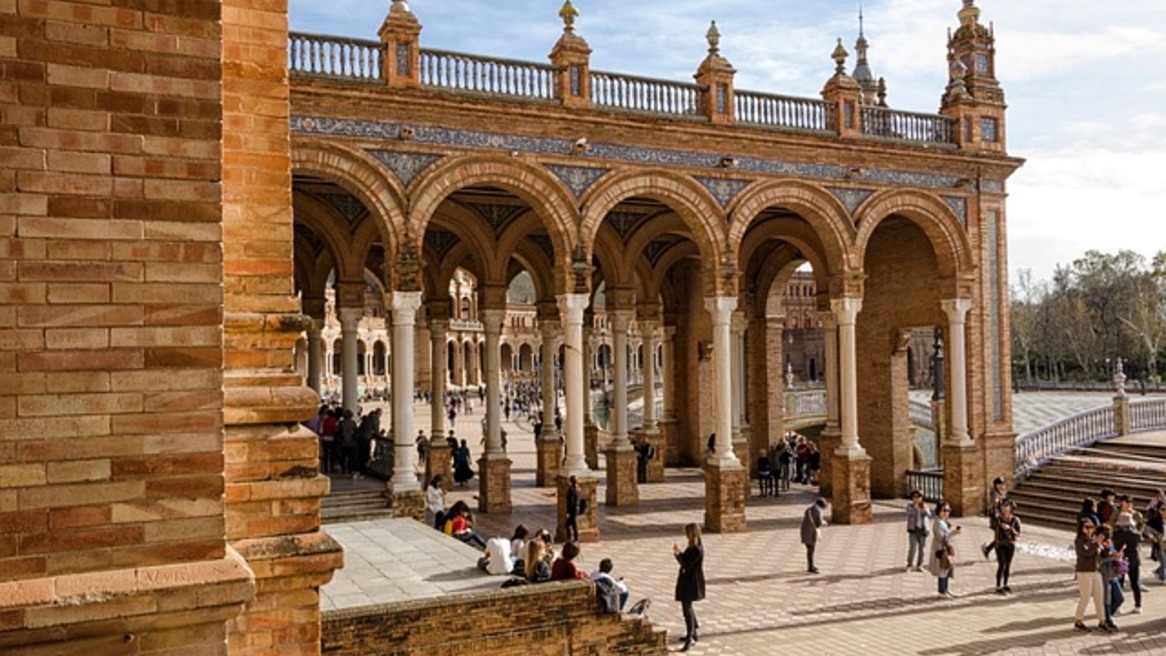
Centro Seville is the area between the Plaza Encarnacion and the Plaza Nueva, encompassing the grand, pedestrianised plazas around the cathedral, the Town Hall, the Metrop Parasol — the world’s largest wooden structure — and other major landmarks. As well as being car-free, this area is lined with cafes, bars and restaurants, allowing you to watch the world go by, as well as admire the landmarks. This is a good base for shoppers too — if you don’t want to carry your bags far, stay by Cuna, Velazquez or Calles Sierpes. Centro Seville is known for having some of the finest hotels in Seville, but there’s a good range of accommodation here with an option for most budgets.
Ideal for: city breaks; luxury lovers; families; romantics; history lovers; sightseeing
Discover our recommended hotels near Centro Seville
Explore more >
View all hotels in Centro Seville
Explore more >
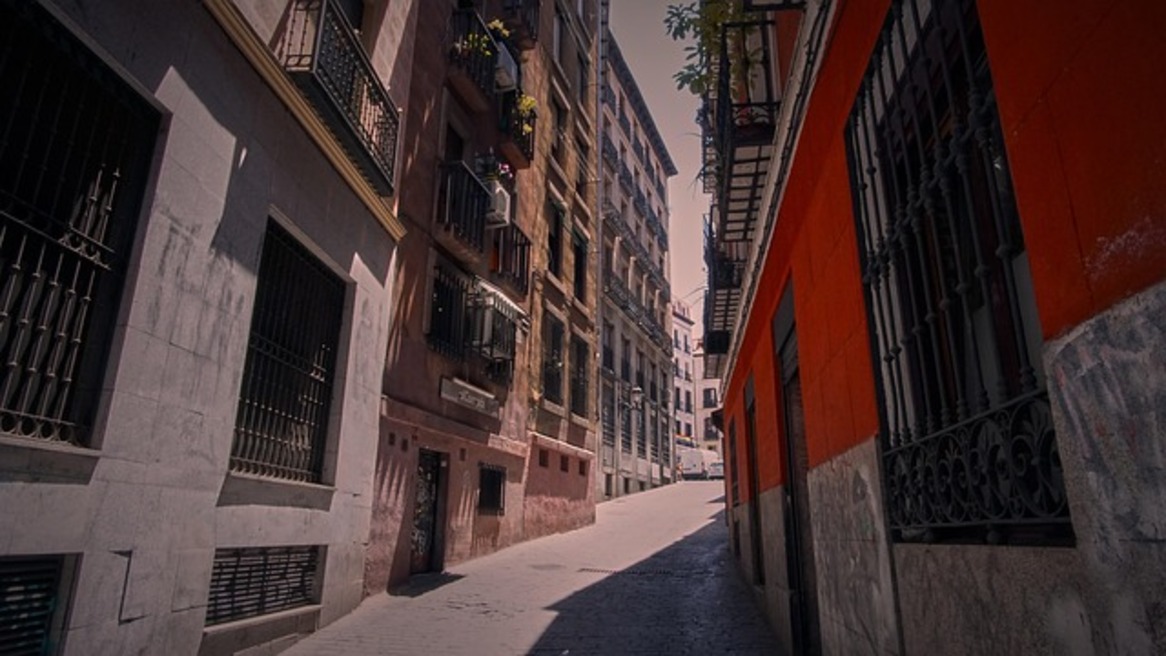 Image by Stephan Rösner from Pixabay
Santa Cruz is an equally central district, right beside the cathedral and Seville’s grandest plazas, but also dipping into the labyrinthine streets and alleyways that were once the city’s primary residential streets. Santa Cruz is where you’ll find the Real Alcázar, the Hospital de los Venerables, the Calle Mateos Gago, the Calle Santa María La Blanca, and the Jardines de Murillo. Santa Cruz also has tile-covered terraces with ornate balconies and plenty of geraniums. In the medieval period, this was the Jewish quarter, and there are many fascinating churches that started life as synagogues. Here, the squares are intentionally small, designed to protect the inhabitants from the sun of a Sevillian summer. At street level Santa Cruz offers up rows of small boutiques, cafes, bars and restaurants. There’s plenty of accommodation to choose from too, including some great aparthotels, so this is a good choice for families.
Ideal for: families; city breaks; history lovers; romantics; sightseeing
Discover our recommended hotels near Santa Cruz
Explore more >
View all hotels in Santa Cruz
Explore more >
 Image by Stephan Rösner from Pixabay
Hip, yet historic, Alfalfa is a lively neighbourhood, known for its architecture and tapas culture. Alfalfa’s architecture is varied, running from Roman ruin to Moorish design, grand, golden age churches and narrow, cobbled streets lined with whitewashed terraced houses with bountiful balconies. If you divide Alfalfa into east and west you’ll find tradition and tapas; think flamenco bars, cosy squares, and small places to eat and drink very well. The west side is beloved by shoppers, with design and concept stores, museums and galleries, and contemporary tapas and tapas bars. There’s plenty to do here after hours, with many choices beyond tapas and flamenco. Alfalfa offers a variety of accommodation that includes aparthotels and boutique hotels.
Ideal for: Foodies; shopping; city breaks; culture vultures
Discover our recommended hotels near Alfalfa
Explore more >
View all hotels in Alfalfa
Explore more >
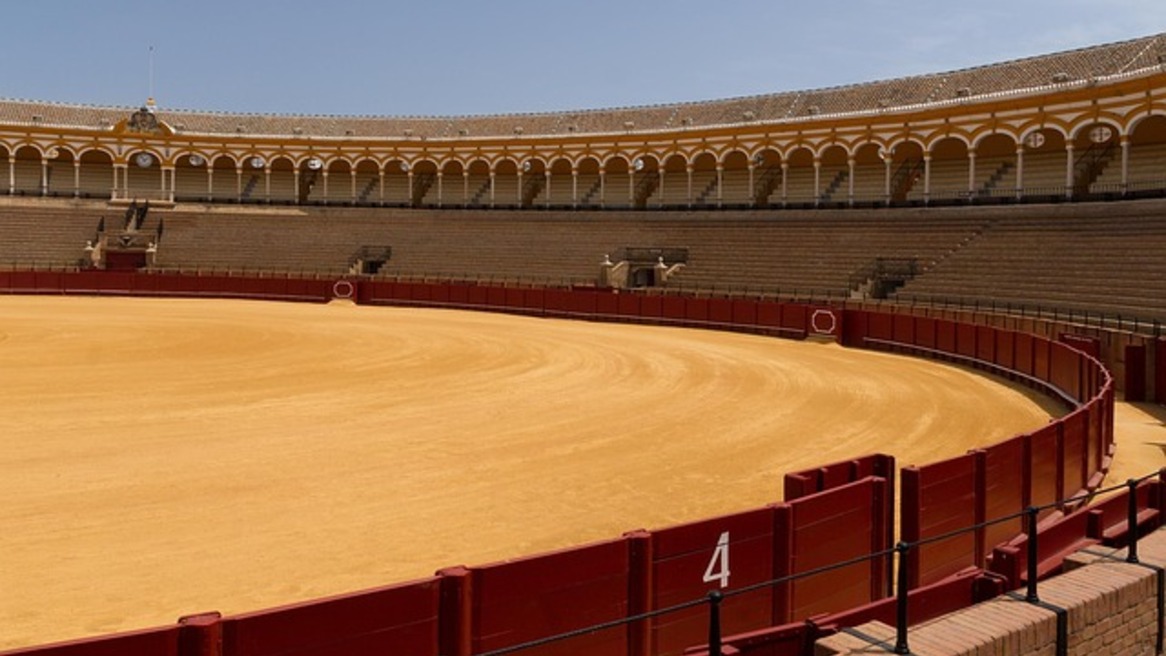
The Arenal, or El Arenal is on the west bank of the Guadalquivir River, neighbouring the neighbourhoods of Santa Cruz, Museo, and Alfalfa. One of its most famous landmarks is the central bullring, or La Reales Maestranza, but this was once the port of Seville. The Arenal’s Reales Ataranzanas, or Royal Shipyards are a fascinating place to delve into this neighbourhood’s history. The Torre del Oro, also called the Golden Tower of Seville, is one of the city’s two remaining watchtowers, and it still casts an impressive eye over where the port once was. The Arenal today is peaceful, with a number of lovely gardens. Calle Adriano, on the edge of the area, is where you can find the neighbourhood’s buzz, with markets, cafes, bars and restaurants aplenty. Expect flamenco music, sherry and iberico ham. This is a popular place for visitors to stay, with plenty of accommodation to choose from.
Ideal for: city breaks, sightseeing, families, history lovers
Discover our recommended hotels near The Arenal
Explore more >
View all hotels in The Arenal
Explore more >
La Alameda is the area around the Alameda de Hercules, a historic garden square in central Seville. This is a fun neighbourhood to stay in, known for its varied nightlife; think heavy metal one night, funk the next, and live flamenco to finish off with! It is great for a disco-pub, a cocktail bar, classic tapas restaurants, or something entirely different. La Alameda isn’t a large neighbourhood, but the square itself is a landmark, with its four Roman-style columns, overlooked by historic buildings, including a couple of convents (these aren’t open to the public, but both have little shops where the nuns sell baked goods and souvenirs). La Alameda is naturally popular with visitors wanting to enjoy the area’s nightlife, but a few streets back from the cafes, bars and restaurants are some quieter boutique hotels, and apartment rentals, and this isn’t a bad choice for families, either.
Ideal for: Party people, music lovers, sightseeing
Discover our recommended hotels near La Alameda
Explore more >
View all hotels in La Alameda
Explore more >
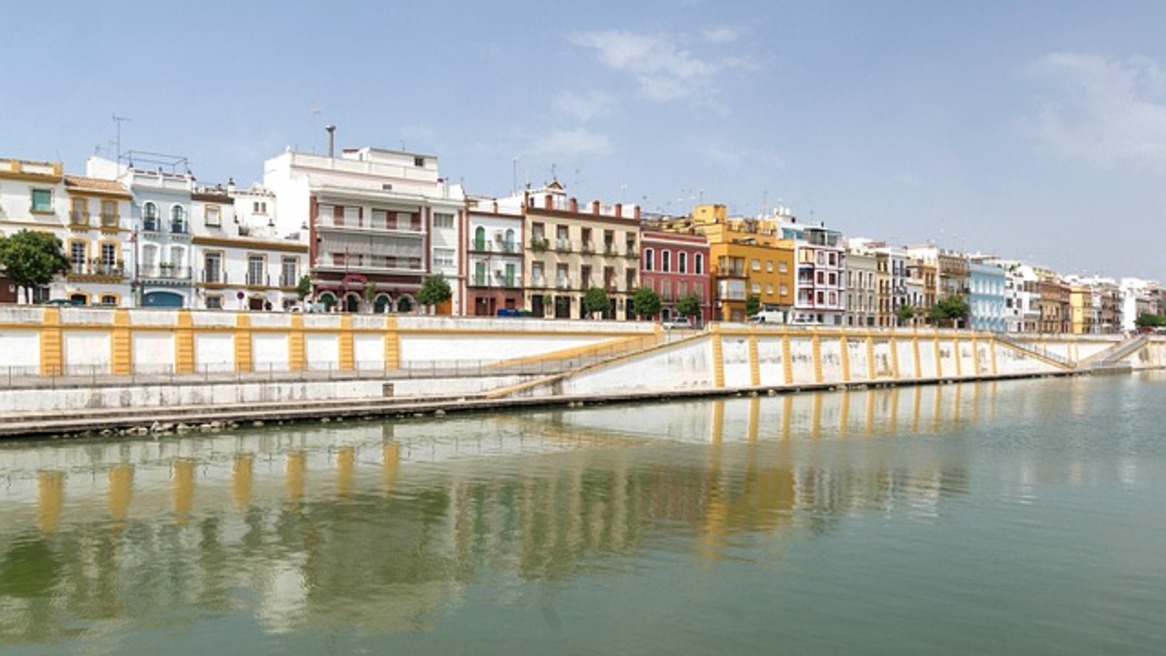
Triana is a colourful area on the opposite side of the river to the majority of Seville’s major sights. But it’s charming, the views are magical, and its compact streets have an authenticity to them that more touristy neighbourhoods can’t match. Triana used to be one of Seville’s most important districts; it was in a key spot along the river, and had a commercial output that included ornamental, azulejos tiles and pottery. You can still find shops selling tiles and pottery here today, along with a fantastic daily market which sells everything you need to make your evening meal, and more, and with a tapas offering as well. In addition to the market, Triana’s charms include the Castillo de San Jorge and the Calle Betis. Also known for its flamenco, Triana is a fun place to stroll around of an evening, with some great tapas bars, and plenty of cafes, bars and restaurants.
Ideal for: exploring on foot; romantics; families; proximity to markets
 Image by oscaradameportillo from Pixabay
Los Remedios is another district on the opposite side of the river to the majority of Seville’s major landmarks. It neighbours Triana, and like Triana, it’s an easy bridge crossing to get to the more central neighbourhoods of Seville. As far as major landmarks of its own go, Los Remedios is where Seville’s port was moved to, after the river silted up at The Arenal. Unlike Seville’s historic centre, this part of the city is laid out, with wide, straight avenues, squares and parks. This area also has very organised-feeling commercial streets, which is also where you’ll find the neighbourhoods cafes, bars and restaurants. Los Remedios is busy during Feria de Abril, because it neighbours the fairground that hosts it, but throughout the rest of the year it has a peaceful buzz. This is a good choice for visitors looking for a more authentic experience of Seville: it’s not an obvious choice for a base, but it does still have a good range of accommodation.
Ideal for: living like a local, good value accommodation
Discover our recommended hotels near Los Remedios
Explore more >
View all hotels in Los Remedios
Explore more >
Macarena is just to the north of Seville’s centre, and is probably best known for having one of Seville’s largest remaining sections of Moorish city walls. The wall here runs between two gates, which were significant entrances to the city: the Puerto de la Macarena, and the Puerto de Cordoba. Macarena is also home to the beautiful, Renaissance-built, Hospital de las Cinco Ilagas — now home to the Andalusian parliament — and the city’s oldest market, the Mercado de la Feria, which is the starting point for Seville’s annual Holy Week procession. Macarena has a number of significant churches, and is known for its art, creative atmosphere, and gastronomy. It has an excellent flea market too, held every Thursday on Calle Feria.
Ideal for: families, fans of history and architecture, living like a local