

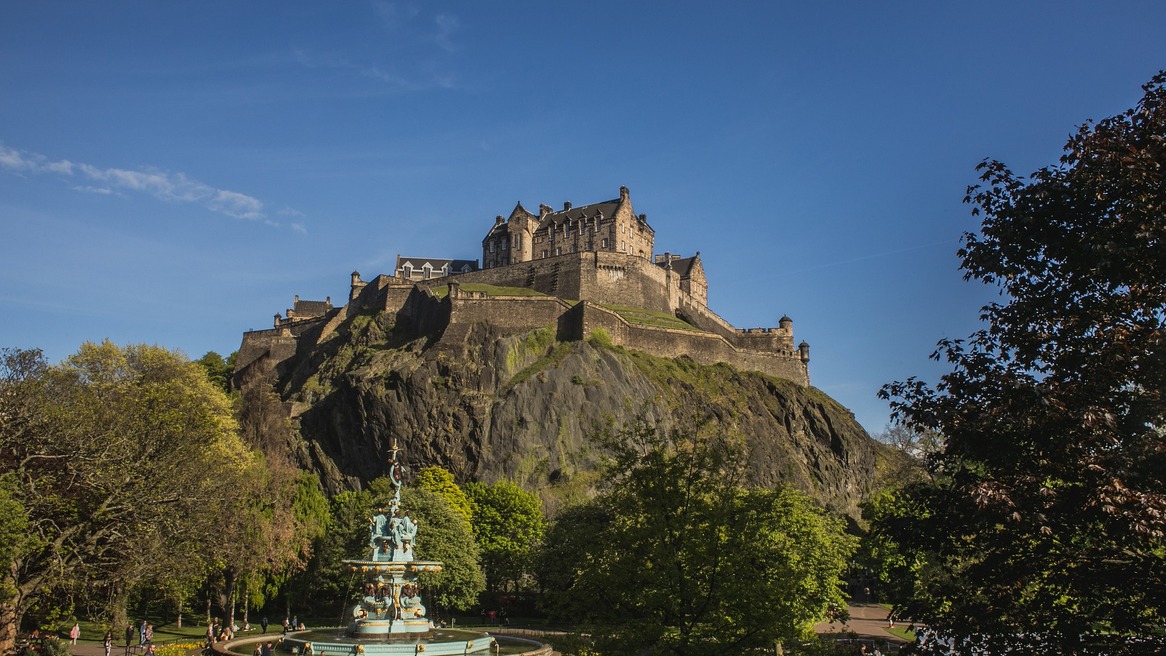
 Image by Eduardo Vieira from P
Entdecken Sie die besten Stadtviertel von Edinburgh mit unserem umfassenden Reiseführer, der Ihnen hilft, den perfekten Ort für Ihren Aufenthalt zu wählen. Egal, ob Sie das lebhafte Nachtleben in der Cowgate genießen, historische Sehenswürdigkeiten entlang der Royal Mile erkunden, Live-Musik in angesagten Bars erleben, familienfreundliche Attraktionen wie den Zoo und Museen besuchen oder einfach durch charmante lokale Straßen und Cafés schlendern möchten, wir zeigen Ihnen, wo es langgeht.
 Google maps
Edinburgh ist eine lebendige, historische Stadt voller Kultur – von verwinkelten mittelalterlichen Straßen bis hin zu erstklassigen Museen – daher ist die Wahl des richtigen Stadtviertels wirklich wichtig. Möchten Sie nur wenige Schritte vom pulsierenden Nachtleben entfernt sein oder direkt an der Royal Mile aufwachen? Trotz seiner Hügel ist die Stadt überraschend kompakt und fußgängerfreundlich, sodass Sie die meisten Orte zu Fuß erkunden können. Wenn Sie öffentliche Verkehrsmittel bevorzugen, macht Edinburghs effizientes Bus- und Straßenbahnnetz das Fortbewegen schnell und einfach und verbindet alle Ecken der Stadt.
Ideal für: Shoppingliebhaber, Museumsbesucher, Restaurantkenner
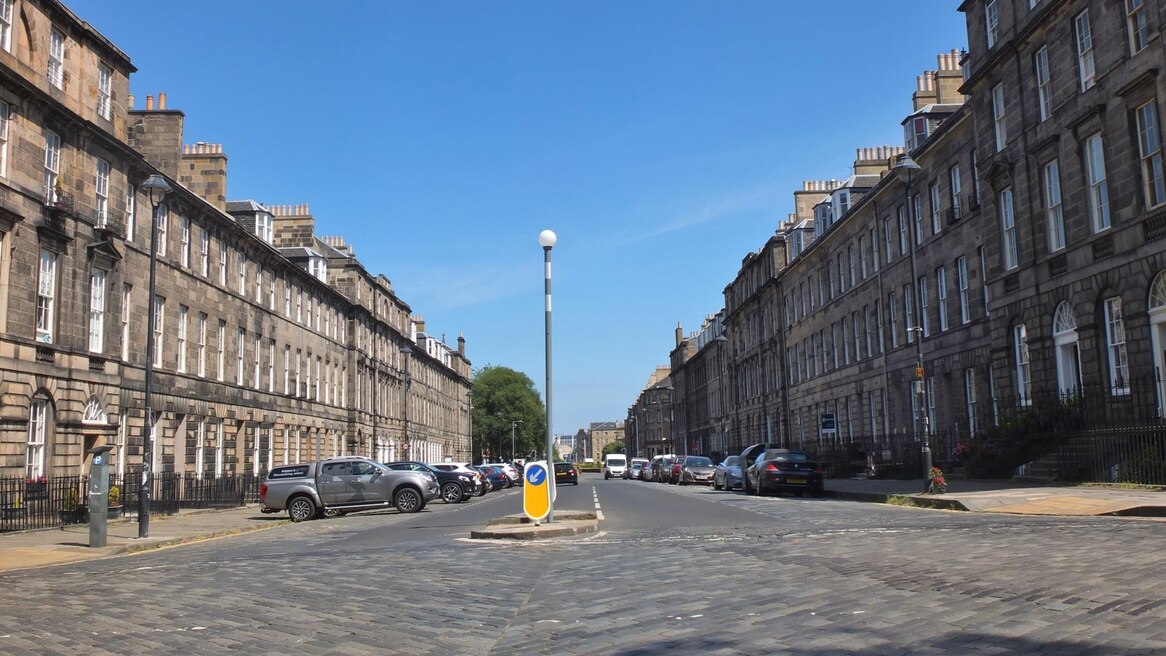 © Jim Barton (cc-by-sa/2.0) geograph.org.uk/p/5832965
Edinburghs New Town ist ein Meisterwerk der georgianischen Stadtplanung, bekannt für seine eleganten Terrassen und den UNESCO-Welterbe-Status. Direkt gegenüber vom Waverley Station und den Princes Street Gardens der Old Town ist es ein Zentrum für Shopping, Gastronomie und Kultur, einschließlich der National Gallery of Scotland und der Scottish National Portrait Gallery. Familien lieben es, hier zu bleiben, aufgrund der zentralen Lage, des einfachen Zugangs zu den wichtigsten Sehenswürdigkeiten und der Möglichkeit, nach einem Tag im Museum in den Princes Street Gardens abzuschalten.
Wussten Sie schon? Edinburghs New Town war eines der ersten städtischen Gebiete der Welt, das mit einem strikten Rasterlayout entworfen wurde.
Entdecken Sie unsere empfohlenen Hotels in der New Town
Mehr entdecken >
Alle Hotels in der New Town ansehen
Mehr entdecken >
Ideal für: Geschichtsinteressierte, Museumsbesucher
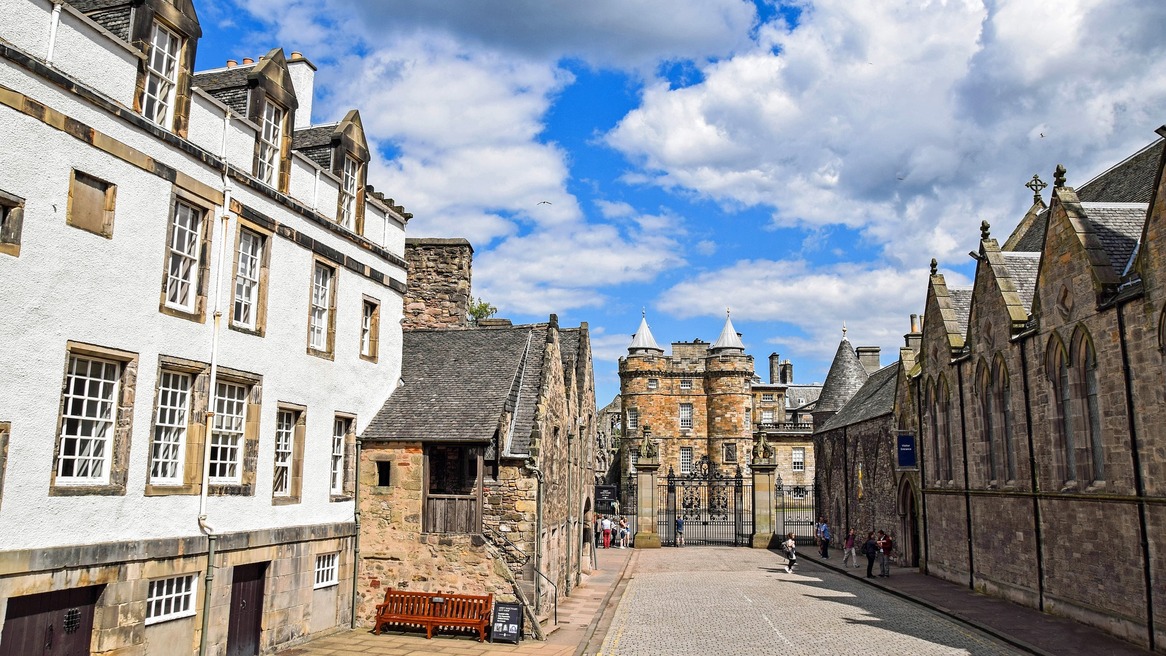 Image by kolibri5 from Pixabay
Edinburghs zum Weltkulturerbe gehörende Old Town ist perfekt, um in der Nähe der ikonischen historischen Sehenswürdigkeiten der Stadt zu bleiben. Tagsüber summt das Labyrinth aus Gassen, Durchgängen und Passagen mit Besuchern, die die verwinkelten Straßen erkunden, die mit Geschäften (sowohl unabhängige Boutiquen als auch Souvenirläden) gefüllt sind. Nachts übernehmen die Pubs und Restaurants und halten die Energie am Leben. Zu den Highlights gehören das Schloss, die Royal Mile, Greyfriars Kirk, das Nationalmuseum von Schottland und der Grassmarket – der Ort der ehemaligen Galgen und Heimat des ältesten Pubs der Stadt, des White Hart Inn, das einst von Robbie Burns und William Wordsworth besucht wurde.
Wussten Sie schon? Edinburghs Old Town wurde größtenteils im Mittelalter erbaut, und einige seiner Straßen sind so schmal, dass sie offiziell als „closes“ klassifiziert sind – im Wesentlichen mittelalterliche Gassen –, die sich winden und schlängeln (einige sind sogar unter der Stadt begraben!).
Entdecken Sie unsere empfohlenen Hotels in der Old Town
Mehr entdecken >
Alle Hotels in der Old Town ansehen
Mehr entdecken >
Ideal für: Geschichtsinteressierte, Souvenirkäufer
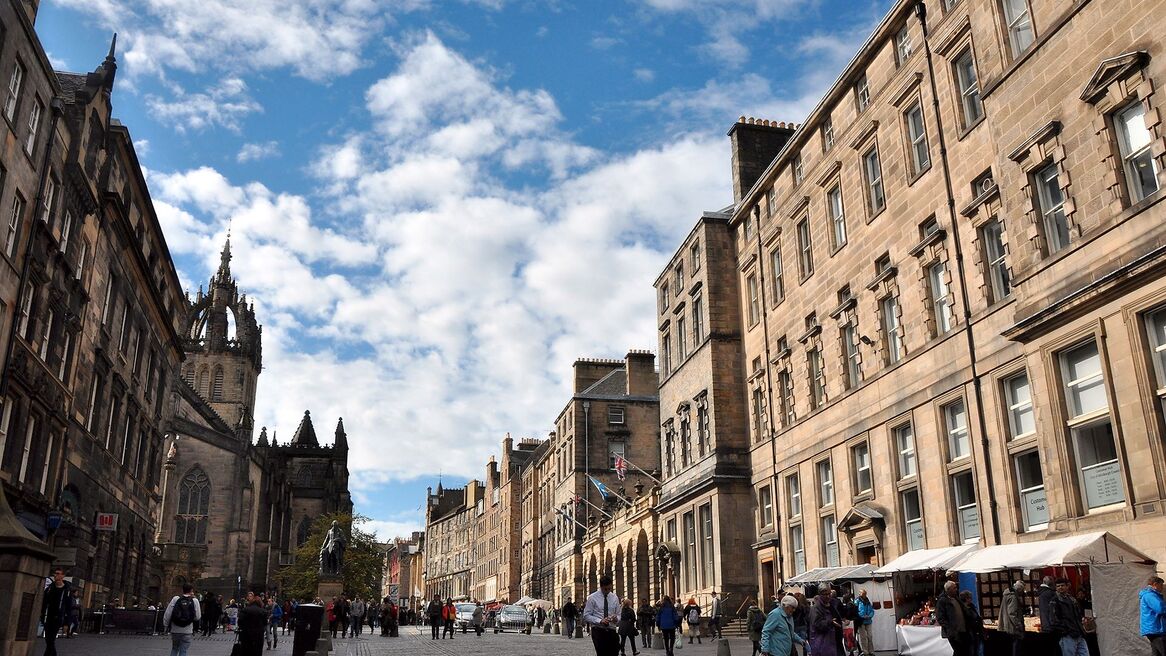 By Herbert Frank from Wien (Vienna), AT - Edinburgh, Royal Mile, CC BY 2.0
Die Royal Mile ist Teil der Old Town, aber wir haben sie separat aufgeführt, weil für so viele Menschen dies der einzige Ort ist, um in Edinburgh zu übernachten. Sie können nicht zentraler oder berühmter als hier sein, mit dem Schloss an einem Ende und dem Palace of Holyrood am anderen. Entlang der Meile finden Sie auch die St. Giles Kathedrale und zahlreiche Gassen und Durchgänge. Sie sind nur einen kurzen, wenn auch bergauf gelegenen Spaziergang vom Waverley Station entfernt, daher halten wir dies für die ideale Basis, wenn Sie nicht lange bleiben.
Wussten Sie schon? Die Royal Mile ist eigentlich kein Meile lang – sie misst etwa 1,8 Kilometer, basierend auf einer alten schottischen Meile anstelle der modernen Messung.
Entdecken Sie unsere empfohlenen Hotels in der Nähe der Royal Mile
Mehr entdecken >
Alle Hotels in der Nähe der Royal Mile ansehen
Mehr entdecken >
Ideal für: Leben wie die Einheimischen
 By Discott - Own work, CC BY-SA 4.0
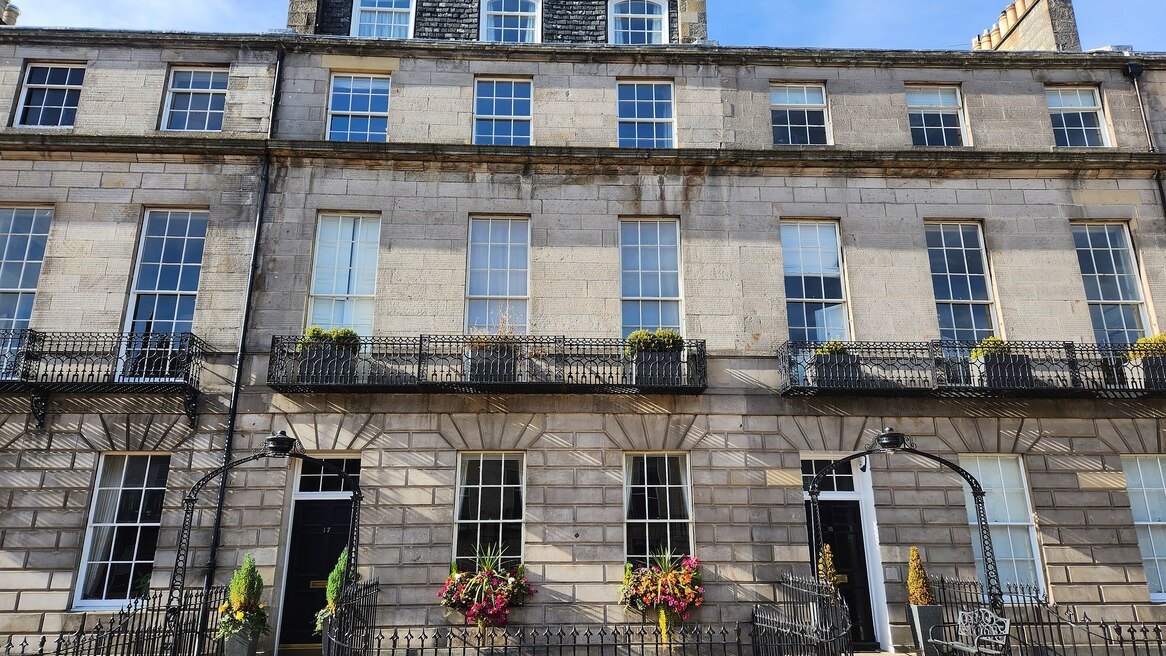
Edinburghs West End ist der Teil der Stadt, der sich westlich der New Town befindet, auf dem Weg zum Murrayfield-Stadion und dem Edinburgh Zoo. Dies ist einer der besten Orte, um in Edinburgh zu übernachten, wenn Sie irgendwo etwas ruhiger, aber dennoch sehr zentral sein möchten, mit vielen beliebten Pubs und Bars und unabhängigen Boutiquen. Es ist ziemlich künstlerisch und hipster, mit vielen der berühmtesten Musik- und Theaterveranstaltungsorte Edinburghs, die sich auf seinen gepflasterten Straßen drängen. Aber es hat auch seinen fairen Anteil an Pracht, mit einigen schönen georgianischen Terrassen, von denen einige jetzt in elegante Hotels umgewandelt wurden, und eine sogar in ihren ursprünglichen 18. Jahrhundert-Glanz restauriert und als Museum geöffnet.
Wussten Sie schon? Das West End beherbergt mehrere umgebaute Stadthäuser, die einst viktorianische Salons – informelle kulturelle Zusammenkünfte, die Edinburghs literarischen Ruf prägten – beherbergten.
Entdecken Sie unsere empfohlenen Hotels im West End
Mehr entdecken >
Alle Hotels im West End ansehen
Mehr entdecken >
Ideal für: Hipster, Feinschmecker, Fans von Live-Unterhaltung
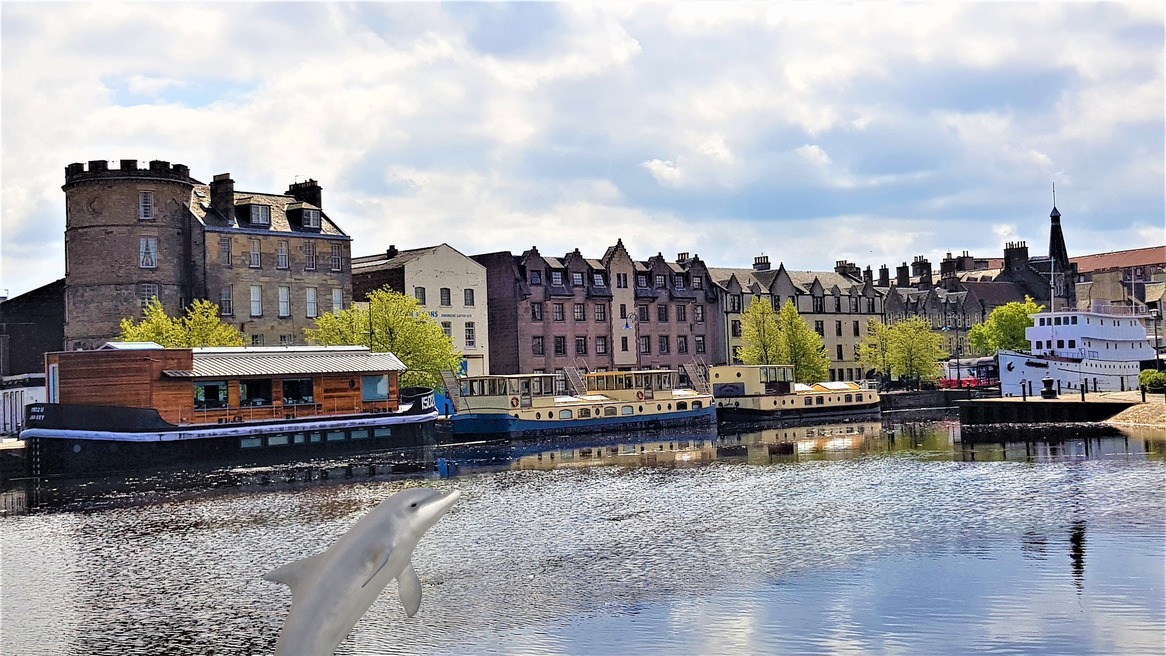 Image by christophe tixier from Pixabay
Leith, Edinburghs historisches Hafengebiet nördlich der Innenstadt, hat sich von einem heruntergekommenen, arbeitenden Viertel zu einem der angesagtesten Stadtteile entwickelt. Die Uferpromenade entlang des Firth of Forth ist gesäumt von trendigen Cafés, erstklassigen Restaurants und lebhaften Bars, was es zu einem Hotspot für Feinschmecker macht. Während seine halb gentrifizierten Straßen noch Hinweise auf die raue Vergangenheit geben, bietet Leith jetzt ein kosmopolitisches, zeitgenössisches Flair, komplett mit skurrilen Geschäften, kulturellen Räumen und einer florierenden Kunstszene, die Tag und Nacht voller Energie ist.
Wussten Sie schon? Leith war einst eine eigenständige Stadt und ein Hafen, getrennt von Edinburgh, und wurde erst 1920 offiziell in die Stadt integriert.