


We'd recommend visiting in May, after Golden Week (a week when four National holidays combine to create a lengthy annual holiday), or in October for a balance of good weather and lighter crowds. If you're hoping to see the cherry blossom, late March and early April are the peak months. Just be prepared for busier, more expensive hotels and popular attractions!
Japan is a country of amazing contrasts. From the neon-lit streets of Tokyo and ancient temples of Kyoto to snowy mountains, tropical islands and peaceful hot spring towns, there's something to discover all year round. Weather, seasonal attractions, national holidays and traditional festivals all have an impact on how busy the country feels, so it's worth doing a little research before booking.

The best time to visit Japan for sightseeing is between March and May, or October and November. Spring brings mild temperatures and the famous cherry blossom, while autumn offers crisp, sunny days and stunning foliage. Both seasons are ideal for exploring Japan's cities, temples, gardens and countryside without having to battle with the intense summer heat.
Spring temperatures typically sit between 10°C and 20°C, getting gradually warmer by May. Summer, particularly July and August, can be hot and humid, with temperatures often above 30°C. Japan's rainy season (tsuyu) usually runs from early June to mid-July, arriving earlier in Okinawa (May to June). There is a risk of typhoons in August and September, especially in southern and coastal regions.
Winter, from December to February, offers a completely different experience, with snowy landscapes, traditional hot springs and excellent skiing in Hokkaido and Nagano. Tokyo and Kyoto are generally cold but mostly dry, with lots of sunny days. For the warmest, driest sightseeing weather, we'd recommend May or October. If you're looking for a beach escape, Okinawa is particularly lovely from late spring into early summer, but make sure to keep the typhoon season in mind.
Hoshinoya Kyoto is a beautiful riverside retreat. Its traditional Japanese architecture and woodland setting are particularly lovely in spring and autumn.
Gora Kadan in Hakone is an elegant traditional ryokan, perfect for enjoying Japan's famous hot spring culture.
Park Hyatt Kyoto combines contemporary luxury with traditional Japanese design, with beautiful views towards the historic Higashiyama district.

Cherry blossom season, known as sakura, is one of the most amazing times to visit Japan; it usually runs from mid-March to early May. For Tokyo, Kyoto and Osaka, late March to early April is generally the best time to visit, while the blossoms arrive in Tohoku mid to late April and Hokkaido towards the end of April and early May. In southern Japan, including Okinawa, cherry blossoms can appear as early as January or February.
One of Japan's loveliest traditions is hanami, when locals gather beneath the cherry trees for picnics and celebrations. Ueno Park in Tokyo, Maruyama Park in Kyoto and Osaka Castle Park are all popular viewing spots, where evening lights make the blossoms even more special. Just remember that this is one of Japan's busiest travel periods, so hotels can sell out months ahead and popular attractions become crowded.

If you'd prefer to experience Japan away from the tourist crowds, we'd recommend visiting in May (after Golden Week), June or early December. June brings the rainy season, with a few sporadic showers, while early December offers beautiful autumn scenery and fewer visitors.
There are a few other dates worth avoiding if you want to escape the crowds. Obon, usually celebrated in mid-August, is a traditional Buddhist holiday when many Japanese people return to their hometowns to honour their ancestors. It's an important cultural occasion, with family gatherings, memorial ceremonies and traditional dances. New Year, from late December into early January, is another major holiday period. Many people travel to visit family, while some restaurants, museums and shops close for a number of days.

Autumn is one of the loveliest times to visit Japan, with mild temperatures, crisp mornings and stunning scenery. Known as koyo, the autumn foliage begins in Hokkaido in September before spreading south, making Kyoto, Tokyo and Osaka look especially beautiful in November. Kyoto's Eikando and Tofukuji temples, Arashiyama and Tokyo's Rikugien Garden are great places to see the changing leaves. October and November are generally the best months for sightseeing, with temperatures around 15°C to 23°C in central Japan.
Autumn is also a wonderful time to experience Japanese traditions, including the Takayama Autumn Festival in October, famous for its elaborate floats and lantern-lit processions, and Shichi-Go-San in November, when children aged three, five and seven visit shrines with their families in traditional dress. September can still be hot and humid, with the risk of typhoons, so we'd recommend October or November for more enjoyable weather.

Japan is a great place for a family holiday, with everything from theme parks and child-friendly museums to stunning beaches, wildlife and cultural experiences. We'd recommend visiting in April, May (after Golden Week) or October, when temperatures are more comfortable for exploring with little ones.
If you're travelling during the summer school holidays, July and August can be hot, humid and busy, so we'd suggest heading north to cooler Hokkaido or enjoying a beach escape in Okinawa. Winter is another great option for families, especially if you enjoy skiing in Hokkaido or Nagano, or visiting Sapporo's Snow Festival in February.
Family Hotels in Japan

For first-time visitors, we'd recommend starting with Tokyo, Kyoto and Osaka. Tokyo is a must for its vibrant neighbourhoods, incredible food scene and mix of modern and traditional attractions. Explore Shibuya Crossing, the boutiques of Harajuku and visit Meiji Jingu Shrine. Kyoto is the place to experience traditional Japan, with its beautiful temples, tea houses and historic streets. Don't miss Fushimi Inari Shrine, the Arashiyama Bamboo Grove and the famous geisha district of Gion. Osaka is a brilliant base for food lovers, with Dotonbori, Osaka Castle and Universal Studios Japan all worth exploring.
For a change of pace, Hakone and Nara are great additions to your trip. Hakone offers amazing views of Mount Fuji, hot spring baths, traditional ryokans and boat trips across Lake Ashi. Nara makes a fun day trip from Kyoto or Osaka, where you can wander through Nara Park, meet its famous deer and visit the Todai-ji Temple.
If you have more time, head to Hokkaido or Okinawa. Hokkaido is a paradise for nature lovers, with beautiful national parks, mountain scenery and world-class skiing in Niseko during winter. Okinawa is completely different, with its turquoise waters, white sandy beaches, snorkelling and Ryukyu culture.
Traditional and Nature-Inspired Hotels in Japan
Still not sure?

Tokyo (Bunkyo-ku)
An elegant luxury property set in beautifully manicured Japanese gardens. Rooms have an air of European style with heavy antique furniture, chandeliers and chintz fabrics. The proportions are enormous (by Tokyo standards) and the views impressive. A tranquil haven within a bustling city.

Kyoto (Sagatenryūji Susukinobabachō)
A beautifully designed traditional guesthouse comprising of just 10 rooms. Light and airy rooms feature tatami mats, garden views and the best have hot spring baths. Regional cuisine is served up in the restaurant. Ideally located for a tranquil stay yet with easy access to the city.

Kyoto (Nishikyo-ku Kyoto-shi)
A stunning riverside property set in thick forest that dramatically changes colour along with the seasons. Traditional rooms include paper screens, picture windows and Japanese mats; the larger rooms have wooden baths. Dine on inventive regional dishes in a superb setting. The perfect rural escape.

Hakone (Hakone-machi)
A traditional property set in manicured gardens and boasting the title of being one of Japan's oldest hotels. Spacious rooms are light and airy with a distinctly European feel. Numerous hot spring baths offer ample opportunity for unwinding. An elegant setting for relaxing breaks.
Niseko (Kutchan-cho)
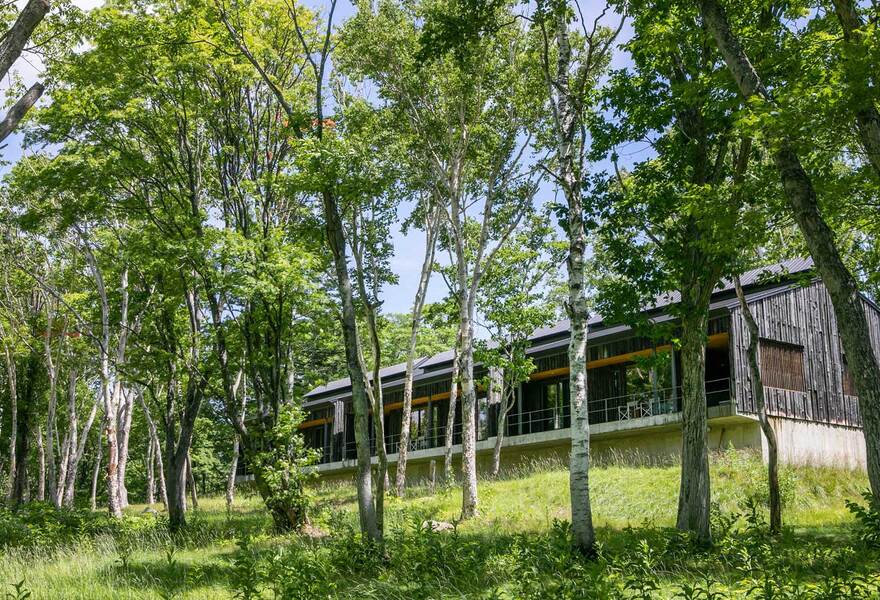
A few miles outside Niseko, the boutique Zaborin features 15 villas situated directly above the Zabo natural Spring. The villas offer minimalist and chic accommodation boasting wonderful views. Enjoy wonderful traditional local cuisine in their restaurant! A stunning and truly rejuvenating stay.

Hakone (Hakone-machi)
The luxurious Gora Kadan is located amidst the mountainous beauty of Hakone's countryside. Formerly the holiday choice of the imperial family, it boasts chic and spacious traditional Japanese accommodation but with Western-style beds. A top-class and incredibly peaceful stay!

Toyooka (Toyooka-shi)
The 150-year-old Nishimuraya Honkan boasts traditional Japanese accommodation (tatami woven-straw flooring and futon bedding) in the town of Kinosaki. Try their different onsens, relax in the lounge with a cup of tea or read a book in the luscious garden. Top-notch cuisine! A simply superb stay.

Kaga (Kaga)
The architectural Beniya Mukayu is situated in the spa town of Yamashiro and offers a range of chic Japanese and Western-style accommodation. All rooms feature their own hot-spring bath, the ideal place to unwind after a day filled with activities. Join in with yoga each morning! An idyllic retreat.

Kyoto (Kita-ku)
This luxury Kyoto hotel is nestled within a mythical forest with natural hot springs. Suites offer guests proximity to the natural environment, located in pavilions with floor-to-ceiling windows, wooden screens and tatami mats. Book a private dinner in the forest for a romantic evening.

Kyoto (HIGASHIYAMA-KU)
A five-star luxury experience right in the heart of historic Kyoto. Set in tranquil gardens the interiors perfectly mix the old and the new. Spacious rooms benefit from floor to ceiling windows offering plenty of light. The spa is a destination in its own right and mustn't be missed!

Fujikawaguchiko (Fujikawaguchiko)
A striking design hotel offering an unbeatable location deep in the woodlands with views of Mount Fiji. Interiors are spacious and contemporary with the minimalist design highlighting the epic views. Rooms are individual cabins giving complete quiet and privacy. A luxury nature escape.

Okinawa (Okinawa)
This luxury resort is located steps from Japan's Kise Beach, surrounded by the beautiful hills of Okinawa. The hotel offers modern guestrooms and suites dressed in a neutral palette with Western-style beds. Dine in one of three romantic restaurants before indulging in a treatment at the spa.

Karuizawa (Kitasaku District)
A tranquil hotel surrounded by nature just over an hour from Tokyo. Airy rooms boast high ceilings and floors heated by hot springs, while the largest are spread over two floors. There's a spa, indoor and outdoor hot springs, and excellent local cuisine. The perfect spot for a rejuvenating getaway.

Kyoto (Higashiyama-ku)
A chic contemporary hotel set in the heart of historic Higashiyama district. Spacious rooms and suites are a fresh take on traditional design using plenty of glass, ash wood, and local artwork. A small spa offers Kyoto-inspired therapies and there are three standout restaurants too. Luxury defined.

Hokkaidō
A family-friendly, luxury rural resort. Modern, western style suites offer stunning views, whirlpool tubs and the best come with private sauna. A wide range of restaurants cater to all tastes (including seafood, Japanese and Italian), and the facilities are second to none. Utterly dreamy.

The Hotel Guru is a curated hotel recommendation platform that delivers expert-selected luxury and boutique properties straight to your inbox. No spam. Only sweet updates about the latest hotel openings and the best places to stay.
 family