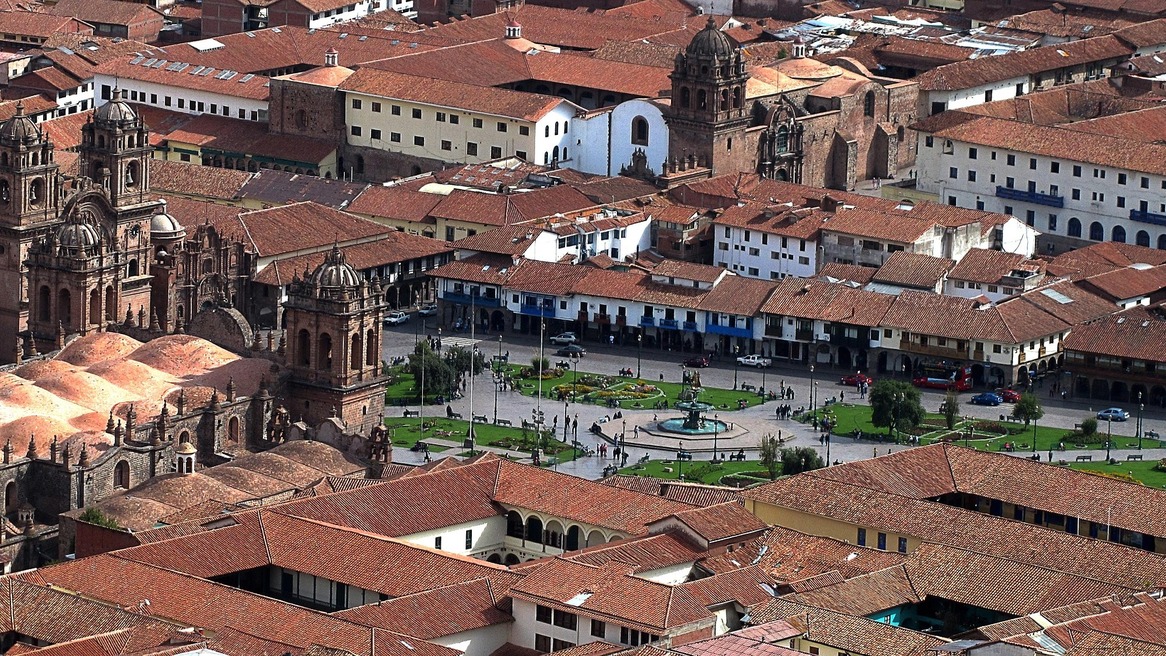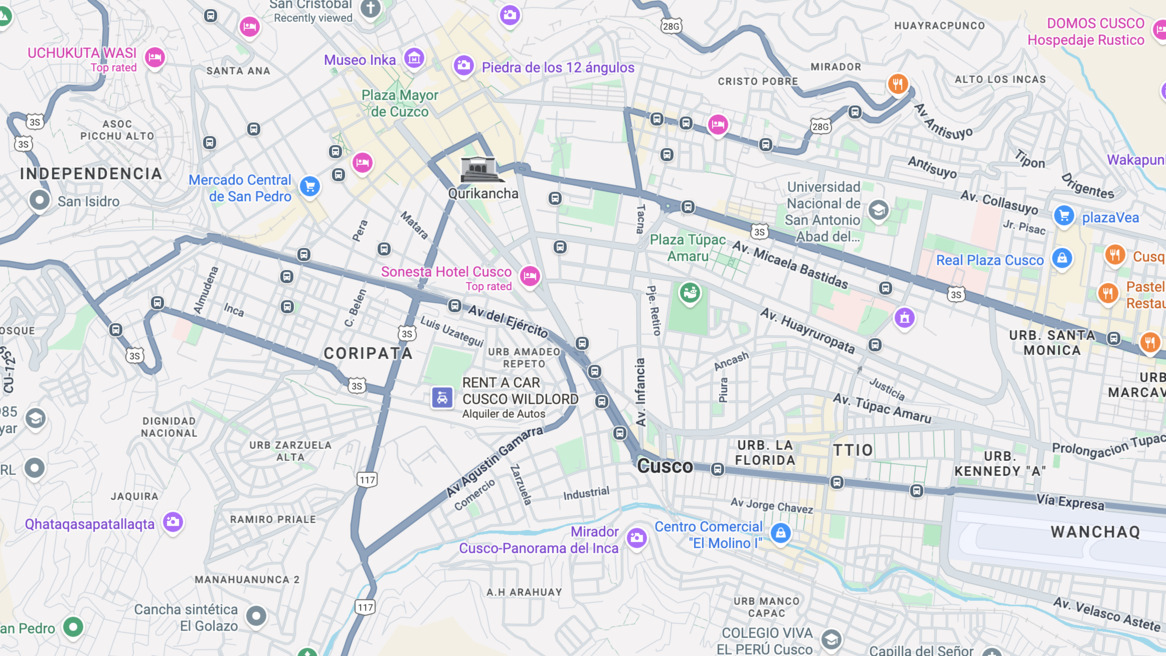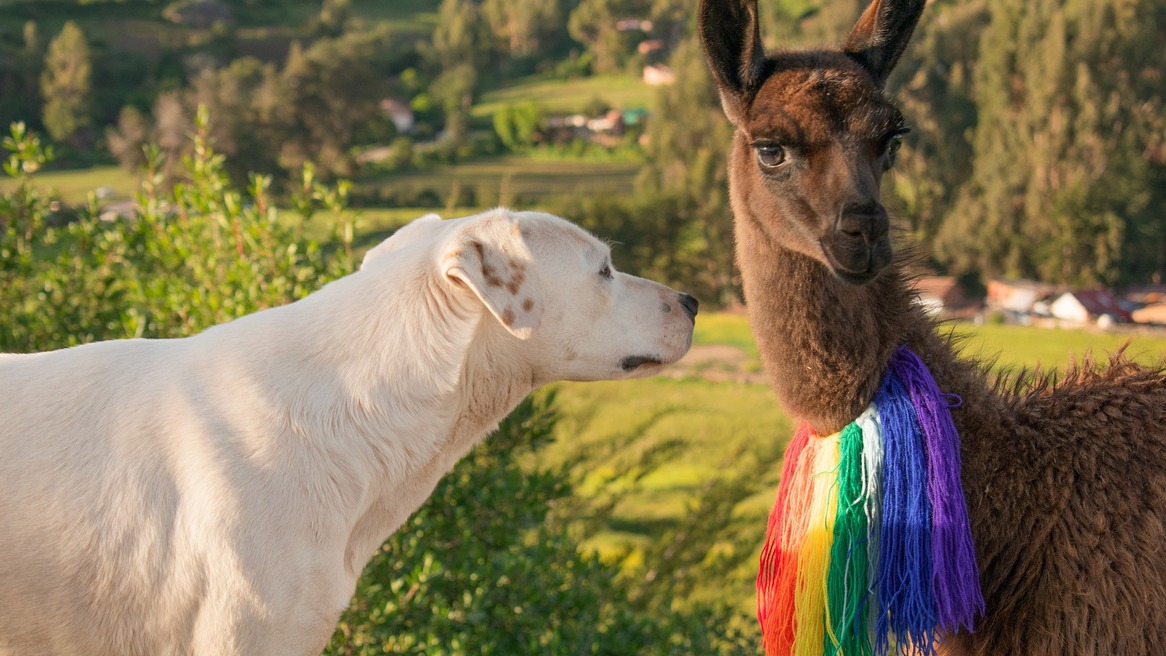

Cusco, which is also called Cuzco or Qosq’o, the former capital of the Incan Empire, is probably best known for its proximity to Machu Picchu and the Sacred Valley. However, Cusco is a fascinating city in its own right! Proximity to Machu Picchu has changed Cusco, and now its Historic Centre, or Centro Histórico, is a lively place to be on almost any evening — there are always visitors here waiting for their turn to start the Inca Trail.
The centre of the Centro Histórico is the Plaza de Armas, still pretty much the town square. And also now the most touristy part of Cusco. It’s close to everything, and surrounded by cafes, bars, restaurants and other venues. It’s not that the other Cusco neighbourhoods we recommend are much off centre, either: San Blas is just ten minutes walk north of the centre, and known for its artisans and their boutiques; Lucrepata is right next to San Blas, and has a quieter, more residential feel, despite being so close to the centre. San Cristóbal is a bit harder to get to, but that’s because this neighbourhood is at the top of a steep slope, but the views are incredible.
Ideal for: first-time visitors, short stays, sightseeing, party people
 By Heiner Amado Cadillo, CC BY-SA 3.0
Cusco’s Centro Histórico does what it says, and is a neighbourhood, or barrio, that encompasses the area of the former capital of the Incan Empire. It’s also the centre of Cusco today, and as well as being World Heritage Listed and packed with historic architecture and monuments, the Centro Histórico is also a great place to find a cafe, bar or restaurant. Some of the area's highlights are: the Plaza de Armas, the Archbishop’s Palace, Casa del Almirante, Casa Barrionevo, the Almudena and Almundena Church, Santiago Church and Square, and the Belén Square and Church. The Centro Histórico barrio is also packed with accommodation in a range of styles and prices. And it’s a great place to hang out in the evening.
Did you know? The Centro Histórico has a street layout that follows the shape of a puma, with the Sacsayhuamán fortress as the head, and the Plaza de Armas as the body. Check out the street names, things like 'Seven Snakes' and 'Seven Windows'.
Discover our recommended hotels near the Historic Centre
Explore more >
View all hotels in the Historic Centre
Explore more >
Ideal for: sightseeing
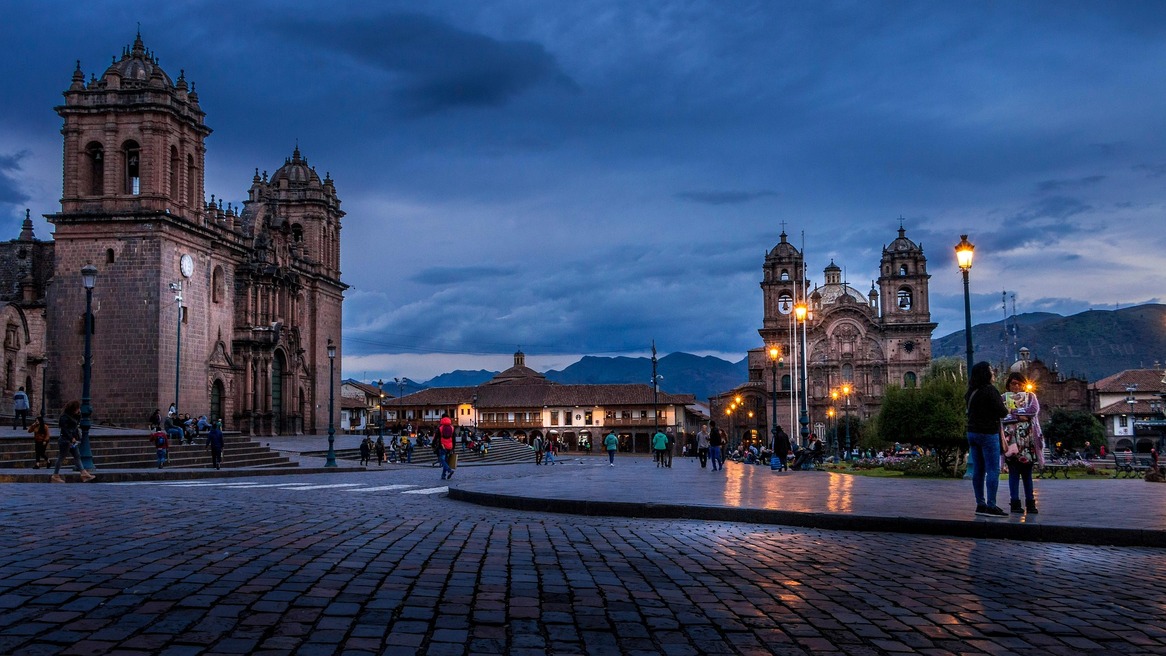
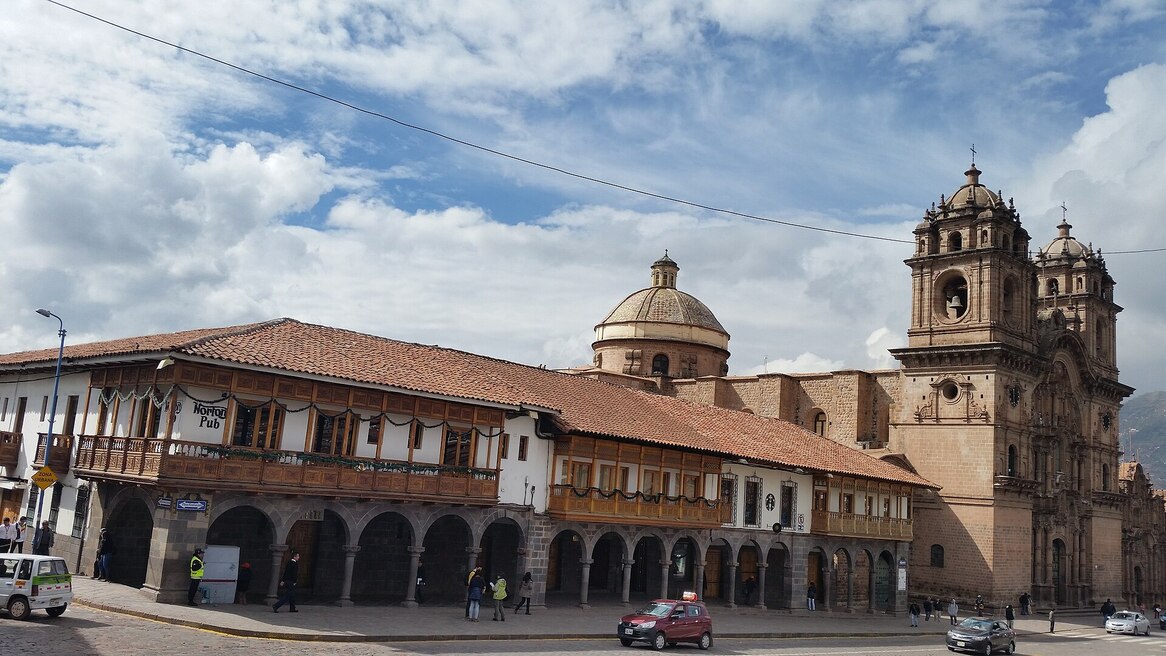
The Plaza de Armas is the most central part of the Centro Histórico. It doesn’t necessarily look like the centre of the Incan world, but the Spanish built their cathedral, the Chapel of Triumph, and the Church of the Society of Jesus here, and while some of the buildings on the plaza today have the remnants of Incan walls in their foundations, the look is definitely Spanish colonial. This is the place to be when Cusco is marking an occasion too, with all the concerts, parades and festivals having some presence here. The Plaza de Armas is historic, but touristy: this is where the visitors come, so it’s also where the tour guide and ticket sellers, and souvenir sellers congregate, and many of the cafes, bars and restaurants in the area are designed with a tourist market in mind.
Did you know? The Incas considered the Plaza de Armas the 'navel of the world': the centre of everything. After the Spanish conquest, they built churches and palaces on top of key Incan temples, creating an entirely unique fusion architecture.
Discover our recommended hotels near the Plaza de Armas
Explore more >
View all hotels in the Plaza de Armas
Explore more >
Ideal for: walkers, sightseeing, adventurers, photographers
 By Jklamo - Own work, CC BY-SA 4.0
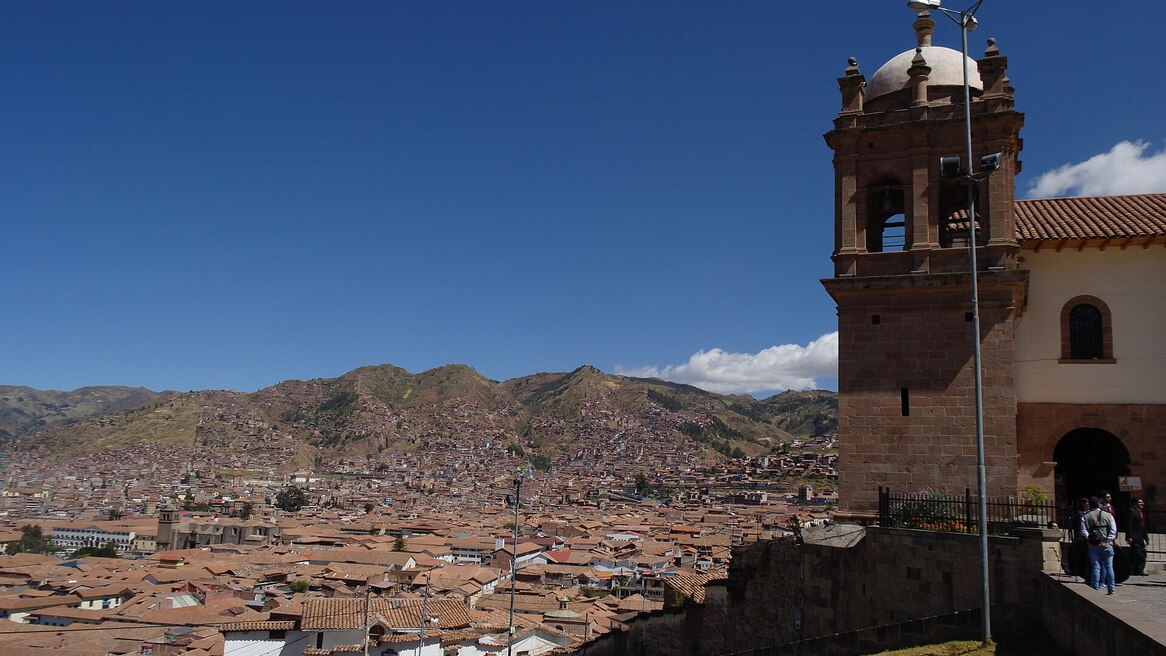
The barrio of San Cristóbal is a short, steep walk from the Plaza de Armas. Or it’s a ten sols taxi fare. But it’s well worth it for the views! As well as the incredible views over the city — you can see the whole layout from here, and into the mountains that surround it — San Cristóbal has a beautiful church, and a large-scale statue of Christ who overlooks the church and the city. The Spanish built the church here because of the fabulous views, and dedicated it to Saint Christopher, the patron saint of travellers, because it was becoming a rest stop for those on the way to Machu Picchu. Aside from the church, the neighbourhood offers some memorable colonial buildings with wooden balconies lined up along long, narrow streets. There’s not a huge range of accommodation, but there are some charming smaller hotels.
Did you know? Paullo Tupac Yupanqui, an Inca noble turned Christian convert, paid for the construction of the church, and was buried under its doorstep.
Discover our recommended hotels near San Cristóbal
Explore more >
View all hotels in San Cristóbal
Explore more >
Ideal for: sightseeing, arty types, shopping, explorers
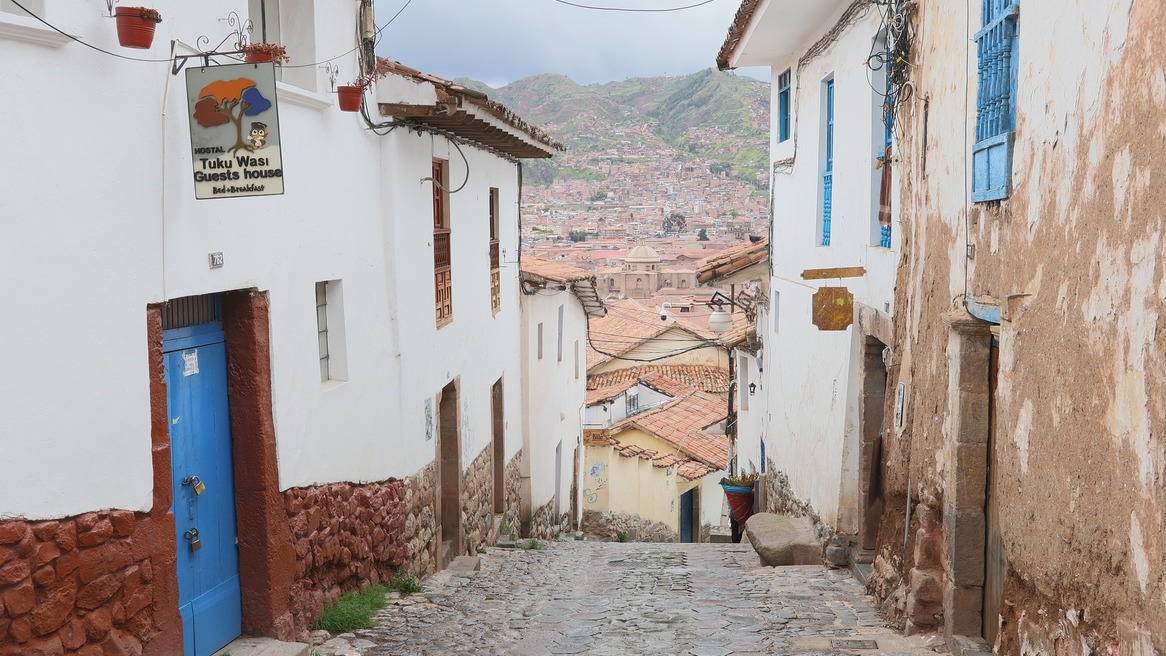
Famously steep steps link San Blas to the Plaza de Armas — though it’s actually only four blocks away. Those four blocks do make a difference, though, because there’s a really bohemian, arty atmosphere here, with a little bit more of a local, rather than tourist feel. San Blas is the shopping neighbourhood, but the wares on offer here are traditional, artisan offerings, many of them handmade in traditional workshops and studios. San Blas has been this type of neighbourhood for centuries, both before and after the arrival of the Spanish, and some of the greatest artists of Peru have had their studios here. Some of the best known galleries and workshops are on the San Blas slope, which is the direct alley up from the plaza, and on the square this alley opens out onto. It’s also worth visiting the church and the observatory, which has a public viewing area.
Did you know? Even before the Spanish arrived, this neighbourhood was known for its craftsmen, artists and artisans.
Discover our recommended hotels near San Blas
Explore more >
View all hotels in San Blas
Explore more >
Ideal for: families, peaceful stays, walkers, living like a local
Lucrepata is the neighbouring barrio to San Blas, with similar cobbled streets and architecture, but fewer cafes and restaurants and a more residential feel. You’re still just a short stroll from the Plaza de Armas, though, probably only 15 to 20 minutes, including regular stops to admire the views. What Lucrepata does have over San Blas are green spaces — Cusco has surprisingly few of them, so if you’re travelling with kids who need a bit of a run-around, this could be the perfect barrio for you.
Did you know? Lucrepata is home to some of Cusco's around 11,000 stray dogs. You'll see some of them travelling around in packs, but they don't often pose any threat to people, most are just looking for a snack and somewhere for a sunny snooze.