
The Cotswolds is often referred to as the most quintessentially English of all England’s regions: think towns and villages crammed with thatched, rose-trellised cottages, ancient churches and grand mansions made from honey-coloured stone, and the background of green rolling hills. If you like a proper old pub, steam trains, tea and scones, and a genteel and gentle atmosphere, the Cotswolds really is for you. Though you won’t be the only one! Turns out Ye Olde English charm is a popular thing, and despite the vast array of accommodation in the Cotswolds — from luxurious spa hotels, country house escapes, rooms in pubs to family-friendly aparthotels and everything in between — you might actually find it hard to book accommodation in the Cotswolds, so consider your requirements carefully…
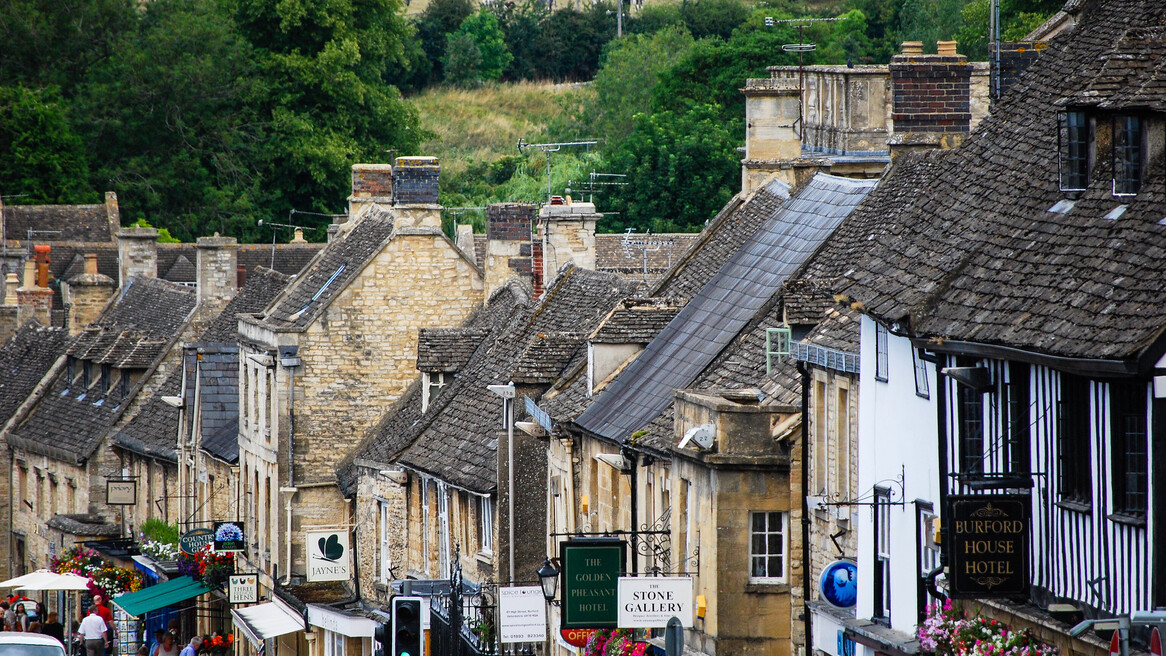
Some of the Cotswolds’ towns and villages are very well know. Burford has one of the most photographed high streets in the country with Tudor beams sitting next to Cotswolds’ stone, flower-clad Georgian houses, and a myriad of shops, galleries, inns, restaurants, tea shops and inns. Chipping Campden has more of the same, but on a grander scale, with elegant residences and pedigree in the Arts and Crafts movement. Broadway has the tower, and more museums than its neighbours; Stow-on-the-Wold offers plenty of romance as well as charm; and Cirencester and Cheltenham are the historic market towns.
Ideal for: first-time visitors, families, romance, mini-breaks, walkers, shopping, a relaxed escape, photographers
Surprisingly, Burford’s popularity hasn’t reduced its picture-postcard-perfect charm. Sure, it would be nice to have the place to yourself, but the higgledy piggledy Georgian houses, lines of cottages, inns, antique shops, galleries, boutiques, bakeries, sweet shops and tea rooms wouldn’t be spruced to such perfection if the locals weren’t expecting the whole world to show up on the doorstep! The photogenic high street is the hub of Burford, but don’t forget to explore the whole town. You can easily spend a few days in Burford, there’s plenty to see, and you’re close to the Cotswolds Way, so you can walk further afield, but it is useful to have a car.
Did you know? Burford claims to have England's oldest pharmacy: Reavley's Pharmacy on the High Street has been in operation since 1734.
Discover our recommended hotels near Burford
Explore more >
View all hotels in Burford
Explore more >
Ideal for: mini breaks, romantic escapes, families, sightseeing
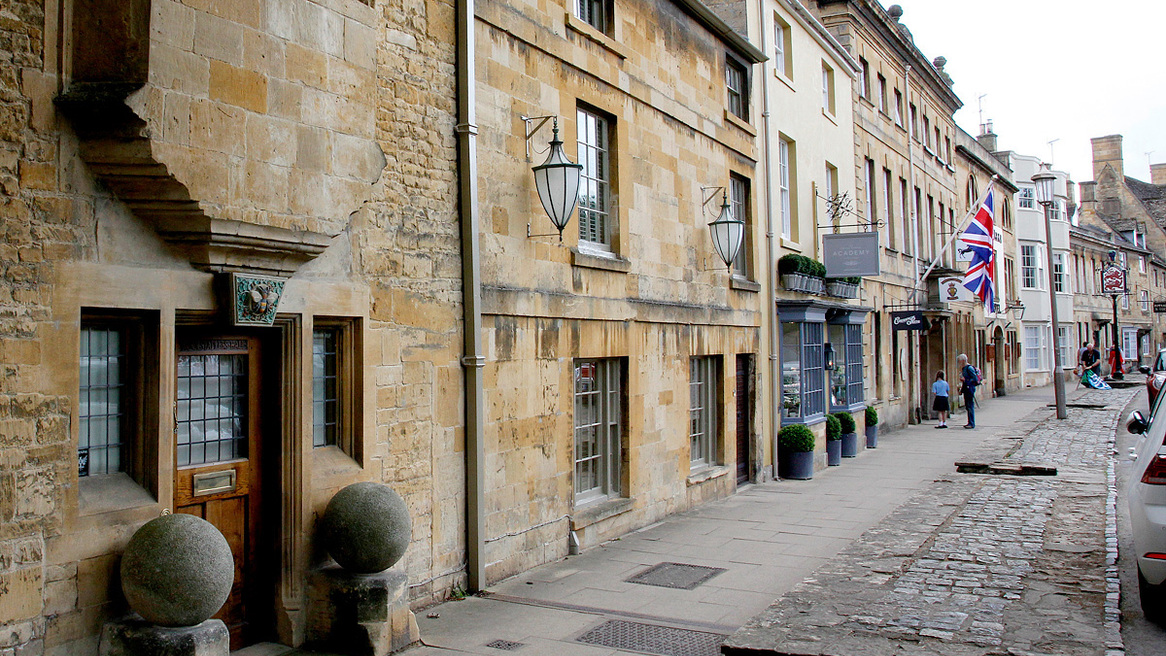
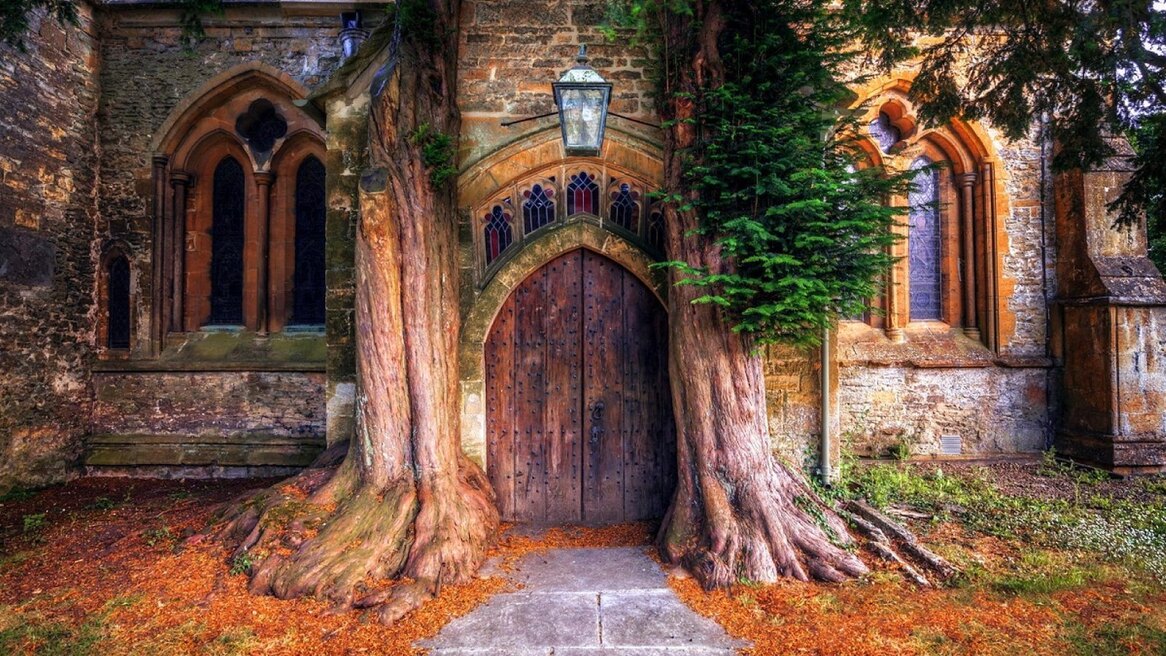
Chipping Campden is another postcard-perfect Cotswolds town, with plenty of honey-coloured stone, another photogenic high street, cottage gardens and an exceptionally fine church. There are a couple of reasons that it’s extra special: it was on a trading route, so in the 12th century it was ‘planned’ by early town planners, it’s got a 17th century Market Hall (which cost £90 to build in 1627), and this is where the Cotswolds Olimpicks were founded in the 17th century — they’re still ‘played out’ today too! Chipping Campden was a key location in the British Arts and Crafts movement, and there’s an important Arts and Crafts museum. It is also close to Hidcote Manor Garden. Anywhere this picturesque is going to be busy in the tourist season, but it's beautiful out of season too. And the magical church of St. James, one of the finest 'wool churches' in the Cotswolds, is nothing short of glorious at Christmas.
Did you know? 'Chipping' comes from the Old English word for 'market'.
Discover our recommended hotels near Chipping Campden
Explore more >
View all hotels in Chipping Campden
Explore more >
Ideal for: mini breaks, sightseeing, families, romantics, art lovers, photographers, shoppers
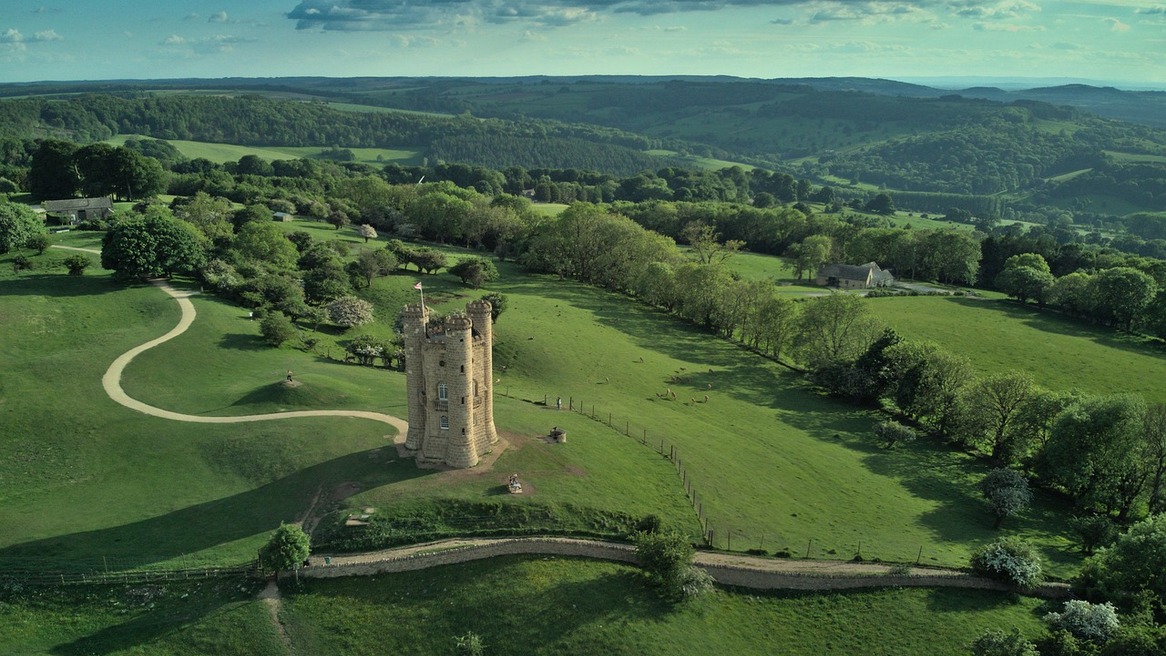
Named for its broad way, or high street, Broadway has tea rooms, antique shops, utterly charming rows of 16th century cottages, rolling rural views, and plenty of elegant architecture rendered in golden stone. It’s also got a rather fantastic tower, which is just outside of town, and acted as an ancient beacon before becoming the country retreat of William Morris in 1880. It’s certainly a sight to see today. Other Broadway sights include their outpost of the Ashmolean Museum — it’s in Tudor House, one of the high street’s standout buildings — and the Gordon Russell Design Museum.
Did you know? As well as the Tower, Broadway has a nuclear bunker dating from the Cold War — and it's been built underneath the Tower.
Discover our recommended hotels near Broadway
Explore more >
View all hotels in Broadway
Explore more >
Ideal for: sightseeing, photographers, rural escapes, romantics
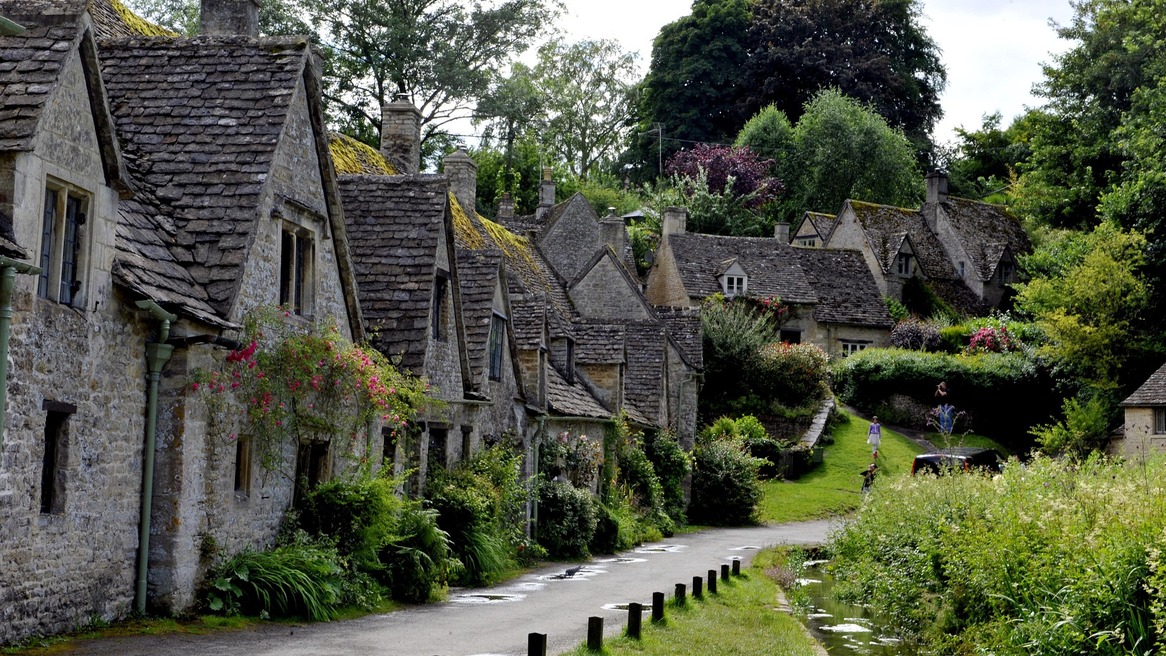
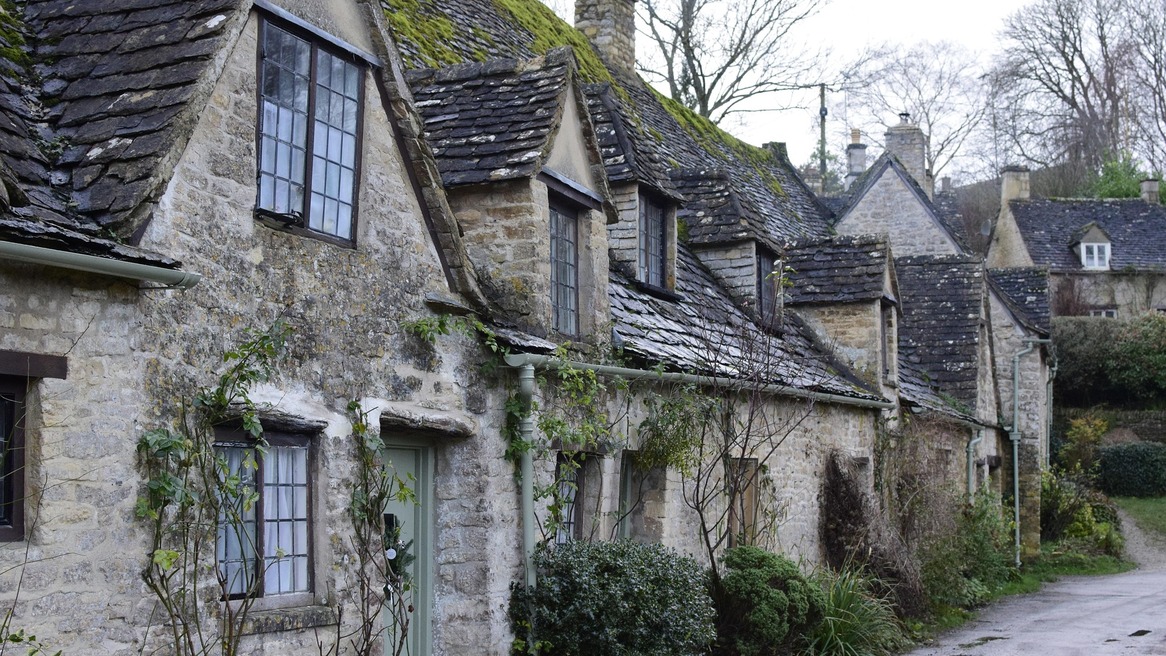
Bibury is another Cotswold charmer, known especially for its particularly picturesque row of 1380 built Cotswold stone cottages on Arlington Row. And for its trout farm, one of the oldest and most attractive trout farms in the country. Father of the Arts and Crafts movement, William Morris, called Bibury “the most beautiful village in England”. Bibury also has an Anglo-Saxon church, and a historic churchyard known for its wonderful preservation. The town only has around 40 buildings (two of them are hotels) and is only a very short drive from Cirencester.
Did you know? Arlington Row is featured on the inside cover of British passports.
Ideal for: mini breaks, relaxed weekends, romantics, families, photographers
At 800 metres, Stow-on-the-Wold is one of the highest towns in the Cotswolds, so it has the best views of the surrounding area. It started as an Iron Age settlement, so this spot has long been considered advantageous. The Normans liked it too, but it really came into its own with the wool trade. At its height of importance around 20,000 sheep a day were traded here as part of the annual Stow-on-the-Wold wool fair. Today Stow-on-the-Wold is a great place to do a spot of antique shopping or enjoy a civilised tea. It also has a number of very good restaurants, and some cosy pubs.
Did you know? A famous line of Stow-on-the-Wold poetry is: Stow-on-the-Wold, Where the wind blows cold.
Discover our recommended hotels near Stow-on-the-Wold
Explore more >
View all hotels in Stow-on-the-Wold
Explore more >
Ideal for: mini breaks, romantic escapes, Cotswolds base, shopping, families, sightseeing, car-free travellers
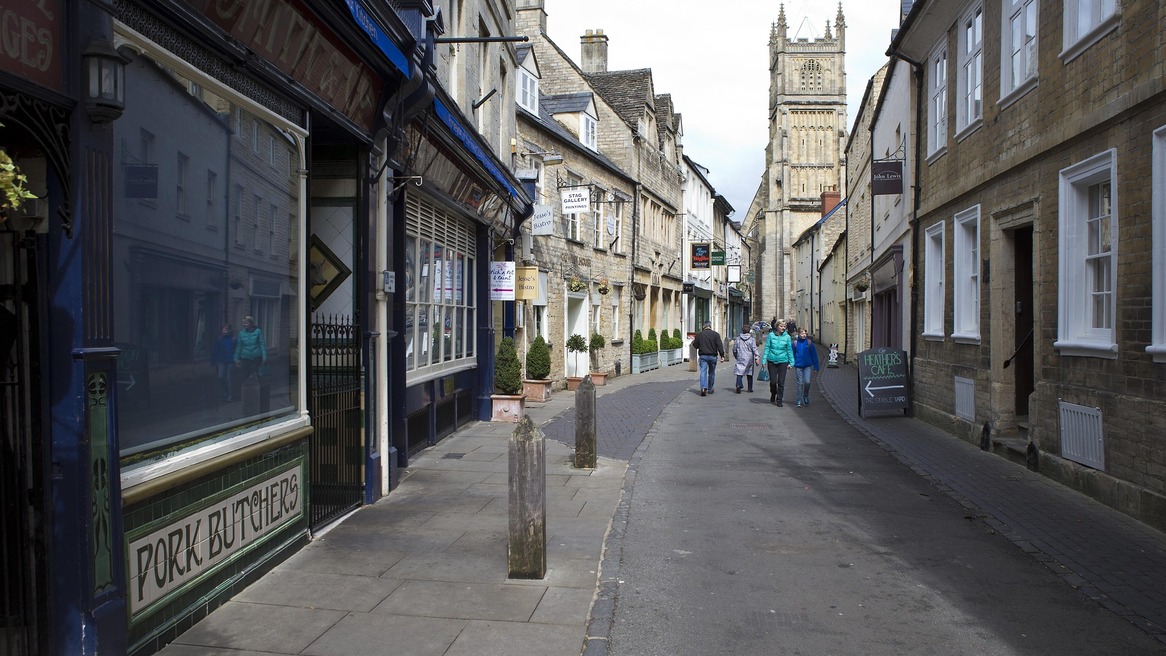
There are a couple of towns vying for the title of “Capital of the Cotswolds”, and Cirencester is one of them. And rightly so. It’s one of the region’s largest centres: an elegant old market town which has been around since Roman Britain. There are still remnants of the Roman walls to see, and there’s a very good museum about life in Roman Cirencester, along with a rather spectacular Gothic church, Cirencester Great Park, active marketplaces, and some very nice architecture rendered in Cotswolds stone. Cirencester takes its visitor trade seriously, offering a wealth of charming galleries, boutique shops, tea rooms, cafes and delis, restaurants, a very good theatre, and the Brewery Arts Centre, where you can watch artists and craftspeople at work in their studios. And of course, you’re surrounded by the charming surroundings of the Cotswolds, both its green spaces and its pretty villages. There’s a wide range of accommodation on offer in Cirencester — from pubs with rooms to boutique hotels.
Did you know? Cirencester is the largest town in the Cotswolds.
Discover our recommended hotels near Cirencester
Explore more >
View all hotels in Cirencester
Explore more >
Ideal for: mini breaks, romantics, spa escapes, luxury lovers, shoppers, sightseeing, exploring the Cotswolds
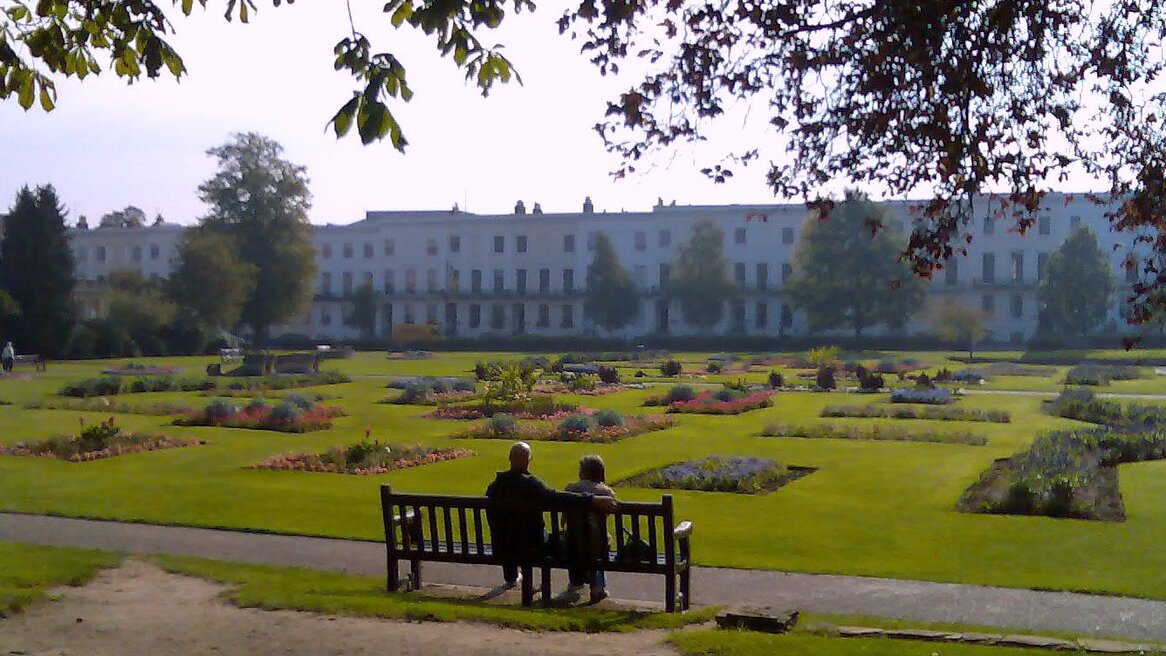
Cheltenham is another of the Cotswolds’ larger centres, but its size springs from a different place: it was ‘discovered’ in the 18th century as a spa town, and grew grand and healthy in the Regency style. It still does a good line in spa hotels, and in fancy hotels generally, so this is a good choice for anyone hoping for a luxurious Cotswolds stay, but doesn’t want to go for a country house hotel. There are good restaurants, bars and cafes lining the wide streets, plus numerous galleries and boutiques, historic pubs, and some gorgeous parks and gardens too. As well as being England’s most complete Regency town, and being conveniently located for the Cotswolds, Stratford-upon-Avon and Bath, Cheltenham is also home to GCHQ’s famous doughnut-shaped headquarters. And of course there’s the horse racing…most notably the Gold Cup steeplechase, which is part of the Cheltenham Festival held every March.
Did you know? It was pigeons who discovered Cheltenham as a spa town! Pigeons were seen pecking at salt deposits, and land owners started investigating...
Discover our recommended hotels near Cheltenham
Explore more >
View all hotels in Cheltenham
Explore more >
Ideal for: mini breaks, romantics, foodies, shopping, exploring the Cotswolds, families
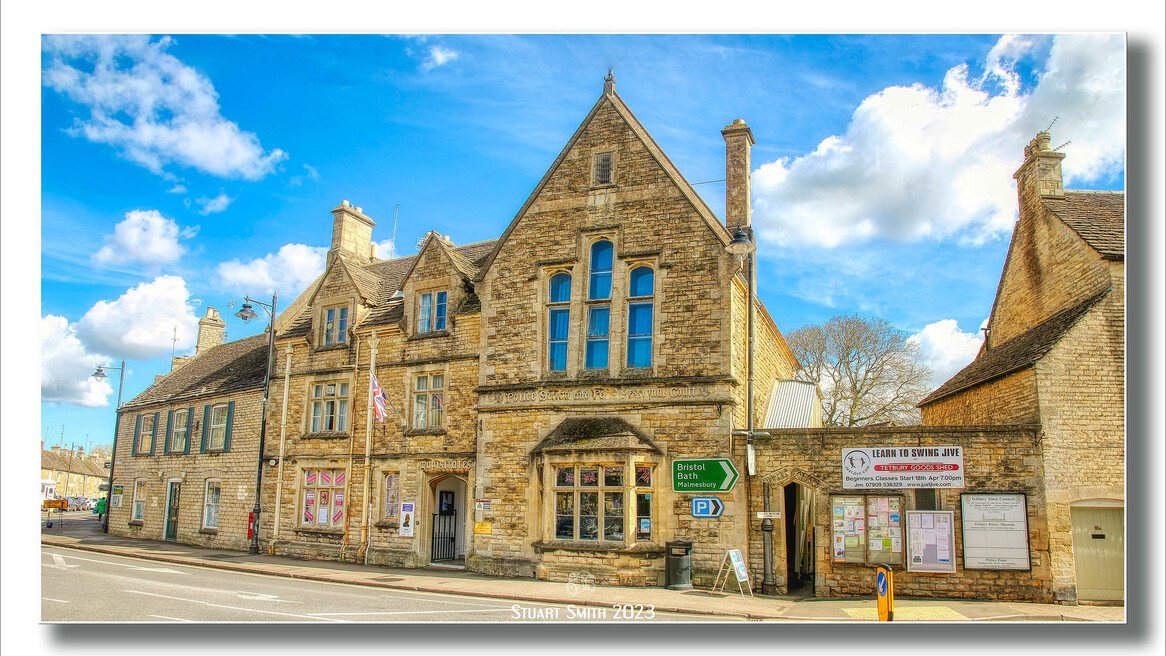
Tetbury is another large Cotswolds centre, known for being close to Highgrove, home of King Charles III (Tetbury’s Long Street has the original ‘Highgrove Shop’, where produce from the estate is sold). There are also a number of independent butchers, cheesemongers, and specialist delis, and Long Street has quite a reputation for antique shops and bric-a-brac treasure troves. While you can’t visit Highgrove or the nearby Norman castle, visitors can see inside Elizabethan Chavenage, and Arts and Crafts manor house, Rodmarton Manor. Tetbury also has a police museum and an impressive old market place. The town has several very nice places to stay, including some charming pubs with rooms and some higher-end boutique hotels.
Did you know? Tetbury has more than 130 Heritage Listed buildings.
Discover our recommended hotels near Tetbury
Explore more >
View all hotels in Tetbury
Explore more >
Ideal for: walkers, mini breaks, families, Cotswolds explorers, foodies, shopping
Stroud is a large centre with a lot going for it, including a picturesque location in a steep green valley, an award-winning farmers’ market and history of incredible organic farming, and a fascinating history of textiles production — visitors are able to tour former working mills. The town is also well positioned for The Cotswold Way, has its own canal, and a rich cultural scene made richer by the many local artist residents. There are plenty of historic sites near Stroud: a Neolithic long barrow at Uley; Roman remains at Frocester, and plenty of medieval and Tudor manors. Stroud is also only an hour and a half from London by train.
Did you know? The fabric used to make the tennis balls that are used in the Wimbledon Championship is created here.