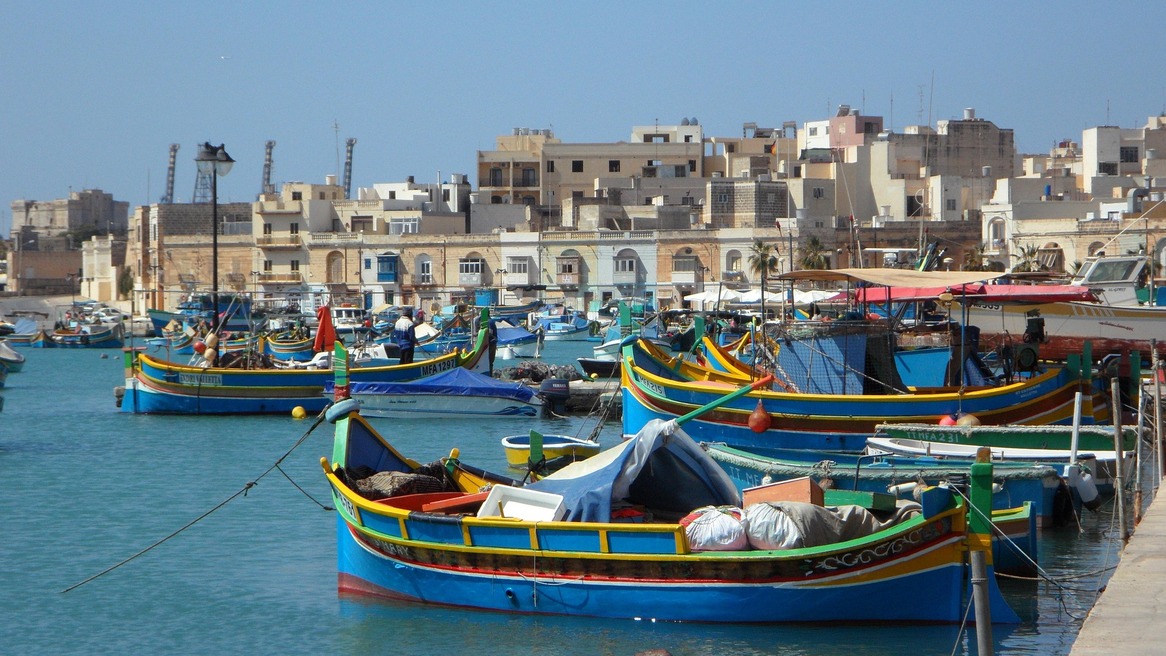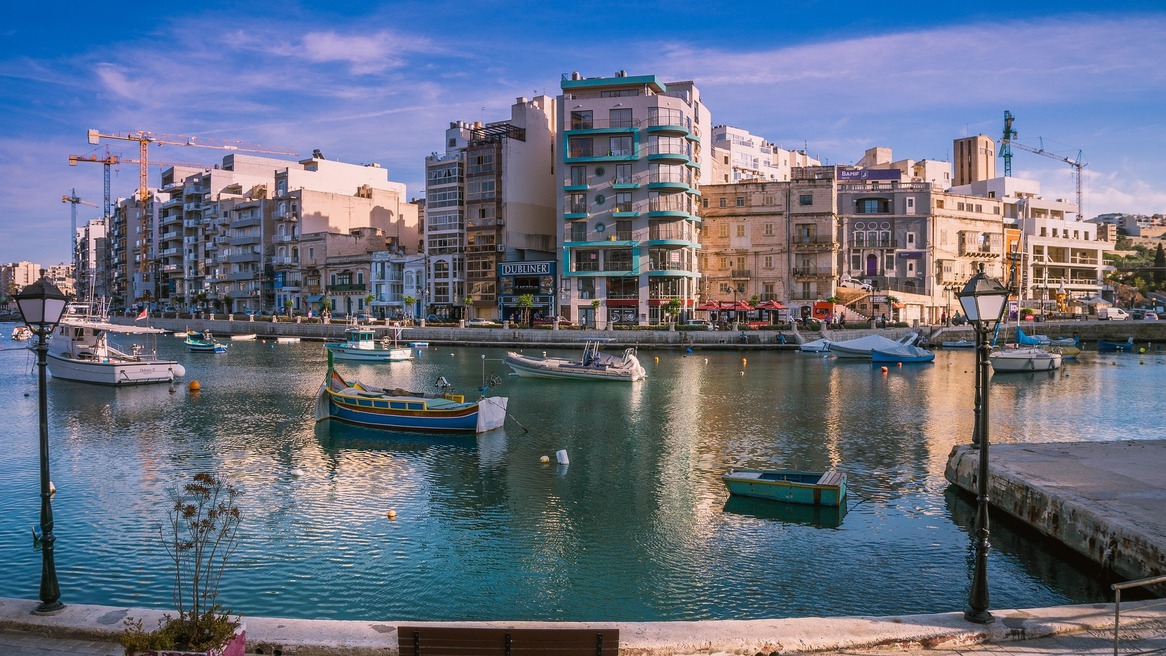

Notre guide pour choisir où séjourner à Malte est le tremplin idéal pour vous aider à sélectionner votre lieu de séjour sur cette île fascinante. Avec des informations détaillées sur les villes et quartiers clés, ainsi que des recommandations pratiques pour le transport et les activités, il vous garantit d'être parfaitement placé pour profiter au maximum de votre voyage — que vous rêviez de visiter des forts des Croisés, de plonger à Gozo ou de déguster d'excellents fruits de mer en ville.
Petite, baignée de soleil et stratégiquement positionnée dans la mer Méditerranée scintillante entre l'Afrique du Nord et la Sicile, chaque centimètre de Malte est historique d'une manière ou d'une autre. Ses forts et églises des Croisés magnifiquement préservés sont bien connus, mais elle est également parsemée de temples néolithiques, bordée de falaises riches en fossiles et d'épaves dispersées.
Malte est composée de trois îles : Malte, le minuscule Comino et Gozo. La majeure partie de Comino est une réserve naturelle, et il y a peu de villes et de villages sur Gozo — dont Victoria est la plus grande. L'île de Malte est petite en taille, mais il y a beaucoup à faire ici. Les îles sont bien connectées entre elles par ferry, et vous trouverez également un réseau de bus facile à naviguer reliant les villes et les sites d'intérêt de l'île de Malte, ce qui en fait une excellente destination pour ceux qui préfèrent ne pas louer de voiture.
Idéal pour : Escapades urbaines, amateurs de patrimoine, gourmets et couples
La capitale de Malte, La Valette, est absolument magnifique. Une communauté fortifiée construite dans les années 1500 par les Chevaliers de Saint-Jean, toute la ville est maintenant classée au patrimoine. Les charmantes rues étroites de La Valette sont bordées de magnifiques architectures patrimoniales et dominées par plusieurs forts majestueux et églises impressionnantes. La cathédrale Saint-Jean est incontestablement le point culminant. Le Palais du Grand Maître des Chevaliers de Malte est un autre point de repère, et un excellent endroit pour plonger dans l'histoire de l'île, tout comme le Musée national d'archéologie et le Musée national de la guerre.
La Valette moderne s'étend sur plusieurs péninsules, mais elle ne fait que quelques kilomètres de long, ce qui la rend très attrayante à explorer à pied. Il convient de noter cependant que la ville est construite sur une crête, donc il y a des sections raides et beaucoup d'escaliers. Les visites guidées à pied sont fortement recommandées, certaines axées sur l'architecture et la gastronomie, d'autres incluant des promenades dans le réseau de tunnels qui se trouvent sous la ville.
La Valette est aussi une base brillante pour explorer toute l'île, car elle possède le port de ferry et la gare routière principale. Le soir venu, la ville offre une scène gastronomique et de boisson fantastique, ainsi que de nombreux événements culturels.
Le saviez-vous ? La plus petite capitale de l'UE, La Valette regorge de 320 monuments reconnus par l'UNESCO sur moins d'un kilomètre carré.
Découvrez nos hôtels recommandés près de La Valette
Explorez plus >
Voir tous les hôtels à La Valette
Explorez plus >
Idéal pour : Romantiques, familles, amateurs de patrimoine préférant une base plus calme
Juste de l'autre côté du Grand Port face à La Valette, au sud, se trouve Birgu, une autre ville fortifiée impressionnante construite par les Chevaliers de Saint-Jean. Ancienne capitale de Malte, le paysage de Birgu est dominé par l'imposant Fort Saint-Ange, ainsi que par plusieurs églises et palais en pierre dorée.
Si vous souhaitez plonger dans les connexions de Malte avec les Chevaliers de Saint-Jean, Birgu est l'endroit idéal pour vous — ses musées maritime et de Vittoriosa sont fantastiques. Un service de ferry régulier traverse jusqu'à La Valette, ainsi que des bateaux-taxis et des bus. Le front de mer animé de Birgu offre une sélection de petits restaurants et bars à vin élégants, ce qui en fait un charmant centre pour une soirée conviviale.
Le saviez-vous ? Birgu est à son apogée magique lors de l'annuel BirguFest, tenu à la mi-octobre, lorsque la ville est éclairée à la bougie, et une série de reconstitutions historiques rappellent le Grand Siège de Malte.
Découvrez nos hôtels recommandés près de Birgu
Explorez plus >
Voir tous les hôtels à Birgu
Explorez plus >
Idéal pour : Amateurs d'histoire cherchant à éviter la foule, familles
 Image by Cathalin from Pixabay
Comme Birgu, Cospicua est une ville sur le Grand Port, à l'est de La Valette. Avant la fondation de La Valette, Birgu, Cospicua et Senglea — surnommées 'Les Trois Cités' — étaient les villes portuaires fortifiées de Malte, entourées d'une ligne de murs défensifs épais et de tours construites pour résister aux attaques. Ces fortifications continuent de caractériser Cospicua et restent un attrait majeur pour les visiteurs.
Construit pendant la période géorgienne, les docks de Cospicua sont un autre lieu d'intérêt historique et architectural, tout comme ses nombreuses églises. Cospicua est plus grande que Birgu, mais moins populaire auprès des visiteurs, elle a donc une ambiance plus détendue et résidentielle. La ville abrite l'un des plus anciens clubs de football de Malte — le St George's FC — et accueille chaque année des processions de Vendredi Saint particulièrement élaborées.
Il y a aussi de nombreux bars et restaurants attrayants en ville, et un bon réseau de transports en commun pour ceux qui souhaitent voir plus de Malte.
Le saviez-vous ? Les traditions du Vendredi Saint de la ville incluent des représentations d'histoires bibliques réalisées à partir de riz coloré et de sel, qui sont exposées sur la Table des Apôtres.
Découvrez nos hôtels recommandés près de Cospicua
Explorez plus >
Voir tous les hôtels à Cospicua
Explorez plus >
Idéal pour : Couples romantiques, jeunes familles
 By © Plamen Agov • studiolemontree.com, CC BY-SA 3.0
La troisième des trois villes construites sur le Grand Port par l'Ordre de Saint-Jean est Senglea. Conçue pour paraître bien fortifiée avec ses bastions faisant face au port, cette petite ville possède de belles églises, des palais historiques et de charmants jardins, ainsi que des forts bien préservés. L'une des principales attractions de Senglea est sa magnifique basilique, qui abrite une statue très vénérée du Christ Rédempteur.
Senglea a une atmosphère plus tranquille et détendue que La Valette, bien qu'elle soit assez densément peuplée. Le charmant front de mer est l'endroit où se rendre en fin d'après-midi et en soirée pour des apéritifs au coucher du soleil et des dîners de fruits de mer. Pendant la journée, il y a de bons endroits pour nager. Si vous souhaitez découvrir la vie nocturne de La Valette et sa scène gastronomique animée, il est facile de traverser jusqu'à la capitale en bateau ou en bus.
Le saviez-vous ? Le minuscule Jardin Gardjola possède une tour de guet frappante ornée d'yeux et d'oreilles sculptés, symbolisant la vigilance constante — à visiter absolument !
Découvrez nos hôtels recommandés près de Senglea
Explorez plus >
Voir tous les hôtels à Senglea
Explorez plus >
Idéal pour : Plongeurs et amateurs de snorkeling, ceux qui cherchent des vacances hors des sentiers battus, romantiques
Gozo est bien connue et appréciée des plongeurs et amateurs de snorkeling du monde entier, mais l'île ne se limite pas à sa magie sous-marine. Bien plus calme que l'île de Malte, Gozo offre une côte spectaculaire, et ses petites villes et villages ont une atmosphère plus arabe. De plus, l'île possède un incroyable monument mégalithique : Ġgantija, deux temples faits de pierres géantes et autoportantes. Ce site du patrimoine mondial est mille ans plus ancien que Stonehenge et tout aussi atmosphérique, mystérieux et impressionnant. Il y a aussi des églises à visiter, ainsi que des marchés animés à travers l'île, qui est bien desservie par des bus publics et des bus touristiques à arrêts multiples. Rabat — auparavant connue sous le nom de Victoria — est la plus grande ville et mérite une balade.
De retour sur l'eau, vous trouverez des épaves et des récifs en abondance pour les plongeurs passionnés, ainsi que d'excellents sites de snorkeling. Le site de plongée de la 'Mer Intérieure' est un favori de longue date. Avec des ferries vers l'île de Malte toutes les heures — selon la période de l'année — un voyage à Gozo promet le meilleur des deux mondes.
Le saviez-vous ? Des parties de Troy, Game of Thrones et World War Z ont été filmées à Gozo, et l'île a longtemps inspiré des écrivains de Homère à Edward Lear au fil des siècles.
Découvrez nos hôtels recommandés près de Gozo
Explorez plus >
Voir tous les hôtels à Gozo
Explorez plus >
Idéal pour : Couples romantiques
 Image by kirkandmimi from Pixa
Avant les Chevaliers de Saint-Jean et la construction de Birgu et La Valette, Mdina était la capitale de Malte. Elle est également devenue le foyer de la noblesse maltaise, donc ses palais sont grandioses et ses villas élégantes, avec des blasons et des sculptures portant les noms des anciennes familles aristocratiques. Lorsqu'elle est tombée en défaveur, beaucoup de ses grandes familles ont déménagé, et la ville a commencé à se dégrader. Aujourd'hui, presque personne ne vit à Mdina, mais ses bâtiments ont été soigneusement restaurés, et il y a quelques lieux fabuleux pour séjourner en ville.
Les romantiques et les amateurs de patrimoine adoreront flâner le long des ruelles étroites, entrer dans de grandes places, visiter la cathédrale et le musée attenant, ou admirer la villa romaine. Les visites guidées à pied sont merveilleuses, tout comme les vues depuis les bastions. Une petite sélection d'excellents bars et restaurants vous attend également. Venez pour l'atmosphère paisible et le sens de l'histoire.
Le saviez-vous ? Fondée il y a plus de 4 000 ans par les Phéniciens, Mdina est la plus ancienne ville fortifiée de Malte. Connue aujourd'hui sous le nom de 'Ville Silencieuse', elle est presque exempte de voitures.
Découvrez nos hôtels recommandés près de Mdina
Explorez plus >
Voir tous les hôtels à Mdina
Explorez plus >
Idéal pour : Vacances à la plage, voyageurs avec un budget limité, noctambules
Si vous rêvez de soleil méditerranéen et d'un grand sens du plaisir, alors Sliema est un excellent choix. Ancien village de pêcheurs pittoresque sur une péninsule juste au nord de La Valette, Sliema est devenue une ville balnéaire animée avec une promenade vivante offrant des bars, restaurants et cafés branchés, ainsi que des boutiques et des clubs. La ville a une ambiance cosmopolite attrayante, avec l'anglais largement parlé. Des bus et des ferries réguliers — toutes les trente minutes — vers La Valette rendent l'exploration facile. Sliema possède le plus grand centre commercial de Malte, et il y a de superbes plages pour les vacanciers de tous âges pour nager et se détendre.
Le saviez-vous ? Les chats se rassemblent autour de la statue de chat dans les Jardins de l'Indépendance, où les habitants fournissent depuis longtemps nourriture et abri pour les chats errants amicaux. Cela est devenu un lieu de visite très populaire pour les amateurs de chats !
Découvrez nos hôtels recommandés près de Sliema
Explorez plus >
Voir tous les hôtels à Sliema
Explorez plus >
Idéal pour : Vacances à la plage, amateurs de fêtes
St. Julian’s est l'autre station balnéaire de Malte. Similaire à Sliema, elle se trouve également au nord de La Valette et est connue pour ses bars animés, restaurants et plages. Pour des journées passées à profiter du soleil et des soirées animées en ville, ne cherchez pas plus loin. Destination de vacances à forfait la plus populaire de Malte, St Julian’s est depuis longtemps un favori des voyageurs solitaires sociables, des couples, des groupes d'amis et des familles actives. Paceville offre des bars et des boîtes de nuit branchés, tandis que les baies et plages de la côte rocheuse de la région promettent beaucoup d'espace pour ceux qui cherchent à s'étendre sur le sable.
Le saviez-vous ? St. Julian's abrite le plus haut bâtiment de Malte, la Mercury Tower conçue par Zaha Hadid, qui est devenue un centre commercial et de divertissement.
Découvrez nos hôtels recommandés près de St Julian's
Explorez plus >
Voir tous les hôtels à St Julian's
Explorez plus >
Idéal pour : Couples, ceux qui recherchent une base tranquille
Si vous recherchez une base plus tranquille, cela vaut la peine de considérer Naxxar, une vieille ville majestueuse sur la côte nord de l'île principale. Hors des sentiers touristiques, cet endroit résidentiel a un cœur historique merveilleux — avec une grande place et une église imposante. Construite par les Chevaliers de Saint-Jean, la tour Ghallis et la tour Qalet Marku gardent l'entrée de la baie, et les deux sont ouvertes aux visiteurs. Le palais Parisio du XVIIIe siècle et ses jardins soignés sont également à ne pas manquer.
Au-delà du centre-ville de Naxxar, vous trouverez des rues étroites remplies des balcons en bois peints de couleurs vives pour lesquels Malte est devenue célèbre. Il y a de bons restaurants et cafés de quartier, de petites boutiques accueillantes, et une atmosphère détendue — ainsi que relativement peu de touristes. Les amateurs de promenade peuvent découvrir les principaux sites de Naxxar à pied, et des bus réguliers vous conduiront aux autres centres de l'île.
Le saviez-vous ? La devise de Naxxar, 'Prior Credidi' ('Premier à croire'), reflète la tradition selon laquelle ses habitants furent les premiers sur l'île — au-delà de Mdina — à embrasser le christianisme après le naufrage de Saint Paul.