
Our in-depth guide to Dublin’s top neighbourhoods packs in everything you need to choose the perfect place to stay—whether you’re here for historic landmarks, quirky architecture, legendary live music, standout cuisine, or that unmistakably warm pub buzz.
Dublin tempts visitors with an irresistible mix of warmth, wit and history. It’s a city shaped by Vikings, defined by medieval castles and cathedrals, and polished by elegant Georgian streets — plus a few wonderfully awful eyesores that only add to its charm. And no matter where you wander, you’re never far from a pub, whether you prefer old-school snug, global melting pot, or trendy modern hotspot.
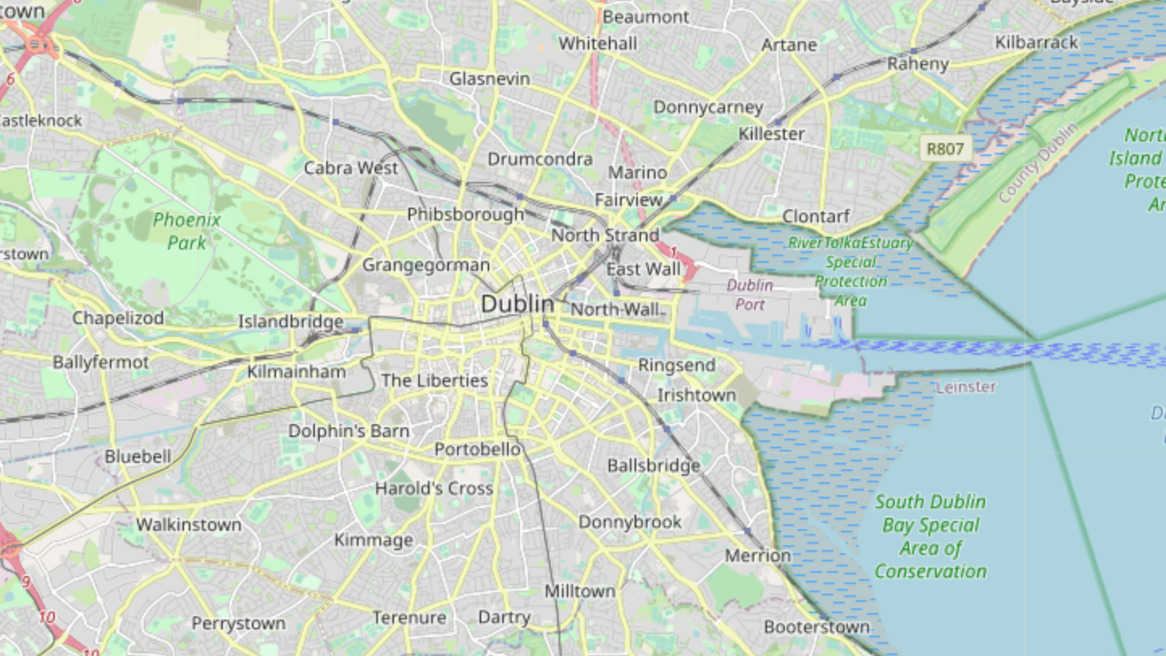
Dublin may be large for a country of Ireland’s size, but its central core — the part most visitors stick to — is compact and easily walkable. The city orients itself around the River Liffey: O’Connell Street and its web of shopping avenues sit to the north, while major sights like St. Patrick’s Cathedral, Grafton Street, Trinity College, and St. Stephen’s Green anchor the south. Public transport is plentiful — trams, suburban trains, and a robust bus network — but most travellers find they can reach nearly everything on foot. And if you need a lift, taxis are quick and easy to come by.
Ideal for: Sightseeing, first time visitors, shopping, night owls
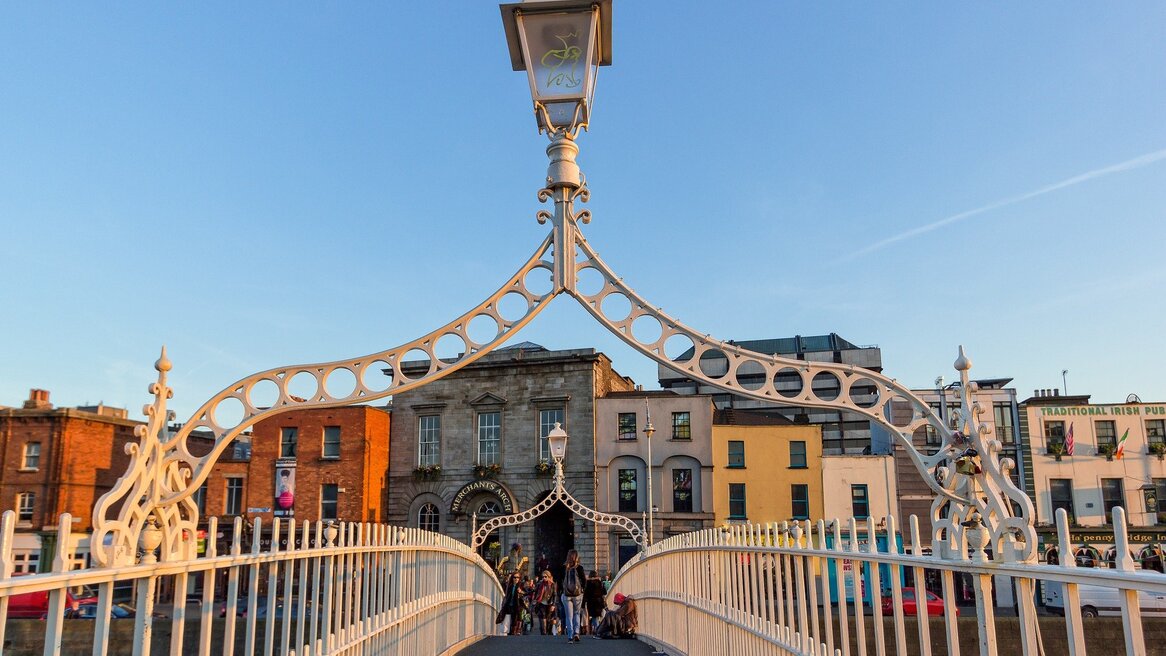 Image by papagnoc from Pixabay
Central Dublin is a dense mix of historic landmarks, cultural heavyweights, buzzing shopping strips, and lively food-and-drink hubs — punctuated by leafy parks and walkable, pedestrian-friendly pockets. O’Connell and Henry Streets deliver the big-name shops and classic Irish department stores, while nearby Moore Street offers a bustling fresh-produce market. Head toward The Liberties around Thomas Street for a more traditional vibe, home to weekly local markets — and, of course, the iconic Guinness Storehouse. We’ve broken up the central area into smaller neighbourhoods below: Trinity and Grafton Street, Around Dublin Castle and Temple Bar, because these popular neighbourhoods all have their own character and major attractions worth detailing.
Did you know? The heart of Dublin, around O’Connell Street and Trinity College is home to the Ha’penny Bridge, a pedestrian bridge built in 1816 that originally charged a half-penny toll to cross the River Liffey.
Ideal for: Shopping, history buffs, first time visitors, couples, sightseeing
 Rudy and Peter Skitterians fro
Fantastically central, the Trinity area is home to Trinity College, College Green, Grafton Street, and St. Stephen’s Green — a lively maze of cobbled lanes, leafy squares, and nonstop energy. It’s packed with pubs, bars, cafes, and restaurants, plus pedestrian-only Grafton Street, Dublin’s most famous shopping drag. Here you’ll find Brown Thomas, the city’s iconic luxury department store, surrounded by rows of boutiques. For vintage treasures, head to the Loft Market or the Market Arcade, also great for fabrics. Nassau Street offers a strong lineup of local makers and Irish brands, including Belleek pottery, Waterford crystal, and classic Aran sweaters. Trinity College is celebrated as much for its academic pedigree as for its elegant 18th-century architecture. Its Old Library houses the astonishing Book of Kells — an illustrated manuscript from around 800 AD and a must-see for many visitors. The college also boasts an impressive theatre, and several intriguing galleries sit just steps away.
Did you know? Trinity College’s campus was originally founded in 1592 on the grounds of a former Catholic monastery, making it both the oldest university in Ireland.
Discover our recommended hotels near Trinity College
Explore more >
View all hotels in Trinity, Dublin
Explore more >
Ideal for: Pub crawls, night owls, sightseeing
 Rudy and Peter Skitterians fro
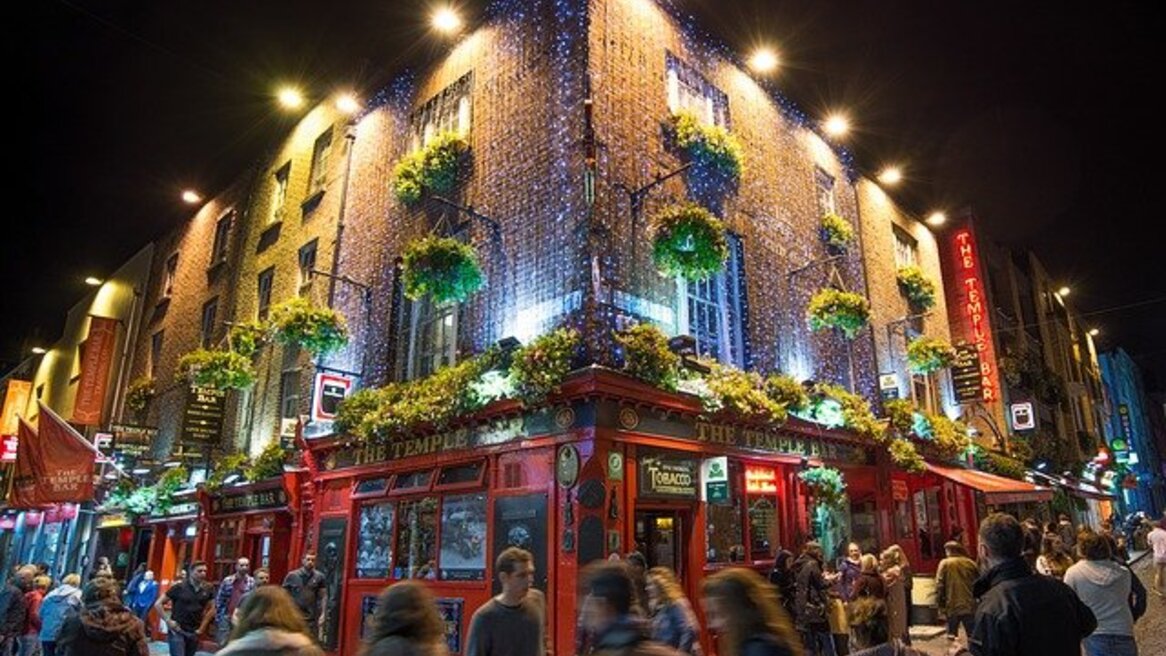
Temple Bar is a compact, character-filled neighbourhood of 17th-century buildings and narrow cobbled lanes running along the River Liffey. It’s one of Dublin’s most famous districts, celebrated for its pubs, nightlife, and unmistakably lively energy. True, pints aren’t the cheapest here — but the atmosphere is hard to beat. Temple Bar Square hosts a Saturday food market, and the surrounding streets offer excellent restaurants, the occasional gallery, and plenty of boutique and vintage shopping. Cow’s Lane even has its own design market, perfect for unique finds.
Did you know? The area gets its name not from nightlife, but from Sir William Temple, a 17th-century politician whose family owned land here.
Discover our recommended hotels in Temple Bar, Dublin
Explore more >
View all hotels in Temple Bar, Dublin
Explore more >
Ideal for: Families, sightseeing, history buffs
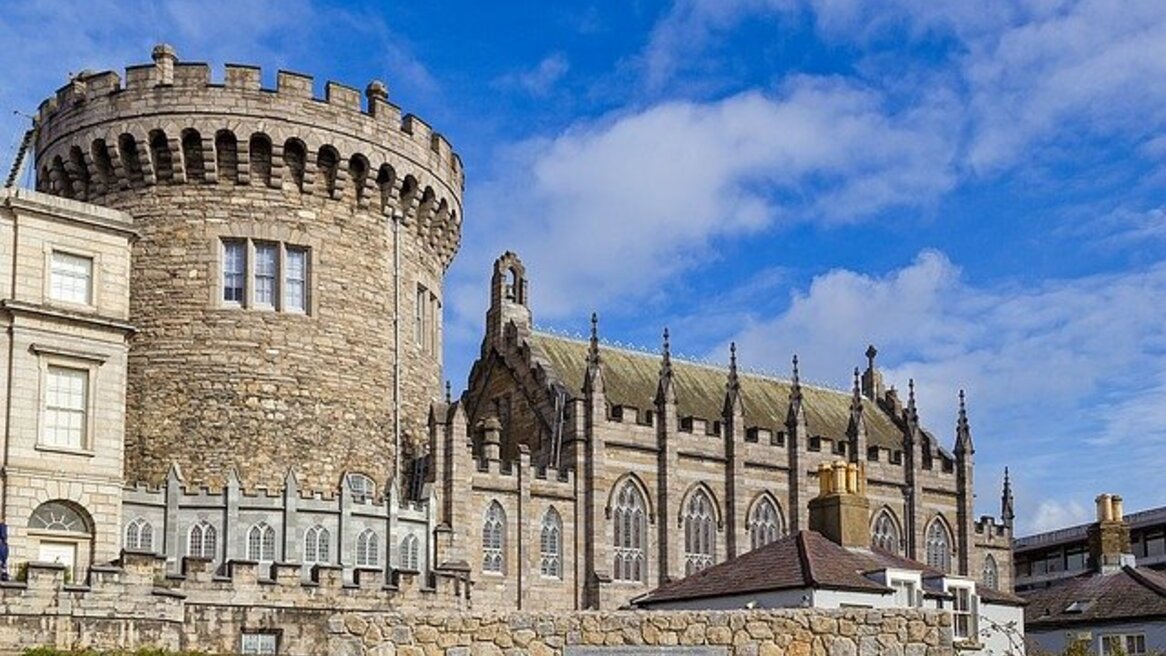
The area around Dublin Castle is a natural focal point for the city and one of its standout historic attractions, which means you’ll find plenty of accommodation options nearby. The castle is striking from the outside, and inside you’ll find two excellent museums. Step back out, and you’re surrounded by shops, cafes, pubs, restaurants, and a handful of charming green spaces — making it an easy and atmospheric base for exploring Dublin.
Did you know? Dublin Castle was the seat of British rule in Ireland for 700 years before becoming a government complex after independence.
Discover our recommended hotels near Dublin Castle
Explore more >
View all hotels around Dublin Castle
Explore more >
Ideal for: Romance, a special occasion
Dublin has no shortage of architectural gems, but its finest Georgian elegance gathers around Merrion and Fitzwilliam Squares. This leafy, upscale district is also home to the National Gallery, the National Museum of Ireland, the Museum of Natural History, the National Library, and the Irish Parliament.
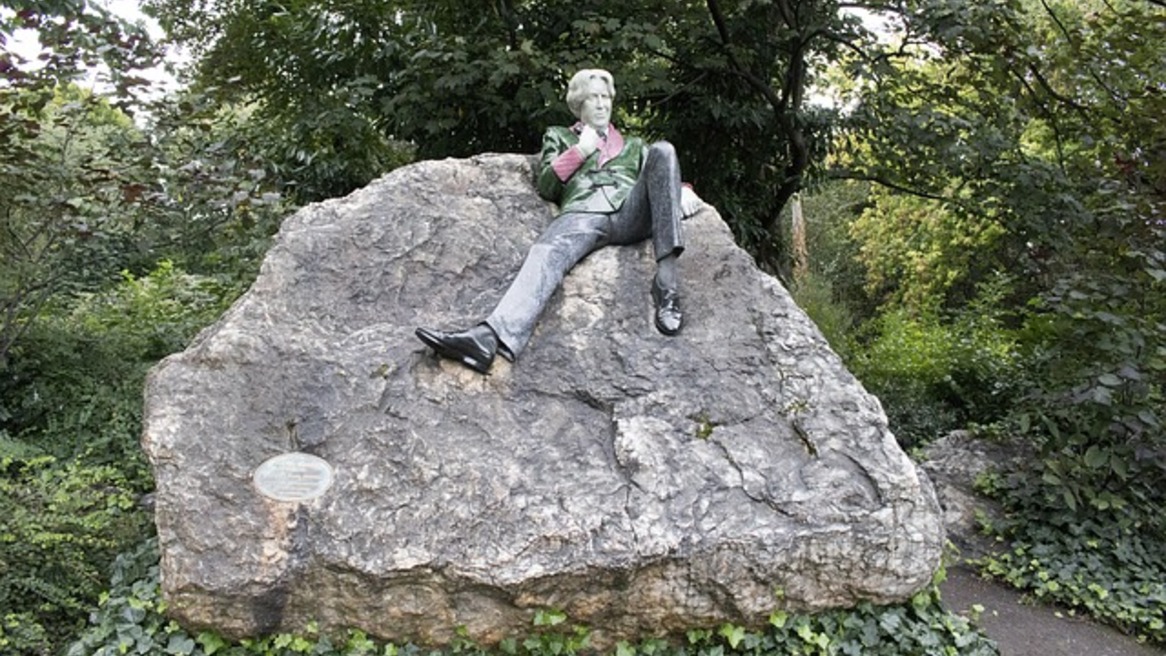
Merrion Square itself is a picture of order and charm: manicured lawns, colourful flower beds, and rows of red-brick townhouses with bright doors and ornate knockers. On the northwest corner, you’ll find the eye-catching multicoloured marble statue of Oscar Wilde. Fitzwilliam Square is smaller but just as handsome and prestigious, its central garden still kept wonderfully private.
Did you know? The square’s central park was designed in the 18th century as a private garden for residents, but it was later opened to the public.
Discover our recommended hotels near Merrion Square
Explore more >
View all hotels around Merrion Square
Explore more >
Ideal for: Art lovers, couples, travellers on a budget
True to its name, the Creative Quarter is perfect for gallery-hopping, boutique browsing, and sampling innovative bars and restaurants. Stretching from South William Street to George’s Street, and Lower Stephen’s Street to Exchequer Street, this red-brick neighbourhood — much of it Victorian — is a favourite haunt for artists, designers, and makers.
Did you know? This area is home to some of Ireland’s most famous street art, where vibrant murals often celebrate Irish culture, history, and contemporary social issues.
Discover our recommended hotels near Dublin's Creative Quarter
Explore more >
View all hotels in Dublin's Creative Quarter
Explore more >
Ideal for: Families, romance, luxury lovers
Just south of central Dublin, along the Grand Canal, Donnybrook and Ballsbridge are leafy, affluent neighbourhoods with a residential charm and plenty of excellent cafes, restaurants, and pubs. Home to many of Dublin’s embassies — and the occasional celebrity residence — these areas are perfect for a quieter, romantic stay. With abundant parks and gardens, they’re also ideal for families seeking space and greenery.
Did you know? Donnybrook is home to Ireland’s oldest rugby club, Bective Rangers and Ballsbridge was once the site of Dublin’s first aerodrome.
Discover our recommended hotels in Donnybrook and Ballsbridge
Explore more >
View all hotels in Donnybrook and Ballsbridge
Explore more >
Ideal for: Hipsters, night owls, visitors looking for somewhere a bit different
Head north of the Liffey to discover Phibsborough — a gentrified, up-and-coming neighbourhood with a hipster edge. Trendy boutiques, stylish cafes, and cool bars are springing up alongside renovated historic buildings, made even more accessible by the Luas Cross City line. Beyond shopping and a growing foodie scene, Phibsborough offers lively nightlife and plenty of green spaces, including the Botanical Gardens and the Royal Canal. It’s off the typical tourist trail, but perfect if you’re after a fresh, cool Dublin experience.
Did you know? The area is famous for Dalymount Park, known as the “home of Irish football,” where many of Ireland’s legendary soccer matches have been played since 1901.
Discover our recommended hotels near Phibsborough
Explore more >
View all hotels in Phibsborough
Explore more >
Ideal for: Sightseeing, history buffs, fans of industrial style, foodies, couples
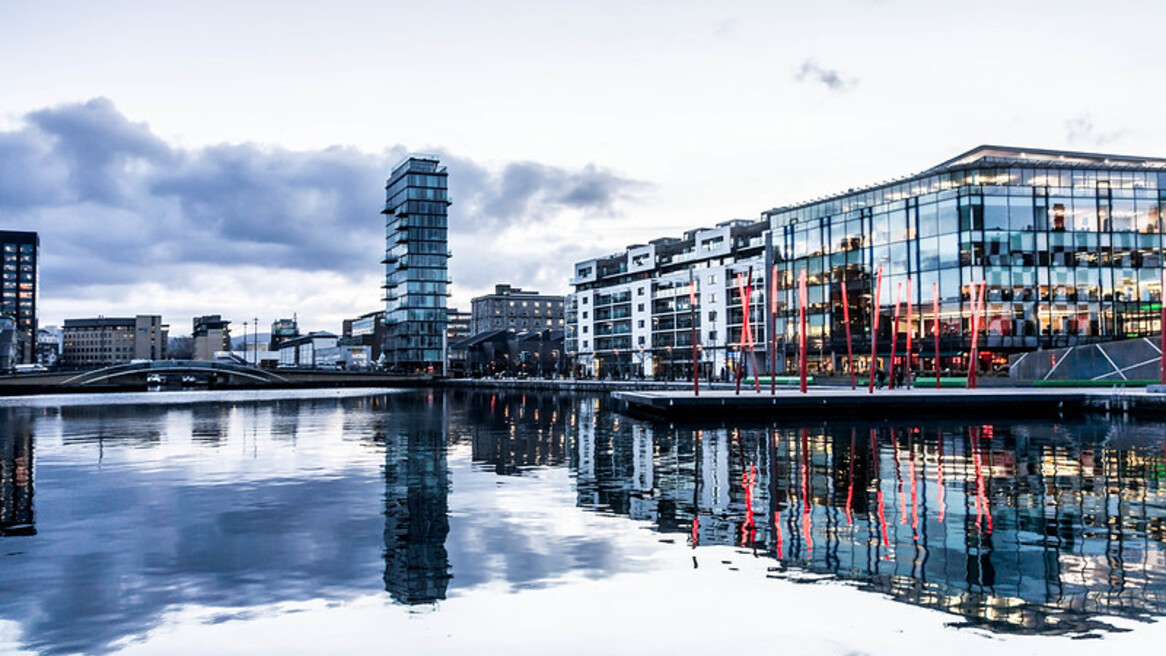
Just outside the city centre, Dublin’s Docklands are a sleek, fast-paced neighbourhood transformed from an industrial past. Anchored by Grand Canal Square and Mayor Square, the area blends historic and contemporary architecture, with striking bridges like the Seán O’Casey pedestrian swing bridge spanning the Liffey. Perfect for mixing business with pleasure, the Docklands are home to top galleries, museums, and some of the city’s finest restaurants (including the First Dates Restaurant!).
Did you know? This area has been nicknamed “Silicon Docks” because companies like Google and Facebook have offices here.
Discover our recommended hotels near Dublin's Docklands
Explore more >
View all hotels in Dublin's Docklands
Explore more >
Ideal for: Families, visitors looking for a peaceful base
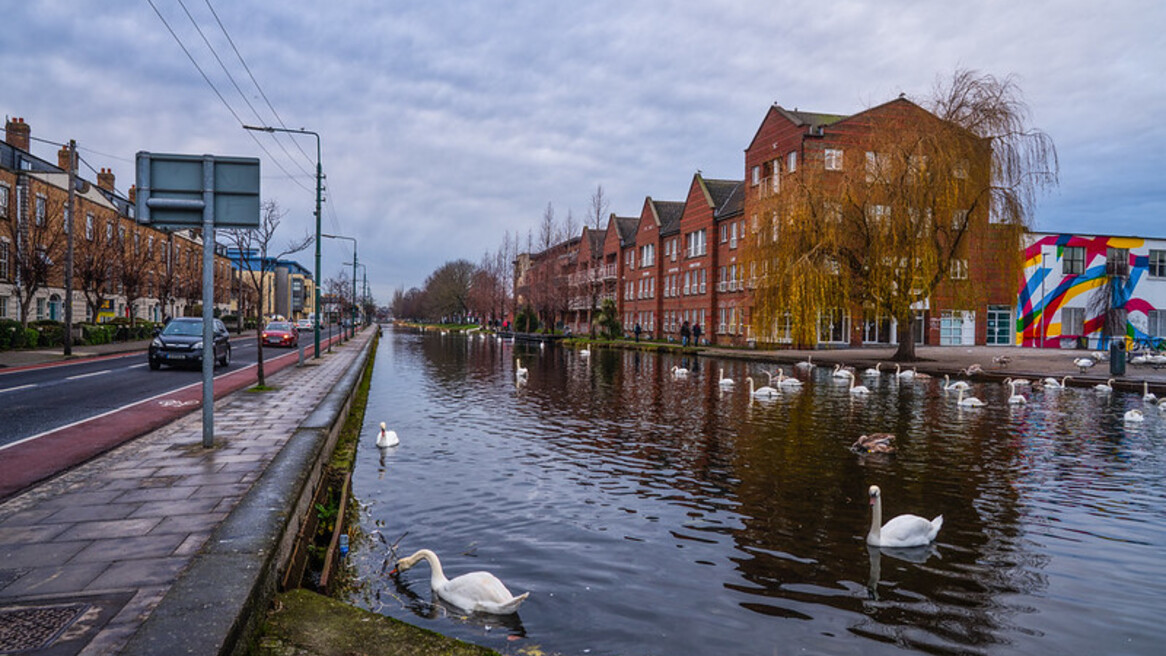
Just south of the city centre, tucked behind St. Stephen’s Green, Portobello is a hip yet relaxed neighbourhood. Charming canals and quaint streets are lined with boutiques, bakeries, cafes, galleries, and restaurants. Weekends bring a lively flea market, while a daily food market keeps things buzzing. Home to Dublin’s Jewish Museum, Portobello’s quiet, village-like vibe makes it ideal for families, with easy access to all the city’s main sights.
Did you know? Known as Dublin’s “Little Jerusalem”, Portobello was historically home to a thriving Jewish community and still features a historic synagogue and kosher shops.
Discover our recommended hotels in Portobello
Explore more >
View all hotels in Portobello
Explore more >
Ideal for: Sports fans, families, travellers on a budget
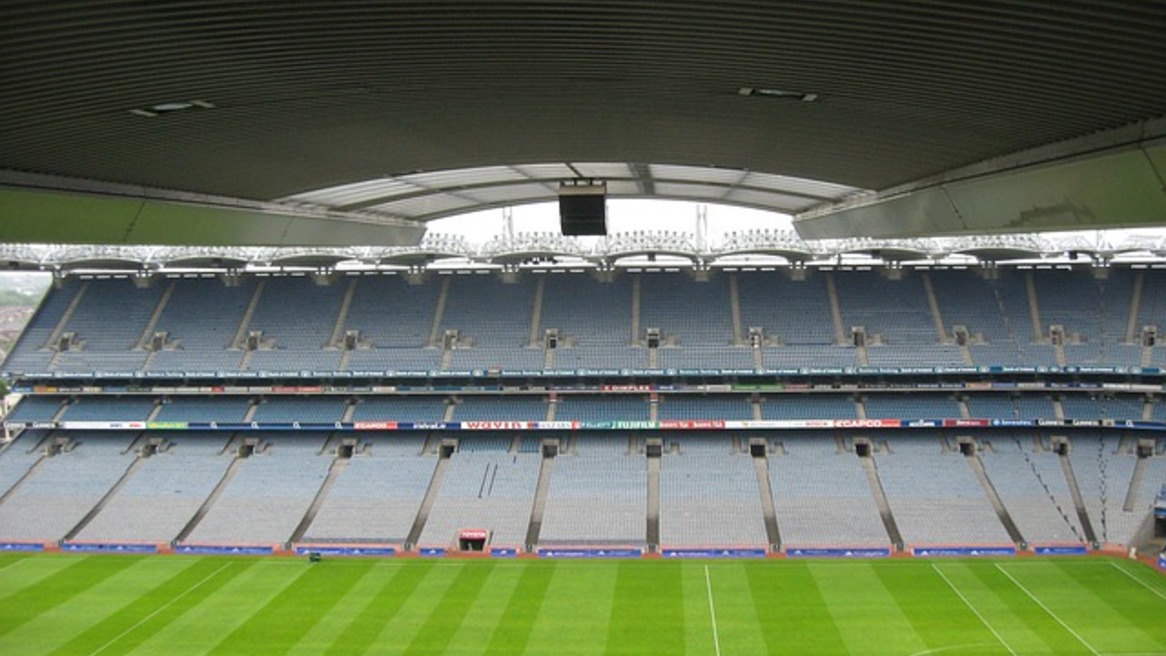
Croke Park is synonymous with sport — football, rugby, and hurling alike — as the home of the Gaelic Athletic Association. It also doubles as a major music venue. The stadium sits just north of the Royal Canal in Drumcondra, surrounded by plenty of pubs, bars, and restaurants ready for big match days. Hotels can fill up quickly during events, but at other times you’ll find good-value accommodation in this lively, sports-centric neighbourhood.
Did you know? It’s the third-largest stadium in Europe and can hold approximately 82,300 spectators.
Discover our recommended hotels near Croke Park
Explore more >
View all hotels in Croke Park
Explore more >
Ideal for: Families, foodies, keen walkers, anyone looking for the best of both worlds: city and country
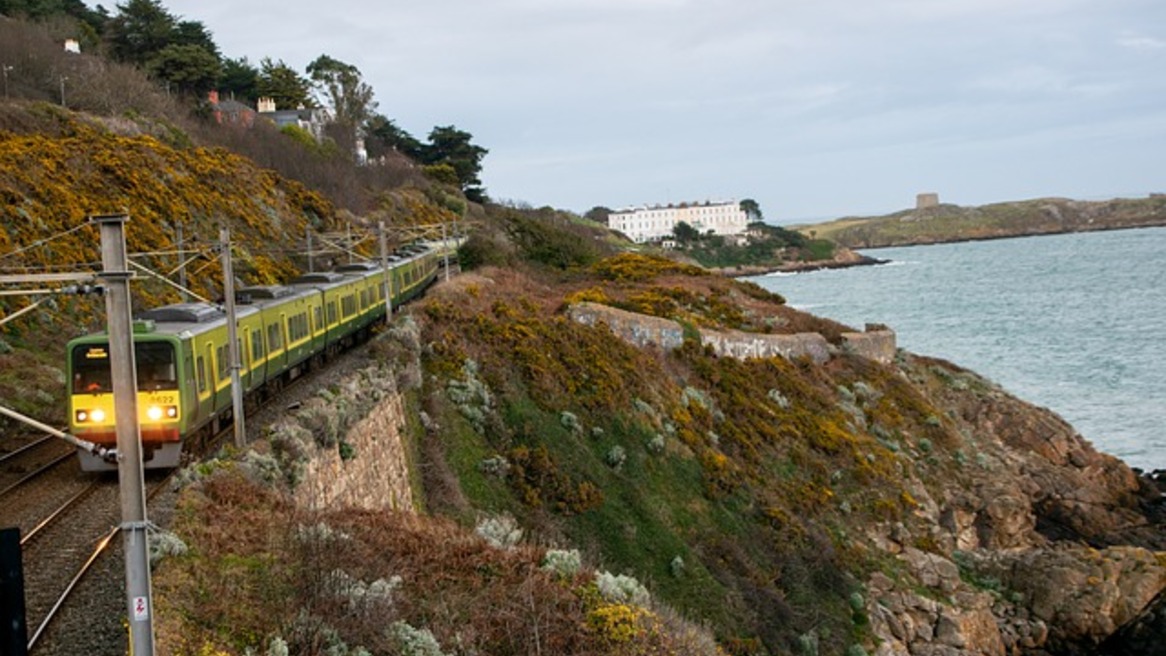
Dublin Bay offers plenty of chances for stunning ocean views, and a short trip from the city reveals charming coastal escapes. Howth is a lively fishing port and yacht harbour, boasting excellent restaurants and a popular weekend farmers’ market — perfect for a scenic stroll with spectacular bay views. On the opposite side, Dalkey was once Dublin’s medieval port and today offers a quieter vibe, with scenic walking trails, panoramic views, and waters popular with divers.
Did you know? Dublin Bay is home to the fortified Martello Towers, built in the early 19th century to defend against a potential Napoleonic invasion.